
Symptoms
Fungal skin infection – when it’s not just dry skin
It itches, flakes or flares in a way that doesn’t feel like “normal dryness.” Maybe it gets worse with heat, sweat or tight clothes, and now you’re wondering if it’s even eczema. Here’s how to tell a fungal skin infection from inflamed, irritated skin.

Is it fungus on the skin, or just irritation?
Fungal skin issues are not one thing. Malassezia thrives in oily, warm areas and can contribute to tinea versicolor, while dermatophytes more often target skin, hair and nails by feeding on keratin. Candida tends to show up in moist skin folds. Same symptoms — redness, scaling, itch — can come from different mechanisms.
What confuses people is that fungal rashes and eczema can look almost identical at first glance. Eczema is more of an inflammatory barrier problem, while fungus is about an organism finding the right environment to grow. That’s why “stronger cleansing” or more acids don’t always help. Sometimes they just make skin more reactive.
Research keeps pointing to the same thing: the skin microbiome, sebum, moisture and barrier function all influence each other. Hot weather, sweat, tight workout clothes and over-exfoliation can tip that balance further. If the rash spreads, hurts, oozes, sits on the scalp or doesn’t improve, get it checked properly.
Here’s what to do today
Drop harsh routines
Pause scrubs, strong acids and aggressive soap until the skin settles. An overworked barrier becomes an easier target for both irritation and imbalance.
Keep skin dry
Change out of sweaty clothes fast and pat dry after showering, especially in folds. Fungus loves moisture, so small daily habits matter more than people think.
Look at the location
Rashes under the breasts, in the groin or around the waist often point to moisture and friction. On the trunk or arms, flaky patches that change colour can suggest tinea versicolor.
Track the pattern
Does it worsen with heat, exercise or tight fabrics? Note it for a few days. Patterns help both you and a clinician distinguish fungus from eczema.
Get help for red flags
If the skin cracks, weeps, hurts, spreads fast or comes with fever, don’t guess. You need a real assessment, not another round of trial and error.

How to actually handle it
The smart move is to calm what’s happening on the surface first: less friction, less over-cleansing and less product stress. Au Naturel Makeup Remover with MCT oil is for those moments when you want a very gentle cleanse without stripping the last bit of support from skin. That kind of softness often matters more than people want to admit.
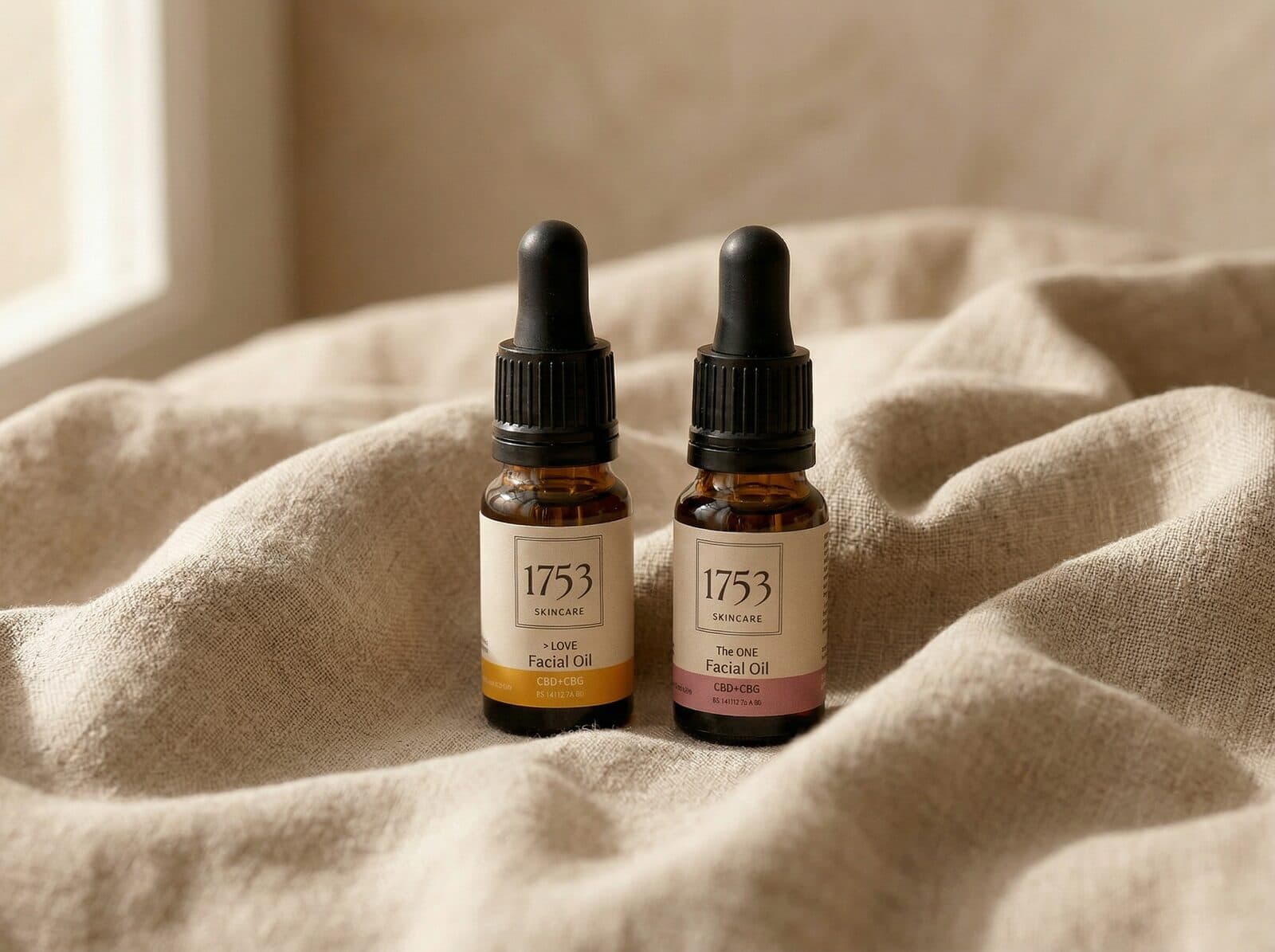
When skin feels irritated and out of balance, DUO kit can become the centre of a simpler routine. The ONE and I LOVE work with balance and calm rather than chasing a “squeaky clean” feeling that usually means more irritation. It is not antifungal treatment, and it should not pretend to be — but it can be the obvious choice while you figure out what’s actually going on.
If your skin repeatedly ends up in chaos, it can also make sense to think from the inside out. Fungtastic Mushroom Extract is our oral supplement for immune and gut support. It won’t replace medical care, but it fits the person who wants to build a better baseline instead of constantly fighting flare-ups. Skin that is calmed, gently cleansed and supported from more than one angle usually behaves better over time.
Products we recommend
 Save €34
DUO kit
Two face oils, one for morning and one for evening. Simple skincare that works with your skin, not against it.
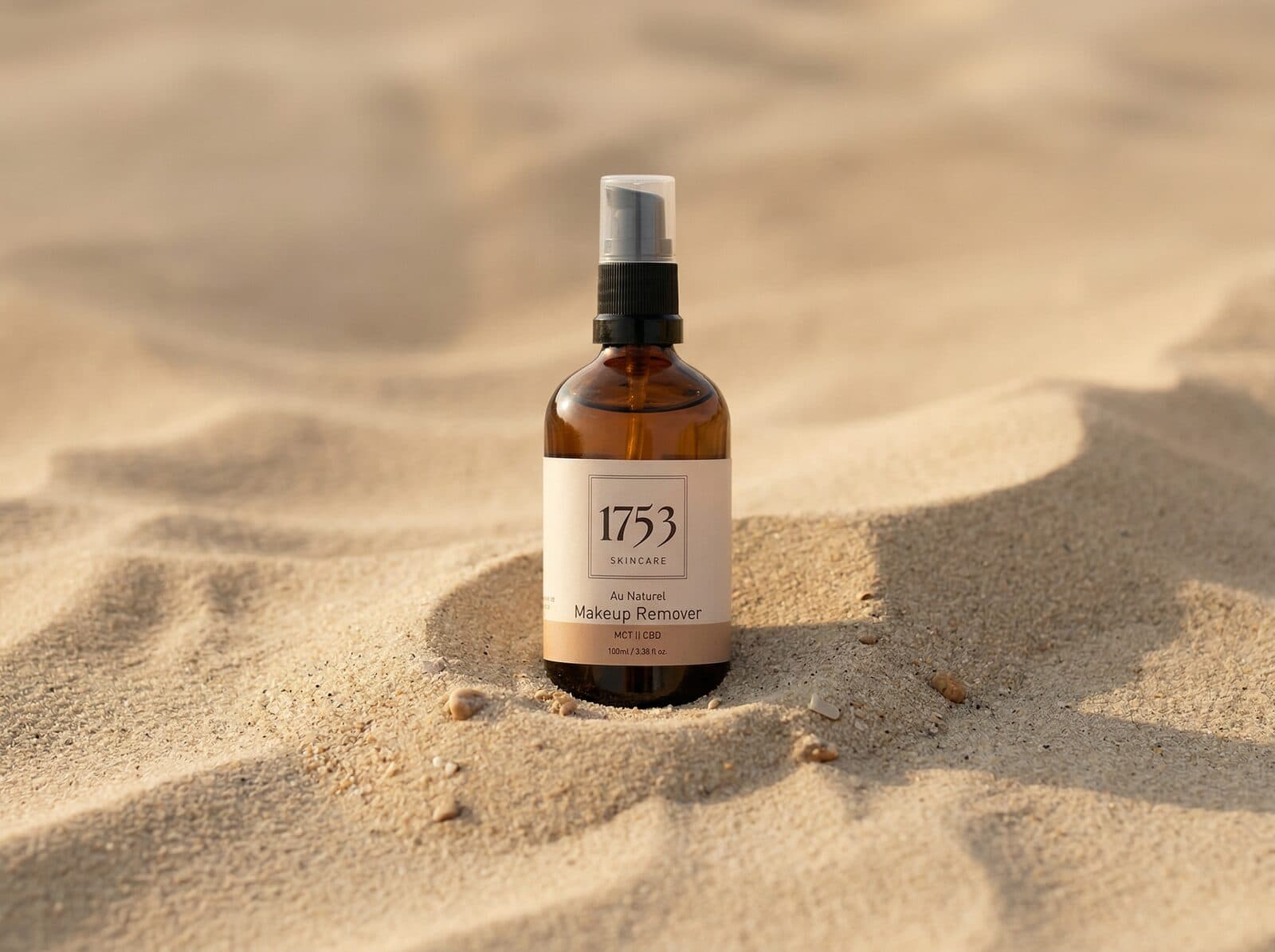
Au Naturel Makeup Remover
A cleansing oil with MCT and CBD that removes makeup and buildup without stripping your skin bare.
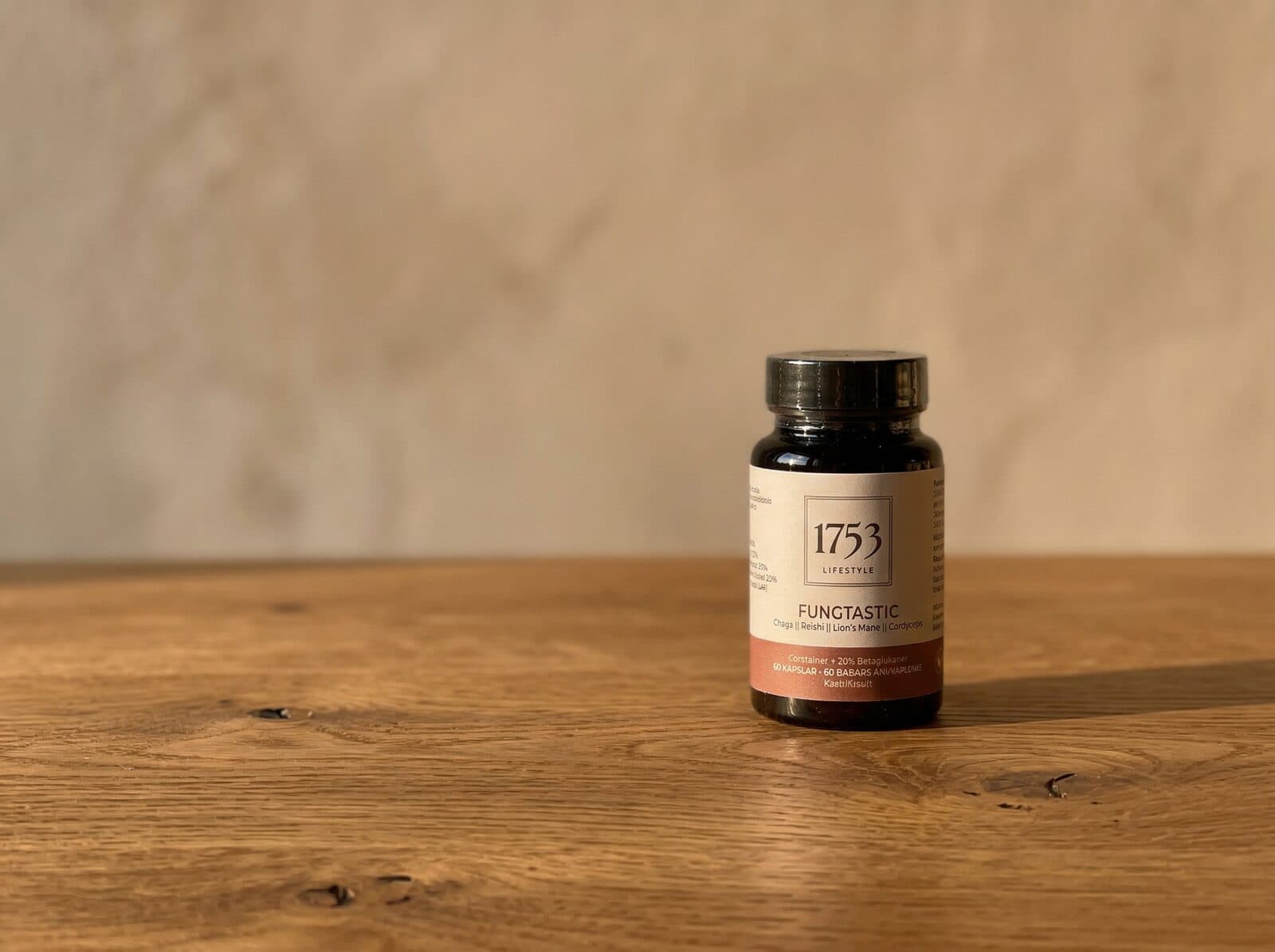

Fungtastic Mushroom Extract
Four mushrooms in one formula to support immunity, focus, energy and sleep from within.
Frequently asked questions
How do I know if it’s fungal skin infection or eczema?
Look at the pattern: fungus often flares with moisture, heat and friction, while eczema is more linked to dryness, barrier stress and irritants. But you can’t always tell at home. If it keeps coming back or feels unclear, get it assessed.
What’s the difference between antifungal and anti-inflammatory?
Antifungal targets fungal organisms. Anti-inflammatory calms the skin response, but it doesn’t remove fungus itself. If a fungal skin infection is suspected, both ideas may matter — but the right treatment depends on the actual cause.
Can tinea versicolor go away on its own?
Sometimes it settles when conditions change, but it can also return. Because it often tracks with heat, sweat and oiliness, recurrences are common. Persistent or widespread cases are worth medical evaluation.
Is candida on the skin the same as fungal skin infection?
Candida is one type of yeast and can cause skin problems, especially in moist folds. But not all fungal skin issues are candida. Different fungi behave differently, which is why identifying the pattern matters when symptoms keep coming back.
Sources
- Byrd AL, Belkaid Y, Segre JA. The human skin microbiome. Nat Rev Microbiol 2018;16(3):143–155.
- Salem I, Ramser A, Isham N, Ghannoum MA. The Gut Microbiome as a Major Regulator of the Gut-Skin Axis. Front Microbiol 2018;9:1459.
- Chen Y, Lyga J. Brain-skin connection: stress, inflammation and skin aging. Inflamm Allergy Drug Targets 2014;13(3):177–190.
Article reviewed by Christopher Genberg, founder of 1753 SKINCARE.
Related articles
SYMPTOM
Itchy skin – why nights make it worse
You finally lie down, and then it starts. The itch that was manageable all day suddenly takes over y...
Symptom
Flaky skin – when your skin starts shedding
When skin starts lifting in little flakes, it’s tempting to assume it needs a stronger cleanser, ano...
Symptom
Dry skin around mouth – when the skin pushes back
It often starts as tightness, flaking or tiny red patches right around the mouth. Sometimes it sting...
Skin Barrier
Skin microbiome – why balance changes everything
Your skin is not sterile. It’s an ecosystem where trillions of microbes help keep the barrier strong...
Condition
Hormonal acne – why it keeps coming back
Deep breakouts around the chin, jaw and lower face are rarely just “bad skin.” More often, they’re a...
Skin Condition
Seborrheic dermatitis – why skin flakes
Red, flaky, stubborn. Seborrheic dermatitis loves the places where skin is richest in sebum: the T-z...