
Myth-Busting
Formaldehyde releasers — what are they really?
You may have heard that certain preservatives are best avoided, but that does not mean every formula is equally risky or that every skin reaction has the same cause. Formaldehyde releasers such as dmdm hydantoin, imidazolidinyl urea and some quaternium ingredients are discussed because they can slowly release tiny amounts of formaldehyde over time. The reality is usually nuanced: some people tolerate them, while others develop contact dermatitis.

Is it the ingredient, or your skin's threshold?
The myth sounds straightforward: if a product contains formaldehyde releasers, it must be a problem. In real life, it depends on dose, formulation, frequency of use and your own sensitivity. Clinical observations and studies on contact dermatitis point to a threshold effect — not everyone reacts the same way.
DMDM hydantoin and imidazolidinyl urea are used in low amounts to keep products microbiologically stable, but for some people they can still act as triggers. That is why two products with similar preservation systems can feel completely different on the skin: the barrier state, how often you use the product and what else is stressing the skin all matter.
The most sensible approach is not to villainise every preservative system, but to ask whether your skin really needs that extra complexity. If you already know you flush, sting or break out easily, simpler formulas and a more observant routine may serve you better than ingredient drama.
Five practical moves
Read the INCI calmly
Look for dmdm hydantoin, imidazolidinyl urea and other formaldehyde releasers without spiralling. One ingredient does not tell the full story, but it can be a useful clue if your skin is reactive.
Start low and slow
If sensitivity is a concern, begin with a small amount and low frequency. That gives your skin a chance to show you whether it accepts the product instead of pushing straight into irritation.
Consider the whole routine
Harsh cleansing, too much exfoliation and multiple actives can make skin more prone to contact dermatitis. Sometimes the issue is not one ingredient, but cumulative stress.
Choose shorter lists
Fewer ingredients do not automatically mean better, but they often make it easier to spot what your skin actually dislikes. That helps especially if you have a history of eczema or recurring irritation.
Make room for gentler habits
If nail glue or certain nail products often bother you, use them less often and let the skin recover. The same logic applies to the face: less friction, less stress, better tolerance.

How to choose smarter skincare
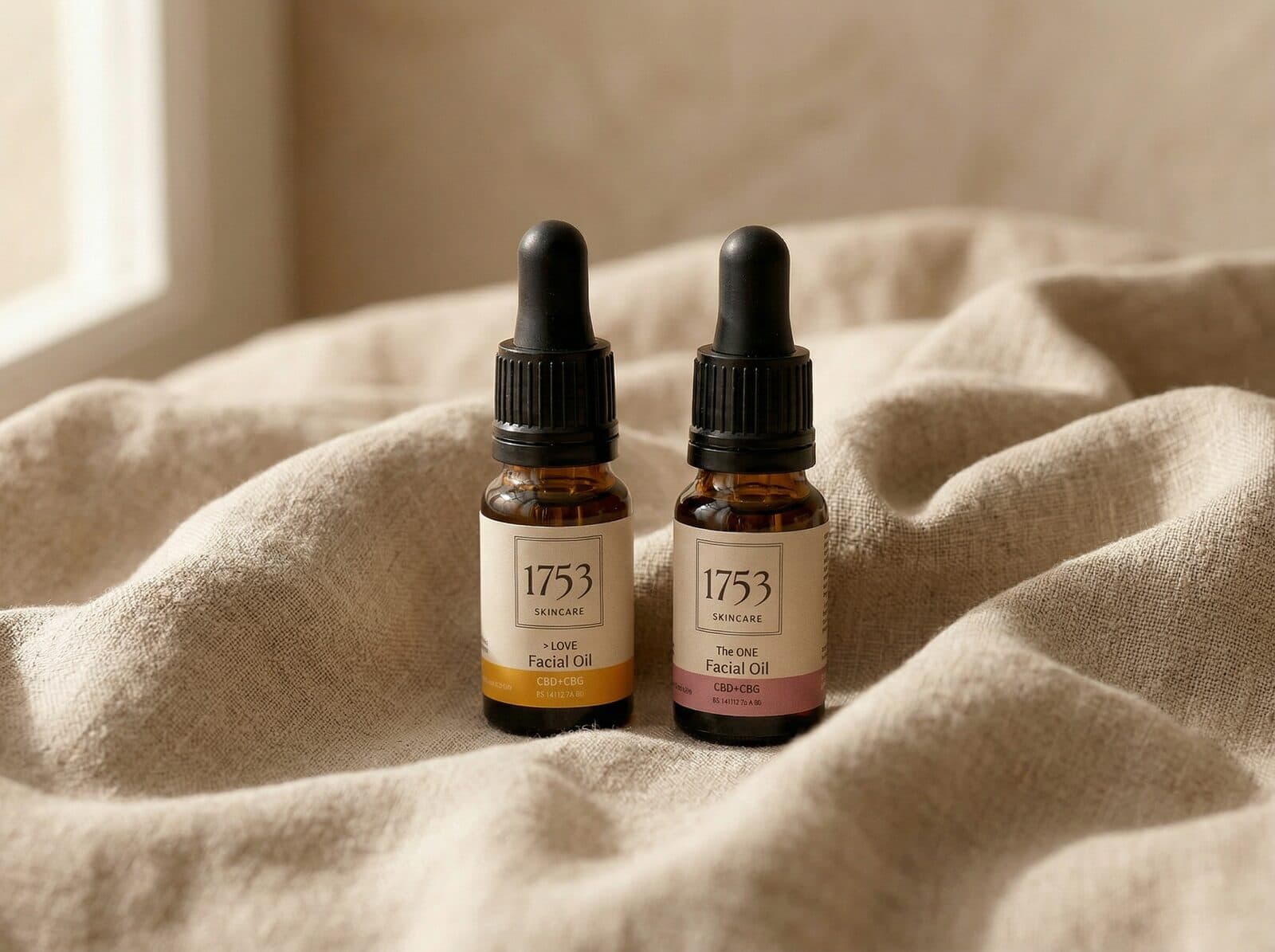
If you want fewer triggers, the goal is not perfection — it is choosing products that do less unnecessary work. The DUO kit is a good example: The ONE and I LOVE follow a short, clear formula with most of the controversial extras left out and no unnecessary preservatives complicating the picture.
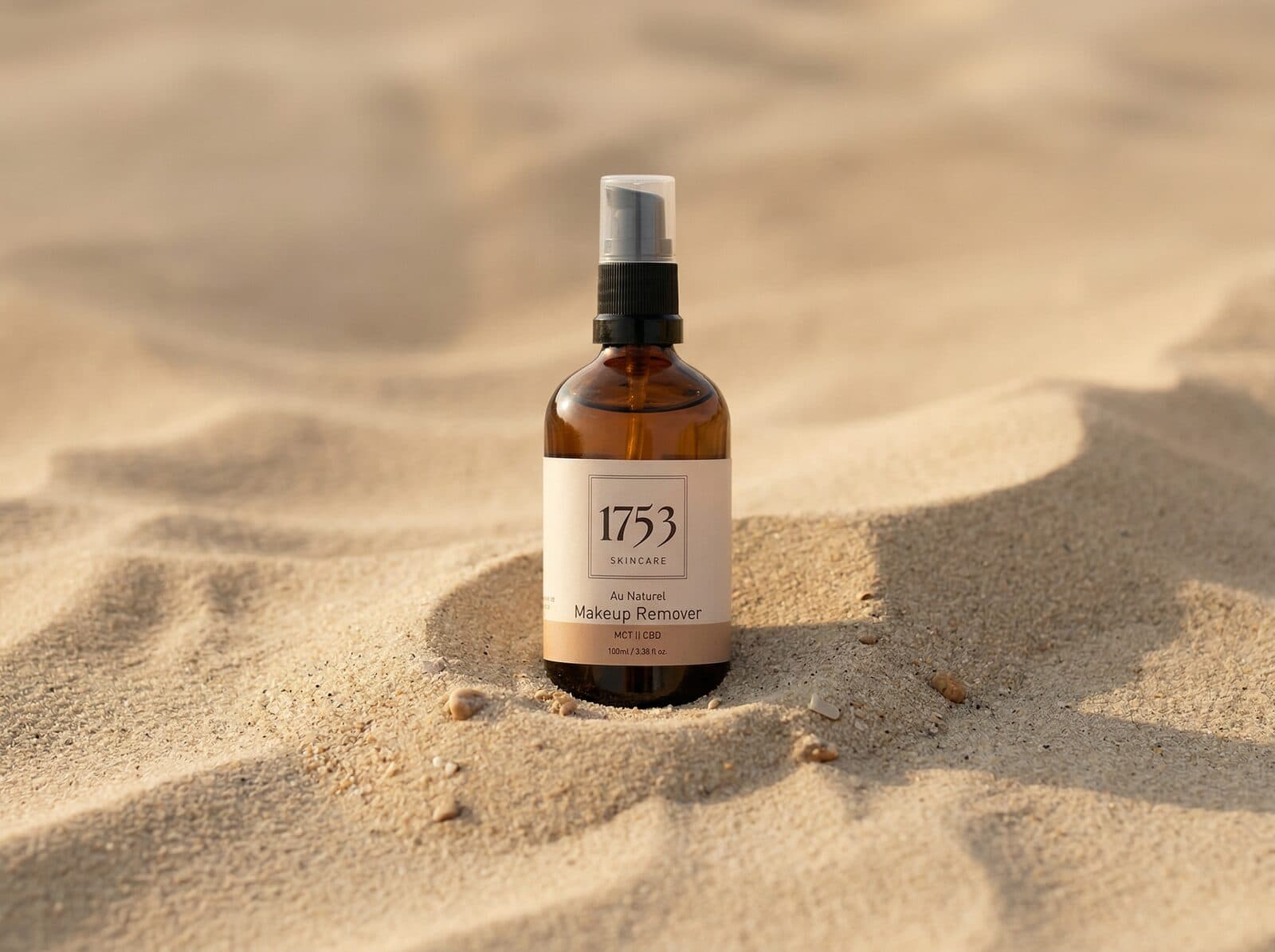
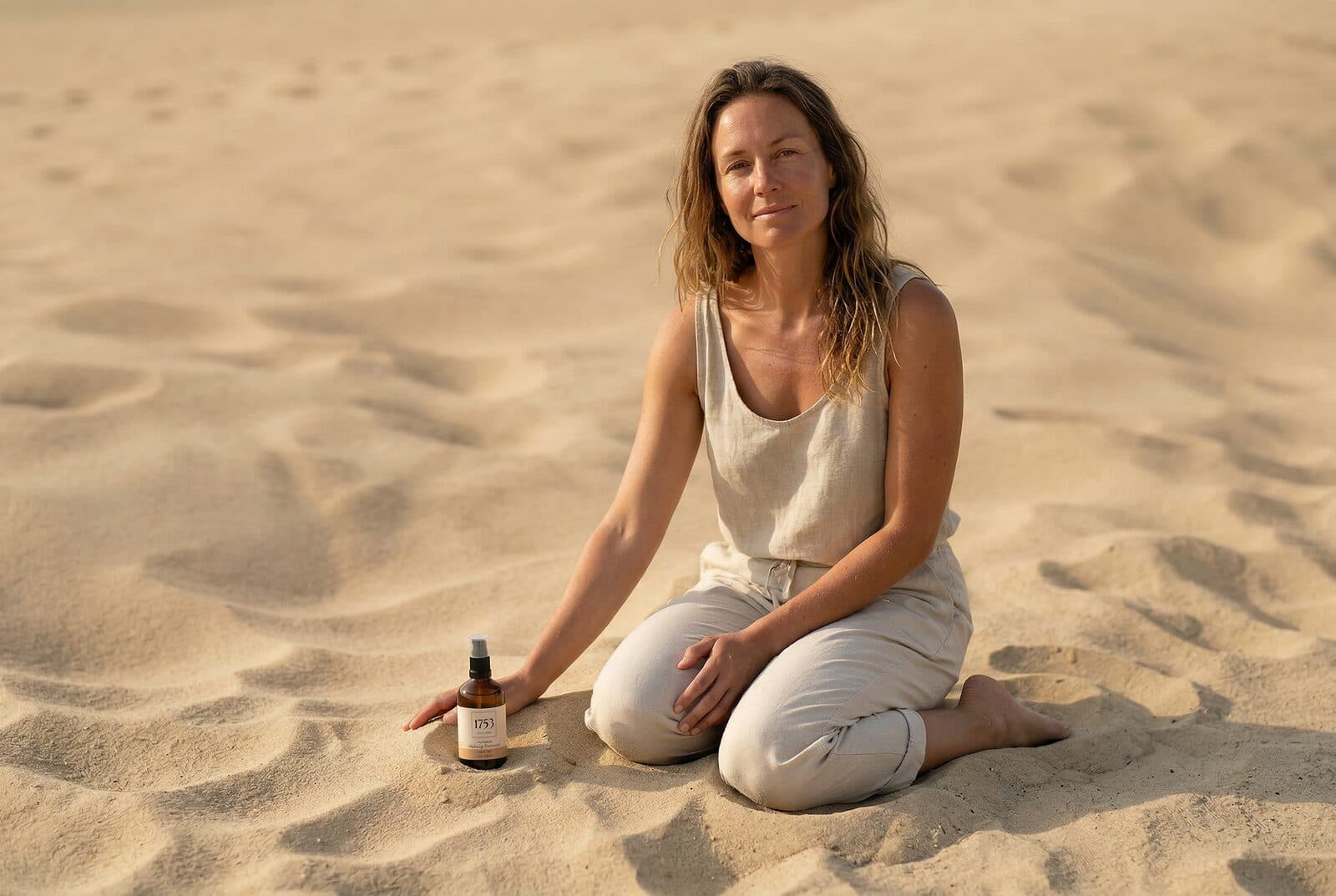
For cleansing, Au Naturel Makeup Remover is equally direct. MCT oil is enough when you want to dissolve makeup without adding more variables than needed. A gentler cleanse often means less chance of turning already-sensitive skin into a bigger problem.
That is the 1753 mindset: give skin fewer reasons to protest. Choose formulas with short ingredient lists, pay attention to how your skin actually feels, and let products work with your barrier rather than against it. In many cases, that kind of simplicity is what feels best long term.

Frequently asked questions
Are formaldehyde releasers always harmful?
No, not automatically. Many people tolerate products with formaldehyde releasers just fine, but if you have sensitive skin or past contact dermatitis, they may be worth avoiding or testing carefully.
Why are dmdm hydantoin and similar ingredients used?
They help protect a product from microbial growth in low amounts and extend shelf life. That is practical, but not necessarily the most skin-friendly choice for everyone.
Is a 'natural' nail glue better?
Not by default. 'Natural' on the label tells you very little about how skin will react. Read the ingredient list and trust your own tolerance, especially if your fingers or nail folds get irritated easily.
How do I know if preservation is the issue?
If you notice redness, stinging, itching or small bumps soon after use, that can be a clue. But fragrance, acids or other irritants may be involved too, so simplifying the routine is usually the smartest next step.
Sources
- Proksch E, Brandner JM, Jensen JM. The skin: an indispensable barrier. Exp Dermatol 2008;17(12):1063–1072.
- Byrd AL, Belkaid Y, Segre JA. The human skin microbiome. Nat Rev Microbiol 2018;16(3):143–155.
Article reviewed by Christopher Genberg, founder of 1753 SKINCARE.
Related articles
Myth Busting
Are parabens dangerous – or just overblamed?
Parabens have picked up a pretty heavy reputation in skincare conversations. People often hear about...
Myth Bust
Alcohol in skincare – not always the villain
A lot of people learn one simple rule: if they see alcohol on an ingredient list, they should avoid ...
Myth Buster
Sulfates skin – not the villain, not always the fit
Sulfates often get blamed for everything from dryness to breakouts. But the truth is more nuanced: S...
Ingredient Portrait
mct oil skin – light, clean, surprisingly clever
MCT oil is not just another oil sitting on top of your face. It’s fractionated coconut oil built aro...
Ingredient Portrait
Vitamin e skin – the quiet shield
Vitamin E is one of skincare’s most misunderstood ingredients. It doesn’t act like a flashy quick fi...
Ingredient Portrait
aha bha risks – when smooth skin becomes a bad deal
AHA, BHA and PHA can brighten skin fast, but they can also fool you. What looks like progress is som...