
Trend
Face icing – cold trick, cold logic
You’ve seen it everywhere: face in ice-cold water, a quick cooling ritual, and promises of less puffiness. Face icing can feel refreshing and create an instant visual change, but your skin is not always as impressed as your mirror. The real question is not just whether it works, but when it helps and when it turns into skin stress.

Is face icing smart, or just a shock?
The logic behind face icing is simple: cold causes vasoconstriction, meaning the blood vessels narrow. That can temporarily reduce redness and swelling, especially if you wake up puffy, feel overheated, or had a salty night and a short sleep. In a clip, that effect looks dramatic almost instantly.
But there’s a catch. When skin gets hit with strong cold, it may respond by sending blood back quickly, which can create a rebound-flush – more redness once the cold wears off. For sensitive, reactive, or already inflamed skin, that shock can feel less like soothing and more like provoking. Research on cold exposure mainly supports short-term vessel constriction and symptom relief, not some long-term skincare miracle.
So yes, face icing can be a tool. But it is not skincare on its own, and it is definitely not a free pass for harsh routines the rest of the day. If your skin is already stressed by too much exfoliation, aggressive cleansing, or too many actives, that is often the real place to start. Try it with curiosity, not with a bootcamp mentality.
How to test it without overdoing it
Start short
Dip your face in ice-cold water for a few seconds, not minutes. Repeat only once if your skin feels fine afterward. The goal is to observe, not to endure.
Use it in the morning
Try it when you’re puffy, not when your skin is already red or irritated. After a bad night of sleep or a salty dinner, the effect is usually clearer, but still temporary.
Avoid overheating
If you’ve just trained hard or taken a hot shower, your skin is extra reactive. Let your body cool down first, otherwise the contrast is bigger and rebound-flush becomes more likely.
Skip it on reactive skin
Rosacea, eczema, and easy flushing are not a stage for harsh hacks. If cold tends to sting, burn, or make you more blotchy, that’s a clear no for now.
Build the base
Face icing works best on skin that is already calm and supported. A minimalist routine with gentle cleansing and barrier-friendly care will do more than another trend that comes and goes.

How to actually solve it
If you like the effect of face icing, treat it as an extra – not the foundation. The 1753 philosophy is the opposite: start by leaving your skin alone. Au Naturel Makeup Remover gives you a mild cleanse without stripping away everything that keeps skin calm. That is often where trend clashes begin: too much friction, too little respect.
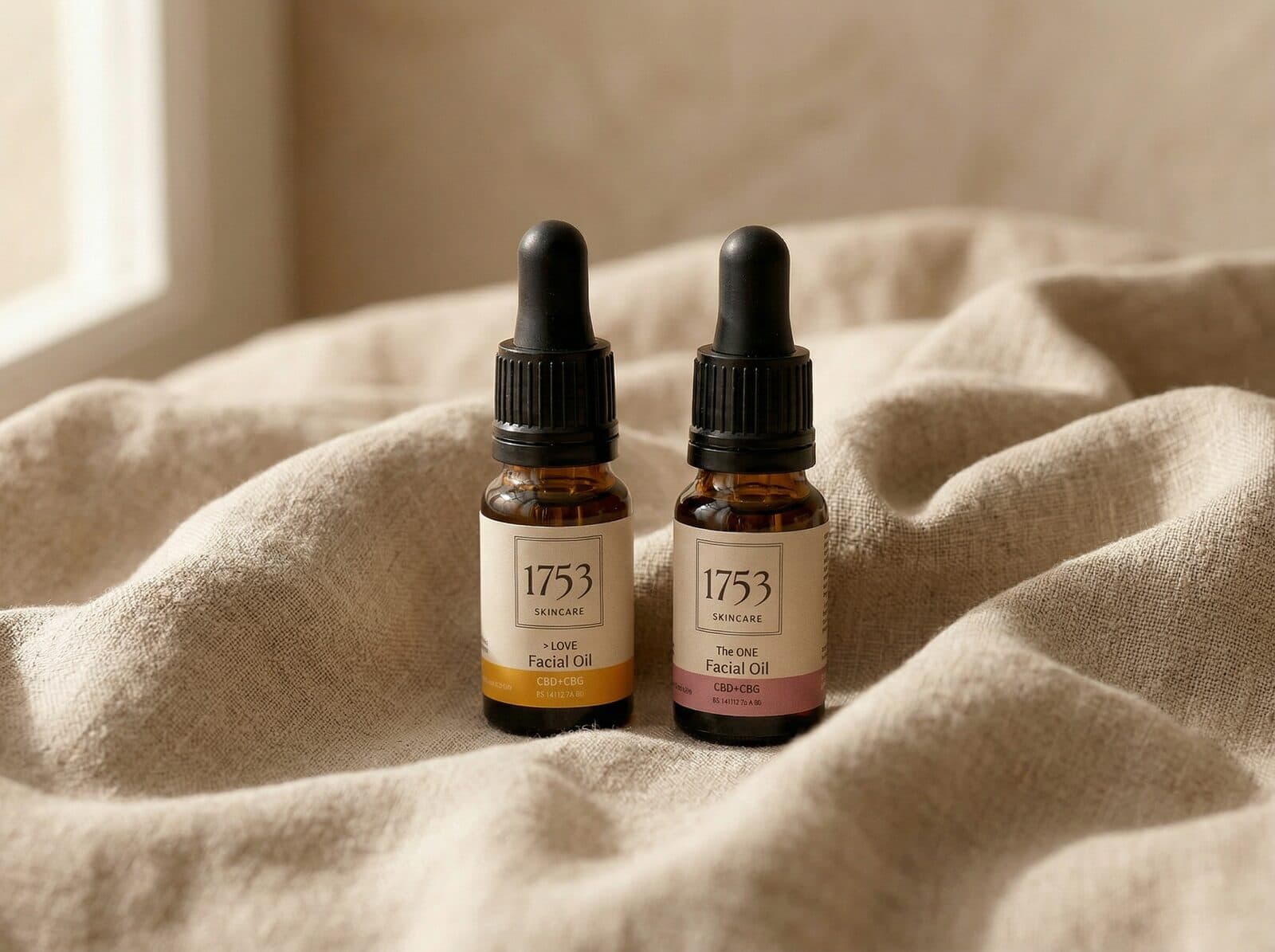
Once the base is calm, move to the DUO-kit: The ONE and I LOVE. Together they give you the full cannabinoid spectrum and make sense when skin needs regulation, not another shock. The ONE helps skin feel more balanced, while I LOVE is the serum you reach for when irritation and small breakouts start taking over.
If you want to add something more advanced on top, Ta-DA serum is the obvious next step – an antioxidant cocktail with CBG and adaptogens for skin that does not need more hard gestures. The point is simple: the minimalist trio Au Naturel → DUO-kit → Ta-DA serum is the foundation. Face icing can stay a trend you test occasionally, but not a replacement for skin that actually behaves in daily life.
Products we recommend
 Save €34
DUO kit
Two face oils, one for morning and one for evening. Simple skincare that works with your skin, not against it.
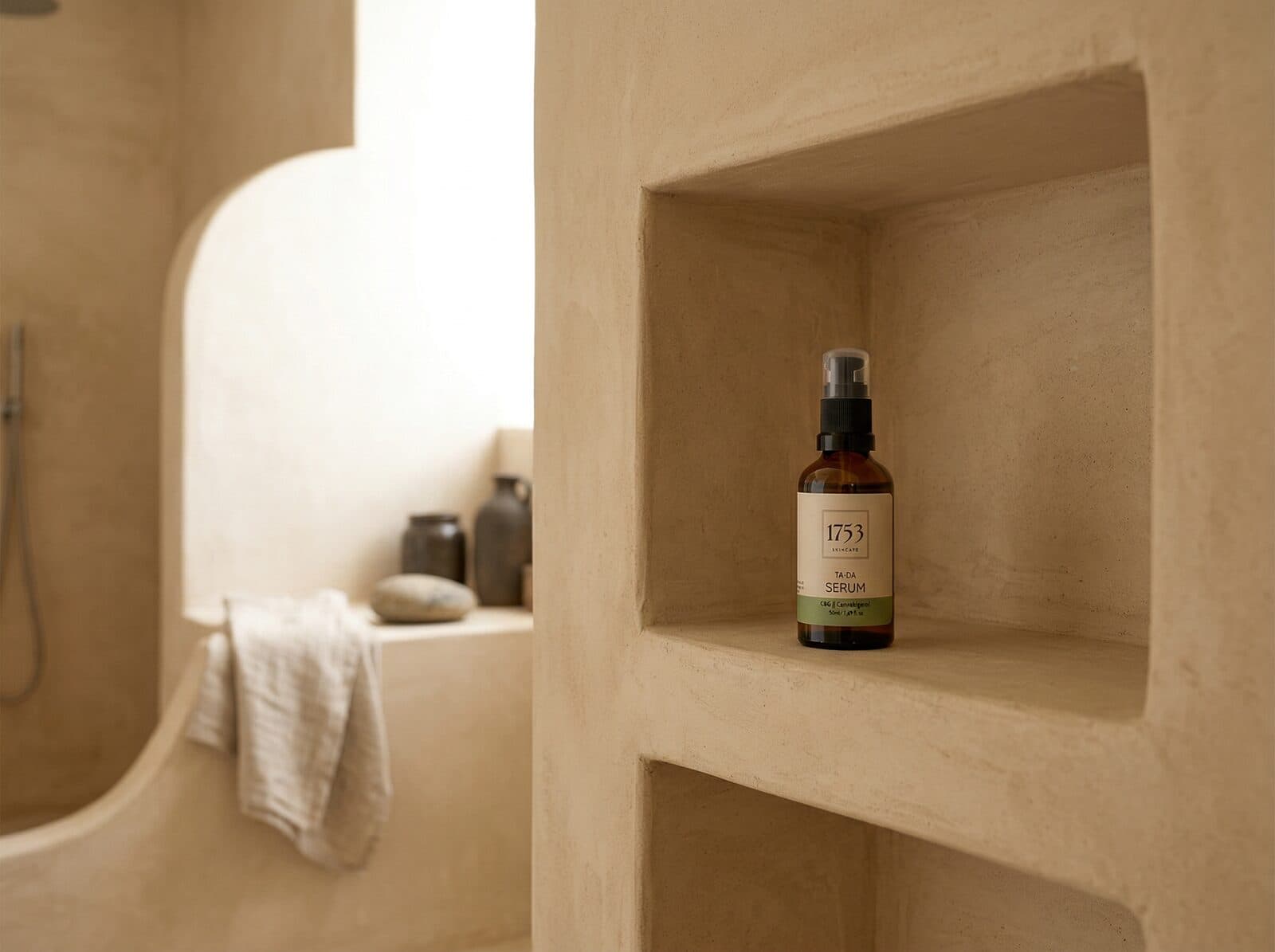
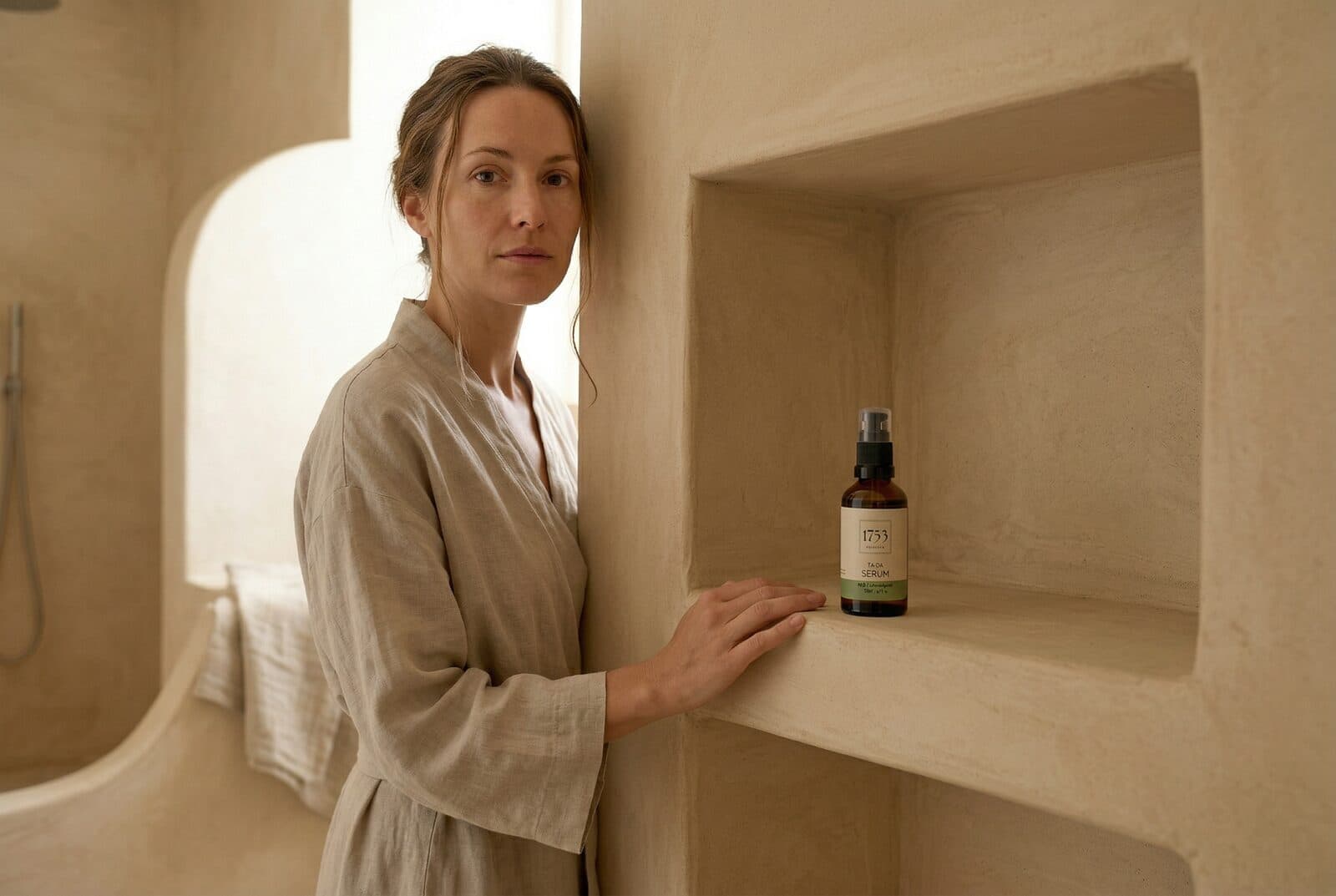
TA-DA Serum
A CBG-powered serum that seals in moisture and adds glow, whatever the season.
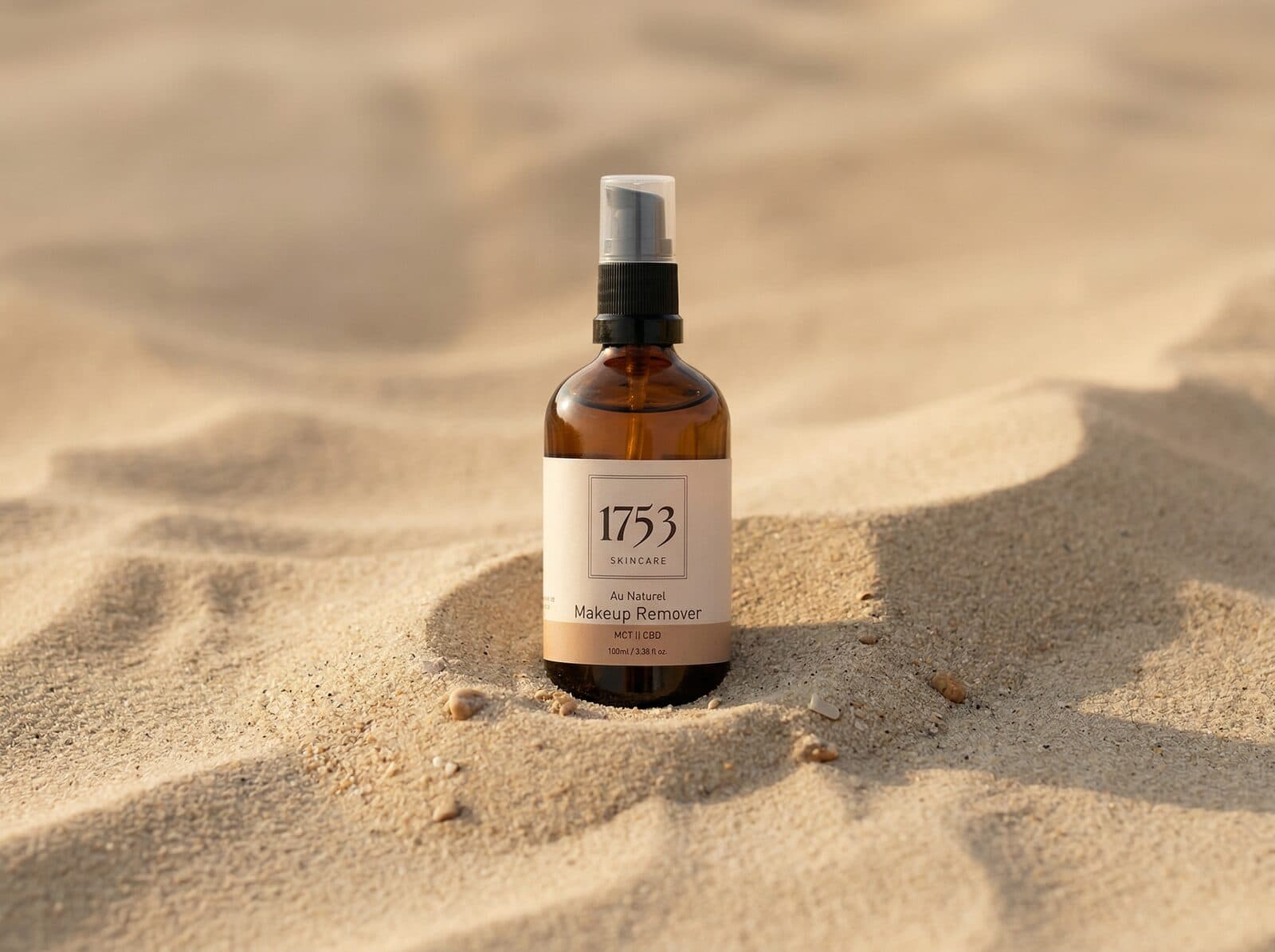
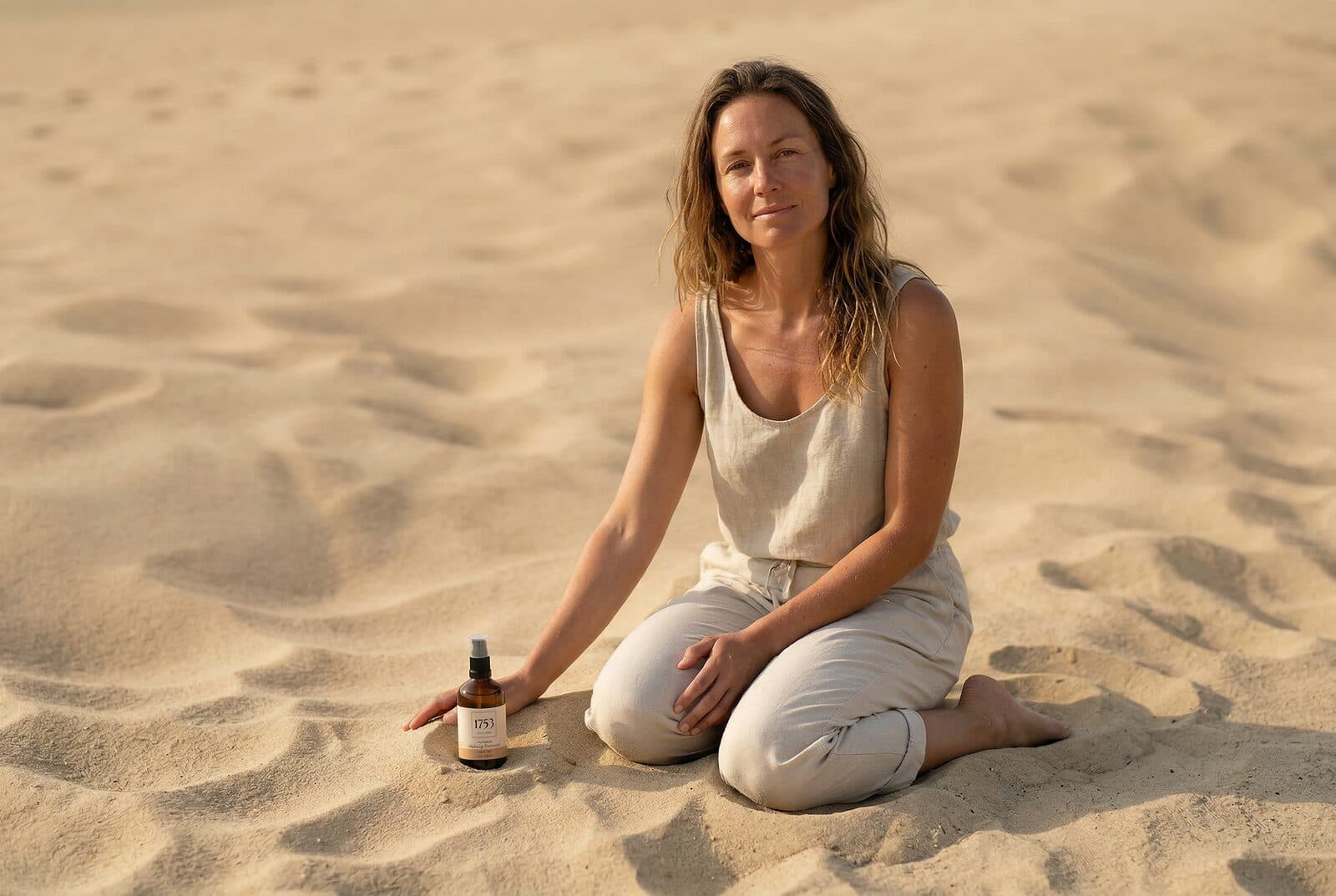
Au Naturel Makeup Remover
A cleansing oil with MCT and CBD that removes makeup and buildup without stripping your skin bare.
Frequently asked questions
Does face icing help with puffiness?
Often, yes, but only briefly. Cold narrows blood vessels and can reduce puffiness for a little while, especially in the morning. The effect is visual and temporary, not a fix for the reason you were swollen in the first place.
Can face icing make redness worse?
Yes, for some people. When vessels constrict and then reopen, you can get rebound-flush, meaning the skin turns redder afterward. It is more common if your skin is already sensitive or inflamed.
Is ice directly on skin better than cold water?
Ice directly on skin is usually harsher than needed. Ice-cold water is easier to control and generally gentler. If you test it, keep it short and stop if your skin feels tight, prickly, or more red.
What if face icing does not suit my skin?
Skip it. There is no point in winning a trend and losing your skin. Build a calm base with Au Naturel, DUO-kit, or Ta-DA serum depending on what your skin actually needs.
Sources
- Bíró T, Tóth BI, Haskó G, Paus R, Pacher P. The endocannabinoid system of the skin in health and disease. Trends Pharmacol Sci 2009;30(8):411–420.
- Prescott SL, Larcombe DL, Logan AC, et al. The skin microbiome: impact of modern environments on skin ecology, barrier integrity, and systemic immune programming. World Allergy Organ J 2017;10(1):29.
Article reviewed by Christopher Genberg, founder of 1753 SKINCARE.
Related articles
Trend
Slugging skincare – moisture lock or trap?
Slugging sounds almost too easy: seal everything in at night and wake up softer. Sometimes that’s ex...
Trend
Skin cycling - a neat name for simple logic
Skin cycling took off because it sounds like structure in a skincare world that often does too much....
Trend
Skin flooding – when more starts to feel like less
Skin flooding became a fast favorite for serum lovers: layer after layer of hydration, often on damp...
Ingredient Portrait
cbd for skin – less noise, more balance
CBD for skin is interesting because it doesn’t try to bully the skin into behaving. It works with th...
Ingredient Portrait
cbg for skin – the mother cannabinoid that calms and renews
CBG usually lives in CBD’s shadow, but skin can tell the difference. This is the cannabinoid that ma...
Ingredient Portrait
Jojoba oil skin – wax that works with you
Jojoba oil is not a regular oil, and that is exactly why people keep coming back to it. It comes fro...