
Recovery
Post antibiotics skin – when your face feels out of sync
A course of antibiotics can do exactly what it should, while your skin quietly pays the price. Tightness, flare-ups, new sensitivity, weird breakouts — it happens. Often it’s a mix of microbiome disruption, a stressed barrier and sometimes gut dysbiosis showing up on the face.

Why does skin go strange after antibiotics?
Antibiotics are blunt tools. They don’t just affect the bacteria you wanted to target; they can also shift the balance of the skin and body microbiome. When that ecosystem is disturbed, the barrier can become leakier, inflammation easier to trigger, and skin more reactive to products it used to tolerate.
There’s also a real gut-skin conversation going on. Gut dysbiosis can change immune signaling, which may show up as redness, congestion or sensitivity. Some people also notice candida overgrowth or other imbalance-type symptoms after a course. It’s not a one-size-fits-all story, but it’s enough to explain why post antibiotics skin often feels like it’s lost its rhythm.
The usual mainstream response is to scrub harder, exfoliate more and throw actives at the problem. That’s often the opposite of what a compromised barrier wants. What the skin usually needs here is repair, calm and reinoculation — a chance to rebuild its own steadiness instead of being pushed around.
What actually helps right now?
Cleanse gently
Choose a cleanser that removes sunscreen, sweat and grime without stripping the skin. Au Naturel Makeup Remover with MCT oil is a soft reset, not a skin attack.
Keep the evening calm
If your skin burns, tingles or flushes easily, simplify the night routine. A CBG serum can help bring the temperature down without adding clutter.
Protect the barrier
After antibiotics, skin often needs lipids and comfort more than acids. Think support first, correction later. A calmer barrier usually means fewer surprise reactions.
Repeat the same steps
Skin loves predictability when everything else has been a bit chaotic. Keep your routine short and consistent for at least two weeks before deciding what’s working.
Support the bigger picture
If your digestion also feels off, it may be worth thinking microbiome-wide. A daily mushroom supplement can be an easy habit when you want support without turning recovery into a project.

A three-minute routine that makes sense
This is not the moment for a 10-step comeback plan. In the morning, Au Naturel Makeup Remover gives you a gentle cleanse with MCT oil that clears the overnight layer without stripping the skin further.
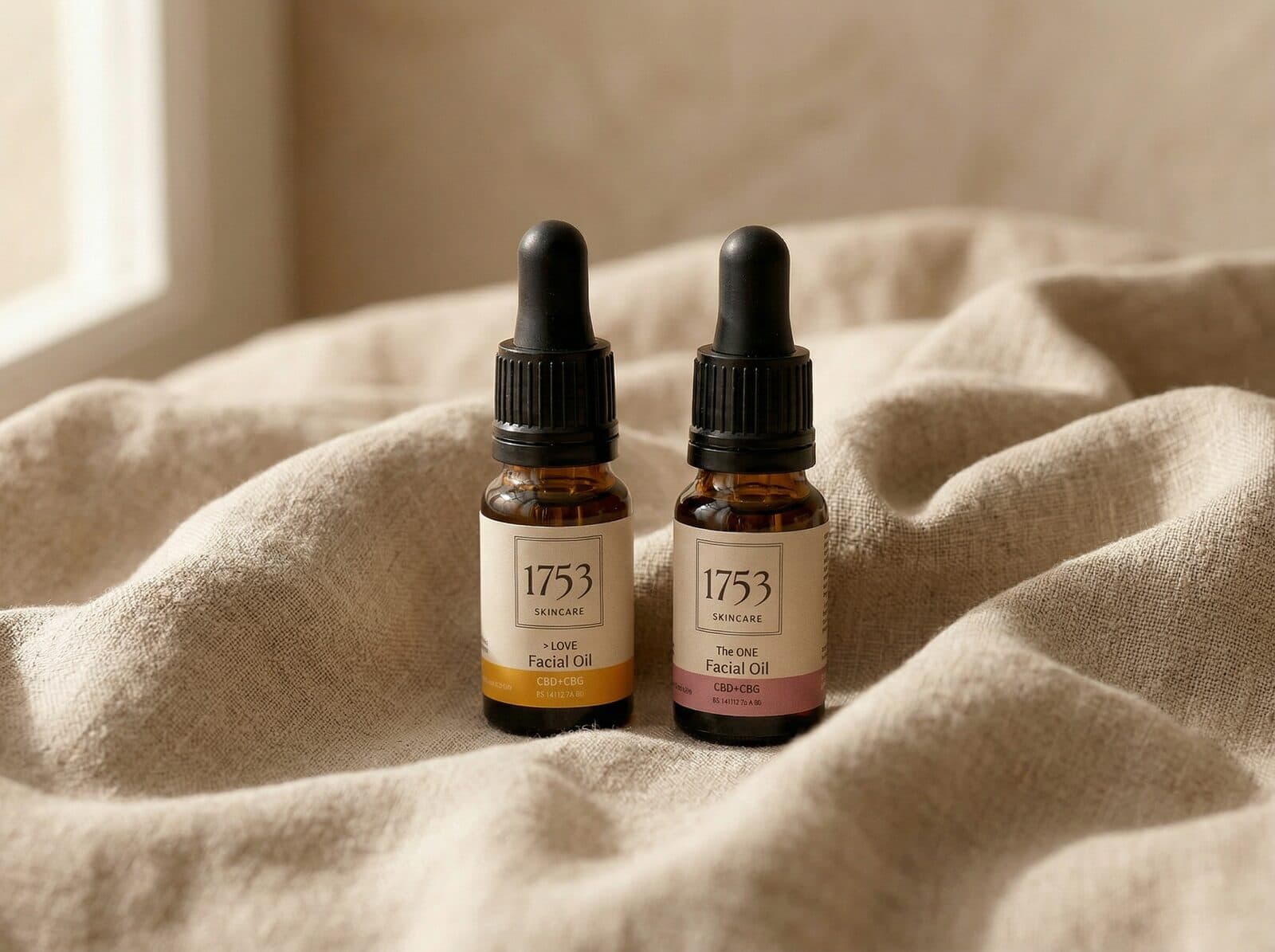
At night, the DUO kit is the obvious move: The ONE to bring in skin-regulating oils, and I LOVE for calming, antibacterial support when your face feels reactive or unsettled. Together they deliver a full cannabinoids spectrum in a way that feels practical, not precious.
At breakfast, Fungtastic Mushroom Extract fits naturally into the wider recovery picture when you want to support the body from the inside too. It’s a simple reinoculation mindset: less stripping, more steadiness, and a routine you can actually keep up with. Three minutes, done properly, is often more useful than a whole shelf of “fixes”.
Products we recommend
 Save €34
DUO kit
Two face oils, one for morning and one for evening. Simple skincare that works with your skin, not against it.
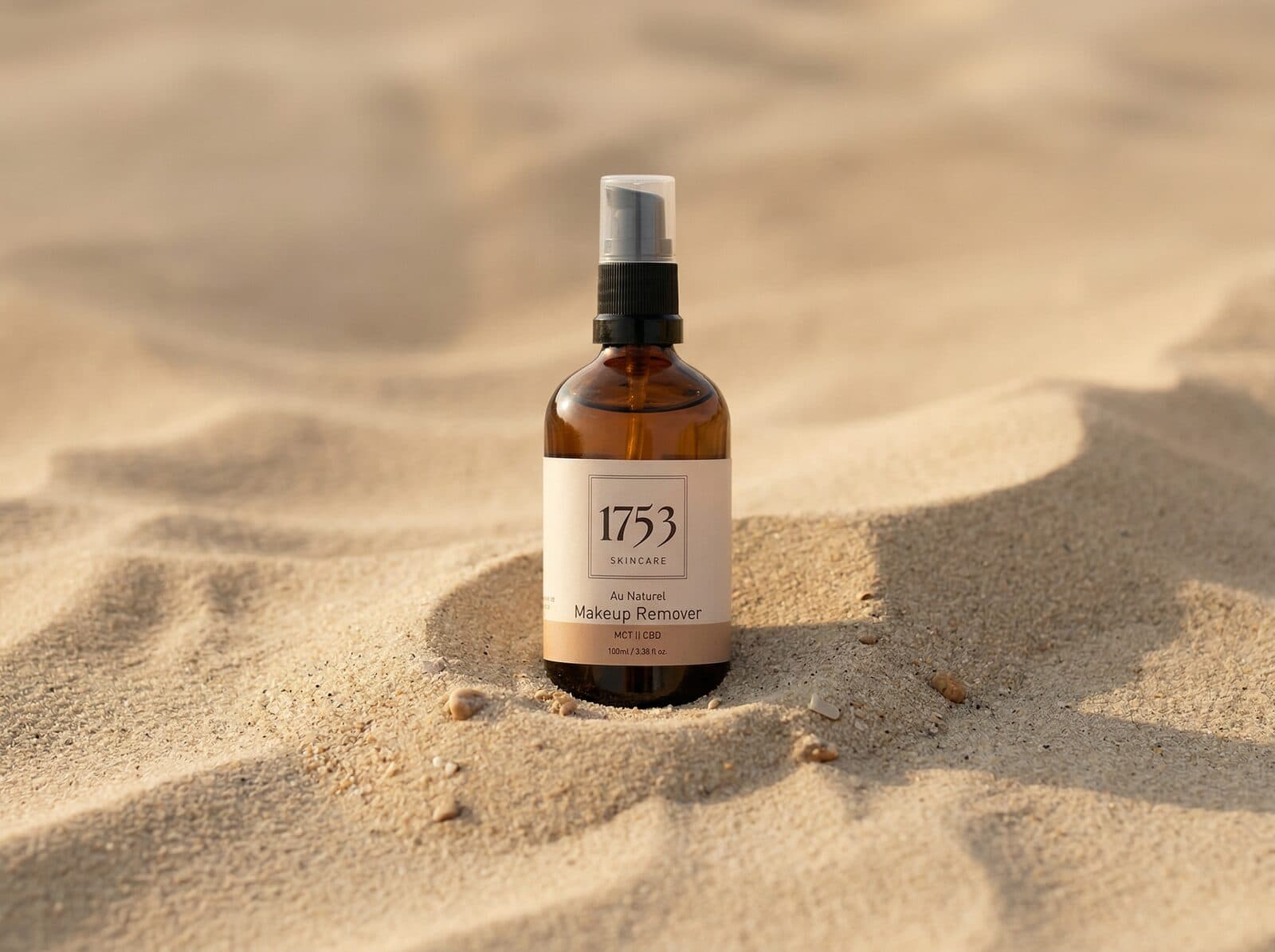
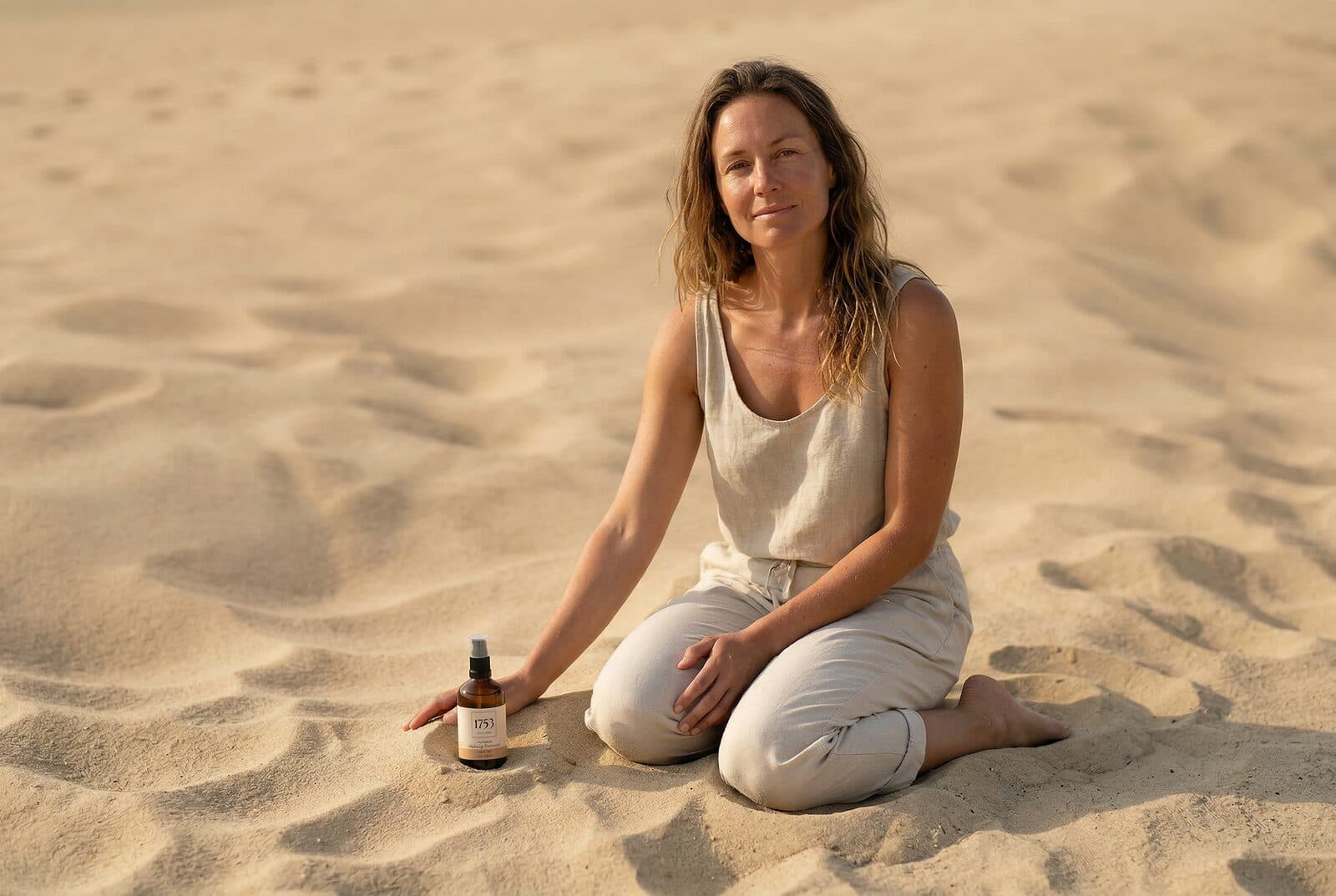
Au Naturel Makeup Remover
A cleansing oil with MCT and CBD that removes makeup and buildup without stripping your skin bare.
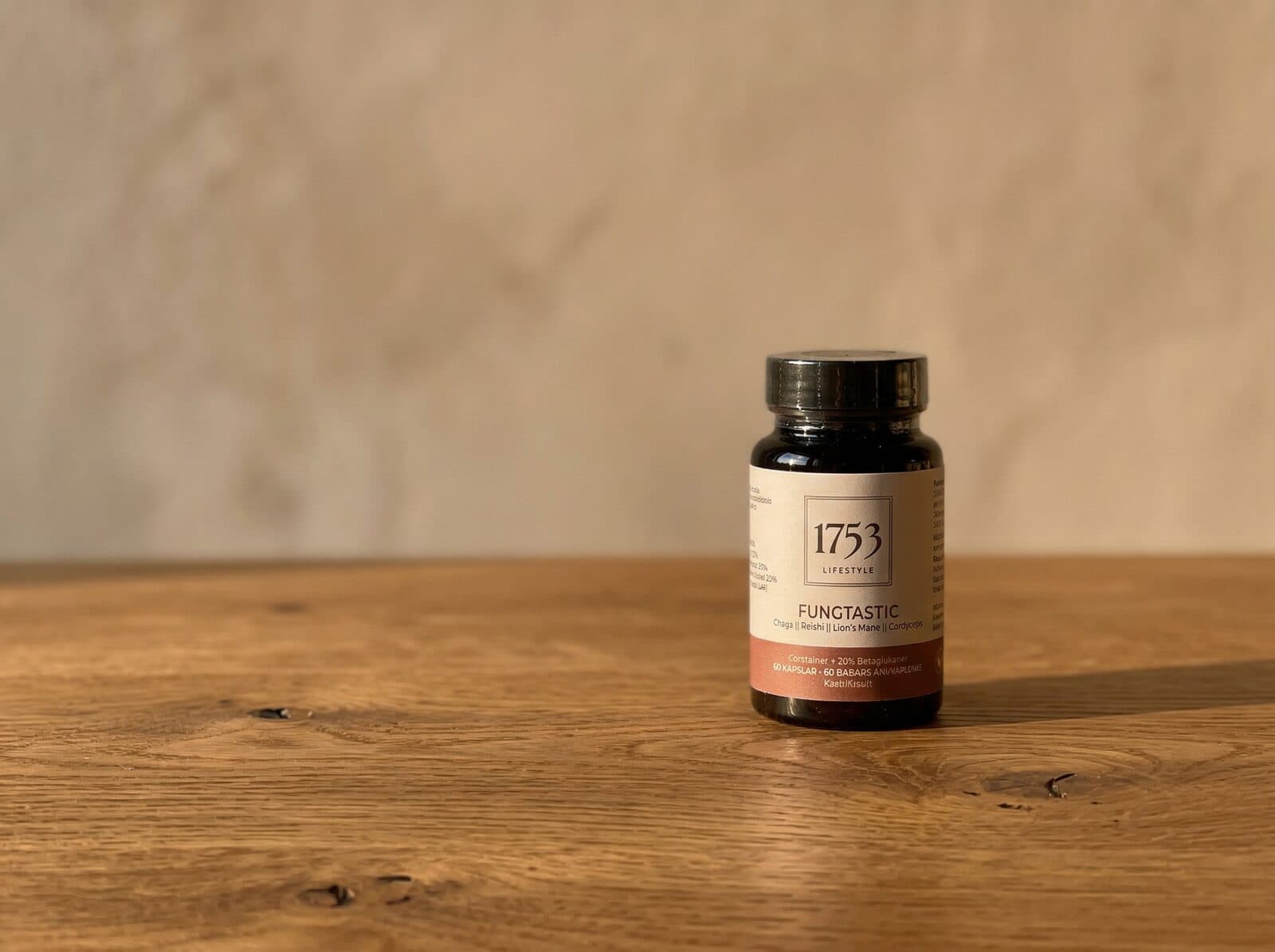
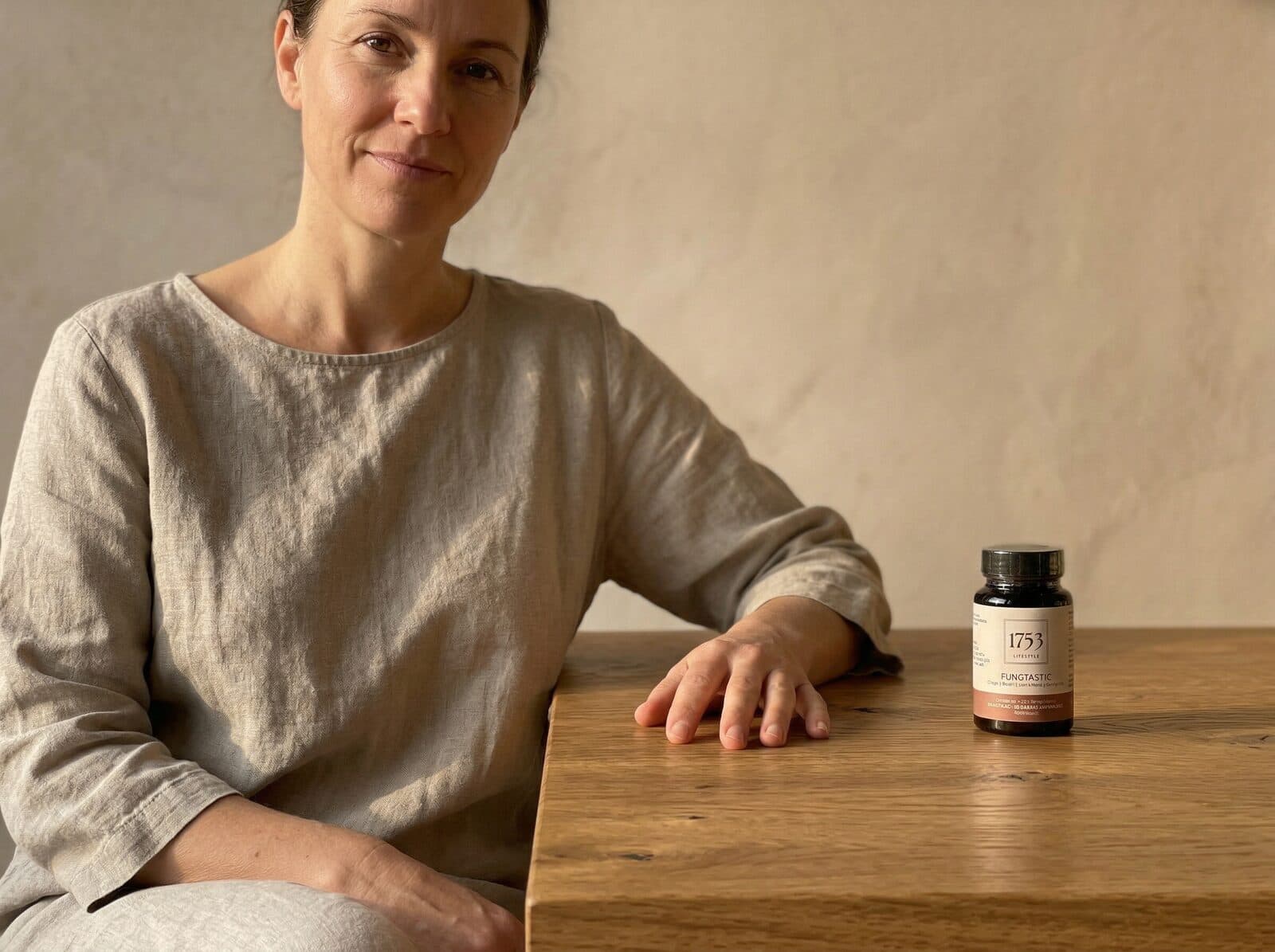
Fungtastic Mushroom Extract
Four mushrooms in one formula to support immunity, focus, energy and sleep from within.
Frequently asked questions
How long can post antibiotics skin last?
It depends on the person and on how disrupted the barrier and microbiome became. Some skin settles within weeks, while others need a longer period of very basic care before it feels normal again.
Should I stop all active ingredients?
Not necessarily forever, but it’s often smart to pause harsh acids and frequent exfoliation while skin is still reactive. A compromised barrier usually benefits more from calm than from more stimulation.
Can gut dysbiosis show up on the skin?
Yes, the gut and skin are connected through immune and inflammatory pathways. It doesn’t mean every skin issue starts in the gut, but the two often influence each other more than people expect.
What does reinoculation mean here?
It means helping the skin regain a more balanced microbial environment with gentle cleansing, supportive care and less interference. In plain English: stop fighting the skin and start letting it reset.
Sources
- Chen Y, Lyga J. Brain-skin connection: stress, inflammation and skin aging. Inflamm Allergy Drug Targets 2014;13(3):177–190.
- Engebretsen KA, Johansen JD, Kezic S, Linneberg A, Thyssen JP. The effect of environmental humidity and temperature on skin barrier function and dermatitis. J Eur Acad Dermatol Venereol 2016;30(2):223–249.
Article reviewed by Christopher Genberg, founder of 1753 SKINCARE.
Related articles
SCREEN TIME
screen time skin – when work shows up on your face
Full days in front of a screen don’t just live in your calendar. They show up in your skin: tightnes...
SHIFT WORK
Shift work skin – when your body and skin fall out of sync
Night shifts, early starts, random meals and sleep that never quite lands. Shift work skin often sho...
WorkSkin
Flight crew skin – when the cabin takes it all
Cabin humidity, long shifts and zone hopping are a rough mix for skin. It can feel tight, dull and i...
SYMPTOM
Itchy skin – why nights make it worse
You finally lie down, and then it starts. The itch that was manageable all day suddenly takes over y...
Symptom
Flaky skin – when your skin starts shedding
When skin starts lifting in little flakes, it’s tempting to assume it needs a stronger cleanser, ano...
Symptom
Dry skin around mouth – when the skin pushes back
It often starts as tightness, flaking or tiny red patches right around the mouth. Sometimes it sting...