
Myth-Busting
edta skin – stable on the label, less simple in real life
EDTA in skincare is often presented as a clever stabilizer that keeps a formula consistent and fresh. That is often true. But it does not mean the ingredient is irrelevant to question, especially when you weigh environmental impact, skin barrier concerns and formulas that are more complex than they need to be.

Is EDTA in skincare just the quiet helper in the background?
The myth is usually straightforward: disodium EDTA binds metal ions, helps protect a formula from oxidation and improves stability. That’s true. In some products it can also reduce interference from hard water or trace metals, which matters when a formula is delicate.
But the science is more nuanced. EDTA is a strong chelator and is considered difficult to break down in the environment, which is why environmental criticism keeps coming back. On skin, it is typically used at low levels, so for most people it is not a dramatic issue. Still, formulation choices matter: some complex systems, especially those trying to boost penetration or stabilize many actives, rely on more support ingredients than they really need.
That does not make EDTA “bad” in every case. It means it is fair to ask whether it is necessary at all. If a product can stay effective without extra layers of stabilizers, masking agents and chemical clutter, why not choose that route? That is where more pragmatic skincare begins.
What to look for
Read the INCI
Disodium EDTA often sits low on the list, but it is still worth noticing if it appears in nearly everything you use. More support ingredients do not automatically mean better skincare.
Ask what needs stabilizing
A stable formula is good, but stability should not be an excuse for overbuilt products. If a product only needs to be simple and gentle, less is often enough.
Be wary of penetration claims
Chelators can affect how other ingredients behave in certain systems, but “more penetration” is not always a win for the skin. A calm barrier rarely benefits from aggressive optimization.
Prefer shorter ingredient lists
A shorter ingredient list is not a religion, but it makes it easier to see what you are actually putting on your skin. It also usually reduces unnecessary trade-offs.
Think beyond your face
If you use something every day, the environmental angle matters too. Small choices add up, especially when you can choose formulas that do not depend on controversial extras.

How to make it simpler for real
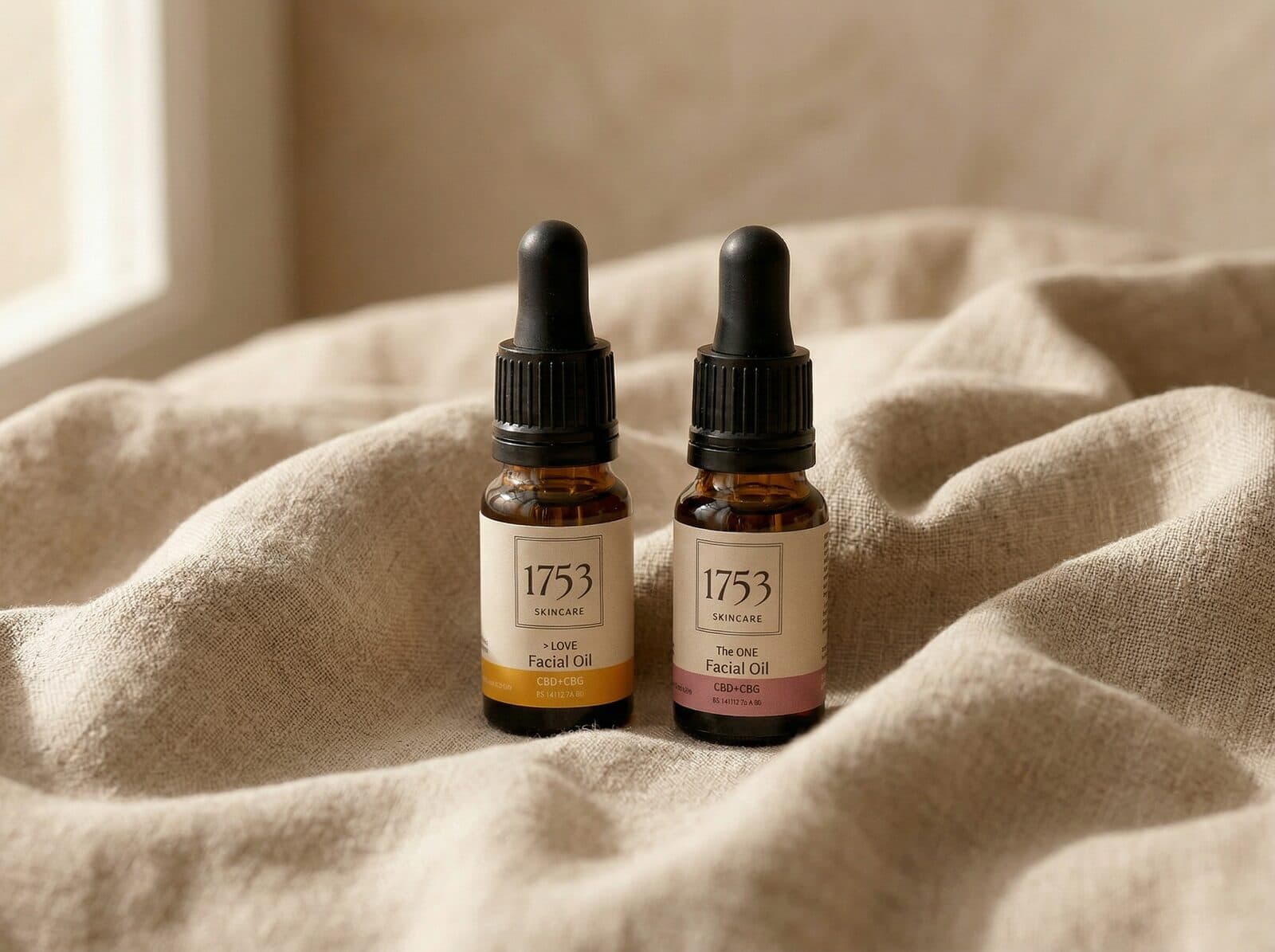
1753 starts from a plain idea: skincare should do its job without hiding behind layers of unnecessary technique. That is why the DUO kit with The ONE and I LOVE is built to feel simple, honest and skin-friendly, with a full cannabinoids-spectrum approach in a formula that does not need EDTA to feel relevant.
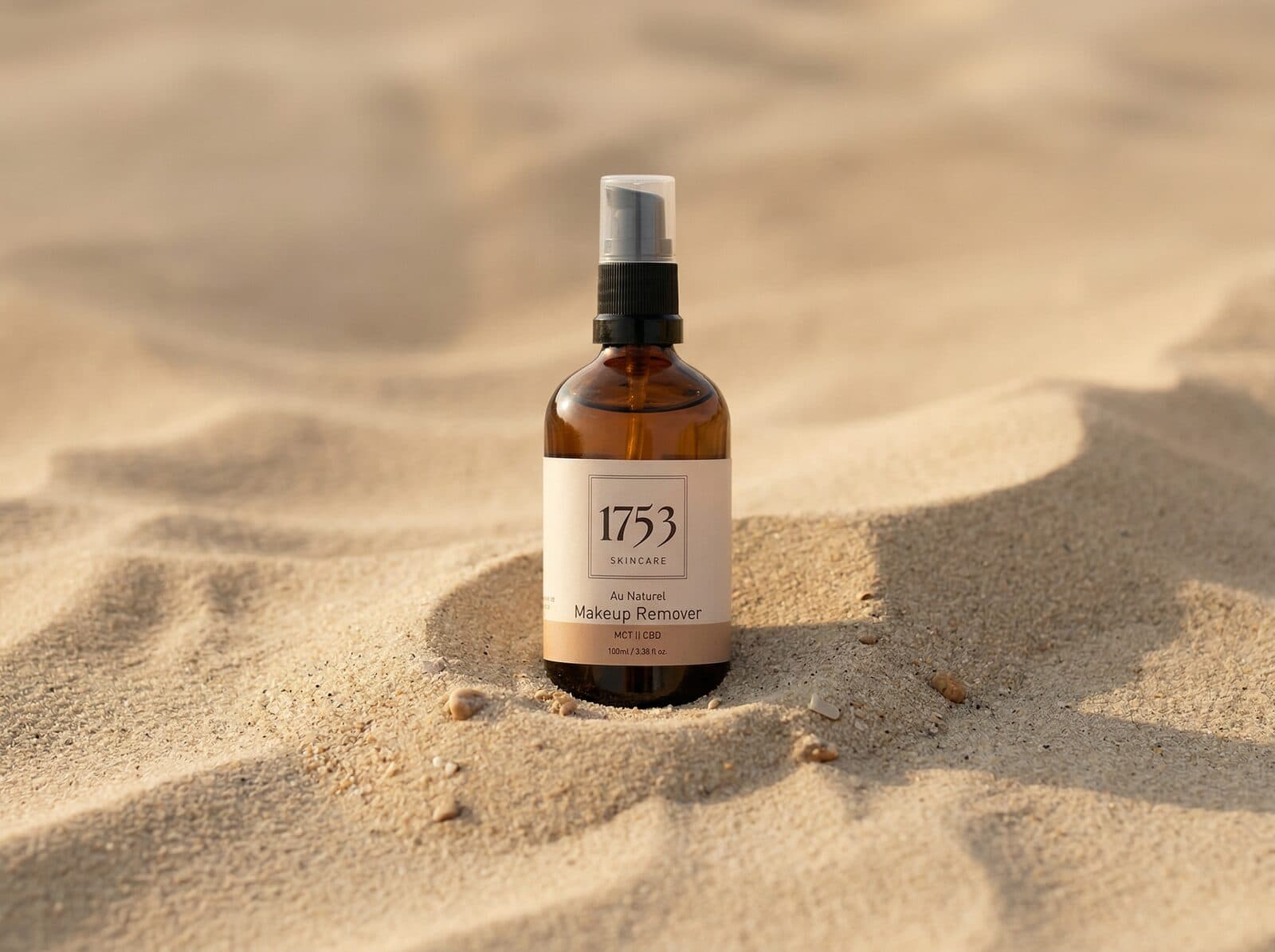
For cleansing, Au Naturel Makeup Remover is a clear counterpoint to overcomplicated skincare. MCT oil gives gentle cleansing without a long chain of preservatives and stabilizers. Short ingredient list, no unnecessary preservatives, less friction for the skin and less chemical clutter to think about.
If you want to build from there, I LOVE and The ONE work as a calm pairing: the CBG serum to support a more balanced feel, and the face oil to help the skin stay regulated. It is not a crusade against EDTA itself. It is simply a choice for formulas that let skin breathe without extra noise.


Frequently asked questions
Is EDTA always a problem in skincare?
No. In many products it is used in small amounts to stabilize the formula. The real question is whether it is needed, and whether you prefer simpler formulas with less environmental baggage.
Can EDTA penetrate the skin?
At normal skincare levels, it is mainly a formulation ingredient. The skin barrier limits uptake strongly, but that does not mean you have to welcome it if a simpler alternative exists.
Why is EDTA criticized environmentally?
Because EDTA is hard to degrade and can end up in waterways. That keeps it in the sustainability conversation, especially in products used every day.
Do chelators make products better?
Sometimes, but not always. They can improve stability and reduce metal sensitivity, but a good formula can also be built with fewer compromises. It depends on the product’s goal and ingredient choices.
Sources
- Proksch E, Brandner JM, Jensen JM. The skin: an indispensable barrier. Exp Dermatol 2008;17(12):1063–1072.
- Byrd AL, Belkaid Y, Segre JA. The human skin microbiome. Nat Rev Microbiol 2018;16(3):143–155.
Article reviewed by Christopher Genberg, founder of 1753 SKINCARE.
Related articles
Myth Busting
Are parabens dangerous – or just overblamed?
Parabens have picked up a pretty heavy reputation in skincare conversations. People often hear about...
Myth Bust
Alcohol in skincare – not always the villain
A lot of people learn one simple rule: if they see alcohol on an ingredient list, they should avoid ...
Myth Buster
Sulfates skin – not the villain, not always the fit
Sulfates often get blamed for everything from dryness to breakouts. But the truth is more nuanced: S...
Ingredient Portrait
mct oil skin – light, clean, surprisingly clever
MCT oil is not just another oil sitting on top of your face. It’s fractionated coconut oil built aro...
Ingredient Portrait
Vitamin e skin – the quiet shield
Vitamin E is one of skincare’s most misunderstood ingredients. It doesn’t act like a flashy quick fi...
Ingredient Portrait
aha bha risks – when smooth skin becomes a bad deal
AHA, BHA and PHA can brighten skin fast, but they can also fool you. What looks like progress is som...