
Trend
double cleansing – smart ritual or just more cleansing?
Double cleansing sounds sensible: first oil, then water. It’s a classic K-beauty idea that can work beautifully when you wear SPF, makeup, or a full day of city grime. But for dry, sensitive, or already stressed skin, it can also become one extra step that only increases drying-risk.

Does skin really need two cleanses?
The logic behind double cleansing is simple: an oil-based cleanser dissolves fat-soluble residue like SPF, makeup, and sebum, while a water-based cleanser removes what’s left. It’s not magic, just chemistry. For some skin types, that’s genuinely useful, especially after water-resistant sunscreen or long-wear makeup.
But this is where the dogma creeps in. If your cleanser already does the job, or you barely wear anything that clings to skin, an extra step can disturb the skin barrier more than it helps. Studies on cleansing show that over-washing can increase transepidermal water loss and leave skin more reactive. “Clean” can quickly become tight, dry, and annoyed.
So the real question isn’t whether double cleansing is good or bad. It’s what you’re trying to remove, and how much cleansing your skin can actually handle. If you’re curious, it’s worth testing. If your face already feels stripped after washing, you probably don’t need more steps—you need gentler ones.
How to try it without drying out
Start with oil
Massage a gentle oil-based cleanser onto dry skin for 30–60 seconds. It helps break down SPF, makeup, and sebum without rubbing. Rinse with lukewarm water, not hot.
Add water only if needed
If you wore heavy sunscreen, makeup, or spent a long day outside, a second water-based cleanse can make sense. If you were mostly at home, a single mild cleanse is often enough.
Keep your hand light
Skip brushes, scrubs, and harsh formulas on the same night. Double cleansing should dissolve residue, not scrub your skin into submission.
Let skin answer
If your skin feels soft and calm afterward, good. If it feels tight, warm, or red, that’s a sign the routine is doing too much, not too little.
Test it honestly
Try it for a few evenings under the same conditions: SPF, makeup, weather, stress. Then you’ll know whether double cleansing actually helps or just feels trendy.

Here’s how 1753 keeps it simple
At 1753, we start with the foundation, not the fad. Au Naturel Makeup Remover is often enough when you want to remove SPF and the day’s buildup without stripping the skin bare. It’s oil doing its job, no drama attached.
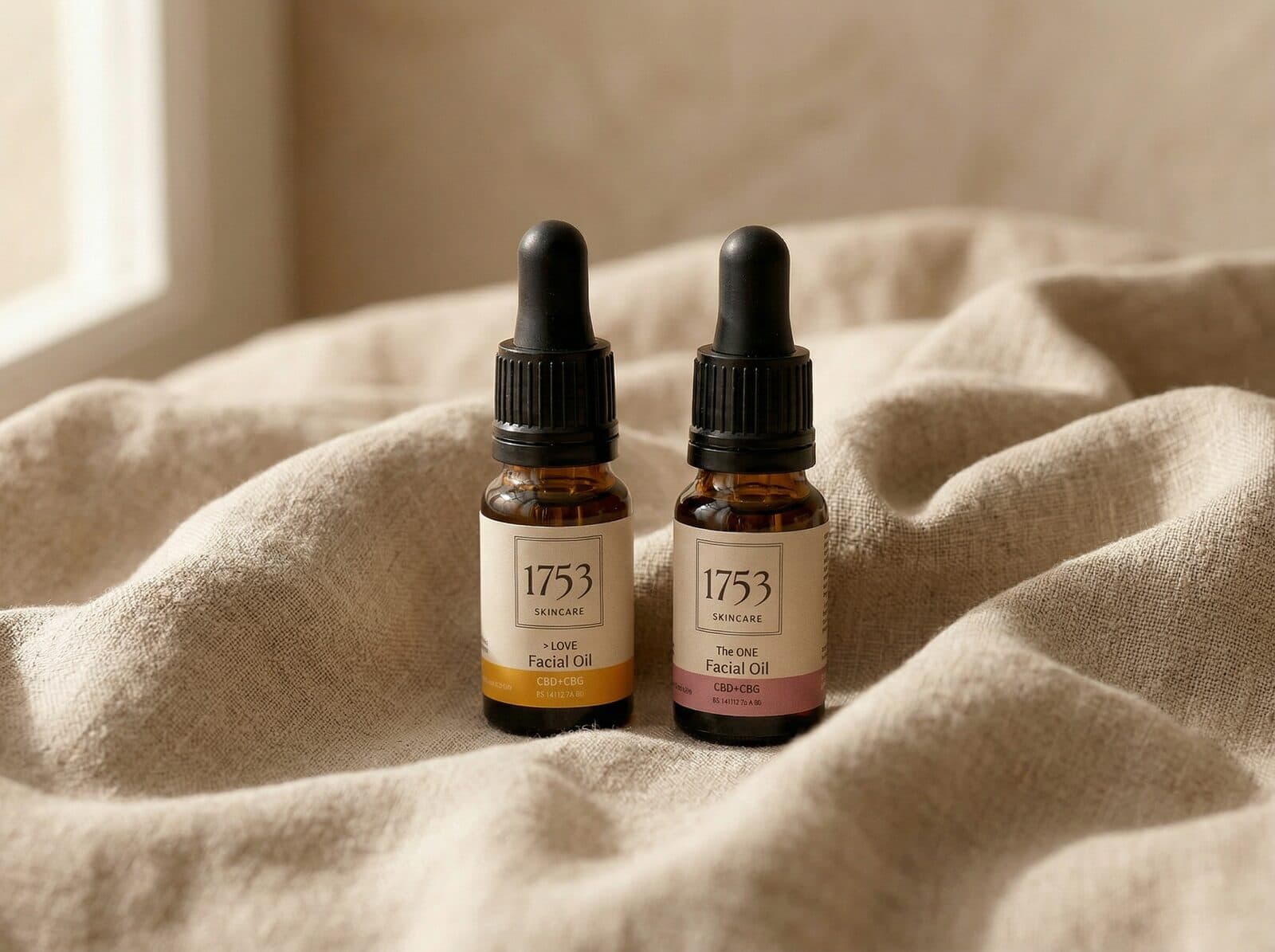
If your skin genuinely needs more, or you want a routine that supports balance instead of fighting it, the DUO kit is the natural next step. The ONE and I LOVE give you a minimalist way to care for skin after cleansing, without throwing in random actives just because a trend says so.
And when skin feels calm but could use a little more resilience, Ta-DA serum makes sense as a finishing step. Not as a must, but as a thoughtful layer on top of a routine that already respects the skin. Au Naturel → DUO kit → Ta-DA serum is the foundation; double cleansing is optional, not the whole philosophy.
Products we recommend
 Save €34
DUO kit
Two face oils, one for morning and one for evening. Simple skincare that works with your skin, not against it.
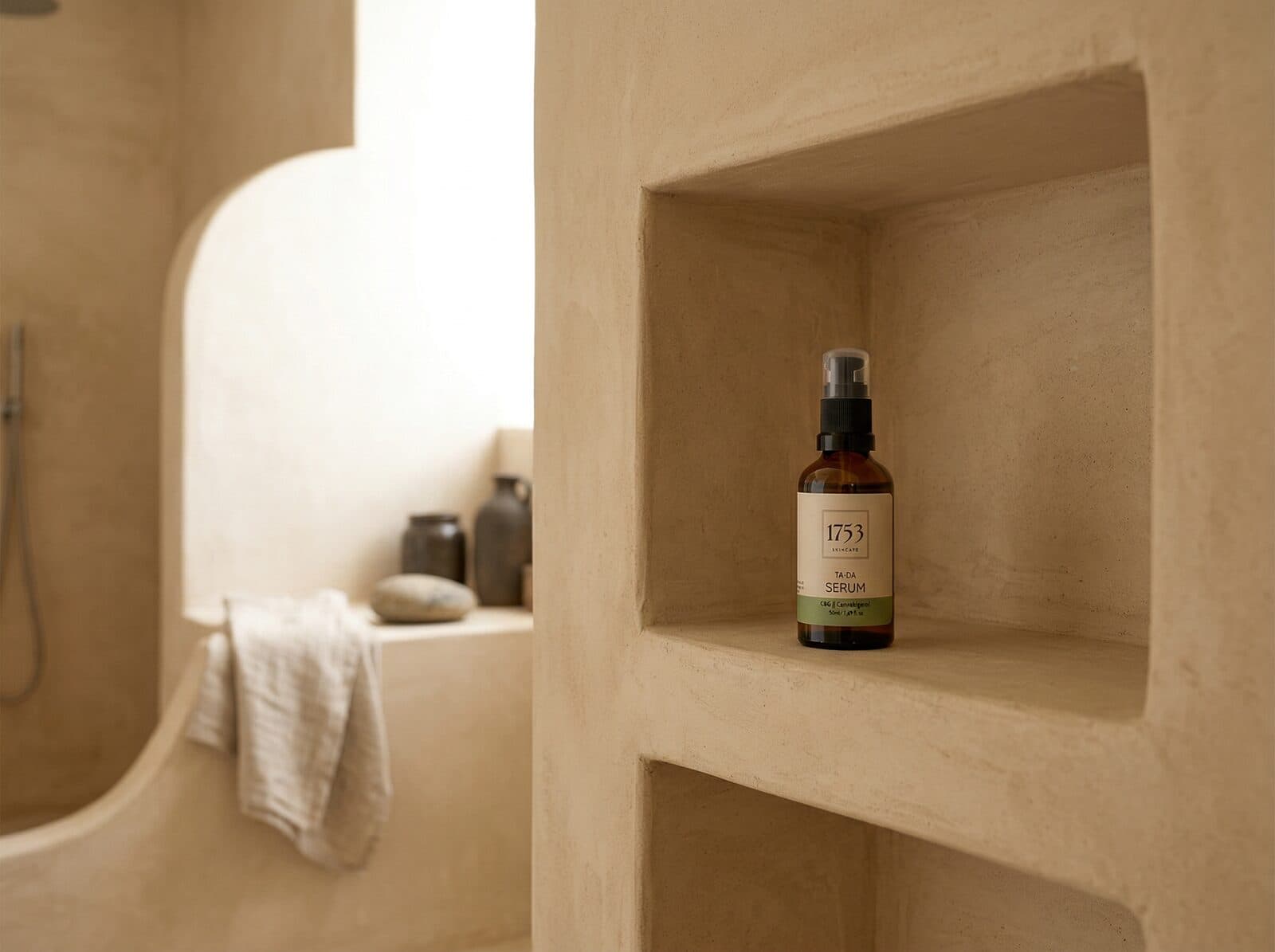
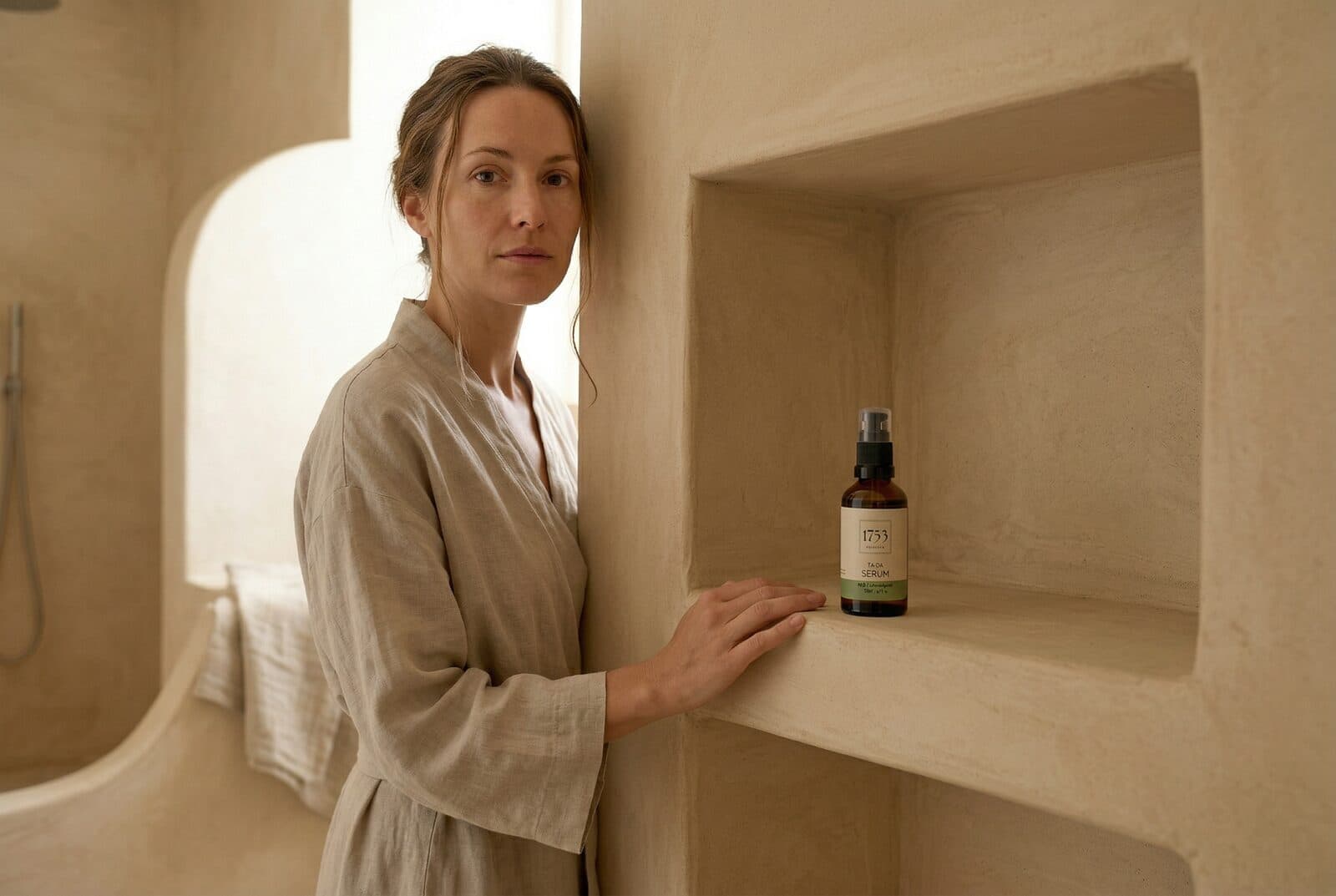
TA-DA Serum
A CBG-powered serum that seals in moisture and adds glow, whatever the season.
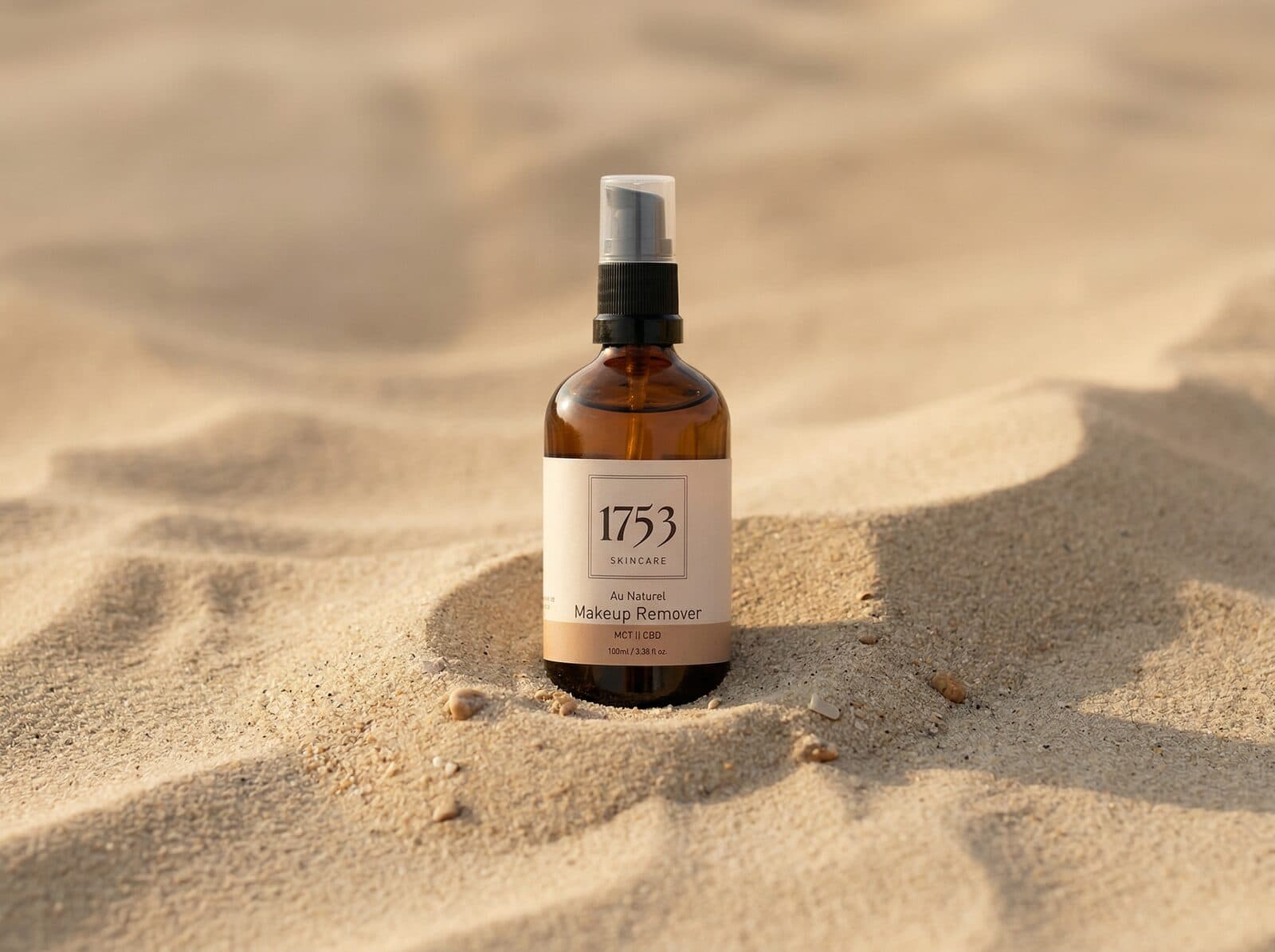
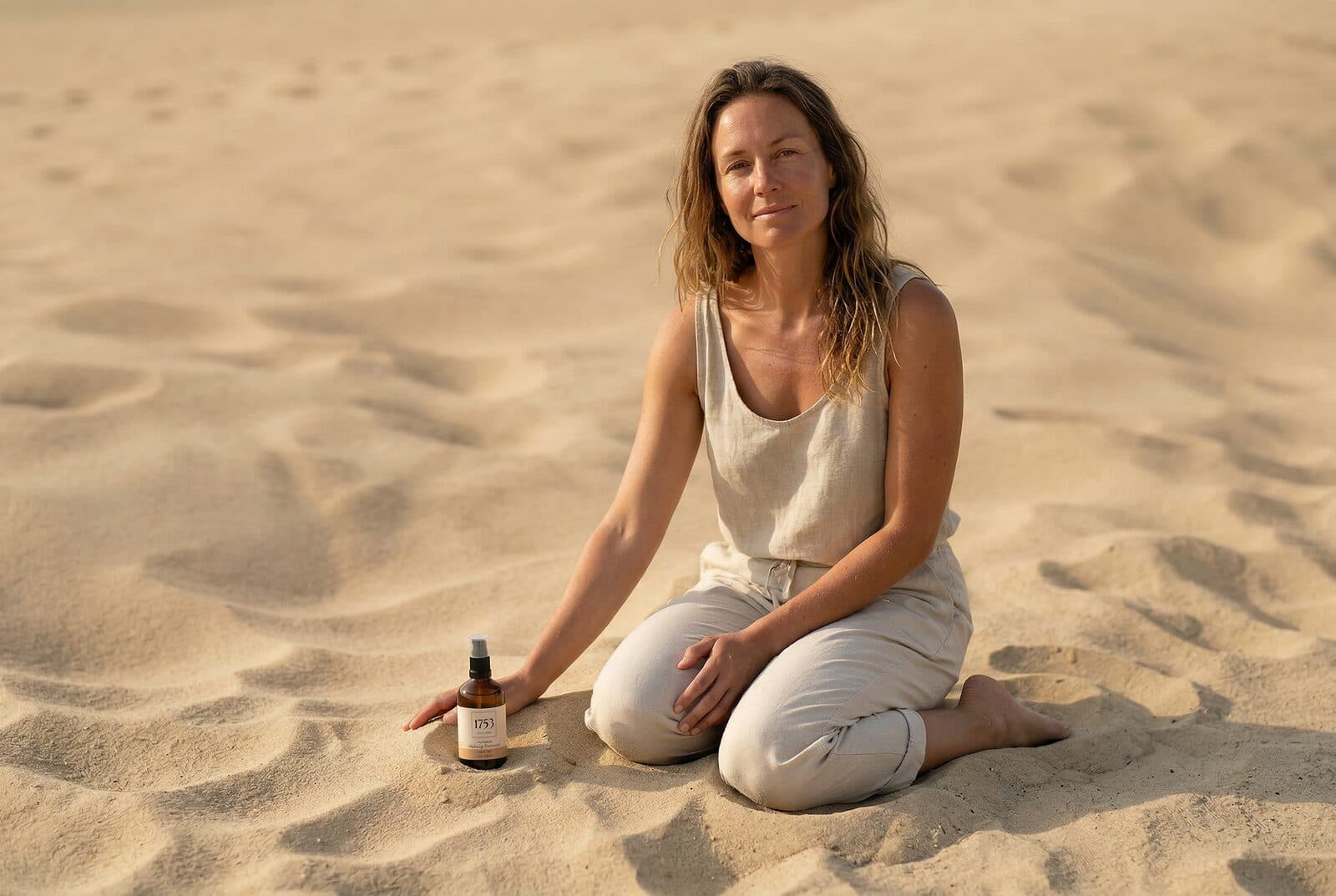
Au Naturel Makeup Remover
A cleansing oil with MCT and CBD that removes makeup and buildup without stripping your skin bare.
Frequently asked questions
Do I need double cleansing every night?
No. It’s most useful when you wear a lot of SPF, makeup, or have been out in heat and pollution. If your skin is calm and one gentle cleanse already works, there’s no benefit in doing more just to follow the trend.
Is an oil-based cleanser good for oily skin?
Often yes, because oil dissolves oil without triggering the skin into panic mode. The key is a gentle formula and watching your skin’s response. If you feel tight or oddly shiny the next day, the routine may be too much.
Does double cleansing remove SPF better?
It can, especially with water-resistant sunscreen or long wear. But a good oil-based cleanser is often enough on its own. The point is not the ritual—it’s whether residue is actually left on the skin.
How is it different from one cleanser?
One cleanser tries to do everything at once. Double cleansing splits the job: first dissolve the fat-soluble stuff, then remove the rest with a water-based cleanser. That can be smart, but only if your skin truly needs both steps.
Sources
- Bíró T, Tóth BI, Haskó G, Paus R, Pacher P. The endocannabinoid system of the skin in health and disease. Trends Pharmacol Sci 2009;30(8):411–420.
- Prescott SL, Larcombe DL, Logan AC, et al. The skin microbiome: impact of modern environments on skin ecology, barrier integrity, and systemic immune programming. World Allergy Organ J 2017;10(1):29.
Article reviewed by Christopher Genberg, founder of 1753 SKINCARE.
Related articles
Trend
Slugging skincare – moisture lock or trap?
Slugging sounds almost too easy: seal everything in at night and wake up softer. Sometimes that’s ex...
Trend
Skin cycling - a neat name for simple logic
Skin cycling took off because it sounds like structure in a skincare world that often does too much....
Trend
Skin flooding – when more starts to feel like less
Skin flooding became a fast favorite for serum lovers: layer after layer of hydration, often on damp...
Ingredient Portrait
cbd for skin – less noise, more balance
CBD for skin is interesting because it doesn’t try to bully the skin into behaving. It works with th...
Ingredient Portrait
cbg for skin – the mother cannabinoid that calms and renews
CBG usually lives in CBD’s shadow, but skin can tell the difference. This is the cannabinoid that ma...
Ingredient Portrait
Jojoba oil skin – wax that works with you
Jojoba oil is not a regular oil, and that is exactly why people keep coming back to it. It comes fro...