
CBG Skincare
CBG for pigmentation – balance skin tone from within
Dark spots tell a story of inflammation, sun damage, and hormones. Instead of bleaching them away with aggressive agents, you can address the mechanism behind them – with CBG that regulates melanocyte activity via the endocannabinoid system.

Where do dark spots come from?
Dark spots – hyperpigmentation – occur when melanocytes, the cells that produce the skin's pigment melanin, become overactive and produce too much melanin in specific areas. It can be sun damage (sunspots), post-inflammatory hyperpigmentation after acne or eczema, or hormonally driven melasma.
Common to all types is that inflammation plays a central role. UV radiation causes inflammation that triggers melanin production. Acne breakouts leave inflammatory traces that signal melanocytes to overproduce. Hormones like estrogen increase melanocytes' sensitivity to inflammatory signals. Oxidative stress worsens all these processes.
The most common treatments – hydroquinone, chemical peels, intense pulsed light – all work by inhibiting melanin production or exfoliating away pigmented skin. They work, but can irritate the skin and paradoxically trigger new inflammation that creates new dark spots. A gentler, more fundamental approach is needed.
Prevent and reduce dark spots
Sun protection is everything
UV radiation is by far the most important driver of pigmentation. Use SPF 30+ every day, year-round, even indoors near windows. Apply generously and reapply every two hours in the sun. No serum in the world compensates for inadequate sun protection.
Treat inflammation immediately
Every inflamed blemish, scratched eczema patch, or irritation reaction can leave pigment traces. The faster you calm inflammation, the lower the risk of lasting pigmentation. CBG applied directly to inflamed areas can reduce the risk.
Antioxidants inside and out
Oxidative stress drives melanin production. Vitamin C, vitamin E, and polyphenol-rich foods (berries, green tea, dark chocolate) help the body neutralize free radicals that trigger pigmentation.
Be careful with exfoliation
Chemical exfoliation can help with superficial dark spots but must be done gently. Excessive exfoliation damages the barrier and triggers post-inflammatory pigmentation – exactly what you're trying to avoid. Less is more.
Be patient with results
Dark spots sit deep in the epidermis and dermis. It takes three to six months of consistent treatment to see real change. Quick bleaching agents give fast results but often at the cost of irritation and new spots.

CBG's role in pigmentation balance
The endocannabinoid system exists in melanocytes too, and CB2 receptors play a role in regulating melanin synthesis. CBG's interaction with these receptors offers an entirely new angle on pigmentation – instead of directly inhibiting melanin production (like hydroquinone), CBG modulates the signaling pathways that control it.
CBG's strong anti-inflammatory properties also address the root cause of most types of hyperpigmentation. By lowering inflammation levels in the skin, it reduces the trigger that causes melanocytes to overproduce. It's like switching off the power to a lamp instead of trying to dim it with your fingers.
TA-DA Serum with 3% CBG is applied directly to pigmented areas and works locally with melanocytes' CB2 receptors. DUO TA-DA provides complete CBD+CBG support for the entire face. Au Naturel cleanses without irritation – crucial to avoid triggering new inflammation.
Products we recommend
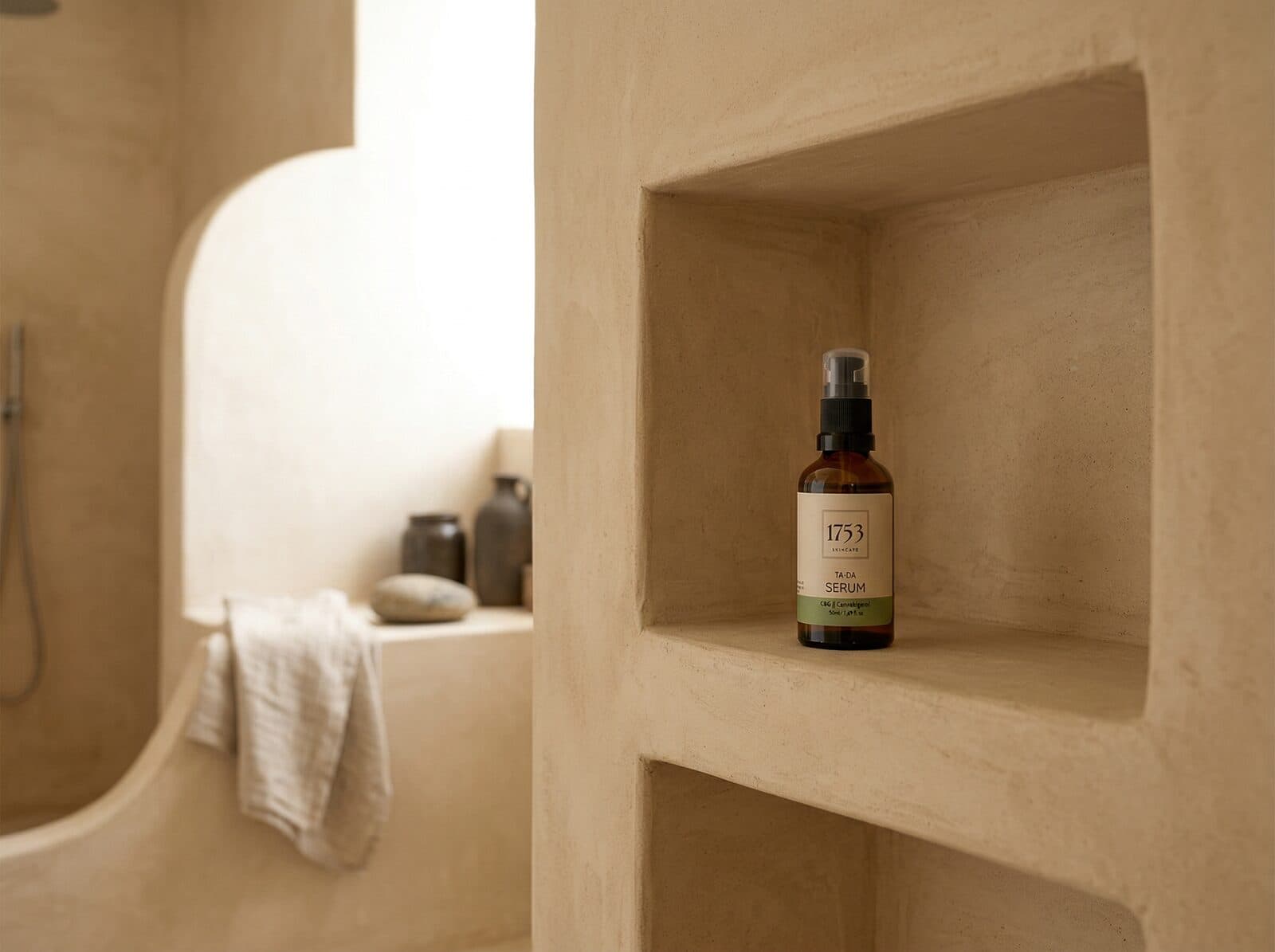

TA-DA Serum
A CBG-powered serum that seals in moisture and adds glow, whatever the season.
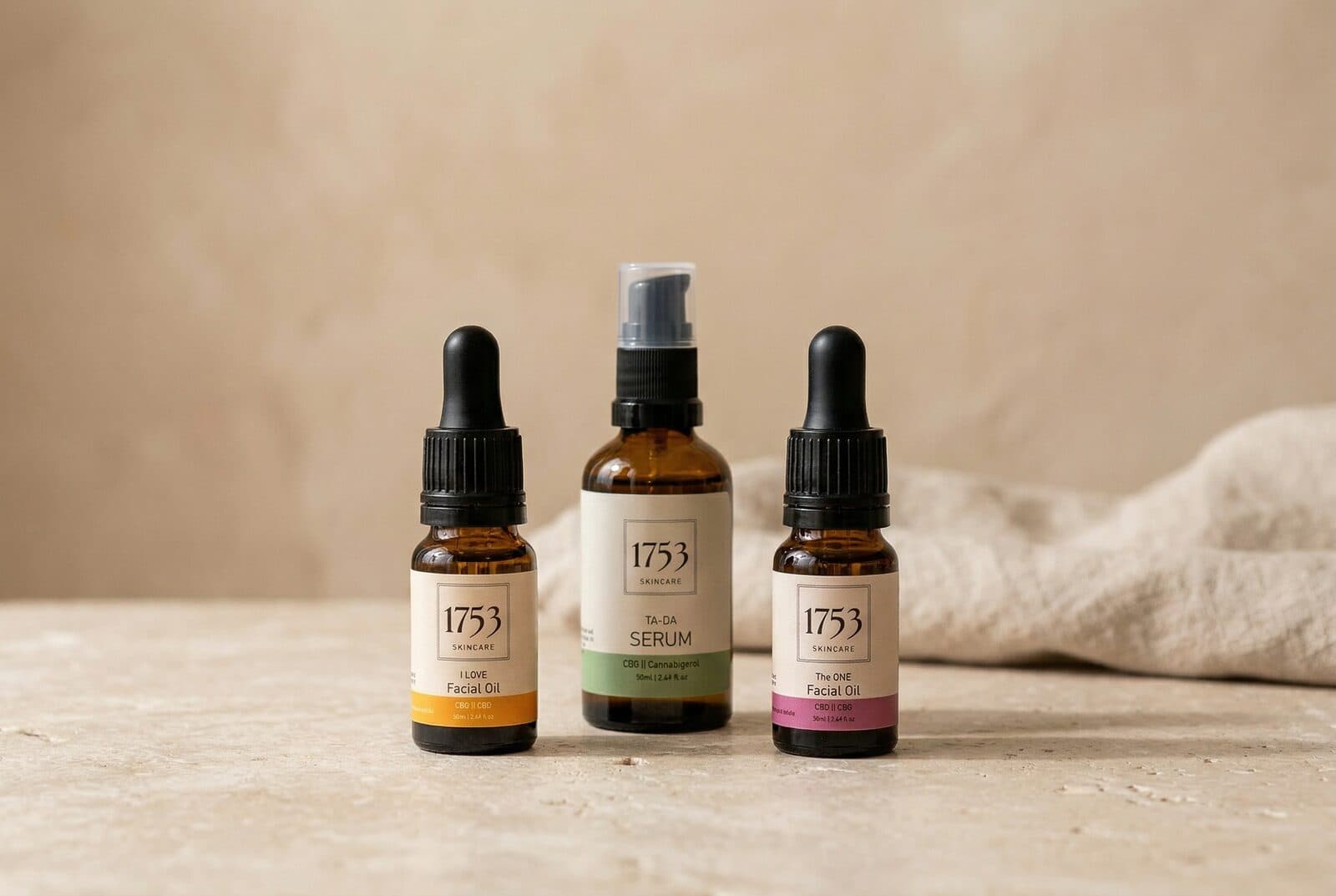
 Save €60
DUO kit + TA-DA Serum
The full routine in one: three products that help skin become calmer, stronger and more resilient.
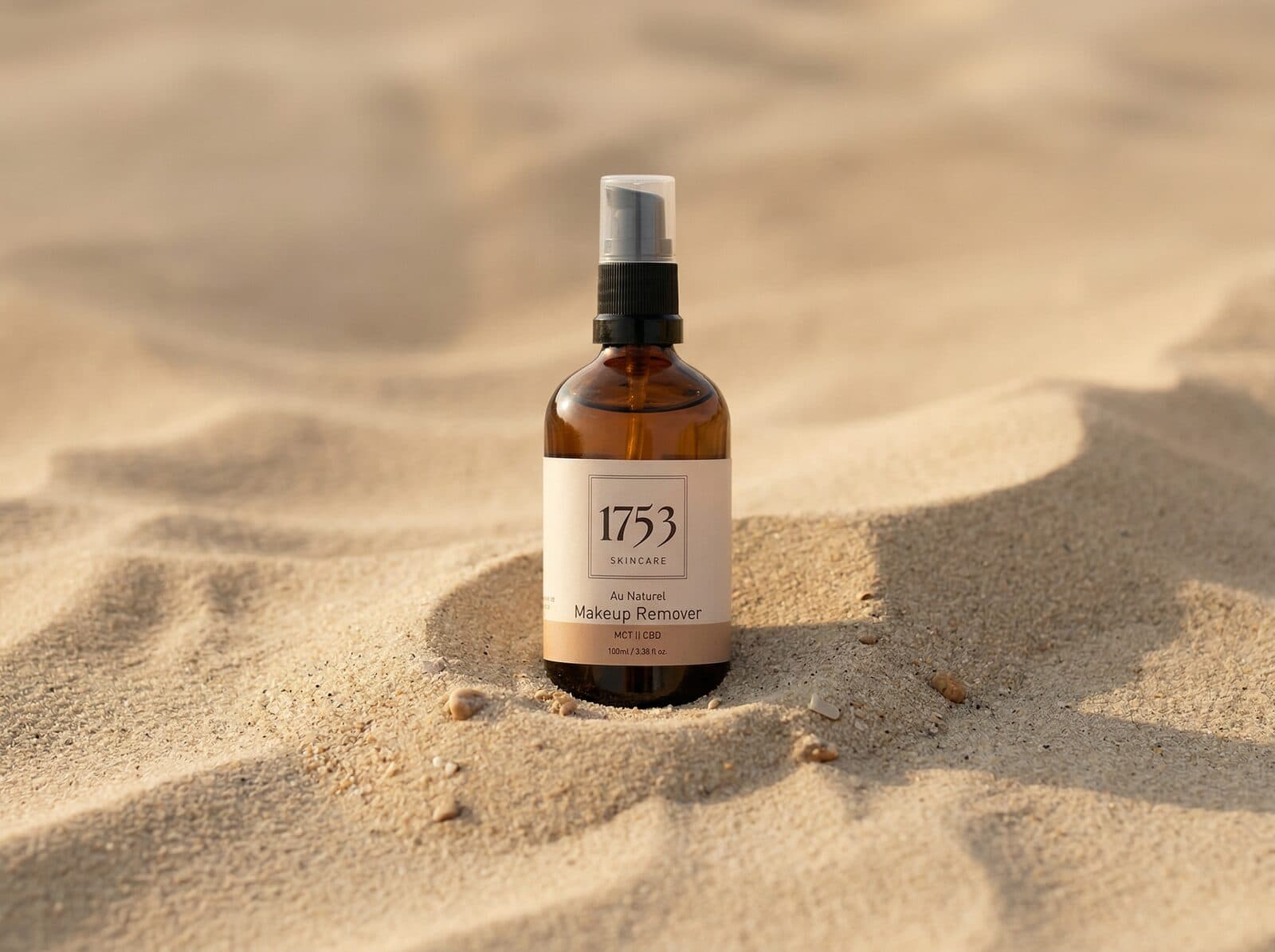
Au Naturel Makeup Remover
A cleansing oil with MCT and CBD that removes makeup and buildup without stripping your skin bare.
Frequently asked questions
Can CBG bleach the skin?
CBG doesn't bleach skin – it modulates melanocyte activity via CB2 receptors. The result is a more even skin tone, not a lighter one. Your natural pigment is preserved, but overproduction in specific areas is regulated down.
Does CBG work for all types of dark spots?
CBG addresses the inflammatory mechanism driving most types of hyperpigmentation. Post-inflammatory pigmentation often responds best. Sunspots and melasma can also improve but require more time and always in combination with strict sun protection.
How long before I see results for pigmentation?
Pigmentation is the skin concern that takes the longest to address. Expect three to six months of daily use combined with sun protection. CBG works with biology – it's not a quick fix but the results are lasting.
Can I combine CBG with vitamin C?
Absolutely, it's an excellent combination. Vitamin C inhibits the enzyme tyrosinase needed for melanin synthesis, while CBG modulates signaling pathways via CB2 receptors. They work at different levels and amplify each other's effect.
Sources
- Bíró T, Tóth BI, Haskó G, Paus R, Pacher P. The endocannabinoid system of the skin in health and disease. Trends Pharmacol Sci 2009;30(8):411–420.
- Tóth KF, Ádám D, Bíró T, Oláh A. Cannabinoid signaling in the skin: therapeutic potential of the c(ut)annabinoid system. Molecules 2019;24(5):918.
Article reviewed by Christopher Genberg, founder of 1753 SKINCARE.
Related articles
CBG Skincare
CBG for acne – the mother cannabinoid your skin deserves
You've tried everything – cleansers, acids, antibiotics. But have you tried giving your skin what it...
CBG Skincare
CBG for eczema – stop scratching, start healing
Eczema isn't about having bad skin. It's about a barrier that leaks and an immune system that overre...
CBG Skincare
CBG for inflammation – get to the root of every skin problem
Acne, rosacea, eczema, premature aging – nearly every skin problem shares a common engine: chronic l...
Ingredient Portrait
cbd for skin – less noise, more balance
CBD for skin is interesting because it doesn’t try to bully the skin into behaving. It works with th...
Ingredient Portrait
cbg for skin – the mother cannabinoid that calms and renews
CBG usually lives in CBD’s shadow, but skin can tell the difference. This is the cannabinoid that ma...
Ingredient Portrait
Jojoba oil skin – wax that works with you
Jojoba oil is not a regular oil, and that is exactly why people keep coming back to it. It comes fro...