
Breastfeeding Skin
Breastfeeding skin – when your body is already doing enough
When you’re breastfeeding, your skin often feels as tired as you do. Hormones, prolactin, sleep loss, and a body in transition can leave skin dry, reactive, or harder to predict. That’s when you need fewer strong steps, not more.

Why does breastfeeding skin suddenly feel so unpredictable?
During breastfeeding, hormones shift a lot, and prolactin is part of the new balance. For many people, that means skin behaves differently than it did before pregnancy: some get dry and tight, others see more breakouts, and plenty experience both sensitivity and shine at once.
It’s easy to fall into the idea that stronger skincare will “fix” things. But when skin is already under pressure from sleep deprivation, friction, feeding routines, and a nervous system that never fully switches off, aggressive cleansing and over-exfoliating usually just add more stress. The barrier does not enjoy being treated like a project.
What matters most is ingredient safety and common sense: no retinoic, no salicylic if you want to keep it simple and calm, plus products you can trust close to the face and body. Breastfeeding skin should not require bravery. It should require care.
How to keep it calm
Clean only what matters
In the morning, a gentle cleanse or just lukewarm water may be enough if your skin feels fine. The less you disrupt the barrier, the less likely it is to answer with tightness and redness.
Choose safer ingredients
Keep it simple: no retinoic, no salicylic, and formulas you feel good using near your face and body. When you’re breastfeeding, skincare should be easy to trust, not something you panic-googled.
Seal in moisture early
Apply products right after cleansing so water stays in the skin better. It’s a small habit that matters when your skin feels thin, dry, or reactive.
Stick to three steps
Morning, evening, done. A simple routine is easier to keep up with when the night was broken and you’re already carrying someone else’s needs.
Be extra careful around nipples
Choose products that feel nipple safe and avoid unnecessary actives in that area. You want skincare that is easy to wash off, easy to use, and easy to live with.

How to actually solve it
The best routine is usually the one that takes minutes, not energy you don’t have. In the morning, Au Naturel Makeup Remover gives you a gentle cleanse with MCT oil, without leaving skin stripped or overworked. That matters when your face already feels worn down by broken sleep and feeding cycles.
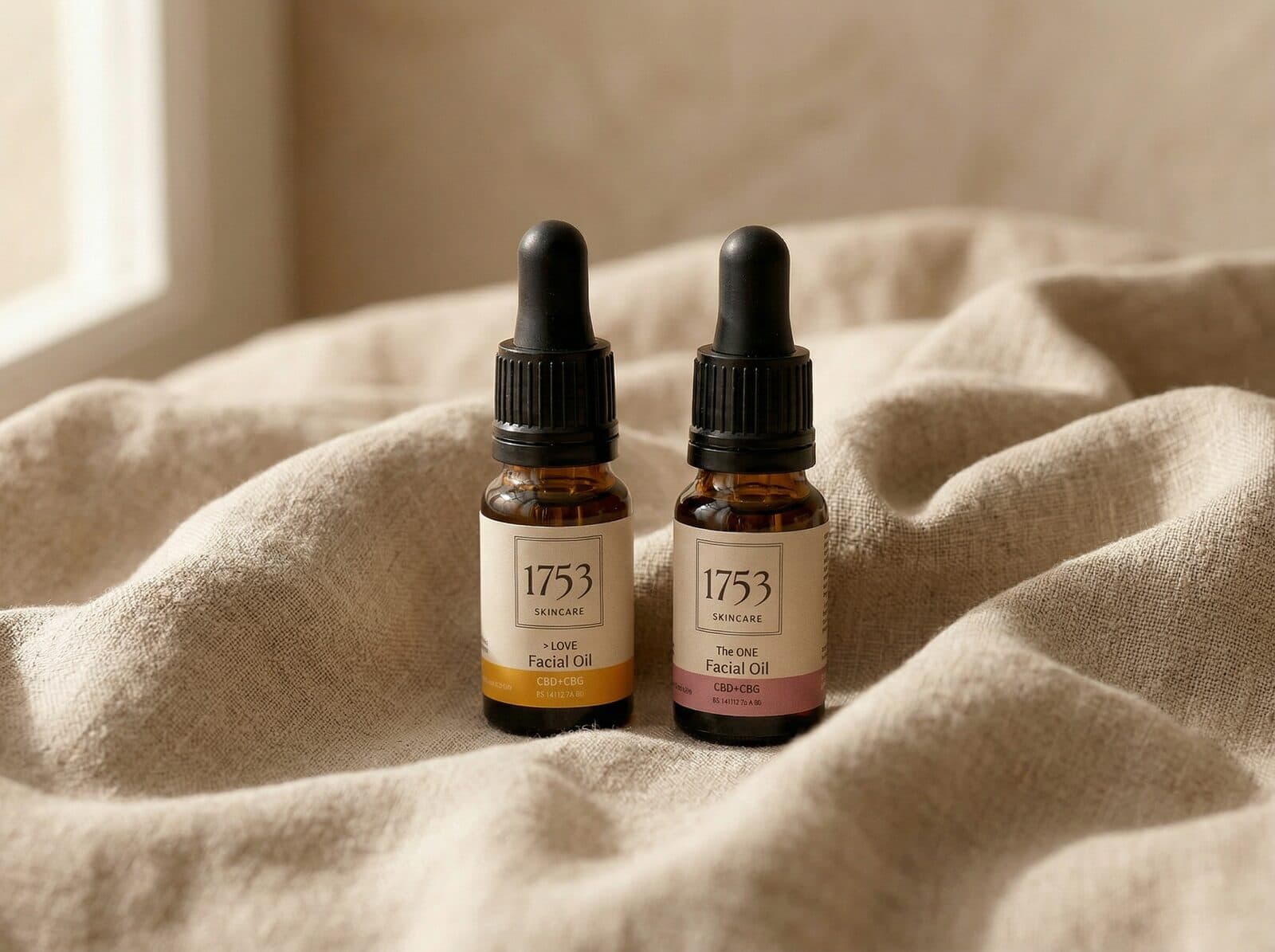
At night, the DUO-kit is the clean shortcut to a more balanced feel: The ONE for skin-regulating support and I LOVE for calming, antibacterial care. Together they give you a full cannabinoid spectrum for skin that wants less drama, not more.
And with breakfast, Fungtastic Mushroom Extract can be the quiet habit that still fits into a messy life. Chaga, Reishi, Lion’s Mane, and Cordyceps offer a simple way to support the body while your skin tries to find its rhythm again.
Products we recommend
 Save €34
DUO kit
Two face oils, one for morning and one for evening. Simple skincare that works with your skin, not against it.
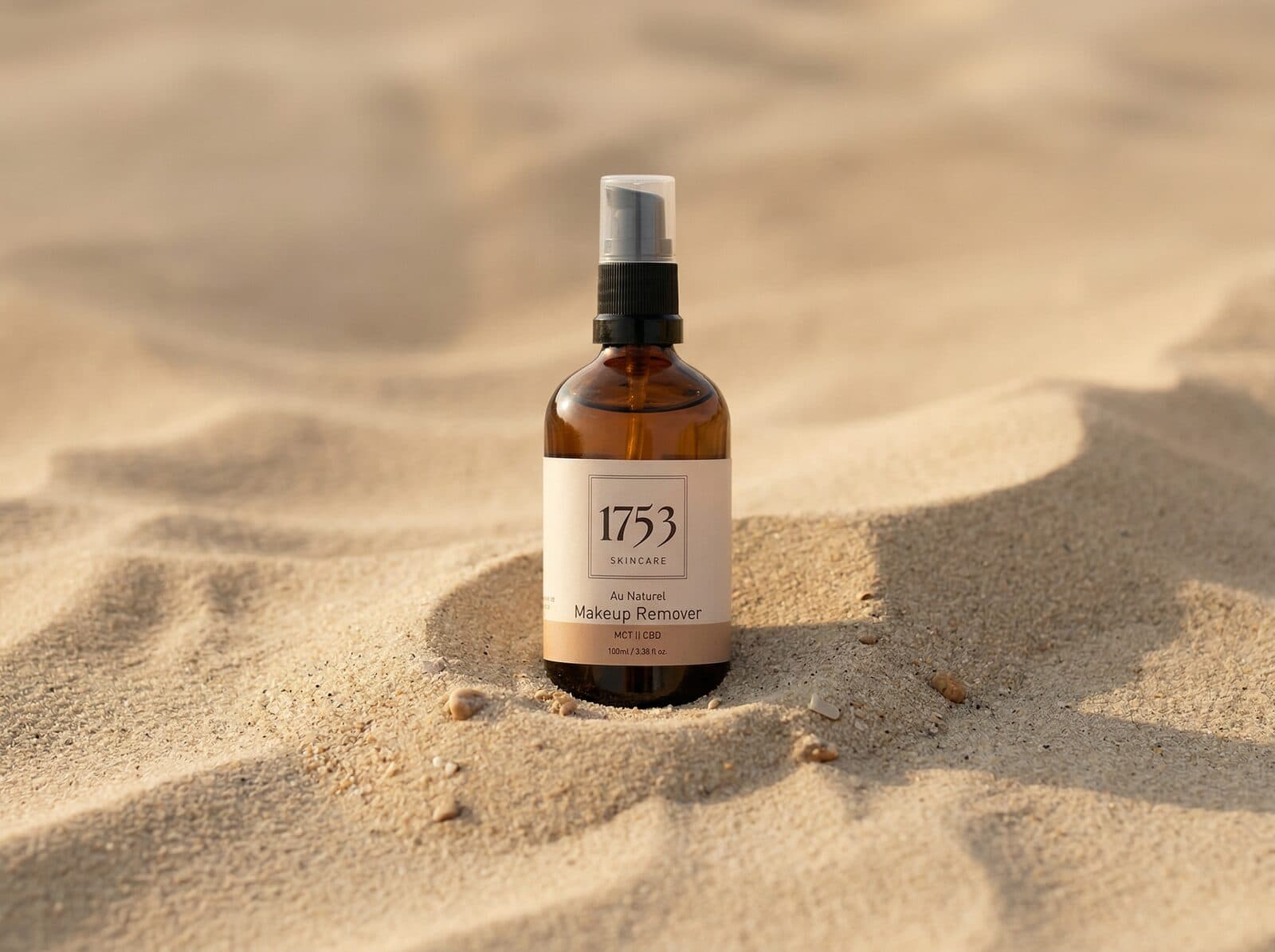
Au Naturel Makeup Remover
A cleansing oil with MCT and CBD that removes makeup and buildup without stripping your skin bare.
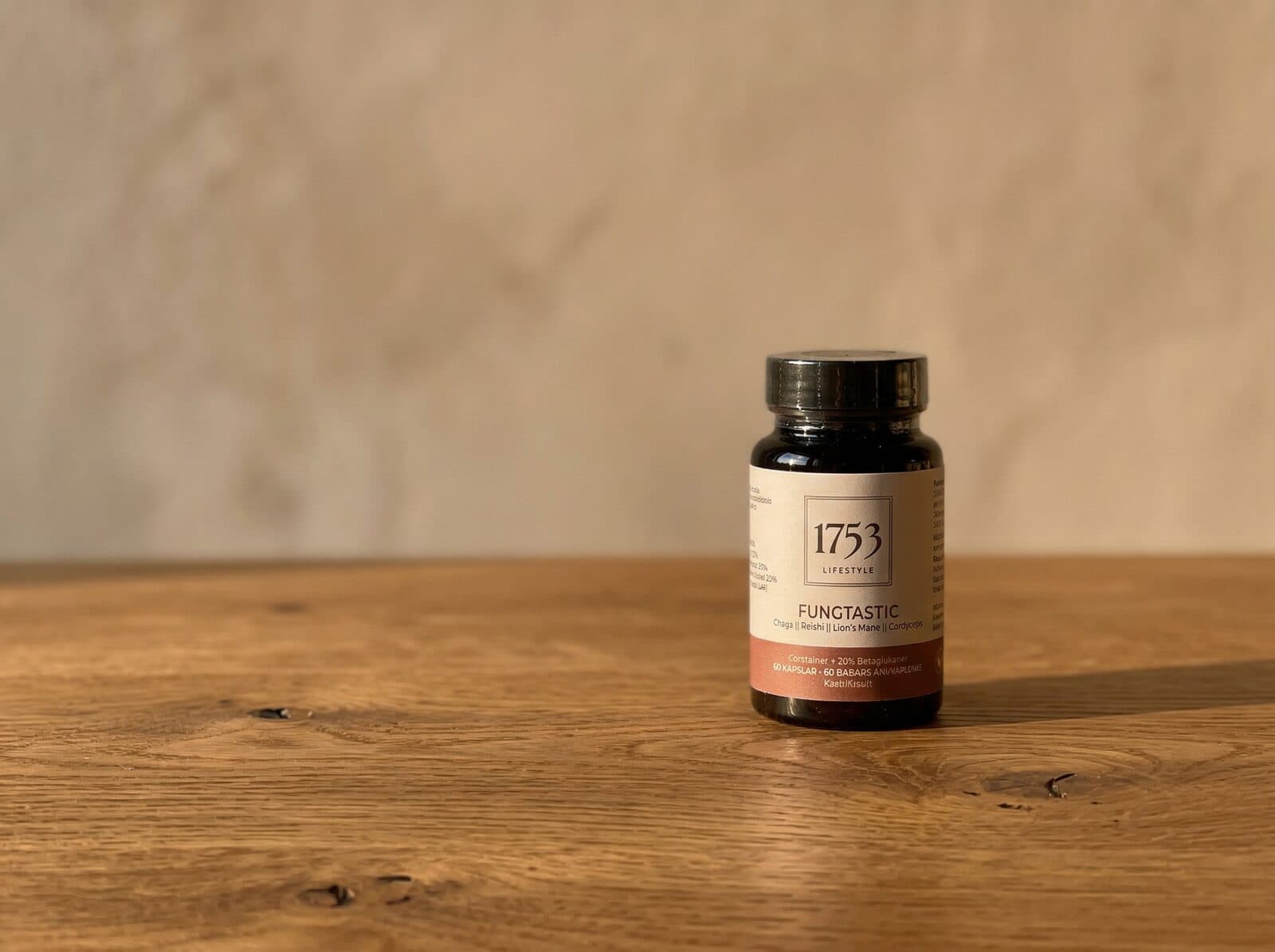
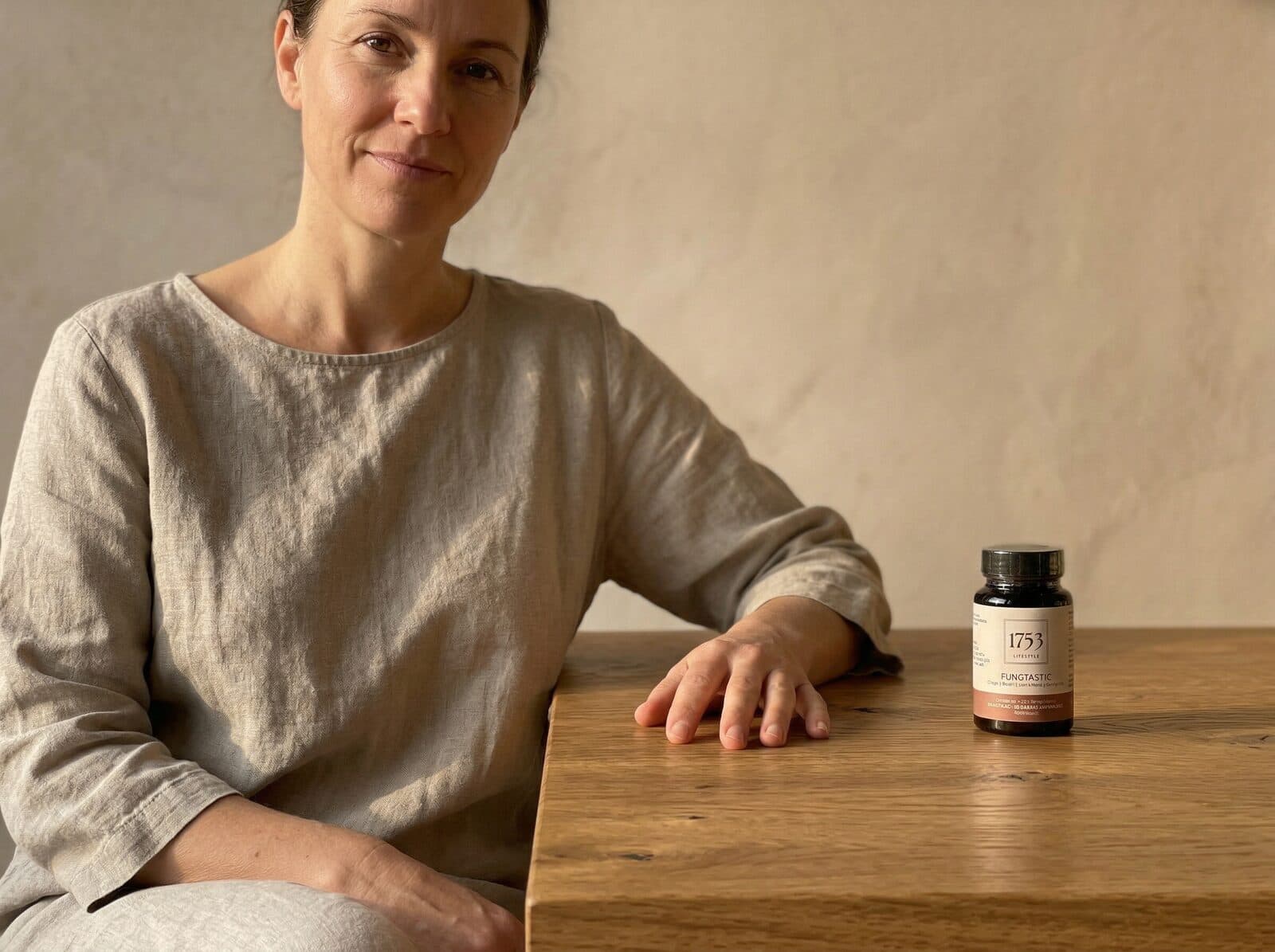
Fungtastic Mushroom Extract
Four mushrooms in one formula to support immunity, focus, energy and sleep from within.
Frequently asked questions
Can I use retinol while breastfeeding?
Many people choose to avoid retinoids while breastfeeding to keep the routine simple and reassuring. If you want to play it safe, go with no retinoic and focus on gentle, barrier-friendly care.
Is salicylic acid okay during breastfeeding?
Some people use it in certain situations, but many prefer no salicylic in a breastfeeding routine to reduce uncertainty. The main thing is choosing products you feel calm about using on your skin.
What does nipple safe really mean?
It means the product is designed to be gentle and practical in a routine where skin near the breast also needs care. Look for mild formulas and avoid strong actives where you want maximum peace of mind.
Why does my skin get worse when I’m so tired?
Sleep loss affects the skin barrier, recovery, and how easily skin gets irritated. When the body is running on empty, the skin often shows it first, which is why a simple routine can work better than a complicated one.
Sources
- Chen Y, Lyga J. Brain-skin connection: stress, inflammation and skin aging. Inflamm Allergy Drug Targets 2014;13(3):177–190.
- Engebretsen KA, Johansen JD, Kezic S, Linneberg A, Thyssen JP. The effect of environmental humidity and temperature on skin barrier function and dermatitis. J Eur Acad Dermatol Venereol 2016;30(2):223–249.
Article reviewed by Christopher Genberg, founder of 1753 SKINCARE.
Related articles
SCREEN TIME
screen time skin – when work shows up on your face
Full days in front of a screen don’t just live in your calendar. They show up in your skin: tightnes...
SHIFT WORK
Shift work skin – when your body and skin fall out of sync
Night shifts, early starts, random meals and sleep that never quite lands. Shift work skin often sho...
WorkSkin
Flight crew skin – when the cabin takes it all
Cabin humidity, long shifts and zone hopping are a rough mix for skin. It can feel tight, dull and i...
SYMPTOM
Itchy skin – why nights make it worse
You finally lie down, and then it starts. The itch that was manageable all day suddenly takes over y...
Symptom
Flaky skin – when your skin starts shedding
When skin starts lifting in little flakes, it’s tempting to assume it needs a stronger cleanser, ano...
Symptom
Dry skin around mouth – when the skin pushes back
It often starts as tightness, flaking or tiny red patches right around the mouth. Sometimes it sting...