
Myth Busting
BHT BHA preservative – confusing names, fair questions
BHT and BHA show up in ingredient lists all the time, and yes, the names can be confusing. That does not mean they are the same thing, or that every product deserves the same reaction. Let’s sort out what they actually do, why raw-material BHA is not BHA acid, and what is worth caring about.

Are BHT and BHA always the same kind of issue?
The myth usually starts with the label. BHT, short for butylated hydroxytoluene, and BHA sound chemically similar, but they do not play the same role as BHA acid in skincare. BHT is an antioxidant that helps oil-based ingredients resist oxidation, while raw-material BHA is used as a preservative antioxidant in some formulas.
So the mechanism matters: protection from oxidation and rancidity, not exfoliation. BHA acid, by contrast, is the salicylic-acid-like beta hydroxy acid used to work on the skin’s surface and inside pores. When these get mixed up, the debate becomes noisy fast, and the actual formulation gets lost.
The best science does not say every product with BHT or raw-material BHA is identical; it says dose, formula, and context matter. In real life, that means looking at what the ingredient is doing inside the product in front of you. That is more useful than seeing a name and jumping straight to conclusions.
Read ingredient lists more intelligently
Separate BHA from BHA acid
Read the full name, not just the letters. BHA acid is an exfoliating acid, while raw-material BHA is an antioxidant used to protect the formula.
Check the base formula
Oils and other fat-based formulas often need protection from oxidation. That tells you more about why an antioxidant is there than any dramatic headline does.
Compare list length
A shorter ingredient list is usually easier to understand and react to. Fewer ingredients do not automatically mean better, but they do make it easier to see what is actually doing the work.
Know what you want to avoid
If your goal is to reduce unnecessary irritants, start by filtering out overcomplicated products. That is often more useful than chasing individual words that sound alarming.
Choose calmer routines
Skin that is already stressed rarely benefits from harsh cleansing or too much exfoliation. A gentler routine often gives the skin a better chance to settle.

How to choose without falling for the name trap
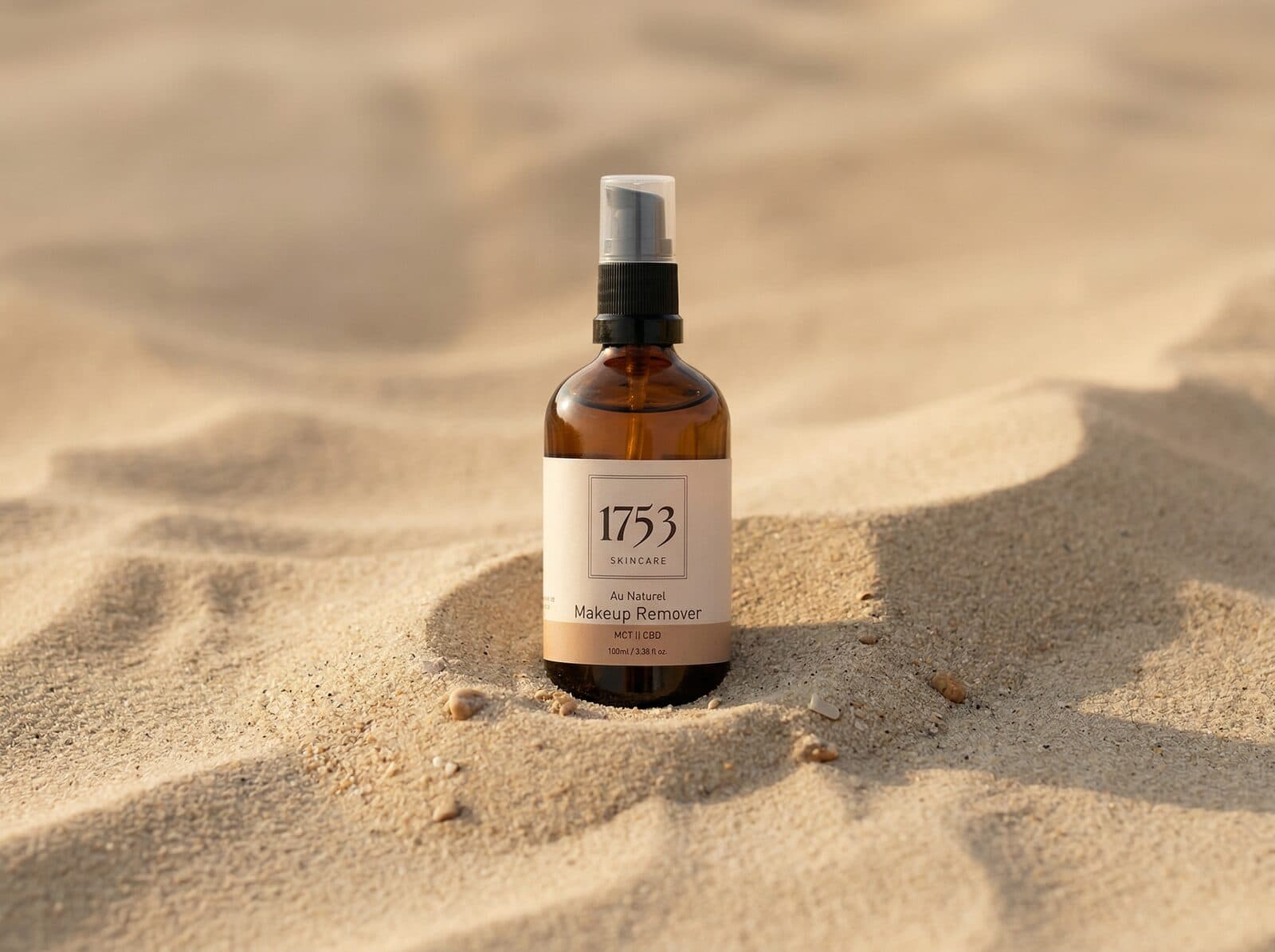
If you want to avoid ingredient confusion, look for products that are not built on a long list of questionable extras. The DUO-kit and Au Naturel Makeup Remover are intentionally simple: short ingredient lists, no unnecessary preservatives, and no extra baggage your skin probably does not need.
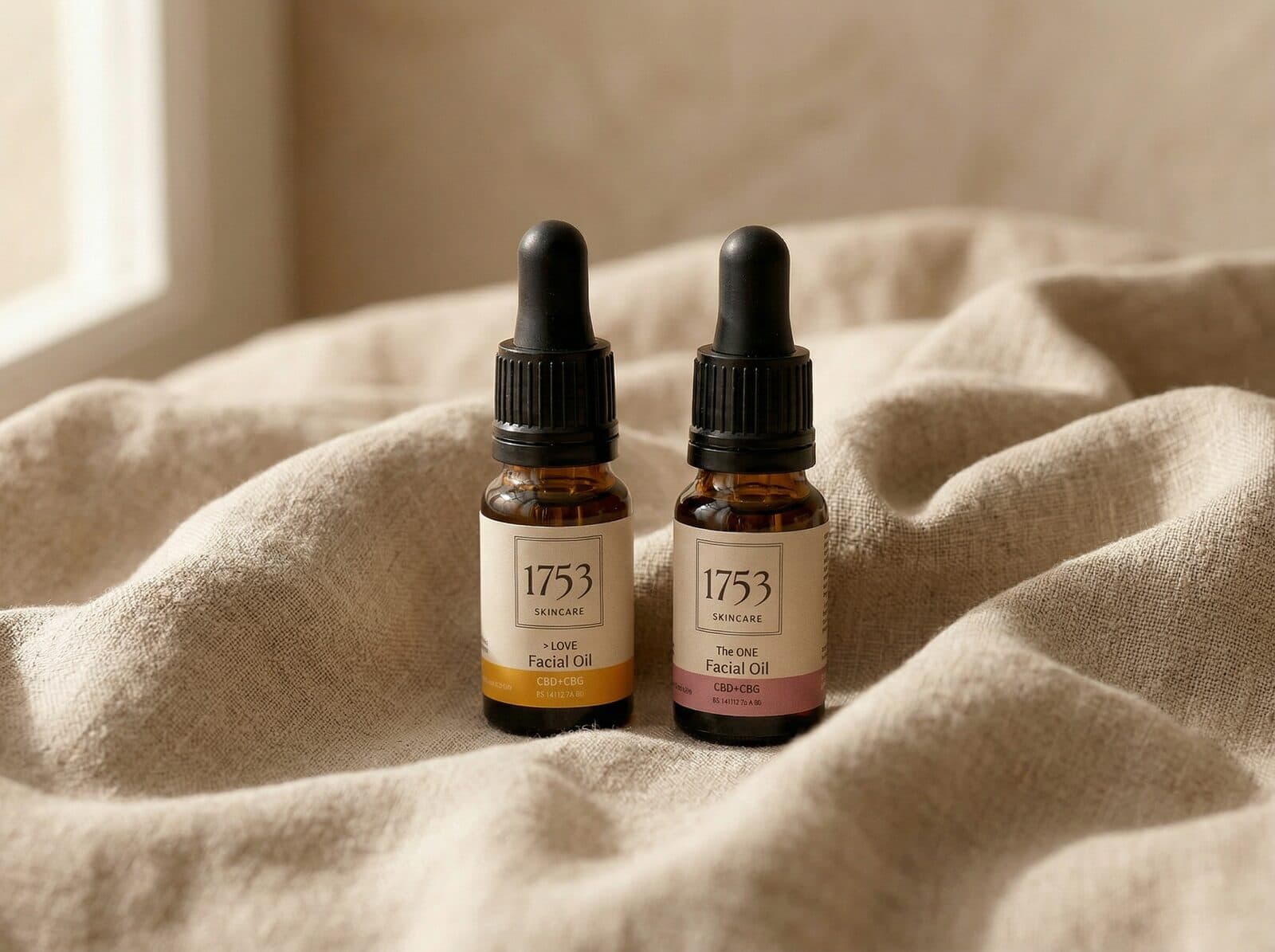
The ONE and I LOVE follow the same logic from another angle. A skin-regulating oil and a calming CBG serum give the skin something it can actually use, without hiding behind preservative talk that mostly creates doubt. That is not anti-science; it is just more honest.
For everyday care, the simplest route often wins. Less noise in the formula, fewer unnecessary compromises, and more attention to what the skin actually does in real life. That is a pretty sensible 1753 view: less hype, more skin.
Frequently asked questions
Is BHT dangerous in skincare?
Not automatically. BHT is used as an antioxidant to protect the formula from oxidation, and the impact depends on concentration, product type, and the full formula. It makes more sense to ask why it is there than to assume it is always a problem.
Is raw-material BHA the same as BHA acid?
No. Raw-material BHA is an antioxidant used in formulations, while BHA acid refers to an exfoliating acid in skincare. The name is confusing, but the function is completely different.
Why use preservative antioxidants at all?
To protect oils and other sensitive ingredients from breaking down due to oxygen and light. Without that protection, the product can degrade faster, especially in oil-rich formulas.
What should I choose if I want simpler skincare?
Choose products with short ingredient lists and clear functions. The DUO-kit and Au Naturel Makeup Remover are good examples of a stripped-back approach that keeps unnecessary noise out of the routine.
Sources
- Proksch E, Brandner JM, Jensen JM. The skin: an indispensable barrier. Exp Dermatol 2008;17(12):1063–1072.
- Byrd AL, Belkaid Y, Segre JA. The human skin microbiome. Nat Rev Microbiol 2018;16(3):143–155.
Article reviewed by Christopher Genberg, founder of 1753 SKINCARE.
Related articles
Myth Busting
Are parabens dangerous – or just overblamed?
Parabens have picked up a pretty heavy reputation in skincare conversations. People often hear about...
Myth Bust
Alcohol in skincare – not always the villain
A lot of people learn one simple rule: if they see alcohol on an ingredient list, they should avoid ...
Myth Buster
Sulfates skin – not the villain, not always the fit
Sulfates often get blamed for everything from dryness to breakouts. But the truth is more nuanced: S...
Ingredient Portrait
mct oil skin – light, clean, surprisingly clever
MCT oil is not just another oil sitting on top of your face. It’s fractionated coconut oil built aro...
Ingredient Portrait
Vitamin e skin – the quiet shield
Vitamin E is one of skincare’s most misunderstood ingredients. It doesn’t act like a flashy quick fi...
Ingredient Portrait
aha bha risks – when smooth skin becomes a bad deal
AHA, BHA and PHA can brighten skin fast, but they can also fool you. What looks like progress is som...