
Myth Busting
Benzoyl peroxide skin – the help and the downside
Benzoyl peroxide has been an acne staple for years, and there are reasons it stayed there. But the full story is less neat: oxidative action, flaking, textile bleaching, and skin that can end up more irritated than supported. A lot depends on how, how often, and on what kind of skin it’s used.

Is benzoyl peroxide always the right acne move?
The myth is usually simple: if a product reduces acne-causing bacteria, it must be the obvious choice. Benzoyl peroxide works by releasing oxygen, creating an oxidative environment that can reduce C. acnes. That’s exactly why it helps many people, but the same mechanism can also stress skin and lead to dryness, flaking, and a tight, uncomfortable feel.
The science is fairly clear that benzoyl peroxide can help with mild to moderate acne, especially at lower strengths and with sensible use. But that doesn’t mean more is better. The skin barrier is not a lab filter; it reacts to cleansing habits, climate, other actives, and how resilient your skin already is.
And then there are the everyday annoyances ads rarely mention: textile bleaching on pillowcases, towels, and shirts, plus that microbiome-wipe feeling when you keep trying to “sanitize” your skin. If that sounds familiar, you’re not alone. Sometimes the problem isn’t the bacteria alone, it’s the method.
How to reduce needless irritation
Start lower
If you try benzoyl peroxide, use the lowest effective strength and don’t apply it more often than necessary. Many people do better with steady, careful use than with going all in immediately.
Protect fabrics
Benzoyl peroxide bleaches fabric easily. Use white towels and pillowcases if you keep using it, and let the product dry fully before bed or before getting dressed.
Respect the flaking
If your skin starts to peel, sting, or feel rough, that’s a sign to slow down. It’s often smarter to pause and reset than to push through irritation in the name of discipline.
Simplify the routine
The more actives you stack, the harder it is to know what your skin is reacting to. Keep things short when you test something new and give your skin time to answer.
Choose gentle cleansing
A kind cleanser does more good than another harsh treatment. Skip scrubs, over-exfoliation, and unnecessary acids when your skin is already under pressure.

How to think smart about acne-prone skin
The pragmatic answer is rarely to throw everything out or to trust one active ingredient blindly. For many people, better acne care is more about reducing triggers than maximizing stinging. Skin that is not constantly provoked often has a better chance of settling down over time.
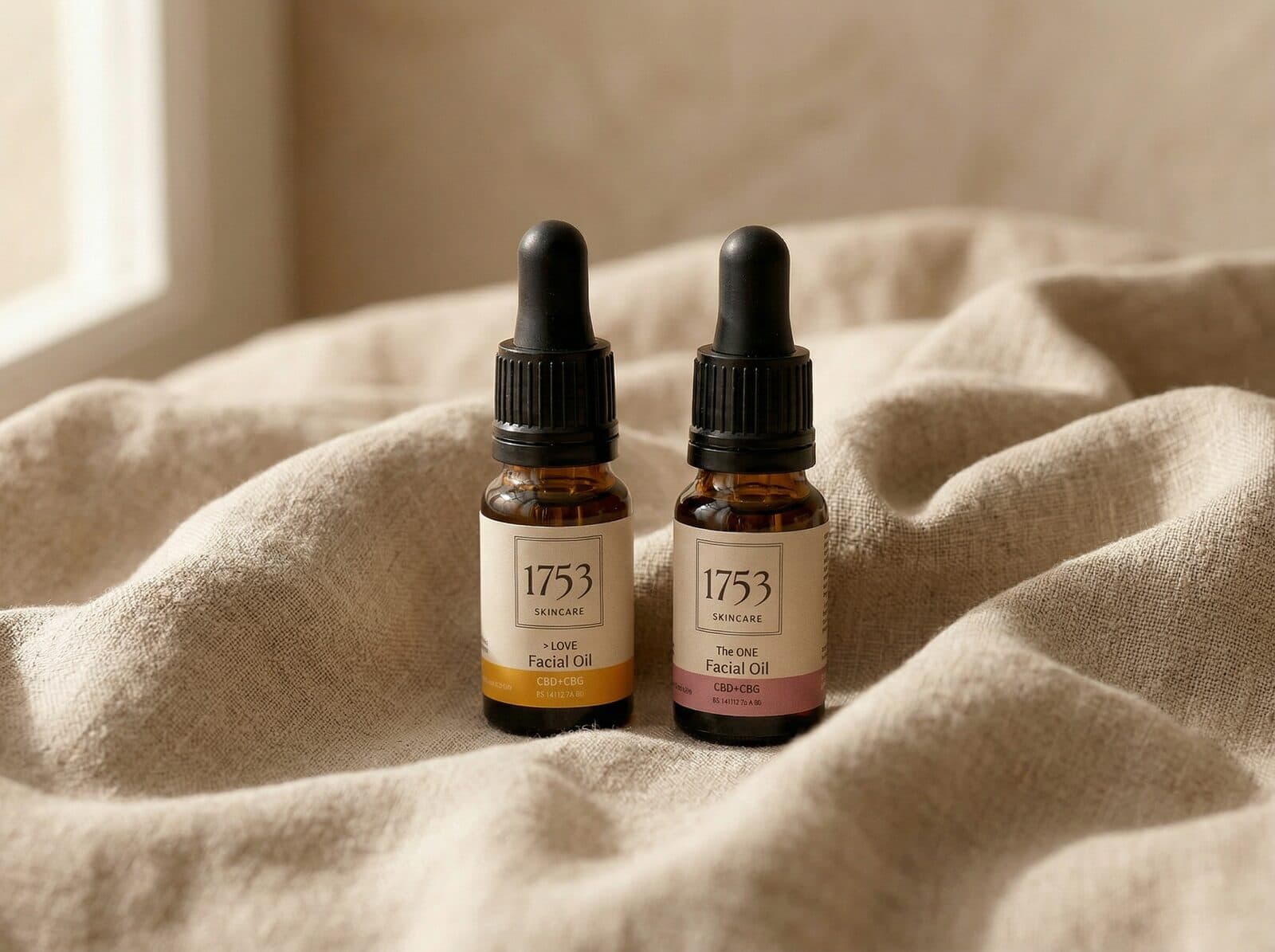
That’s where the DUO-kit starts to make real sense: The ONE and I LOVE work together without building your routine around aggressive stripping or unnecessary extra steps. The ONE, with CBD and MCT, and I LOVE, with CBG, are made to support skin with a short ingredient list and without the kind of preservative cocktail that often feels more habitual than essential.
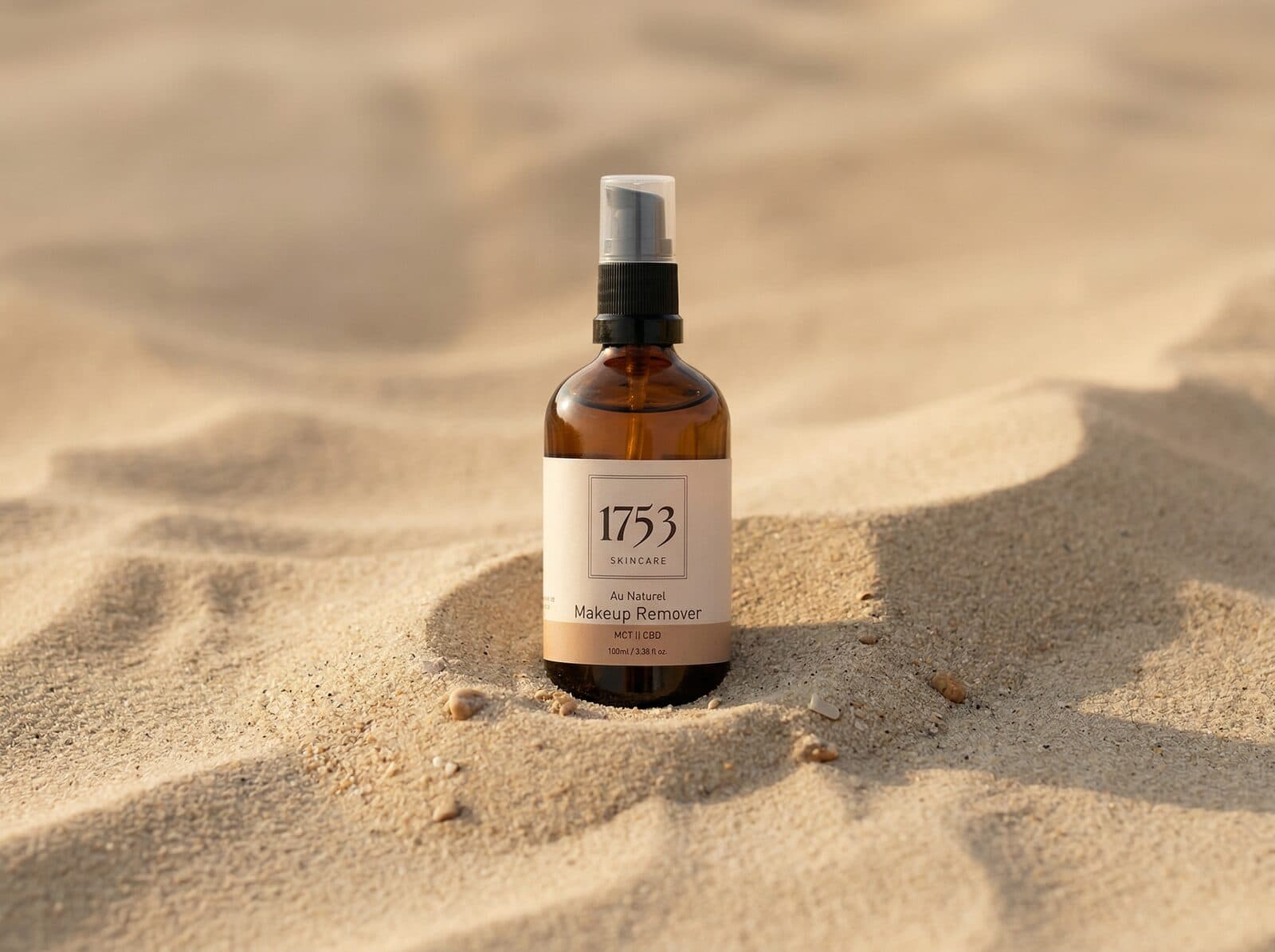
If you want to remove makeup or sunscreen without adding more friction than necessary, Au Naturel Makeup Remover is the obvious choice. It does the job with MCT oil and stays away from most controversial ingredients. This is not a fight against your skin. It’s a way to stop doing more than you need to.
Frequently asked questions
Can benzoyl peroxide help acne?
Yes, for many people with mild to moderate acne it can reduce bacterial load and inflamed breakouts. But that benefit should be balanced against dryness, flaking, and irritation, especially if your skin is already sensitive.
Why does benzoyl peroxide bleach clothes?
The same oxidative mechanism that helps with acne can also react with dyes in fabric. That’s why you often see bleached spots on towels, pillowcases, and collars.
Is benzoyl peroxide bad for the skin barrier?
Not for everyone, but it can be too much if you use it often or pair it with other strong actives. If your skin feels tight, flaky, or stings, it’s a sign to ease off.
Is there a gentler way to approach acne?
Yes, often. A shorter routine with gentle cleansing, skin-regulating oils, and calming products can be more sustainable than trying to dry the skin into control.
Sources
- Proksch E, Brandner JM, Jensen JM. The skin: an indispensable barrier. Exp Dermatol 2008;17(12):1063–1072.
- Byrd AL, Belkaid Y, Segre JA. The human skin microbiome. Nat Rev Microbiol 2018;16(3):143–155.
Article reviewed by Christopher Genberg, founder of 1753 SKINCARE.
Related articles
Myth Busting
Are parabens dangerous – or just overblamed?
Parabens have picked up a pretty heavy reputation in skincare conversations. People often hear about...
Myth Bust
Alcohol in skincare – not always the villain
A lot of people learn one simple rule: if they see alcohol on an ingredient list, they should avoid ...
Myth Buster
Sulfates skin – not the villain, not always the fit
Sulfates often get blamed for everything from dryness to breakouts. But the truth is more nuanced: S...
Ingredient Portrait
mct oil skin – light, clean, surprisingly clever
MCT oil is not just another oil sitting on top of your face. It’s fractionated coconut oil built aro...
Ingredient Portrait
Vitamin e skin – the quiet shield
Vitamin E is one of skincare’s most misunderstood ingredients. It doesn’t act like a flashy quick fi...
Ingredient Portrait
aha bha risks – when smooth skin becomes a bad deal
AHA, BHA and PHA can brighten skin fast, but they can also fool you. What looks like progress is som...