
TREND
Skin fasting – when less can finally feel like enough
Skin fasting sounds simple: stop everything, let the skin breathe, start over. For some, a break from product overload can calm a stressed-out barrier. For others, it turns into dryness, tightness, and more reactivity than before.

Is skin fasting a reset — or just a glossy myth?
The idea behind skin fasting is minimalism: if you stop layering actives, fragrance, and too many cleansers, the barrier may get some breathing room. That part is not nonsense. Less friction, less irritation, and fewer chances to keep poking an already annoyed skin system can absolutely matter.
But the sebum-reboot and microbiome-reset promises get overstated fast. Sebum output is driven by hormones, climate, genetics, and age, not by sheer willpower over a weekend. The microbiome is also influenced by long-term behavior: harsh cleansing, over-exfoliation, and constant product switching can disrupt it more than a short pause ever will.
So yes, some people do notice calmer skin when they step back. But if your skin is already dry, inflamed, or acne-prone, going fully cold turkey can do more harm than good. The 1753 view is simple: not more, not less for the sake of it, but only what your skin actually needs.
How to try it without backfiring
Remove one step first
Don’t slash your entire routine overnight if your skin is already stressed. Drop one product at a time for 7–10 days and watch what actually changes.
Keep cleansing gentle
Skin fasting does not mean stripping your face clean until it squeaks. A mild evening cleanse is often enough, especially if you wear sunscreen or makeup.
Watch the barrier
Tightness, stinging, and extra redness usually mean you’ve gone too far. That’s not “purging” or “detox” — that’s your skin asking you to stop.
Use it as a short test
Skin fasting works better as an experiment than a lifestyle. Try it when your routine feels overloaded, not when your skin is already dry, sensitive, or winter-worn.
Reintroduce slowly
When you add products back, bring them in one by one. That makes it obvious what your skin actually likes, and what was just routine noise.

How to do it without getting lost in trends
If you want to try skin fasting, treat it like a test — not a punishment. Strip things back to a clean, simple baseline and let your skin show you what happens once product overload is out of the picture. A lot of people realize they didn’t need seven steps; they needed a routine that stops fighting the barrier.
That is where 1753’s minimalist trio makes sense: Au Naturel Makeup Remover when you want a gentle cleanse, the DUO kit when your skin needs the full cannabinoid spectrum through The ONE and I LOVE, and Ta-DA serum when you want antioxidant support without the usual skincare circus. It’s not anti-minimalism. It’s minimalism that actually works in real life.
The point is not to choose between doing nothing and doing too much. Choose the smallest routine that keeps your skin calm, clean, and comfortable. Everything else is optional — and that’s exactly the point.
Products we recommend
 Save €34
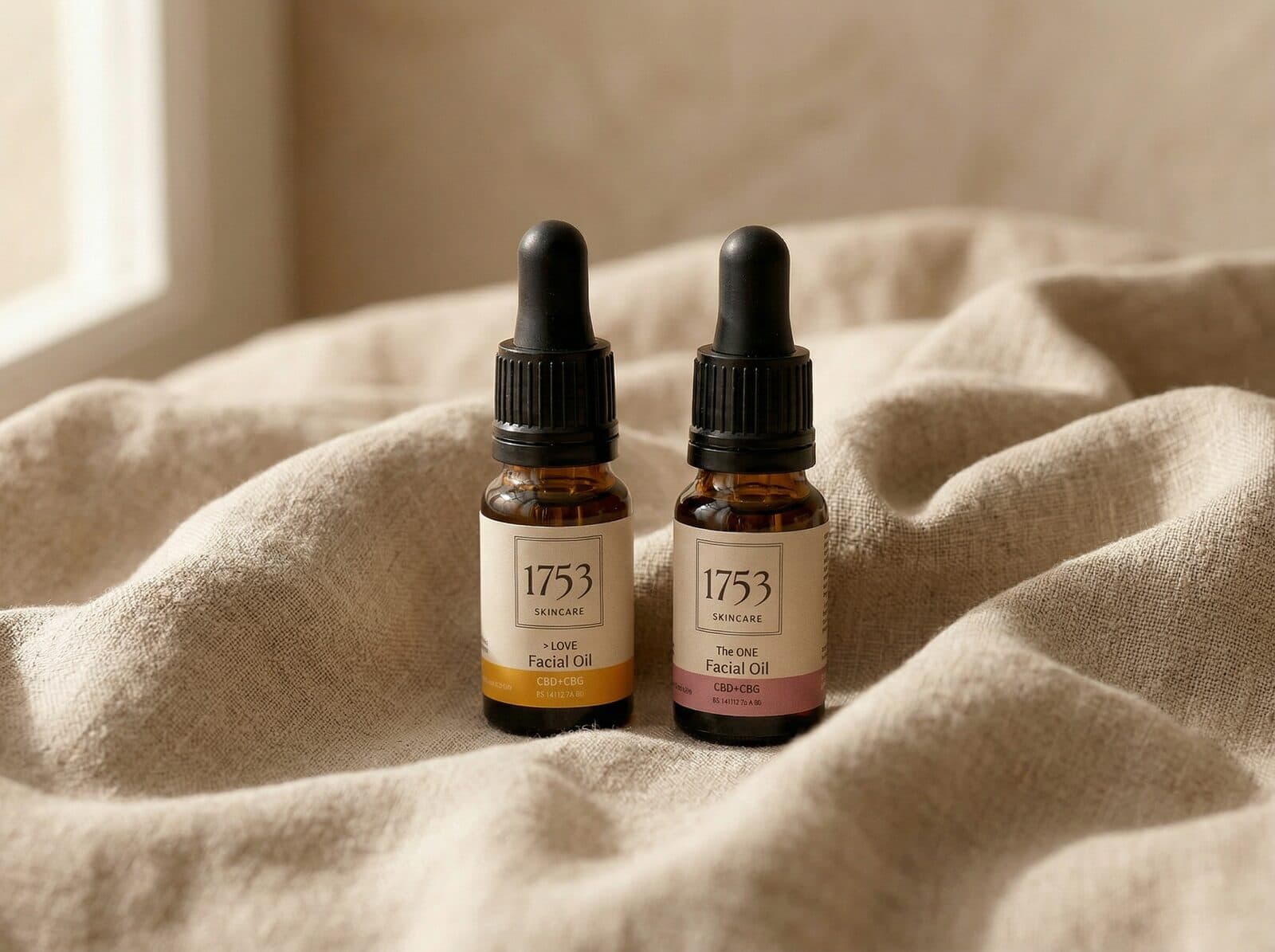
DUO kit
Two face oils, one for morning and one for evening. Simple skincare that works with your skin, not against it.
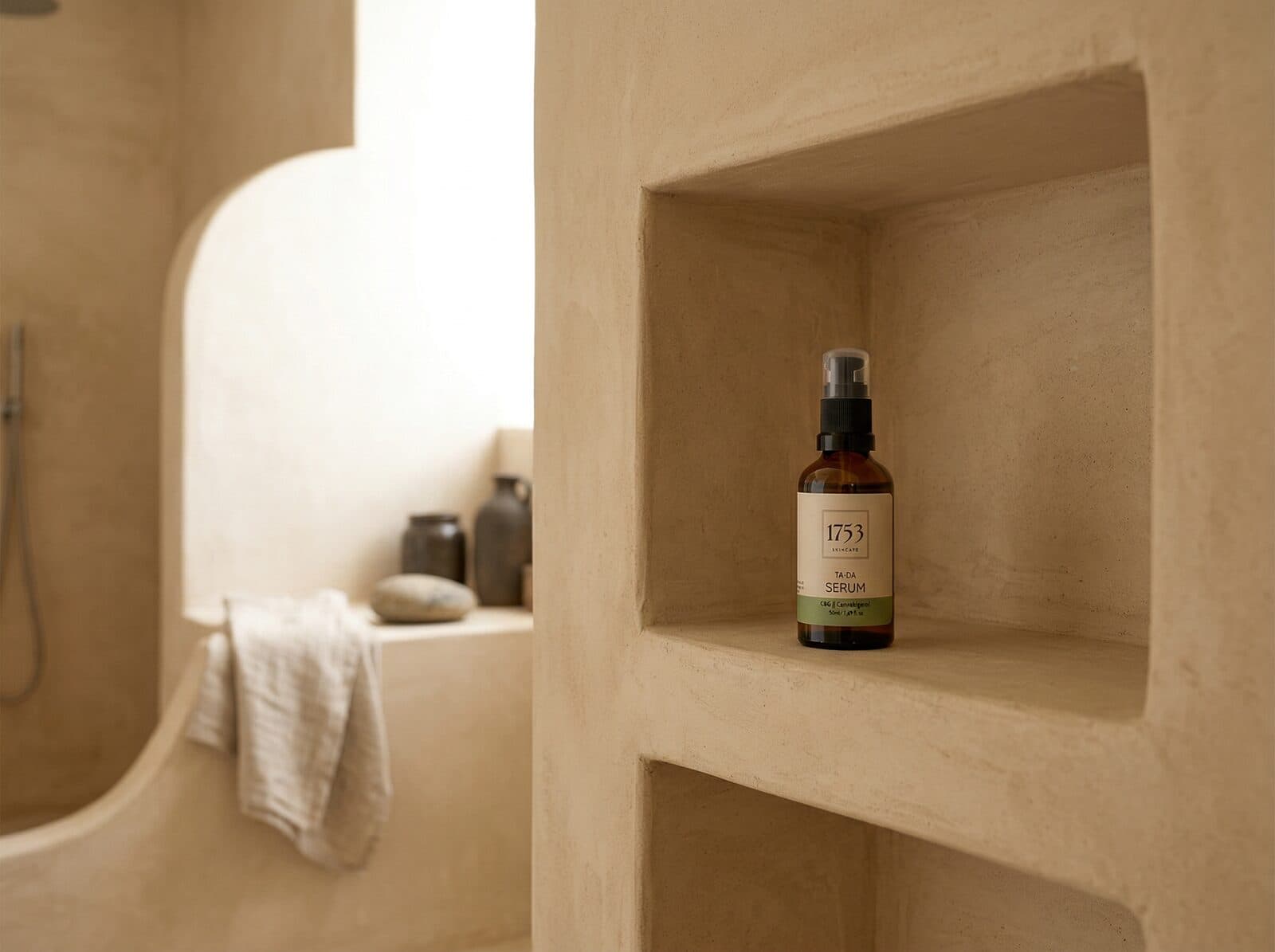
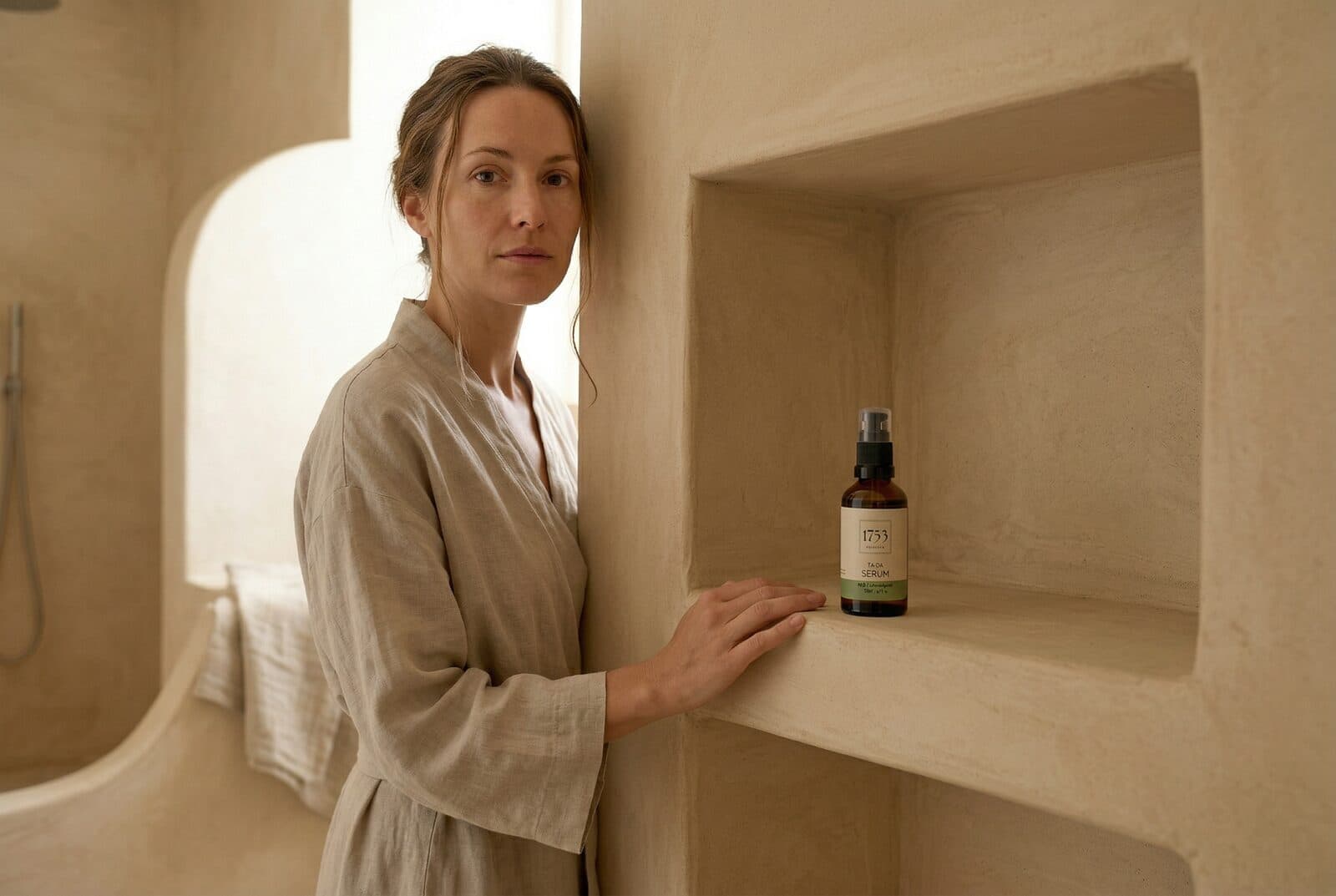
TA-DA Serum
A CBG-powered serum that seals in moisture and adds glow, whatever the season.
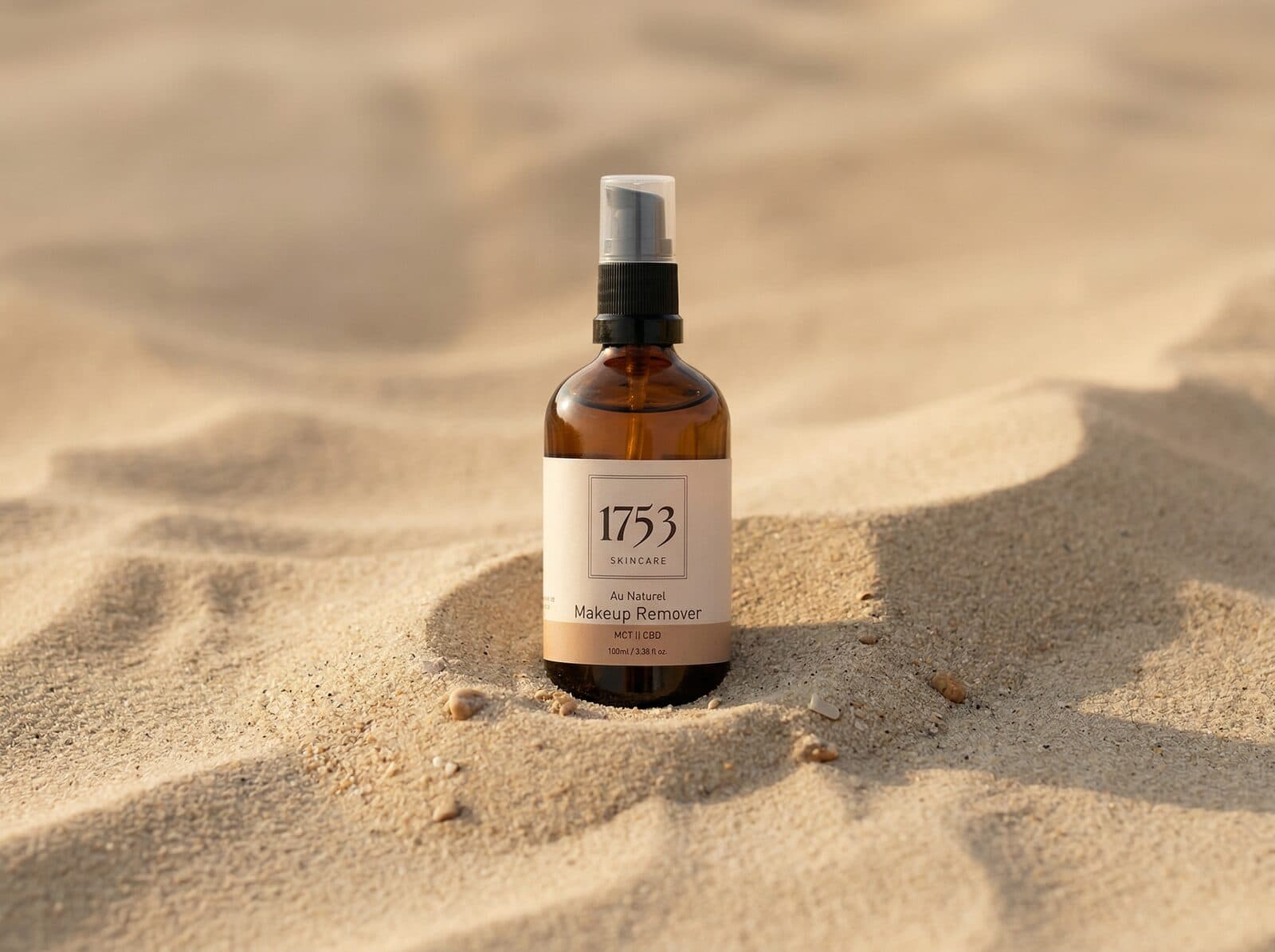
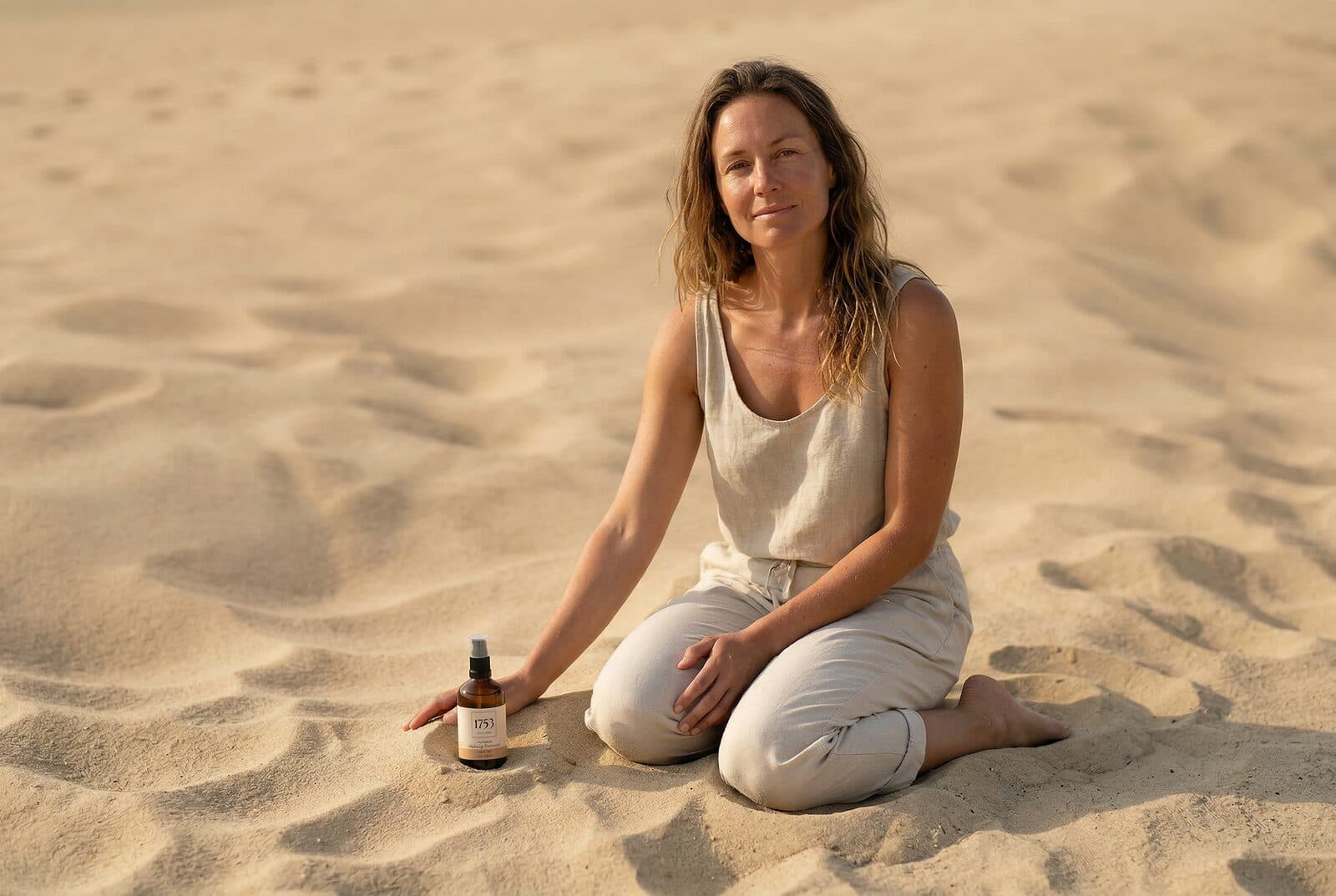
Au Naturel Makeup Remover
A cleansing oil with MCT and CBD that removes makeup and buildup without stripping your skin bare.
Frequently asked questions
How long should skin fasting last?
Start with 1–2 weeks if your skin is stable. If you’re already dry or sensitive, reducing your routine may be smarter than stopping everything.
Can I still wear sunscreen?
Yes. If you’re outside during the day, sunscreen is not a trend discussion. Skin fasting is about removing unnecessary steps, not skipping UV protection.
Is skin fasting good for acne-prone skin?
Sometimes, especially if you’ve overtreated your skin and made it irritated. But if you have active acne, a total pause can be too passive — a simple, balanced routine is often better.
Do I have to stop every product?
No. That’s where people often miss the point. You can absolutely keep a minimal routine and hold on to what genuinely helps without creating product overload.
Sources
- Bíró T, Tóth BI, Haskó G, Paus R, Pacher P. The endocannabinoid system of the skin in health and disease. Trends Pharmacol Sci 2009;30(8):411–420.
- Prescott SL, Larcombe DL, Logan AC, et al. The skin microbiome: impact of modern environments on skin ecology, barrier integrity, and systemic immune programming. World Allergy Organ J 2017;10(1):29.
Article reviewed by Christopher Genberg, founder of 1753 SKINCARE.
Related articles
Trend
Slugging skincare – moisture lock or trap?
Slugging sounds almost too easy: seal everything in at night and wake up softer. Sometimes that’s ex...
Trend
Skin cycling - a neat name for simple logic
Skin cycling took off because it sounds like structure in a skincare world that often does too much....
Trend
Skin flooding – when more starts to feel like less
Skin flooding became a fast favorite for serum lovers: layer after layer of hydration, often on damp...
Ingredient Portrait
cbd for skin – less noise, more balance
CBD for skin is interesting because it doesn’t try to bully the skin into behaving. It works with th...
Ingredient Portrait
cbg for skin – the mother cannabinoid that calms and renews
CBG usually lives in CBD’s shadow, but skin can tell the difference. This is the cannabinoid that ma...
Ingredient Portrait
Jojoba oil skin – wax that works with you
Jojoba oil is not a regular oil, and that is exactly why people keep coming back to it. It comes fro...