
CARE HANDS
doctor hand skin – when your hands never get a break
You wash, sanitize, glove up, disinfect and start over. For many people in healthcare, hands become dry, tight and chronically irritated long before the shift is over. This is not a discipline problem — it is skin being asked to cope with too much, too often.

Why is hand eczema so common in healthcare?
Repeated hand hygiene disrupts the skin barrier. Soap, water and alcohol gel do more than remove dirt and microbes — they also strip away part of the skin’s own lipids. Once the barrier is weakened, transepidermal water loss rises, skin dries faster, and tiny cracks become easy entry points for irritation.
There is solid evidence that frequent hand washing and alcohol-based sanitizing can trigger irritant hand eczema, especially when the skin is already stressed by cold weather, long shifts and constant glove use. That does not mean hygiene is the enemy. It means the skin needs better support between the necessary steps, not harsher products.
Many people try to fix it with a classic barrier cream and call it done, but that often misses the daily recovery piece. If your knuckles sting, your cuticles split and your hands never feel fully comfortable anymore, you are not doing anything wrong. You just need a smarter way to protect skin that is under real pressure.
Five small changes that help
Wash less harshly
Use lukewarm water and a gentle cleanser when you actually need one. The less mechanical stress you create, the less likely the skin is to go from dry to cracked in one shift.
Moisturize right after
Keep something nearby that is quick enough to use between patients. Moisture is held in best when you apply it right after washing, before the tightness fully sets in.
Rethink glove time
Change gloves regularly and avoid unnecessary occlusion. Heat and trapped moisture make already irritated skin more vulnerable over the course of a long day.
Make evening repair real
At night, skin finally gets a chance to recover. That is when a more restorative routine can do the most, without interfering with the hygiene demands of the day.
Support skin from within
If you are doing everything on the outside and still feel like you are falling behind, an oral supplement can be a simple add-on. Not magic — just extra support for a stressed barrier.

How to build a routine that actually works
The answer is usually not another “strong” cream. For doctor hand skin, the goal is to reduce load where you can and give the skin the right signals once the shift is over. Morning should be quick; evening should focus on recovery.
In the morning, Au Naturel Makeup Remover works well as a gentle cleanser if your hands need to remove residue without being stripped. During the day, keep your hygiene routine as required, but avoid unnecessary harsh products whenever possible. At night, the DUO kit makes sense as a simple two-step reset: The ONE for a regulating CBD oil, and I LOVE for calming CBG support when the skin feels reactive, tight or irritated.
If you want a more complete base of support, Fungtastic Mushroom Extract can be taken with breakfast as a quiet, consistent add-on. This is not a quick fix. It is a three-minute routine that respects the reality of healthcare: frequent hand hygiene, very little time, and skin that needs help staying intact.
Products we recommend

 Save €34
DUO kit
Two face oils, one for morning and one for evening. Simple skincare that works with your skin, not against it.


Au Naturel Makeup Remover
A cleansing oil with MCT and CBD that removes makeup and buildup without stripping your skin bare.
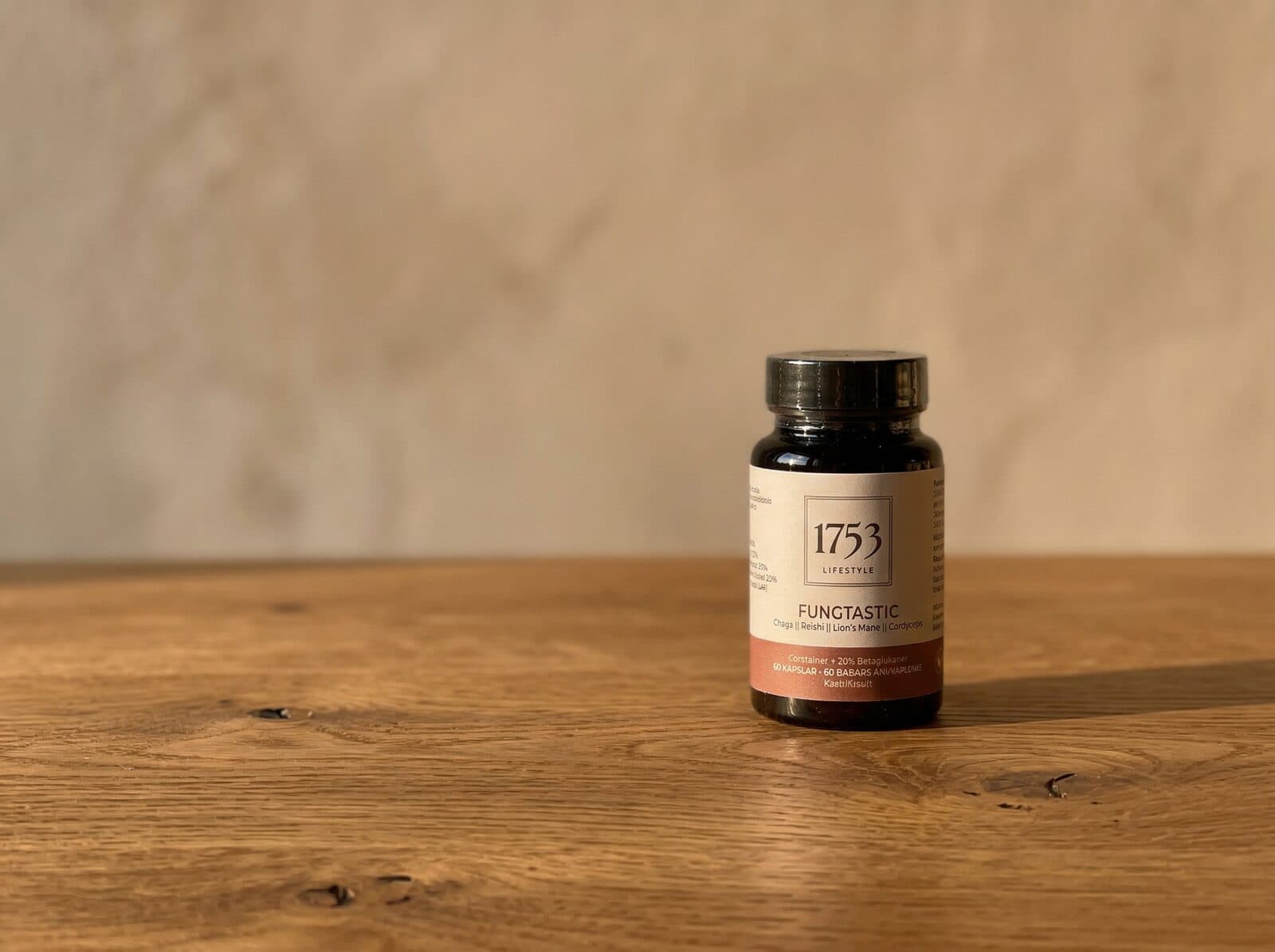

Fungtastic Mushroom Extract
Four mushrooms in one formula to support immunity, focus, energy and sleep from within.
Frequently asked questions
Is alcohol gel bad for hands?
Not by itself. Alcohol gel is often a better hygiene choice than repeated soap and water, but it can dry the skin if the barrier is already stressed. The key is pairing it with smart hydration and less friction when possible.
What is the difference between dry skin and hand eczema?
Dry skin is usually tight and flaky, while hand eczema can also include redness, burning, cracks and itch. In healthcare, one often turns into the other when the hands are under constant stress.
Should I use barrier cream all day?
It can help as protection, but it rarely does the whole job alone. Think in layers: protection before the shift, quick moisture after washing, and a more restorative evening routine.
How soon might I notice a difference?
Many people feel less tightness within a few days once the routine is consistent. Cracks and long-term irritation take longer to settle, especially if the hands are still exposed to frequent hygiene steps.
Sources
- Chen Y, Lyga J. Brain-skin connection: stress, inflammation and skin aging. Inflamm Allergy Drug Targets 2014;13(3):177–190.
- Engebretsen KA, Johansen JD, Kezic S, Linneberg A, Thyssen JP. The effect of environmental humidity and temperature on skin barrier function and dermatitis. J Eur Acad Dermatol Venereol 2016;30(2):223–249.
Article reviewed by Christopher Genberg, founder of 1753 SKINCARE.
Related articles
SCREEN TIME
screen time skin – when work shows up on your face
Full days in front of a screen don’t just live in your calendar. They show up in your skin: tightnes...
SHIFT WORK
Shift work skin – when your body and skin fall out of sync
Night shifts, early starts, random meals and sleep that never quite lands. Shift work skin often sho...
WorkSkin
Flight crew skin – when the cabin takes it all
Cabin humidity, long shifts and zone hopping are a rough mix for skin. It can feel tight, dull and i...
SYMPTOM
Itchy skin – why nights make it worse
You finally lie down, and then it starts. The itch that was manageable all day suddenly takes over y...
Symptom
Flaky skin – when your skin starts shedding
When skin starts lifting in little flakes, it’s tempting to assume it needs a stronger cleanser, ano...
Symptom
Dry skin around mouth – when the skin pushes back
It often starts as tightness, flaking or tiny red patches right around the mouth. Sometimes it sting...