
Skin Food
Anti inflammatory diet skin – what are you actually eating?
You may be eating “clean” and still dealing with skin that is red, bumpy, oily, or easily irritated. That mismatch is maddening. Let’s cut through the noise and look at what food can realistically do for your skin, without fear-based rules or skincare theatrics.

Why does skin react when the food looks healthy?
Skin is not separate from the rest of the body. When blood sugar swings hard, when the gut is under pressure, or when inflammatory signals rise, skin can answer with redness, congestion, or a general sense that something is off. It is rarely one single food; more often it is a pattern.
There is solid interest in how omega-3, polyphenols, and lower intake of fast-acting sugar may influence inflammation and barrier function. At the same time, mainstream skincare often sells the opposite solution: harsher cleansing, stronger acids, more actives. For a stressed barrier, that can be like shouting at a nervous system that already heard enough.
Dairy is fine for some people and a real trigger for others. Sugar is similar: not a moral issue, just biology. If you are getting persistent breakouts, swelling, intense itching, or sudden changes that do not settle, see a doctor. We support skin; we do not diagnose it.
Here is what to do now
Cut the sugar spikes
Start with breakfast, snacks, and drinks. Fast spikes often hide there, and your skin may be paying the price long before you connect the dots.
Add omega-3 regularly
Think fatty fish, walnuts, and other reliable sources that help keep inflammatory load more balanced. Consistency beats extreme clean-eating swings.
Lean into polyphenols
Berries, green tea, herbs, cocoa, and deeply coloured plants are easy ways to give your body more compounds that support a calmer internal environment.
Test dairy with intention
If you suspect dairy is involved, pause it for a few weeks and track your skin. Then reintroduce systematically instead of guessing and spiralling.
Cleanse without stripping
Do not attack your skin because it is upset. A gentle cleanser, used once or twice a day, is often enough when the goal is less stress, not more.

How to actually solve it
Long-term skin support starts with both inside and outside. More omega-3, more polyphenols, less sugar stress, and an honest look at dairy can do more than another miracle serum. Skin tends to calm down when the body is not constantly putting out tiny fires.
That is where the 1753 approach makes sense: the DUO-kit can help calm the surface with The ONE and I LOVE when skin feels reactive, Au Naturel Makeup Remover gives you a mild cleanse without stripping patience out of the barrier, and Fungtastic Mushroom Extract offers an internal support angle for immunity and gut health. Not as a replacement for food, but as a smarter base.
If you want anti inflammatory diet skin to be a real strategy rather than a trend, this is the sturdier route: fewer internal triggers, gentler external care, and a routine that respects the barrier instead of fighting it. That is usually where better skin starts to feel less like luck and more like common sense.
Products we recommend
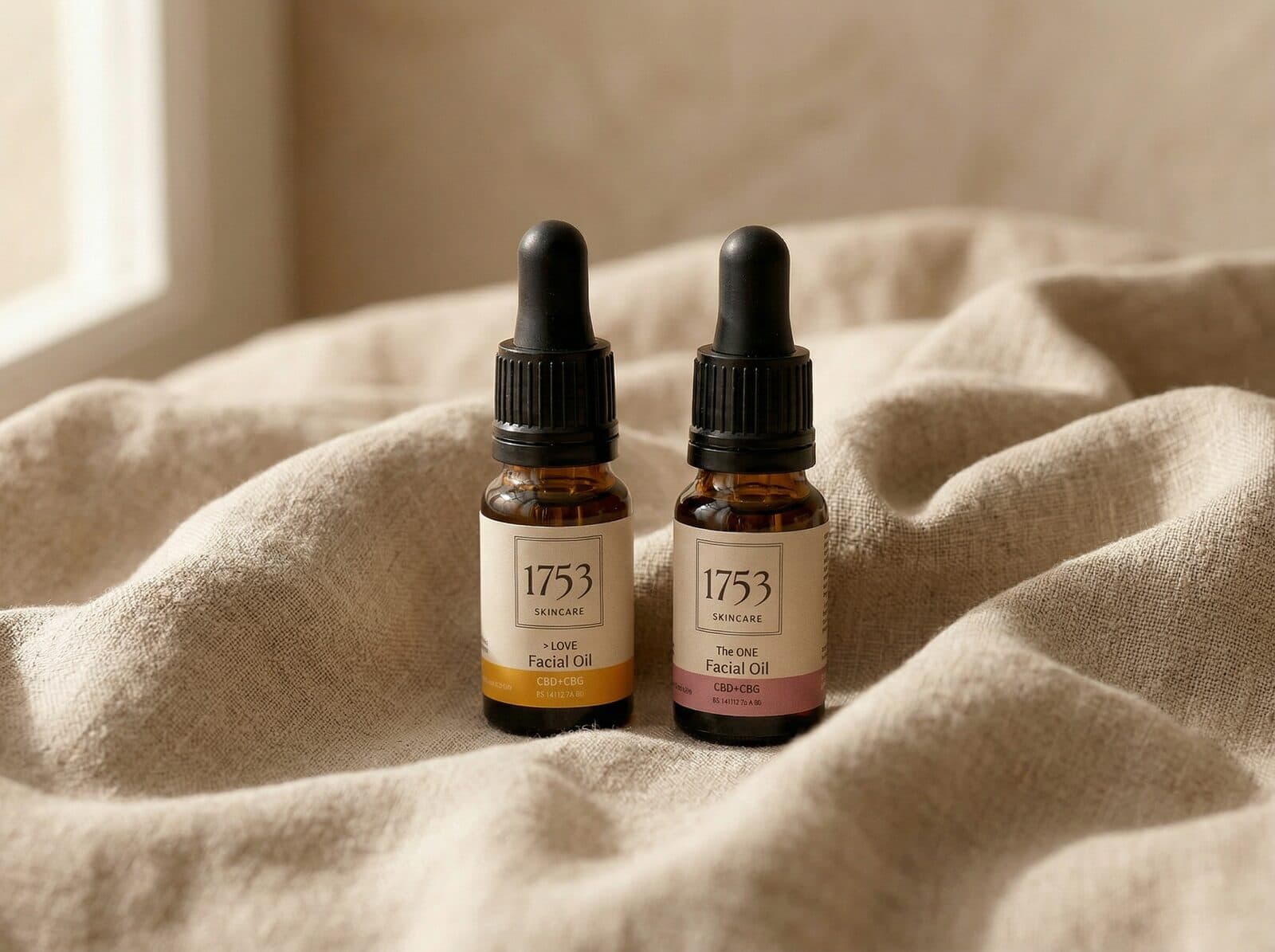
 Save €34
DUO kit
Two face oils, one for morning and one for evening. Simple skincare that works with your skin, not against it.
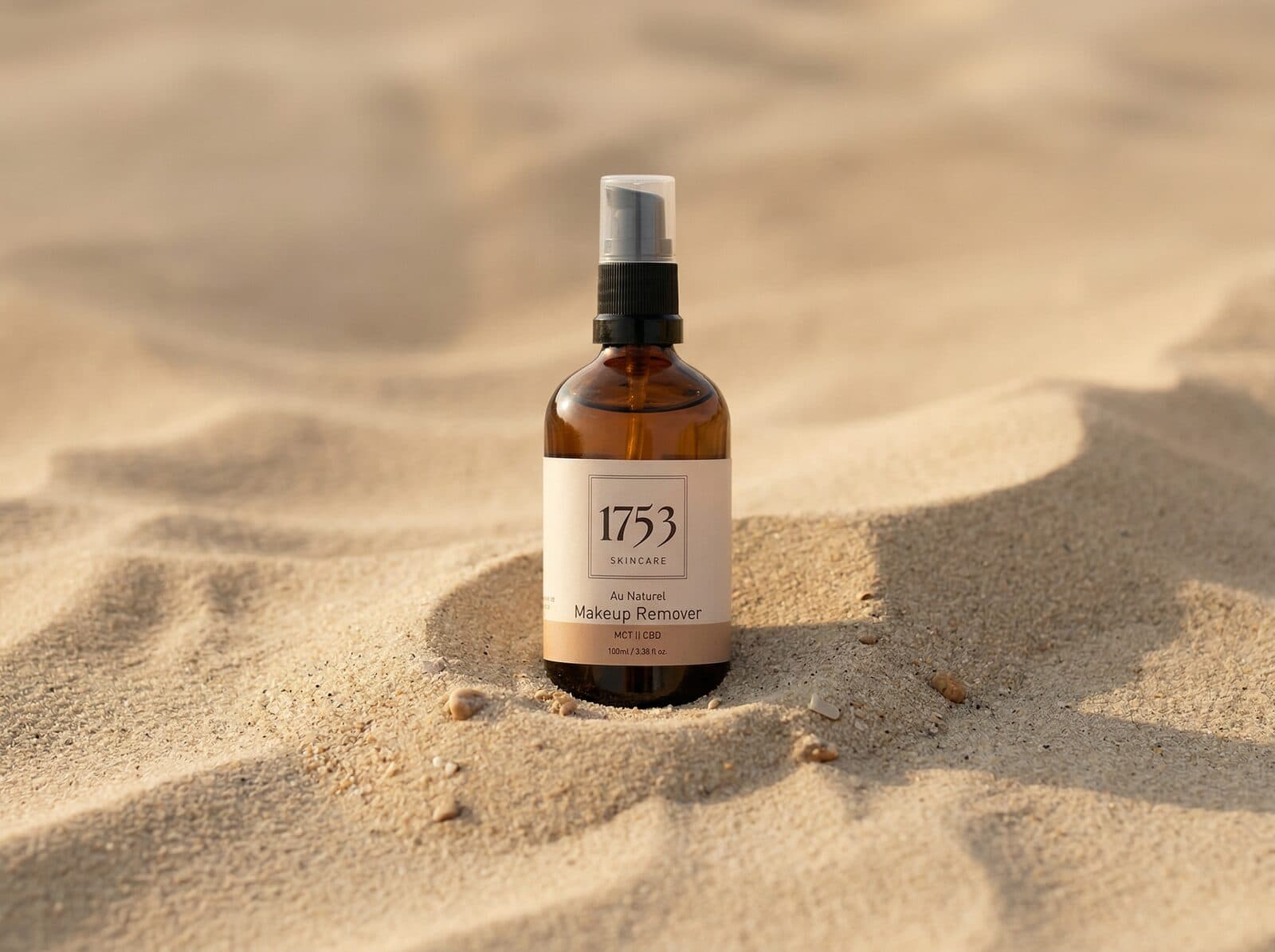
Au Naturel Makeup Remover
A cleansing oil with MCT and CBD that removes makeup and buildup without stripping your skin bare.
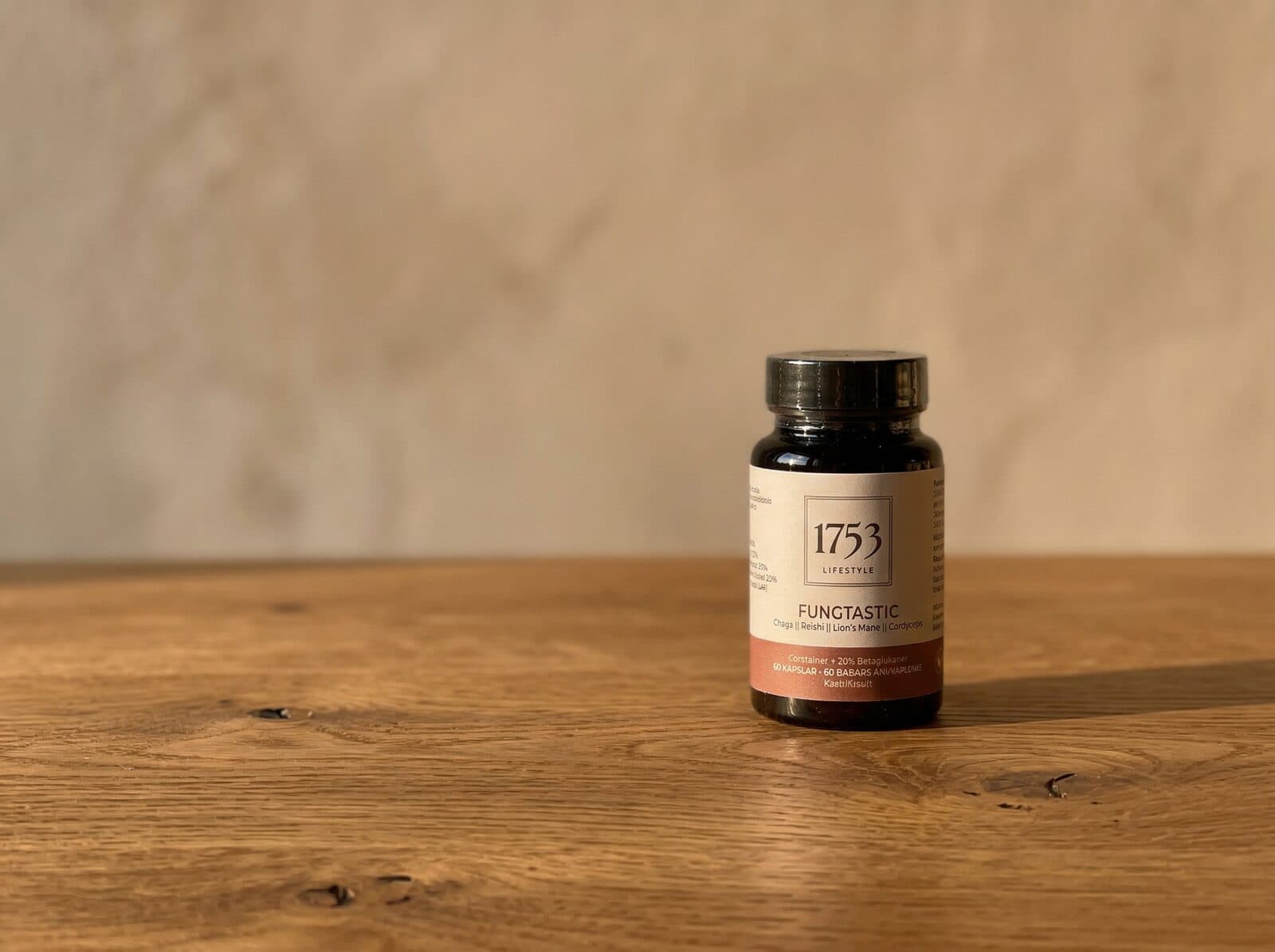
Fungtastic Mushroom Extract
Four mushrooms in one formula to support immunity, focus, energy and sleep from within.
Frequently asked questions
How fast will diet changes show on skin?
It varies, but skin usually needs several weeks before a clear pattern shows. Look for trends over time rather than expecting overnight changes.
Do I need to quit dairy completely?
Not always. If you suspect dairy is contributing, try a clear pause and then reintroduce it systematically. The point is to observe, not to panic.
Is sugar always bad for skin?
Not always, but frequent high-sugar hits can be unnecessary stress for some skin types. The context matters: how often, how much, and what else you eat with it.
Can skincare replace diet changes?
Not fully. Skincare can soothe and support the barrier, but it cannot always offset an internal system that is overloaded. The best results often come from both sides working together.
Sources
- Byrd AL, Belkaid Y, Segre JA. The human skin microbiome. Nat Rev Microbiol 2018;16(3):143–155.
- Salem I, Ramser A, Isham N, Ghannoum MA. The Gut Microbiome as a Major Regulator of the Gut-Skin Axis. Front Microbiol 2018;9:1459.
- Chen Y, Lyga J. Brain-skin connection: stress, inflammation and skin aging. Inflamm Allergy Drug Targets 2014;13(3):177–190.
Article reviewed by Christopher Genberg, founder of 1753 SKINCARE.
Related articles
SYMPTOM
Itchy skin – why nights make it worse
You finally lie down, and then it starts. The itch that was manageable all day suddenly takes over y...
Symptom
Flaky skin – when your skin starts shedding
When skin starts lifting in little flakes, it’s tempting to assume it needs a stronger cleanser, ano...
Symptom
Dry skin around mouth – when the skin pushes back
It often starts as tightness, flaking or tiny red patches right around the mouth. Sometimes it sting...
Skin Barrier
Skin microbiome – why balance changes everything
Your skin is not sterile. It’s an ecosystem where trillions of microbes help keep the barrier strong...
Condition
Hormonal acne – why it keeps coming back
Deep breakouts around the chin, jaw and lower face are rarely just “bad skin.” More often, they’re a...
Skin Condition
Seborrheic dermatitis – why skin flakes
Red, flaky, stubborn. Seborrheic dermatitis loves the places where skin is richest in sebum: the T-z...