
Myth Busting
Alcohol toner – the old astringent logic
There was a time when a strong toner felt like proof that skin was finally clean. That tight, squeaky feeling was treated as success. Today we know better: the skin barrier and microbiome do not love being stripped on autopilot.

Does skin really need that dry finish?
The myth around alcohol toner comes from an era when astringents like witch hazel and denatured alcohol were sold as the answer to shine, pores and “dirty” skin. But tightness is not the same thing as balance. When alcohol flashes off quickly, lipids, moisture and part of the skin’s natural defense often go with it.
Research points more toward the idea that the skin’s pH microbiome does best with gentleness, not repeated degreasing. Push cleansing too hard and you can disturb the barrier, increase water loss and make skin more reactive. Of course, it depends on the formula: a small amount of alcohol in a thoughtful product is not the same as the old tonic-revolution rule of “the drier, the better.”
So yes, some people like the instant matte finish from an alcohol toner. The real question is what skin pays for that effect over time. If your skin feels tight, red or unpredictable after toner, that is not a personal failure. It is often a sign that the method is old, not that your skin is difficult.
Five smarter moves today
Check the label
Look for denatured alcohol high up on the list or classic astringents like witch hazel in a dominant role. The shorter and clearer the list, the easier it is to see what skin is getting.
Trade tight for calm
If your skin feels “super clean” but also dry afterward, that is usually a warning sign. Choose something that leaves skin calm and comfortable, not squeaky.
Respect pH
The skin’s acid mantle is not a trend, it is practical protection. Products that respect pH and the microbiome help skin stay less reactive in daily life.
Remove the extras
You do not need a 10-step ritual to feel in control. A gentle cleanse and balanced hydration go a long way when skin is already stressed.
Notice the after-feel
How your skin feels an hour later tells you more than the first wow moment. Stinging, tightness and surface dryness often mean the product is too aggressive for you.

What actually works instead
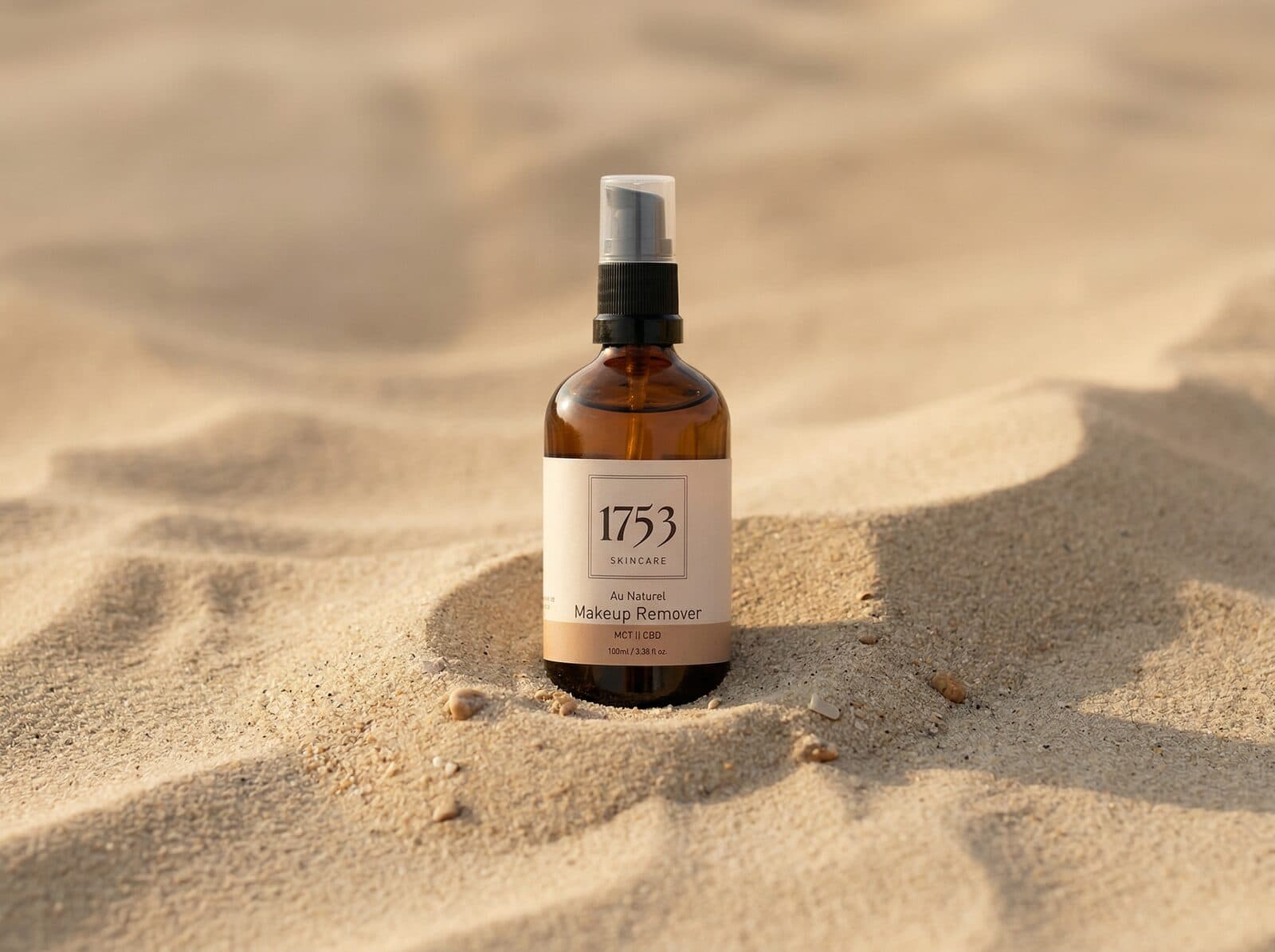
If you want to move away from old alcohol toner logic, start by making skincare less dramatic. Au Naturel Makeup Remover is an MCT-based, gentle cleanser that removes dirt and makeup without turning the whole experience into degreasing. It follows a different philosophy: remove what needs to go, leave the rest alone.
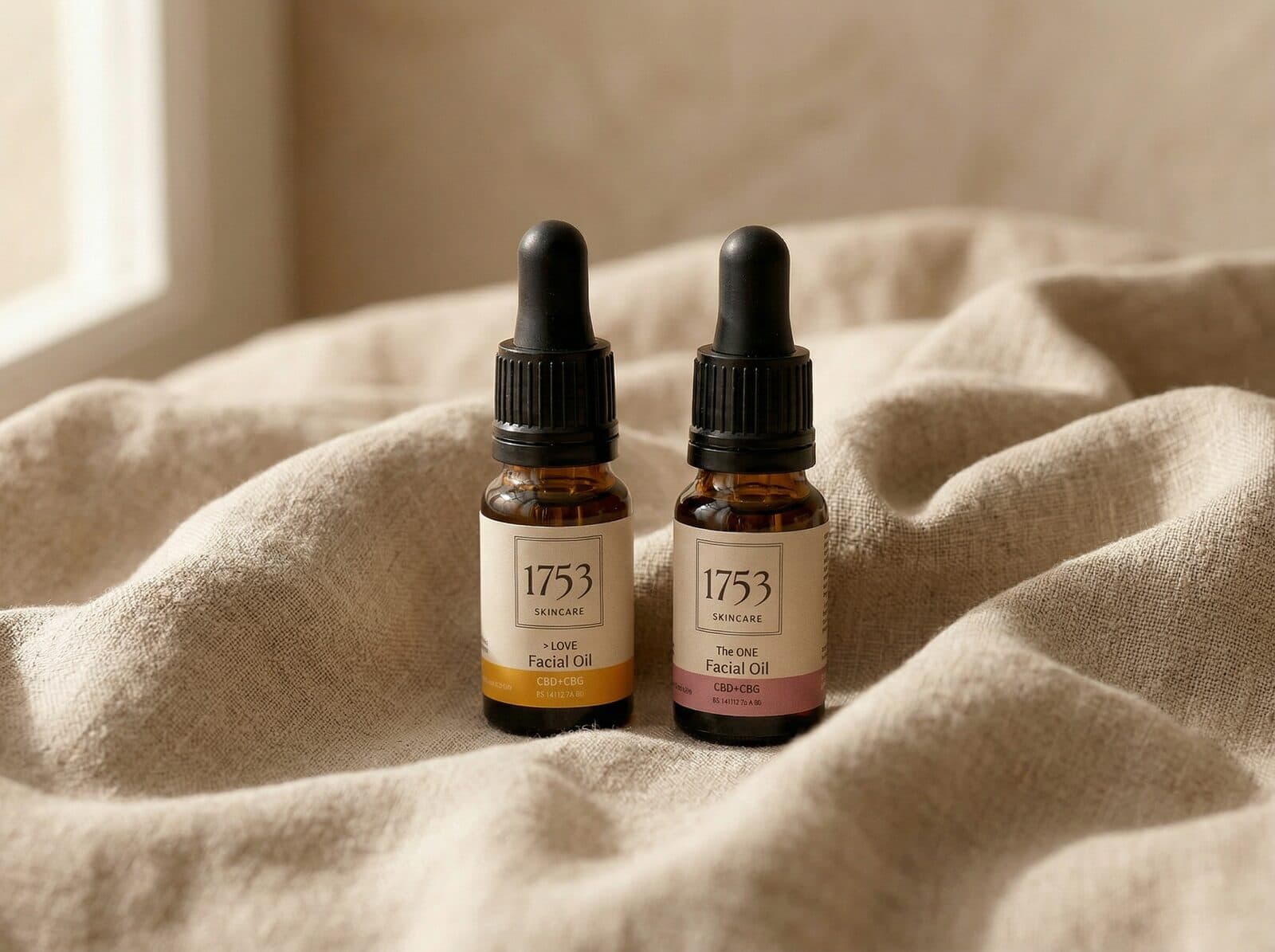
For skin that gets irritated or out of balance easily, I LOVE is a natural next step. The CBG serum is calming and antibacterial without feeling like another hit to the barrier. And if you want that clear 1753 feeling of less noise and more substance, the DUO kit with The ONE and I LOVE is a smart way to give skin full-spectrum cannabinoids, with a short ingredient list and no unnecessary preservatives.
This is not anti-everything. It is anti-overkill. Skin rarely needs more astringents, more foam or more “tonic-revolution.” It needs consistency, respect and products that do their job without fighting the pH microbiome. That is where 1753 fits in: fewer compromises, less noise, more skin allowed to be skin.
Frequently asked questions
Are all alcohol toners bad?
Not automatically. It depends on the amount, the full formula and your skin’s tolerance. But if alcohol is the main act and your skin feels tight afterward, you can probably do better.
What is the difference between alcohol and witch hazel?
Witch hazel is often used as an astringent and can feel tightening, but the effect depends on the formula. If it is paired with a lot of alcohol, the product often ends up more drying than soothing.
Why talk about pH and the microbiome?
Because skin is not an empty surface. pH affects the barrier and which microorganisms thrive there. When balance is disturbed, skin can become more sensitive, red or easily irritated.
What should I use instead of a strong toner?
Choose a gentle cleanser and a product that supports skin instead of stripping it. Au Naturel Makeup Remover, I LOVE and the DUO kit are good examples of a more respectful routine.
Sources
- Proksch E, Brandner JM, Jensen JM. The skin: an indispensable barrier. Exp Dermatol 2008;17(12):1063–1072.
- Byrd AL, Belkaid Y, Segre JA. The human skin microbiome. Nat Rev Microbiol 2018;16(3):143–155.
Article reviewed by Christopher Genberg, founder of 1753 SKINCARE.
Related articles
Myth Busting
Are parabens dangerous – or just overblamed?
Parabens have picked up a pretty heavy reputation in skincare conversations. People often hear about...
Myth Bust
Alcohol in skincare – not always the villain
A lot of people learn one simple rule: if they see alcohol on an ingredient list, they should avoid ...
Myth Buster
Sulfates skin – not the villain, not always the fit
Sulfates often get blamed for everything from dryness to breakouts. But the truth is more nuanced: S...
Ingredient Portrait
mct oil skin – light, clean, surprisingly clever
MCT oil is not just another oil sitting on top of your face. It’s fractionated coconut oil built aro...
Ingredient Portrait
Vitamin e skin – the quiet shield
Vitamin E is one of skincare’s most misunderstood ingredients. It doesn’t act like a flashy quick fi...
Ingredient Portrait
aha bha risks – when smooth skin becomes a bad deal
AHA, BHA and PHA can brighten skin fast, but they can also fool you. What looks like progress is som...