
SYMPTOMS
Alcohol and acne – why your face tells the story later
You don’t always wake up with the breakout. More often it shows up 24–48 hours later: more bumps, a shinier forehead, flushed cheeks, or skin that feels thin and irritated. That’s not random, and it’s not just “bad skin.”

Why does alcohol trigger breakouts after the fact?
Alcohol hits the skin from several angles at once. First there’s dehydration: your body prioritizes processing alcohol, and you lose water faster. A drier barrier is easier to irritate, which can make oiliness, redness and tiny inflamed spots more visible.
Then there’s the less glamorous part: liver load. Your liver is busy breaking down alcohol, and when that system is under strain, the skin can show it through puffiness, redness and a general loss of balance. Research has linked alcohol with increased inflammation and altered barrier function, both of which can worsen acne-prone skin.
For some people, histamine is a big piece of the puzzle. Wine, especially red wine, can trigger histamine reactions that look like flushing, itching, swelling or acne-like eruptions. The point is simple: your skin is reacting to the whole chain, not just the drink itself. If you get severe swelling, breathing issues or sudden widespread rash, get medical help.
What to do tonight
Drink water before bed
Have a large glass before sleep and another when you wake up. It won’t erase the night, but it can soften the dehydration hit your skin feels.
Use a gentle cleanse
Skip harsh foaming cleansers that leave skin tight. A soft oil cleanse removes sweat, SPF and makeup without pushing an already stressed barrier further.
Leave the skin alone
No scrub, no acid overload, no emergency overcorrection. When skin is already irritated, more aggression usually means more inflammation.
Eat a real meal
Protein, fat and carbs help steady the body better than late-night snacks on an empty stomach. That can matter more than people want to admit.
Sleep as long as you can
Skin recovery doesn’t happen in a rushed morning. Give your system a chance to shift out of stress mode and into repair mode.

How to actually help the skin recover
If alcohol and acne tend to travel together for you, stop attacking the skin after a night out. Alcohol often leaves the barrier drier and the skin more reactive, so it needs calm, not more stripping. Au Naturel Makeup Remover is a gentle way to clear away residue without roughing up skin that is already on edge.
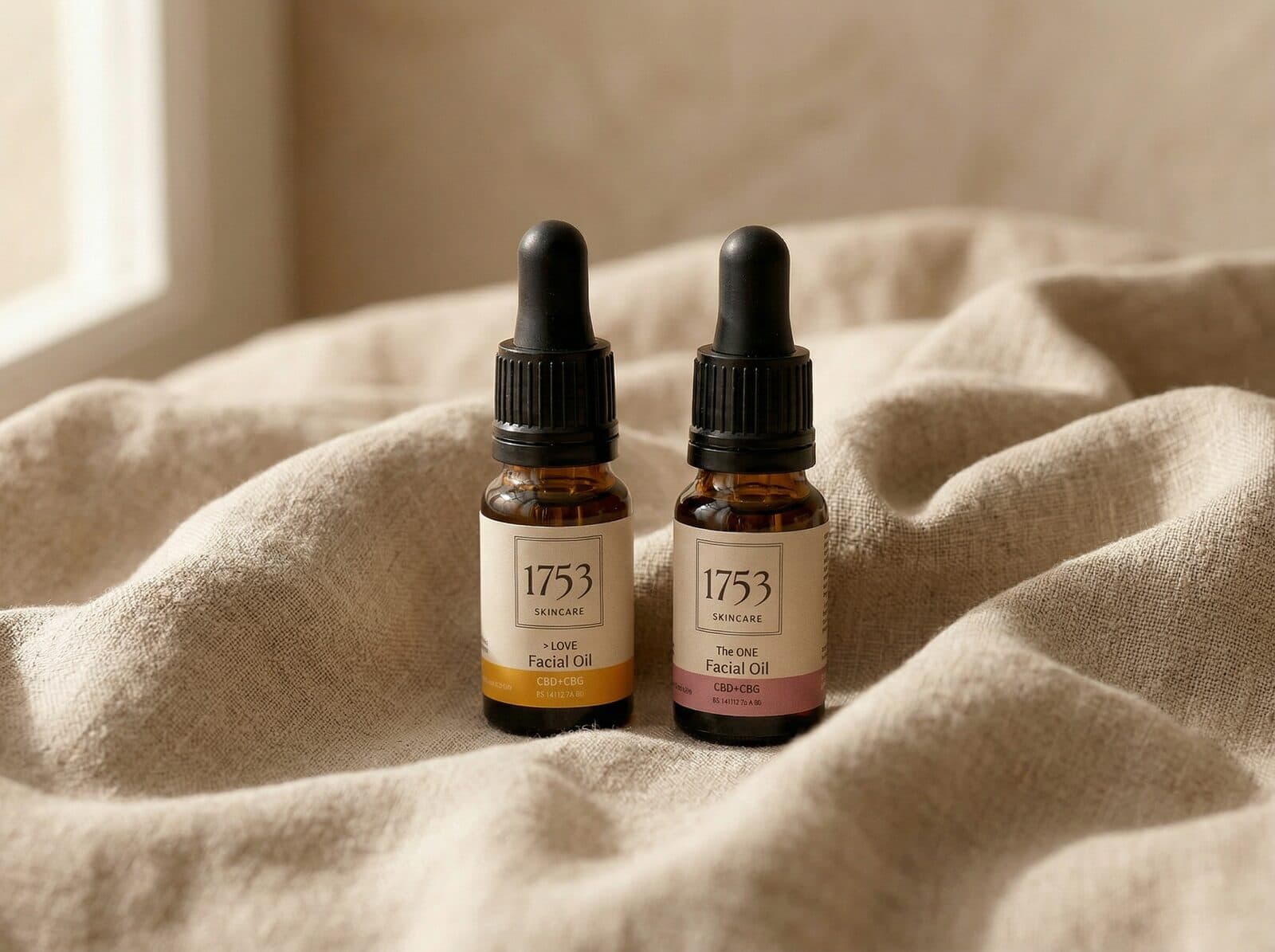
When the face feels hot, shiny or irritated, barrier-first care makes sense. The DUO-kit with The ONE and I LOVE is built to soothe and rebalance skin when it feels off. It is not a magic reset, but it is a far more sensible move than drying the skin out and hoping it behaves.
If breakouts keep following alcohol, it can also help to support the bigger picture from within. Fungtastic Mushroom Extract fits naturally into a routine that respects the gut, immune system and skin connection. Long term, the goal is not to punish your face for a drink; it’s to build skin that handles real life better.
Products we recommend
 Save €34
DUO kit
Two face oils, one for morning and one for evening. Simple skincare that works with your skin, not against it.
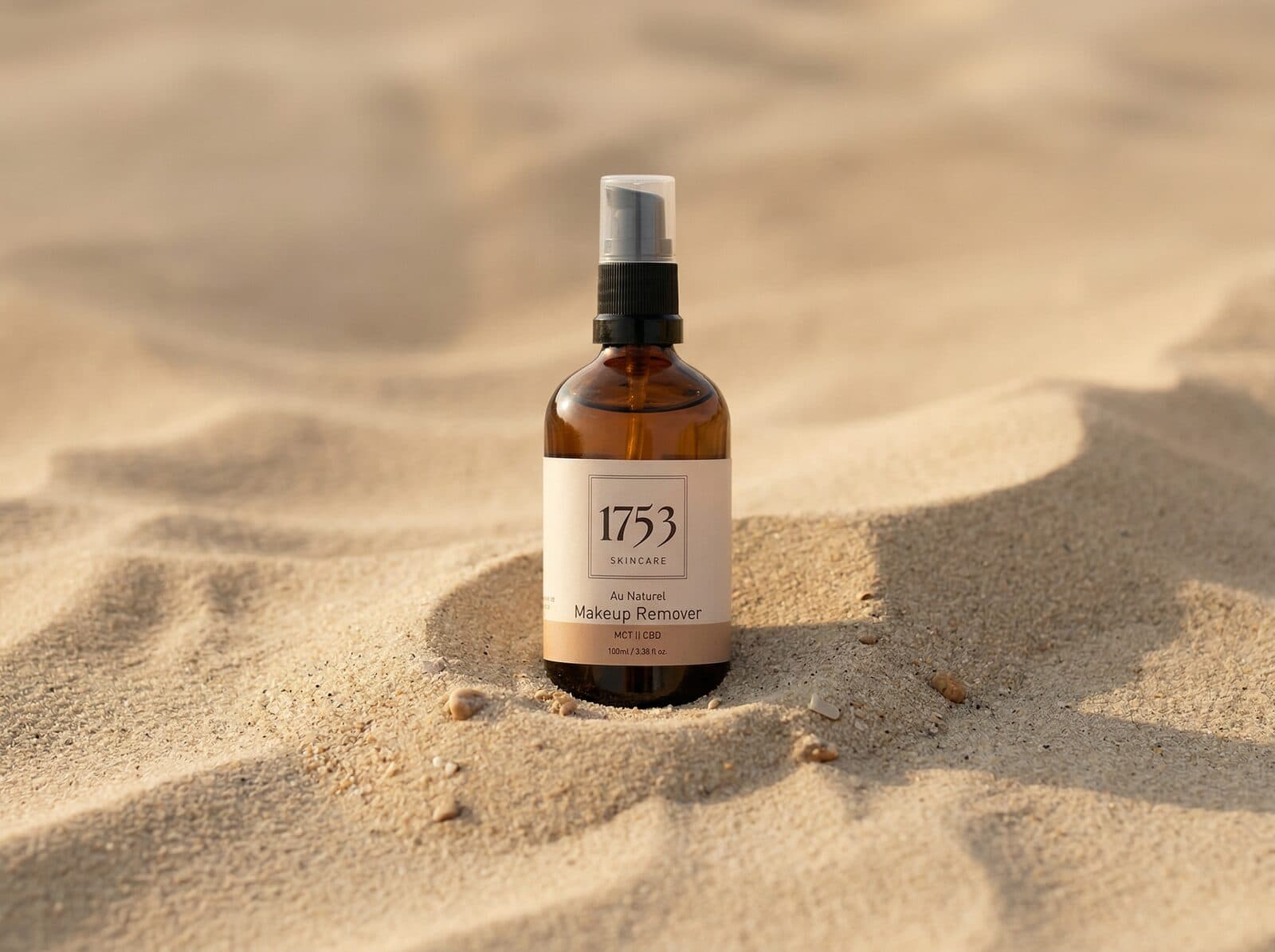
Au Naturel Makeup Remover
A cleansing oil with MCT and CBD that removes makeup and buildup without stripping your skin bare.
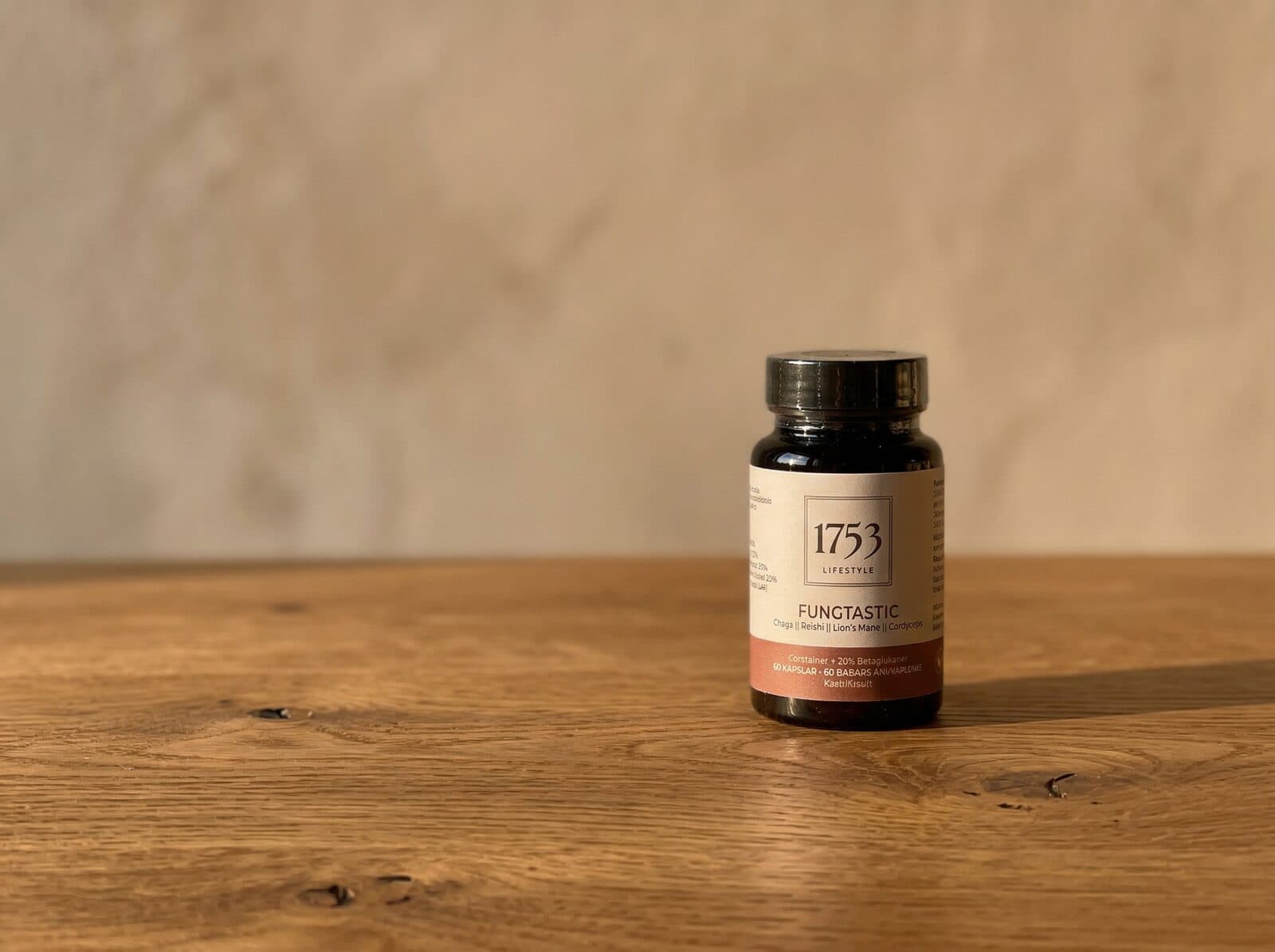
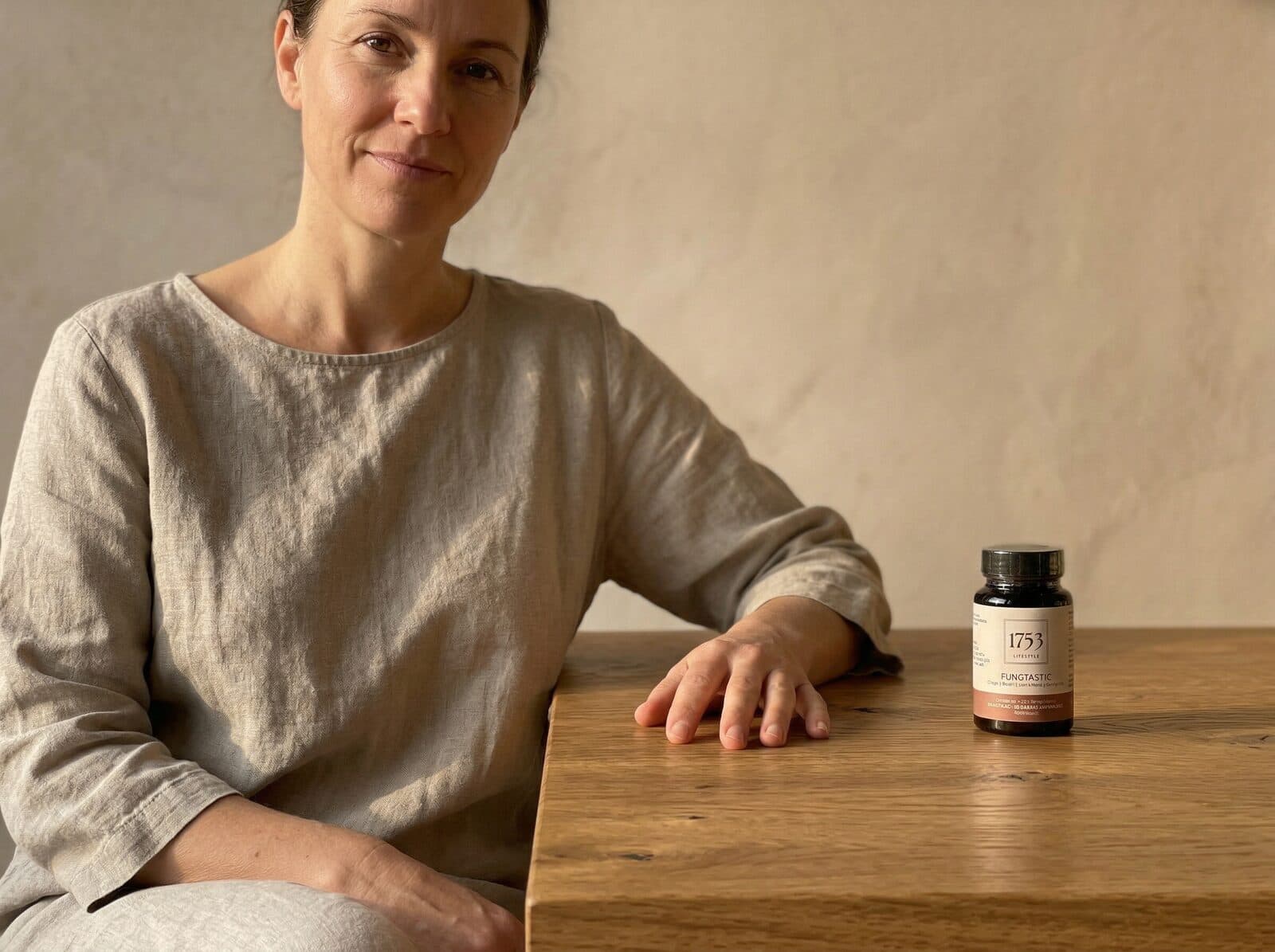
Fungtastic Mushroom Extract
Four mushrooms in one formula to support immunity, focus, energy and sleep from within.
Frequently asked questions
Why do I break out two days after drinking?
That delay is common. The body first deals with dehydration, poor sleep and inflammation, and only then does the skin show the fallout 24–48 hours later.
Is red wine worse than beer?
For some people, yes. Red wine can be more likely to trigger histamine-related flushing and irritation, while beer may show up more as puffiness or dull, tired skin.
Does this mean I’m allergic to alcohol?
Not necessarily. It may be histamine, liver load, dehydration or sensitive skin reacting to a mix of triggers. If symptoms are strong or unusual, talk to a doctor.
Can I prevent alcohol and acne completely?
Not always, but you can often reduce the reaction. Drink more slowly, eat properly, sleep more, and keep your post-night-out routine simple and gentle.
Sources
- Byrd AL, Belkaid Y, Segre JA. The human skin microbiome. Nat Rev Microbiol 2018;16(3):143–155.
- Salem I, Ramser A, Isham N, Ghannoum MA. The Gut Microbiome as a Major Regulator of the Gut-Skin Axis. Front Microbiol 2018;9:1459.
- Chen Y, Lyga J. Brain-skin connection: stress, inflammation and skin aging. Inflamm Allergy Drug Targets 2014;13(3):177–190.
Article reviewed by Christopher Genberg, founder of 1753 SKINCARE.
Related articles
SYMPTOM
Itchy skin – why nights make it worse
You finally lie down, and then it starts. The itch that was manageable all day suddenly takes over y...
Symptom
Flaky skin – when your skin starts shedding
When skin starts lifting in little flakes, it’s tempting to assume it needs a stronger cleanser, ano...
Symptom
Dry skin around mouth – when the skin pushes back
It often starts as tightness, flaking or tiny red patches right around the mouth. Sometimes it sting...
Skin Barrier
Skin microbiome – why balance changes everything
Your skin is not sterile. It’s an ecosystem where trillions of microbes help keep the barrier strong...
Condition
Hormonal acne – why it keeps coming back
Deep breakouts around the chin, jaw and lower face are rarely just “bad skin.” More often, they’re a...
Skin Condition
Seborrheic dermatitis – why skin flakes
Red, flaky, stubborn. Seborrheic dermatitis loves the places where skin is richest in sebum: the T-z...