
Symptom
Acne on cheeks – when your skin never gets a break
You cleanse, swap products, and still the bumps, red spots, or deeper breakouts keep showing up on your cheeks. It’s exhausting, especially when your skin seems to react to everything. Acne on cheeks is often less about being “dirty” and more about friction, bacteria, sebum, hormones, and a barrier that’s run out of patience.

Why cheeks, of all places?
Cheek acne is often a mix of mechanical acne and hormonal sensitivity. A phone pressed to the skin, resting your face in your hand, face masks, bike helmets, or a rough collar creates micro-irritation that can trigger inflammation around the follicles. When oil and dead skin build up more easily, pores become an easy target for breakouts.
What touches your skin at night matters too. Pillowcases collect sebum, sweat, skincare residue, hair products, and everyday particles. If you’re already breakout-prone, that contact can keep the cheeks in a low-grade irritated state. That’s why pillow hygiene is not a beauty myth; it’s basic skin logic.
Then there’s the internal rhythm: hormonal shifts can increase sebum production and make skin more reactive, especially around the cheeks and jawline. We don’t diagnose, but we do say this: if lesions are painful, suddenly worse, or leaving scars, it’s smart to have a clinician take a look.
What to do today
Cleanse gently
Use a mild cleanser that removes sunscreen and daily grime without stripping the skin. Over-cleansing and harsh scrubs can make already irritated cheeks more reactive.
Change pillowcases often
If breakouts keep returning, swap your pillowcase a few times a week. It’s a simple way to cut down on oils, residue, and the stuff that clings to fabric overnight.
Rethink your phone habit
Wipe your phone regularly and avoid pressing it into one cheek for long calls. Small friction points add up fast when the skin is already inflamed.
Cut back on friction
Watch for helmet straps, scarves, tight collars, and mask wear. If something rubs the same spot every day, your skin may start responding there.
Simplify the routine
Too many actives at once can keep the barrier stressed. Cheek skin often does better with fewer products, used consistently, and a calmer approach.

How to actually fix acne on cheeks
Start by stopping the skin from feeling under attack. Cheeks that are already irritated do not need more scrubbing, more acids, or a new “miracle” product every week. They need less friction, less inflammation, and a routine that lets the barrier do its job.
That’s where Au Naturel Makeup Remover fits naturally as a gentle MCT-based cleanser that lifts off the day without stripping the skin. After that, The ONE can help calm the surface with CBD and MCT, especially when the cheeks feel dry but still breakout-prone. If your skin is also reactive and quick to flush, I LOVE can be the soothing step in a simpler, steadier routine.
And don’t ignore the inside. Fungtastic Mushroom Extract is an oral supplement with a mushroom blend that can fit into a broader skin-support routine, especially if you want to think about immunity and gut support alongside what you put on your face. Not magic, just a more grounded plan: less chaos on the outside, more support for the system that shapes skin over time.
Products we recommend
 Save €34
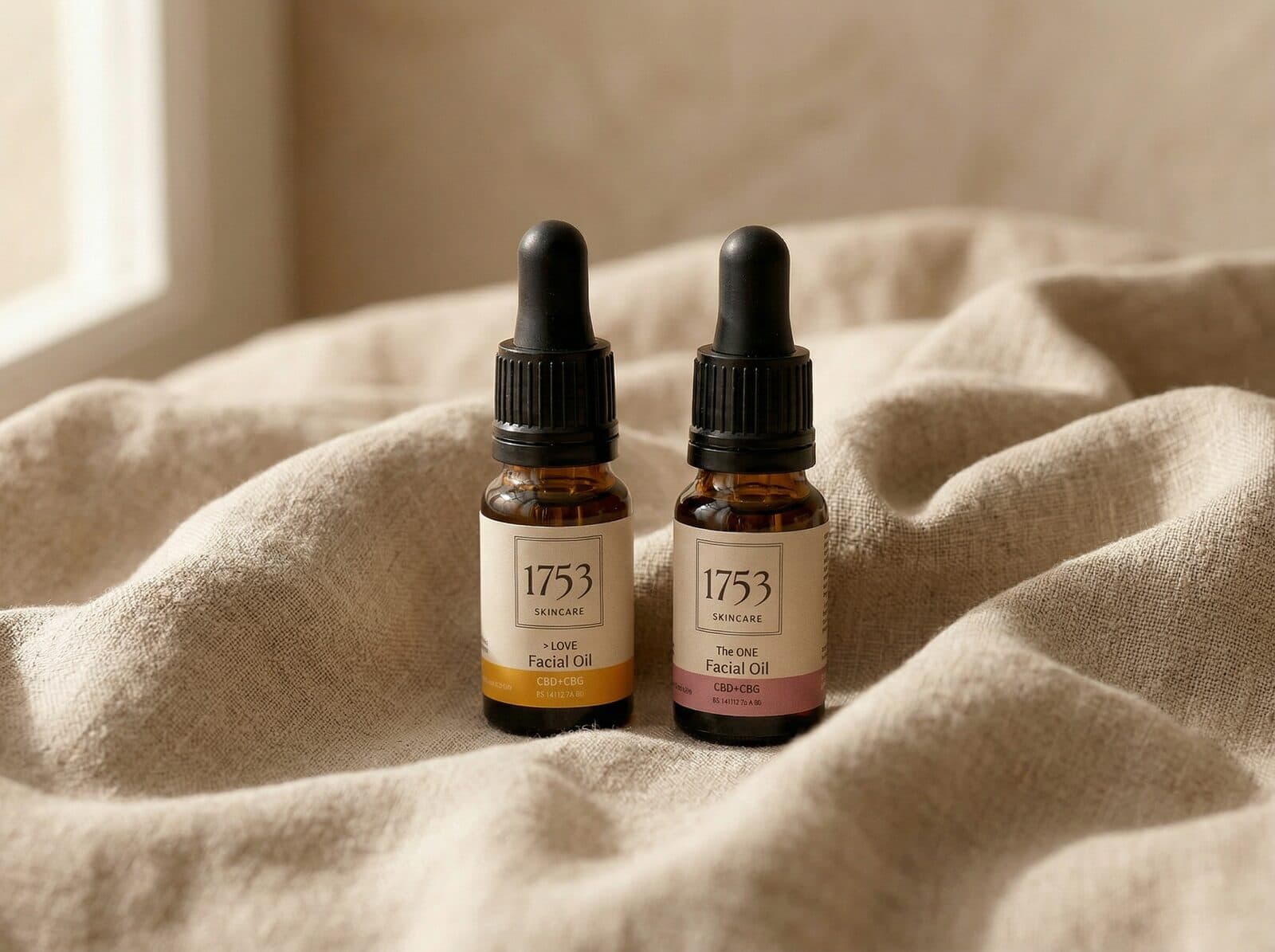
DUO kit
Two face oils, one for morning and one for evening. Simple skincare that works with your skin, not against it.
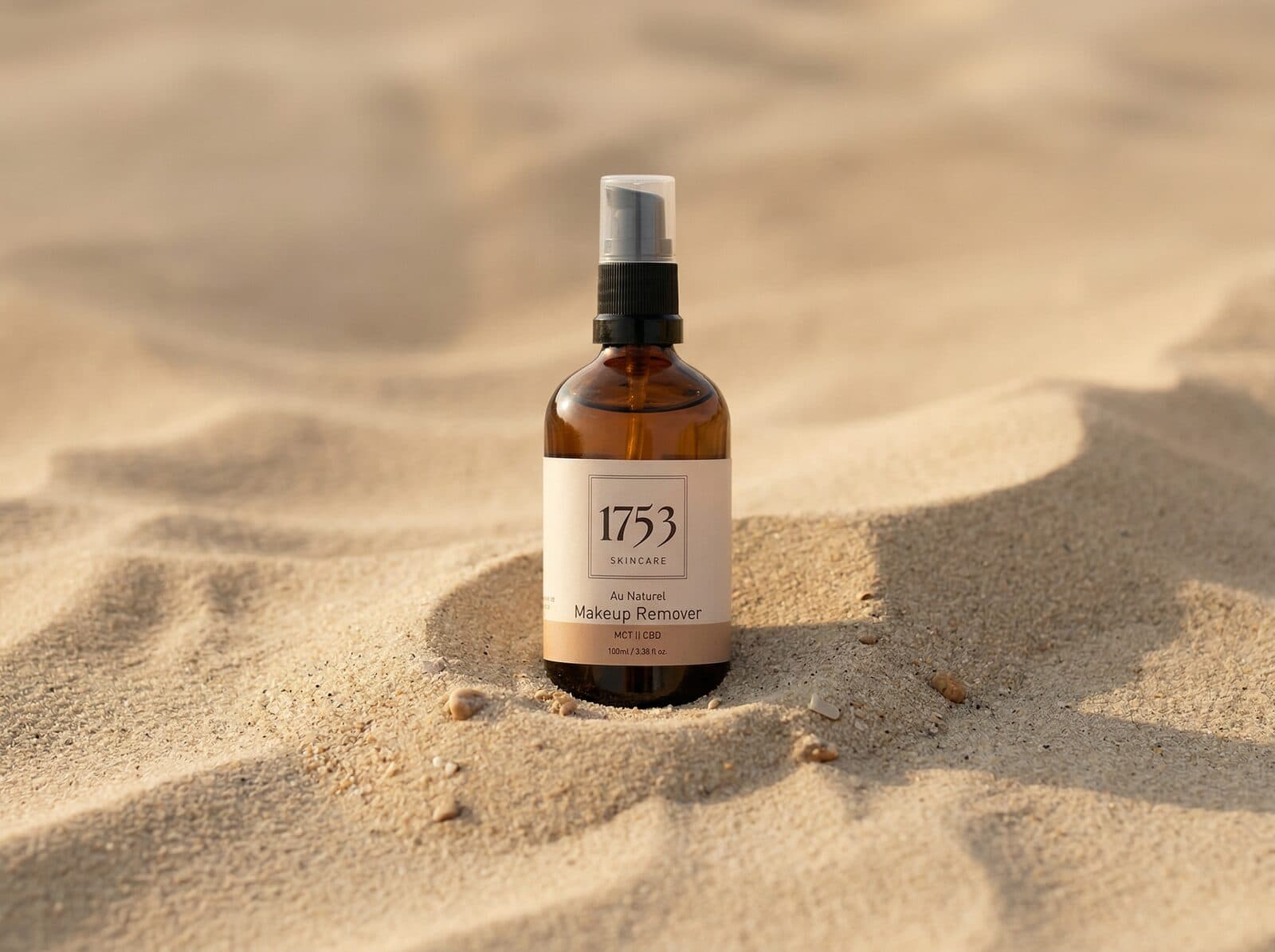
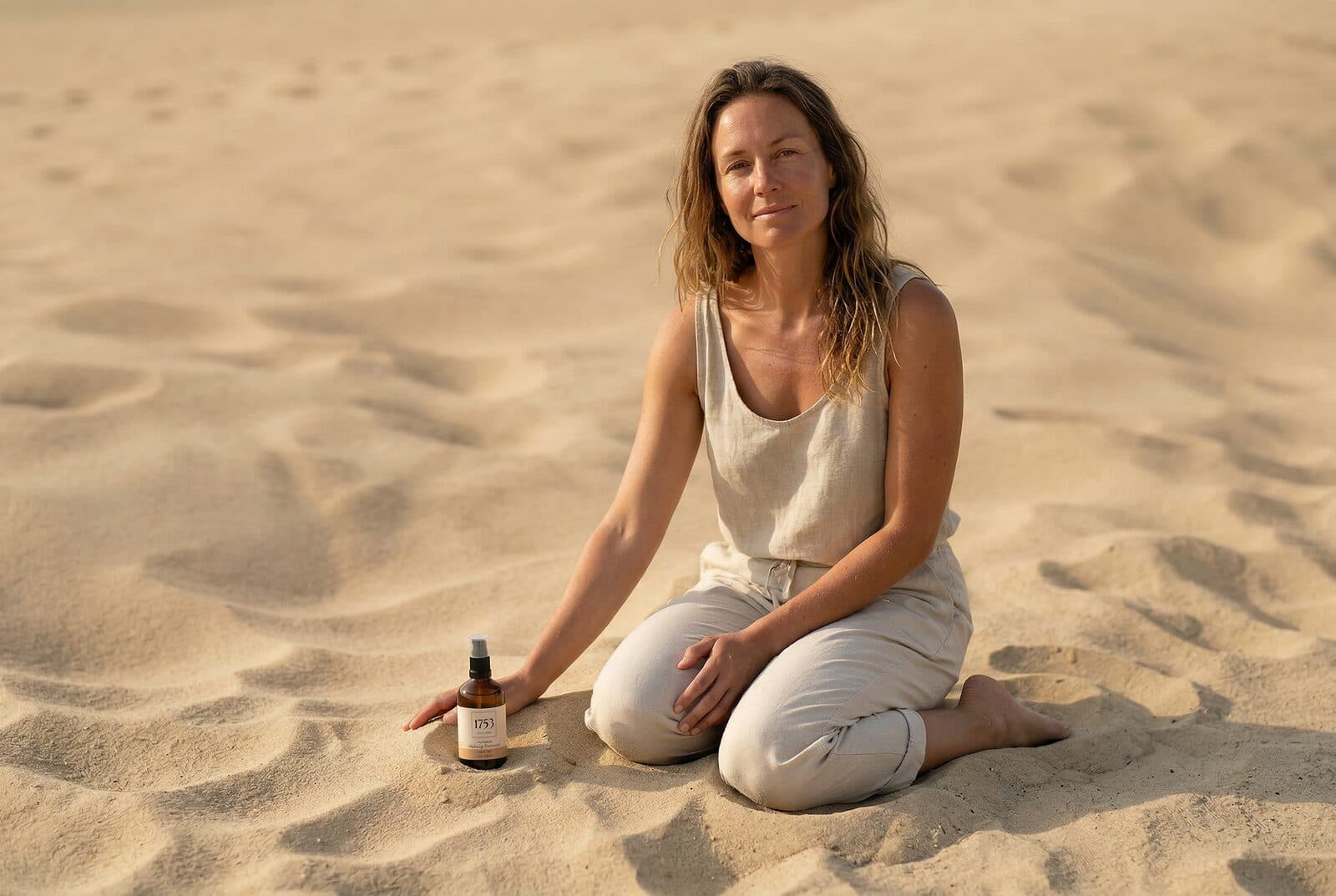
Au Naturel Makeup Remover
A cleansing oil with MCT and CBD that removes makeup and buildup without stripping your skin bare.
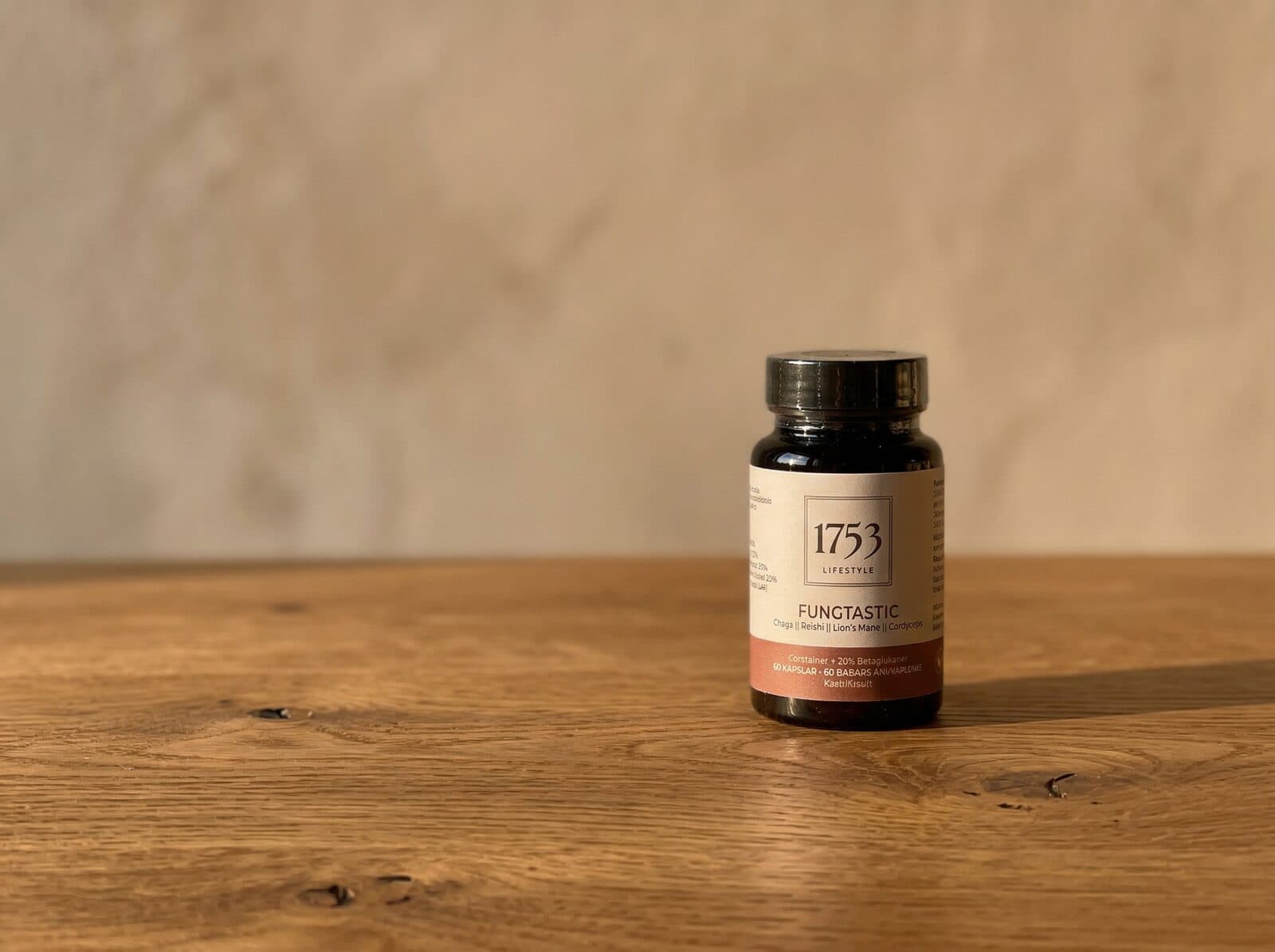

Fungtastic Mushroom Extract
Four mushrooms in one formula to support immunity, focus, energy and sleep from within.
Frequently asked questions
Is acne on cheeks always hormonal?
No. Hormones can be part of it, but cheek breakouts are often shaped by friction, pillow hygiene, phone use, and cleansing habits too. Usually it’s a combination of factors, not one single cause.
Can face masks cause cheek acne?
Yes, mask-ne is a real irritation pattern. Heat, moisture, and friction under a mask can trigger breakouts, especially if the skin is already sensitive or overloaded with active products.
Should I exfoliate more?
Usually not. If the cheeks are already inflamed, too much exfoliation can weaken the barrier and make breakouts harder to calm down. Mild cleansing and less irritation tend to work better.
When should I seek medical help?
If you get painful nodules, rapid worsening, clear scarring, or your skin is affecting your wellbeing a lot, it’s wise to speak with a healthcare professional. We support skin; we don’t diagnose.
Sources
- Byrd AL, Belkaid Y, Segre JA. The human skin microbiome. Nat Rev Microbiol 2018;16(3):143–155.
- Salem I, Ramser A, Isham N, Ghannoum MA. The Gut Microbiome as a Major Regulator of the Gut-Skin Axis. Front Microbiol 2018;9:1459.
- Chen Y, Lyga J. Brain-skin connection: stress, inflammation and skin aging. Inflamm Allergy Drug Targets 2014;13(3):177–190.
Article reviewed by Christopher Genberg, founder of 1753 SKINCARE.
Related articles
SYMPTOM
Itchy skin – why nights make it worse
You finally lie down, and then it starts. The itch that was manageable all day suddenly takes over y...
Symptom
Flaky skin – when your skin starts shedding
When skin starts lifting in little flakes, it’s tempting to assume it needs a stronger cleanser, ano...
Symptom
Dry skin around mouth – when the skin pushes back
It often starts as tightness, flaking or tiny red patches right around the mouth. Sometimes it sting...
Skin Barrier
Skin microbiome – why balance changes everything
Your skin is not sterile. It’s an ecosystem where trillions of microbes help keep the barrier strong...
Condition
Hormonal acne – why it keeps coming back
Deep breakouts around the chin, jaw and lower face are rarely just “bad skin.” More often, they’re a...
Skin Condition
Seborrheic dermatitis – why skin flakes
Red, flaky, stubborn. Seborrheic dermatitis loves the places where skin is richest in sebum: the T-z...