
Symptom
Acne on chin – when your skin is speaking up
You know the feeling. A deep, tender spot on your chin that shows up at the same time every month, usually when you least need it. That doesn’t mean you’re doing everything wrong — it often points to hormonal shifts, oil production and skin that’s been pushed too hard.

Why does acne on the chin follow your cycle?
Chin and jawline breakouts are classic hormonal acne territory. When androgens like DHT signal the sebaceous glands, oil output rises, pores clog more easily and inflammation can settle deeper in the skin. That’s why these spots often feel like hard, sore lumps rather than a typical surface blemish.
The pattern often becomes more obvious in the luteal phase, when shifts in progesterone and estrogen can make skin more reactive. If you also notice irregular periods, increased hair growth or stubborn breakouts around the chin and jaw, pcos may be part of the picture — without us diagnosing anything here. Research suggests hormones, insulin signaling and local inflammation often work together.
And no, the answer is rarely to scrub harder or strip the skin with strong acids. When the barrier is stressed, skin often responds with more irritation and more oil. A calmer approach — gentle cleansing, less friction and fewer unnecessary actives — usually makes more sense.
What you can do today
Switch to gentle cleansing
Remove sunscreen, makeup and daily grime without stripping the skin. A mild oil cleanser like Au Naturel Makeup Remover can leave you clean without that tight, over-washed feeling.
Let your cycle guide you
If breakouts hit before your period, simplify your routine a few days earlier. Cut extra actives, support the barrier and give your skin fewer reasons to go into defense mode.
Don’t pick deep spots
Subdermal chin pimples rarely improve when squeezed. Picking tends to increase inflammation and post-blemish marks. A cool compress is kinder than your fingers.
Watch food patterns calmly
If your skin clearly reacts, it can help to notice patterns around sugar, alcohol and ultra-processed food. Not to moralize food — just to understand what your body seems to respond to.
See a clinician for red flags
If acne becomes suddenly severe, your periods are irregular, or you notice hair loss or other hormonal symptoms, get checked. We support skin — we don’t replace medical assessment.

How to actually handle it
The long game is about lowering skin stress, not fighting your face. Start with a gentle evening cleanse using Au Naturel Makeup Remover so sunscreen, makeup and excess oil come off without scraping the barrier raw. When skin doesn’t have to defend itself as much, it often settles down over time.
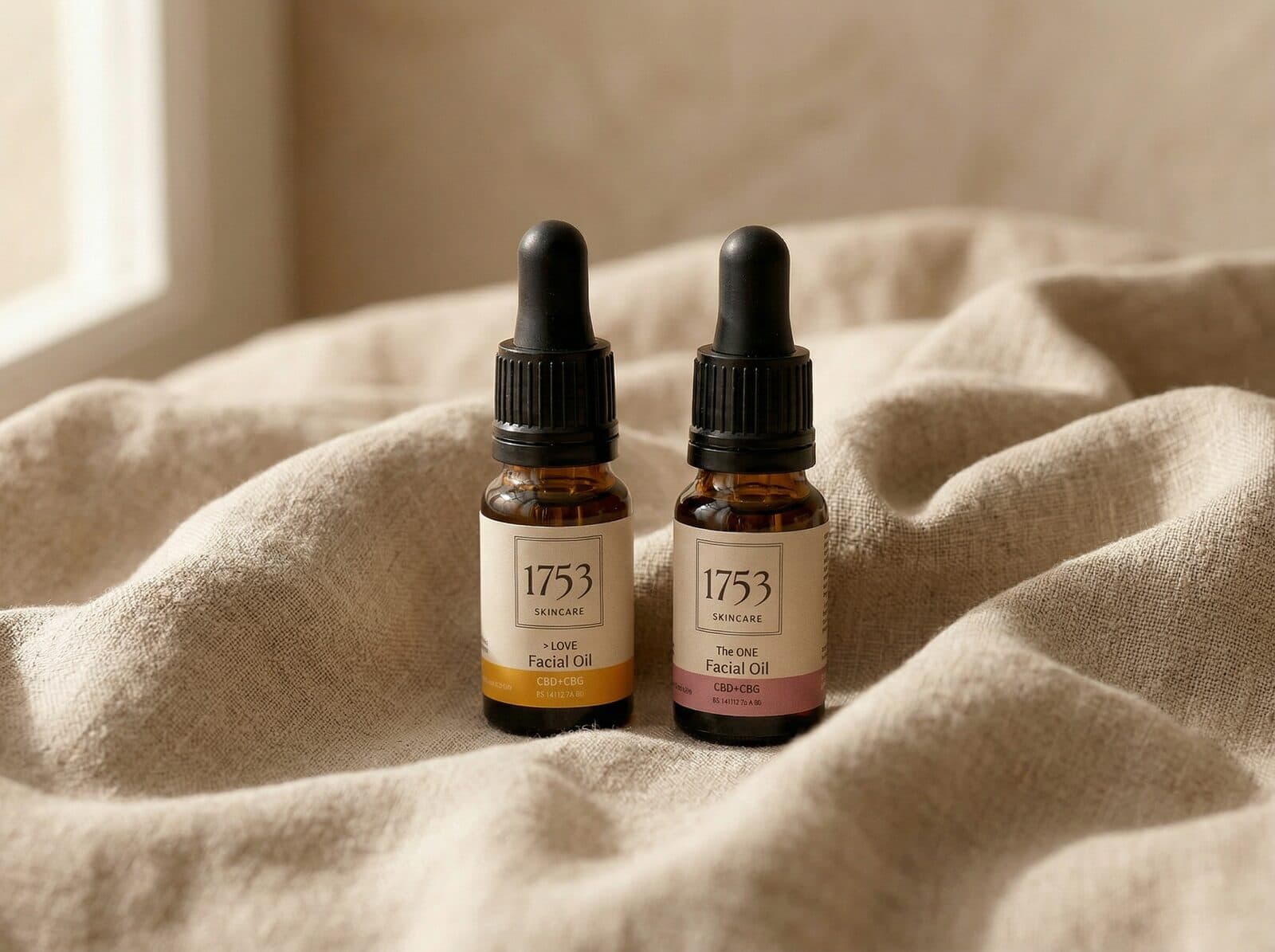
For topical support, the DUO kit is the obvious next step: The ONE helps skin feel more balanced, while I LOVE brings in CBG that many people reach for when skin is red, inflamed or easily irritated. Together, they deliver a full cannabinoid spectrum for skin that needs calm, not more pressure.
If you want to think beyond the surface, Fungtastic Mushroom Extract is a simple oral add-on for immune and gut support. We don’t treat chin acne as a cleansing failure first — we see it as a sign that several systems may need less noise. Less friction, more recovery, and a routine you can keep.
Products we recommend
 Save €34
DUO kit
Two face oils, one for morning and one for evening. Simple skincare that works with your skin, not against it.
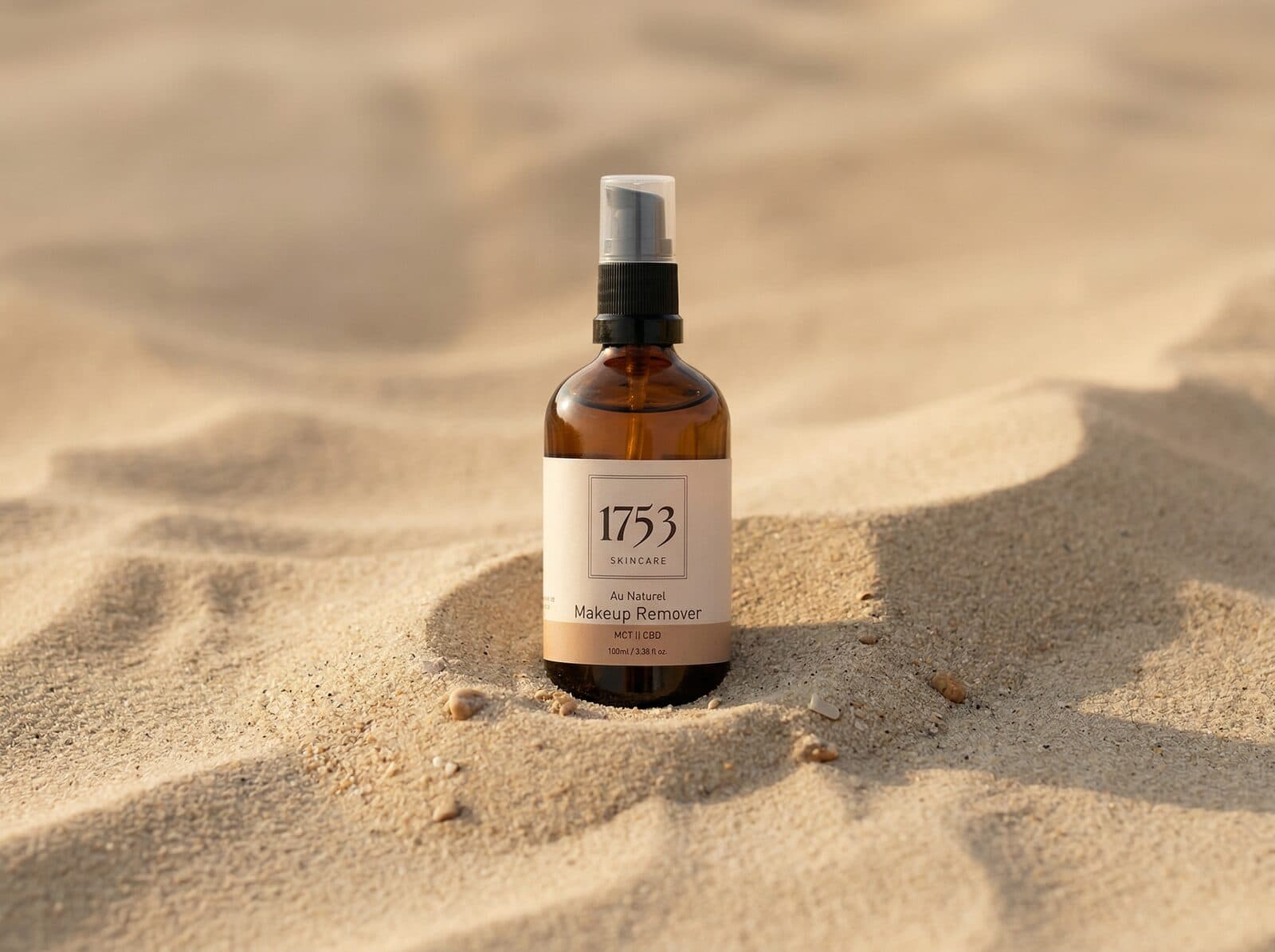
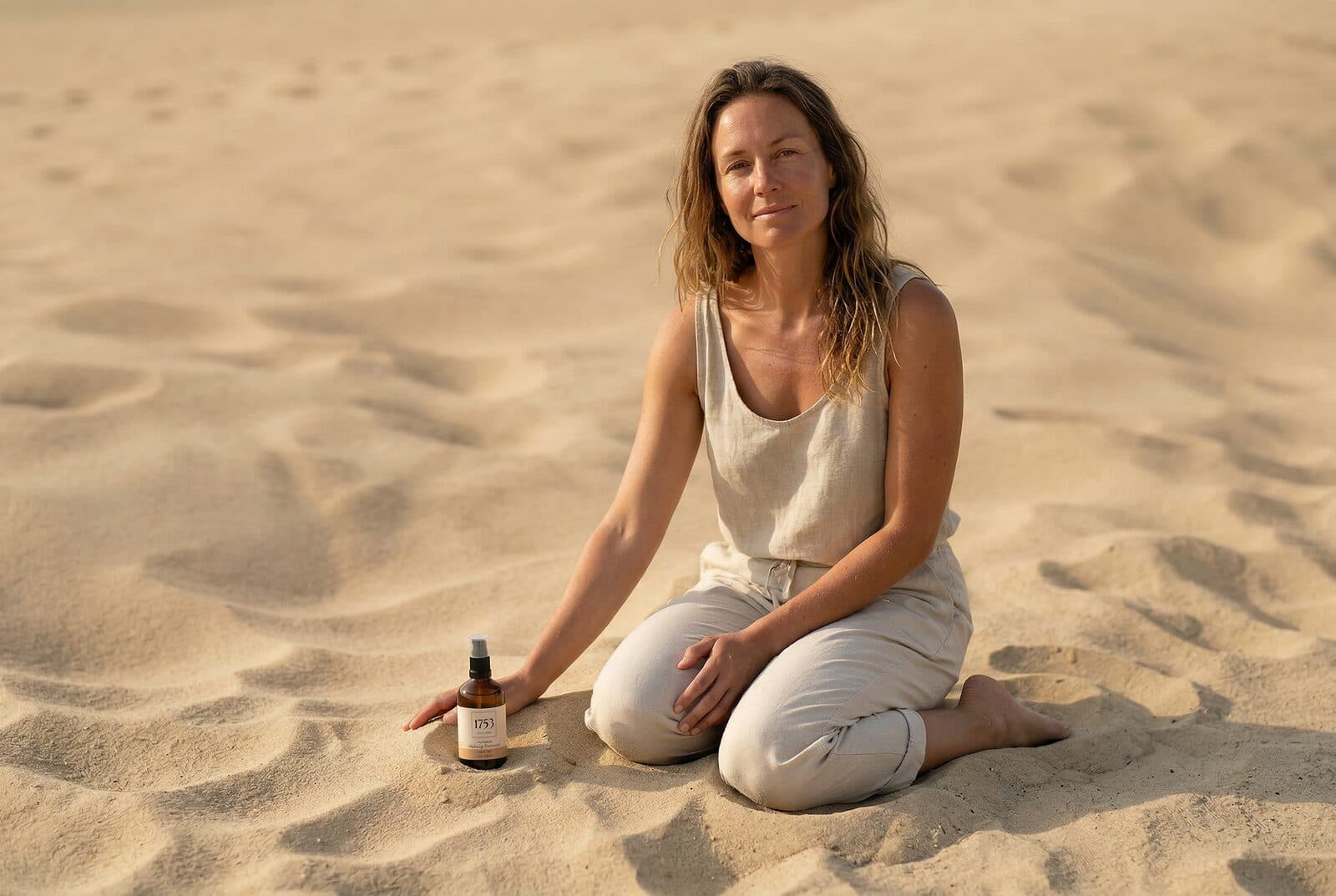
Au Naturel Makeup Remover
A cleansing oil with MCT and CBD that removes makeup and buildup without stripping your skin bare.
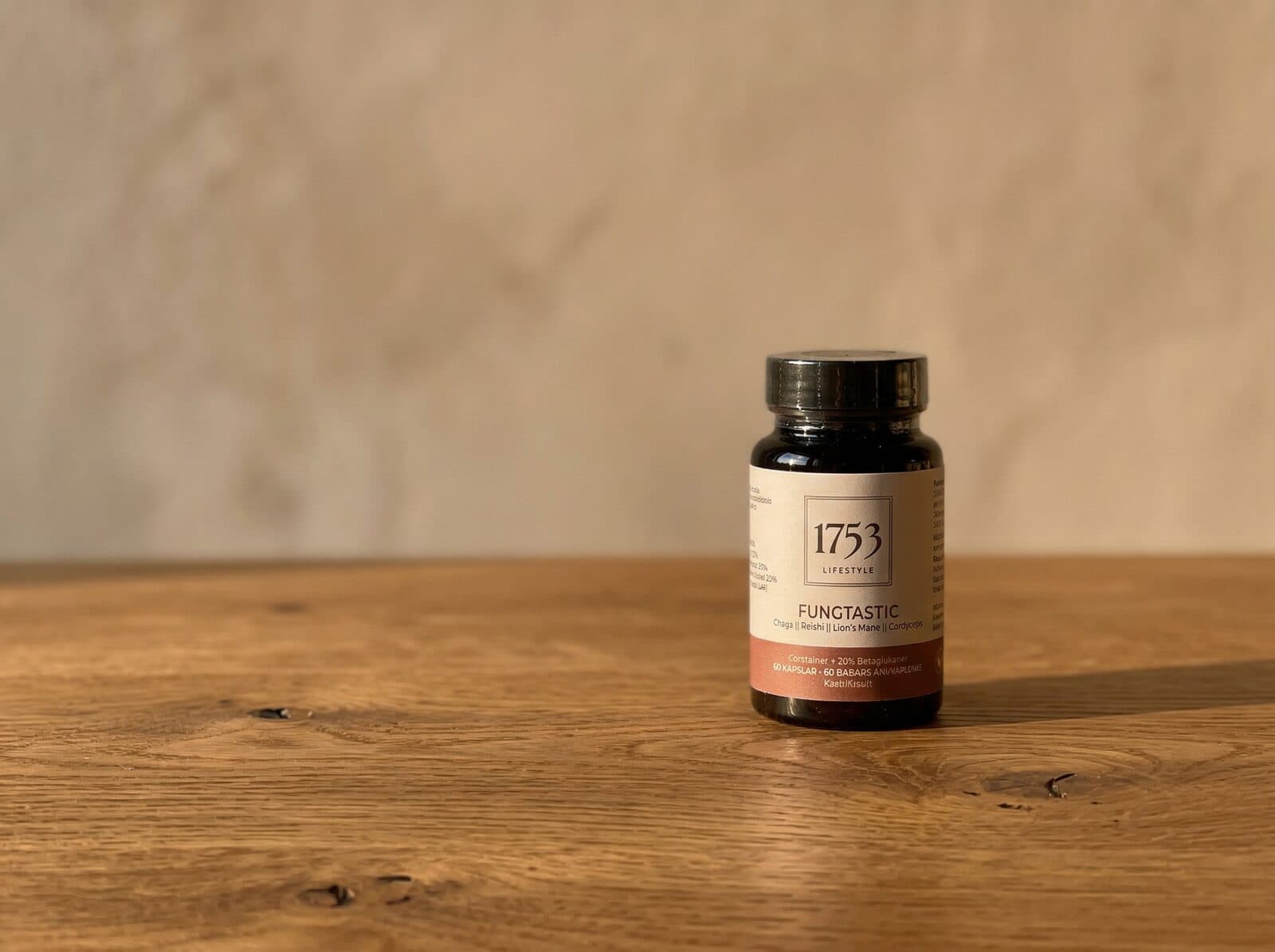

Fungtastic Mushroom Extract
Four mushrooms in one formula to support immunity, focus, energy and sleep from within.
Frequently asked questions
Is acne on the chin always hormonal?
Not always, but the chin and jawline are strongly linked to hormonal shifts. If breakouts track your cycle, feel deep and keep returning to the same area, hormones are often a major factor.
Why does it flare before my period?
During the luteal phase, shifts in estrogen, progesterone and androgens can make sebaceous glands more active. That makes pores easier to clog and inflammation more likely to settle deeper.
Should I dry it out?
Usually not. Harsh cleansing and too many actives can stress the barrier and trigger more irritation. A consistent, gentle routine tends to work better than going aggressive.
When should I see a doctor?
Get medical advice if acne is suddenly severe, very painful, or comes with irregular periods, hair loss or other hormonal symptoms. Those signs deserve a proper check-up.
Sources
- Byrd AL, Belkaid Y, Segre JA. The human skin microbiome. Nat Rev Microbiol 2018;16(3):143–155.
- Salem I, Ramser A, Isham N, Ghannoum MA. The Gut Microbiome as a Major Regulator of the Gut-Skin Axis. Front Microbiol 2018;9:1459.
- Chen Y, Lyga J. Brain-skin connection: stress, inflammation and skin aging. Inflamm Allergy Drug Targets 2014;13(3):177–190.
Article reviewed by Christopher Genberg, founder of 1753 SKINCARE.
Related articles
SYMPTOM
Itchy skin – why nights make it worse
You finally lie down, and then it starts. The itch that was manageable all day suddenly takes over y...
Symptom
Flaky skin – when your skin starts shedding
When skin starts lifting in little flakes, it’s tempting to assume it needs a stronger cleanser, ano...
Symptom
Dry skin around mouth – when the skin pushes back
It often starts as tightness, flaking or tiny red patches right around the mouth. Sometimes it sting...
Skin Barrier
Skin microbiome – why balance changes everything
Your skin is not sterile. It’s an ecosystem where trillions of microbes help keep the barrier strong...
Condition
Hormonal acne – why it keeps coming back
Deep breakouts around the chin, jaw and lower face are rarely just “bad skin.” More often, they’re a...
Skin Condition
Seborrheic dermatitis – why skin flakes
Red, flaky, stubborn. Seborrheic dermatitis loves the places where skin is richest in sebum: the T-z...