
Symptom
Acne on forehead – when skin starts protesting
It often starts as tiny bumps along the hairline, stubborn closed comedones, or red breakouts right in the middle of the forehead. You may have tried washing more, scrubbing harder, or switching moisturizers, yet the skin still acts up. That’s common – and it doesn’t mean you’re doing everything wrong.

Why does acne on the forehead happen?
Acne on the forehead is often a mix of clogged pores, friction and environment. Hair products with heavy oils, waxes or silicones can build up around the hairline and contribute to what’s known as pomade acne. Add bangs, helmets, caps or a sweat-trap during workouts, and oil plus heat stay on the skin even longer.
What you see on the forehead often starts as closed comedones: tiny clogged pores that don’t drain properly. From there, inflammation can be driven by mechanical irritation, stress and a barrier that’s already under pressure. Research also points to the role of the skin microbiome and sebum quality in how easily breakouts take hold.
And yes, face mapping and “liver zones” often come up in conversations about forehead acne. Treat them as a way to notice patterns, not as a diagnosis. We don’t diagnose here – but if lesions are painful, spreading quickly or leaving deep marks, it’s smart to see a doctor.
What to do today
Clean the hairline
Think about everything that touches your forehead: conditioner, hair oil, hairspray and dry shampoo. Try washing along the hairline after styling, especially if you wear bangs or work out often.
Switch to gentle cleansing
Skip harsh cleansers that leave skin tight. A mild oil cleanser can lift SPF, dirt and makeup without stripping the barrier.
Reduce friction
Pat sweat away gently, wash headwear more often and avoid picking at small bumps. Friction and heat do more damage than most people expect.
Review hair products
If breakouts sit exactly where hair meets skin, pause heavy styling products for two to three weeks. It’s a simple way to see whether the forehead is reacting to something in your routine.
Keep the routine simple
A calm base beats ten actives in a row. Use fewer steps, give skin time, and track changes over weeks instead of hours.

How to actually fix it
For acne on the forehead, the goal is not to bully skin into silence, but to lower irritation and reduce clogging. That’s where Au Naturel Makeup Remover makes sense as a gentle cleanse that removes dirt, SPF and styling residue without harsh rubbing. Less friction often means less drama.
When the surface feels stressed, the DUO kit is a sensible next step: The ONE helps regulate and soften, while I LOVE brings a calming touch when the forehead is both shiny and irritated. Together they offer a more balanced approach than the usual “dry it out” strategy that often makes skin more reactive.
If you also want to think long term from within, Fungtastic Mushroom Extract can be part of the bigger picture, since gut and immune balance often influence how stressed skin feels. It’s not a quick fix, but it is a more honest way to build skin support: less overworking on the outside, better backup underneath.
Products we recommend

 Save €34
DUO kit
Two face oils, one for morning and one for evening. Simple skincare that works with your skin, not against it.
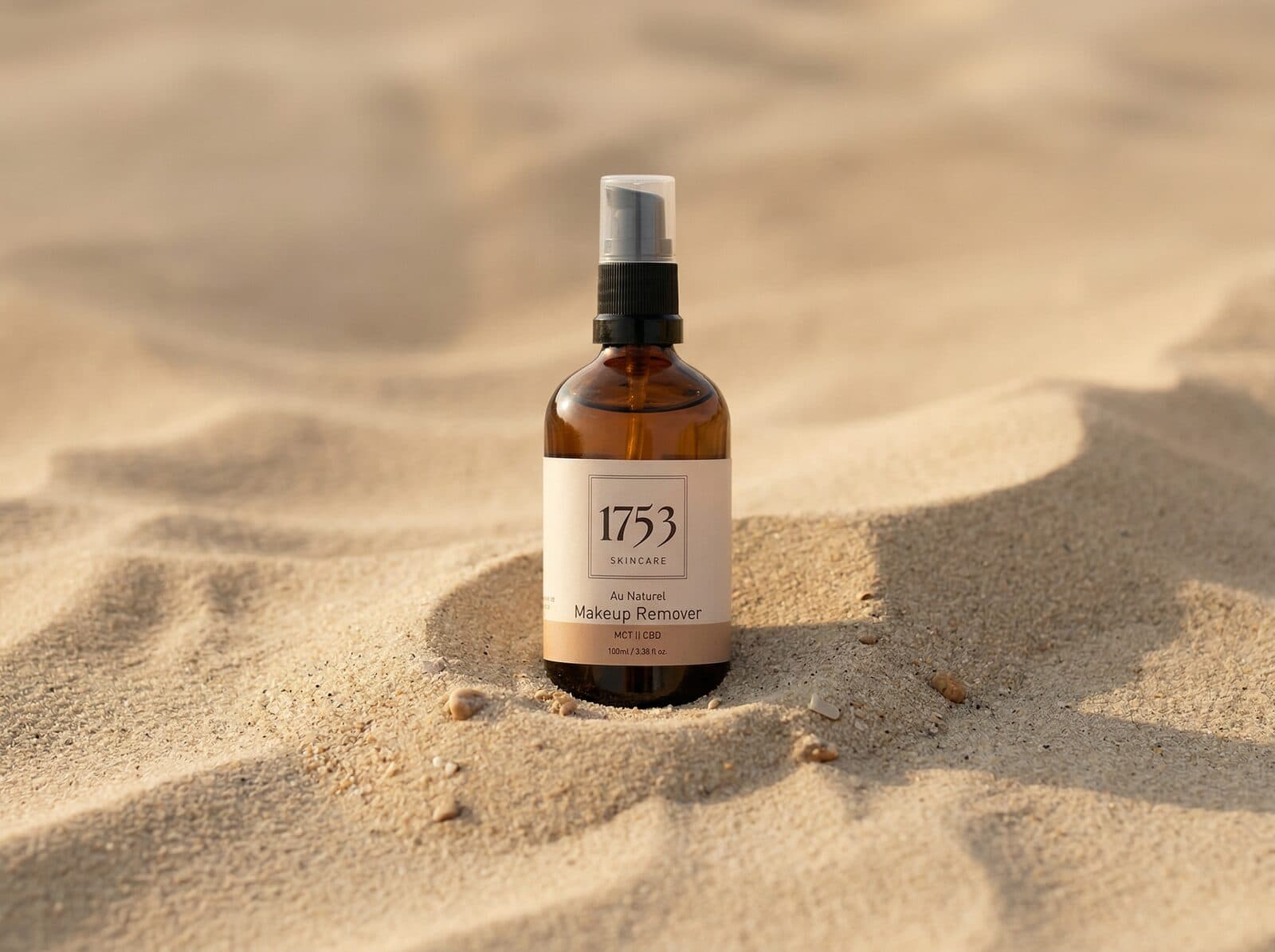
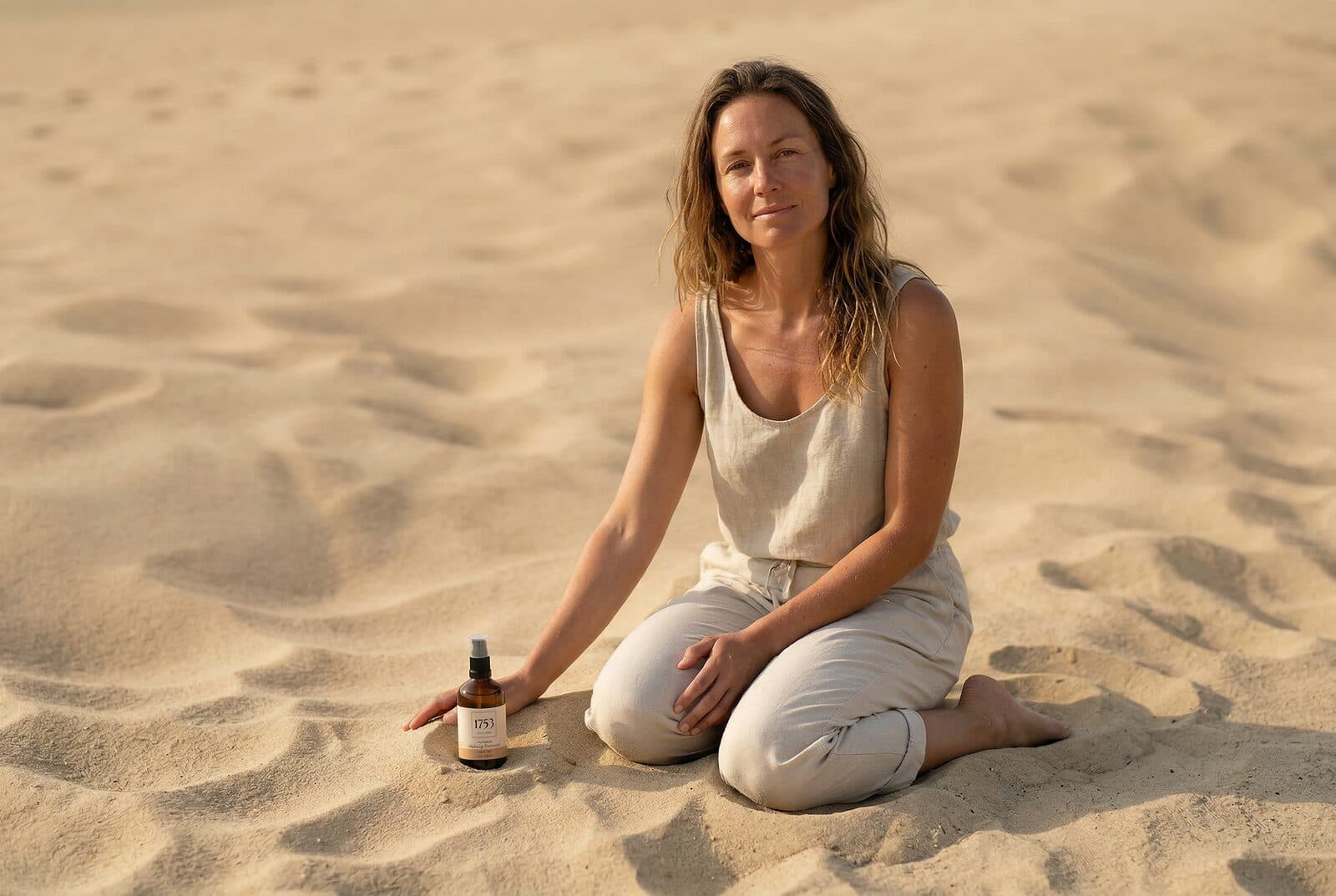
Au Naturel Makeup Remover
A cleansing oil with MCT and CBD that removes makeup and buildup without stripping your skin bare.
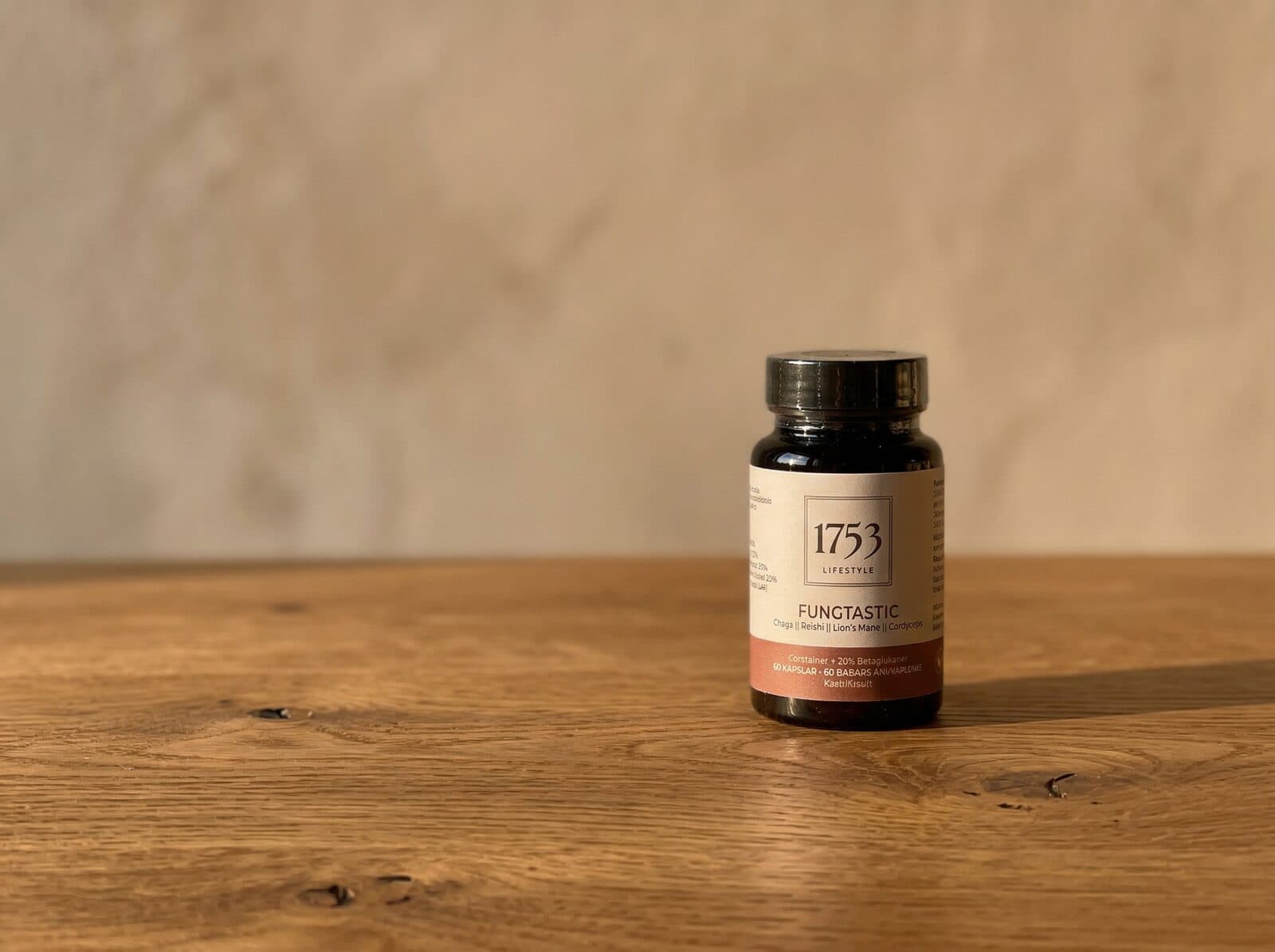

Fungtastic Mushroom Extract
Four mushrooms in one formula to support immunity, focus, energy and sleep from within.
Frequently asked questions
Is forehead acne always caused by hair products?
Not always, but it’s a very common trigger. Especially if breakouts sit near the hairline or worsen with styling, caps or bangs. Try pausing heavy products for a few weeks and see whether the pattern changes.
What’s the difference between closed comedones and regular acne?
Closed comedones are small clogged pores without an open head, often looking like skin-colored bumps. They can later become inflamed and turn into more obvious pimples. They usually need more patience and less aggression.
Can sweat make acne on the forehead worse?
Yes, especially if sweat stays trapped under a cap, helmet or headband. That creates heat, moisture and friction – a perfect little sweat-trap for irritation. Rinse or cleanse after workouts when you can.
When should I see a doctor?
If breakouts are painful, leave scars, spread quickly or don’t improve at all despite a gentle routine, it’s wise to seek medical advice. We can support skin along the way, but we don’t replace medical assessment.
Sources
- Byrd AL, Belkaid Y, Segre JA. The human skin microbiome. Nat Rev Microbiol 2018;16(3):143–155.
- Salem I, Ramser A, Isham N, Ghannoum MA. The Gut Microbiome as a Major Regulator of the Gut-Skin Axis. Front Microbiol 2018;9:1459.
- Chen Y, Lyga J. Brain-skin connection: stress, inflammation and skin aging. Inflamm Allergy Drug Targets 2014;13(3):177–190.
Article reviewed by Christopher Genberg, founder of 1753 SKINCARE.
Related articles
SYMPTOM
Itchy skin – why nights make it worse
You finally lie down, and then it starts. The itch that was manageable all day suddenly takes over y...
Symptom
Flaky skin – when your skin starts shedding
When skin starts lifting in little flakes, it’s tempting to assume it needs a stronger cleanser, ano...
Symptom
Dry skin around mouth – when the skin pushes back
It often starts as tightness, flaking or tiny red patches right around the mouth. Sometimes it sting...
Skin Barrier
Skin microbiome – why balance changes everything
Your skin is not sterile. It’s an ecosystem where trillions of microbes help keep the barrier strong...
Condition
Hormonal acne – why it keeps coming back
Deep breakouts around the chin, jaw and lower face are rarely just “bad skin.” More often, they’re a...
Skin Condition
Seborrheic dermatitis – why skin flakes
Red, flaky, stubborn. Seborrheic dermatitis loves the places where skin is richest in sebum: the T-z...