
Symptom
Acne on neck – when sweat, collars and heat take over
It often starts as small sore bumps along the hairline, under a collar, or anywhere skin never really gets to breathe. You may have showered, changed clothes, and still wake up to the same irritated flare-up. This is not “bad hygiene” – it is usually a mix of friction, moisture and skin stuck in defence mode.

Why do you get acne on neck right there?
The neck is a perfect storm: sweat builds up, collars and backpack straps rub, and heat traps moisture around the follicles. When pores and hair follicles are irritated, it can trigger folliculitis or what many call sport acne – small inflamed breakouts where the skin is exposed to repeated friction and occlusion.
It is not only about the surface. Internal factors like stress, poor sleep and a body running on high alert can make skin more reactive. Acne research also points to inflammation and microbial imbalance, which is why harsh acids and aggressive cleansing sometimes make things worse instead of better.
And no, you do not need to scrub your neck clean or “dry it out.” Stressed skin often becomes even more unstable with too much exfoliation, overly strong washing and too many actives. If the bumps become pus-filled, spread quickly, hurt, or you develop a fever: get it checked by a doctor.
Here’s what to do – without upsetting the skin
Switch to loose tanks
Choose soft, airy tanks or open collars when you can. Less friction means less mechanical stress on the follicles, especially during workouts or hot days.
Shower after sweating
Do not let sweat sit and dry on the skin all day. A quick shower or at least a gentle rinse after exercise reduces how long heat and salt stay on the neck.
Skip harsh scrubs
The neck does not need to be punished clean. Avoid rough peels and over-exfoliating; inflamed skin usually does better with fewer steps, not more.
Keep hair products away
Conditioner, styling products and oils that run down onto the neck can clog and irritate. Rinse hair first, cleanse skin last – simple logic, real impact.
Change towels often
A damp, dirty towel is not skin-friendly. Replace it regularly and pat dry instead of rubbing to reduce irritation and unnecessary bacterial load.

How to actually fix acne on neck
Start by giving the skin less to fight. Au Naturel Makeup Remover is a gentle MCT cleanse that lifts sweat, grime and residue without leaving the neck tight or stripped. For an irritated neck, that kind of clean is often exactly what it needs: clean, not attacked.
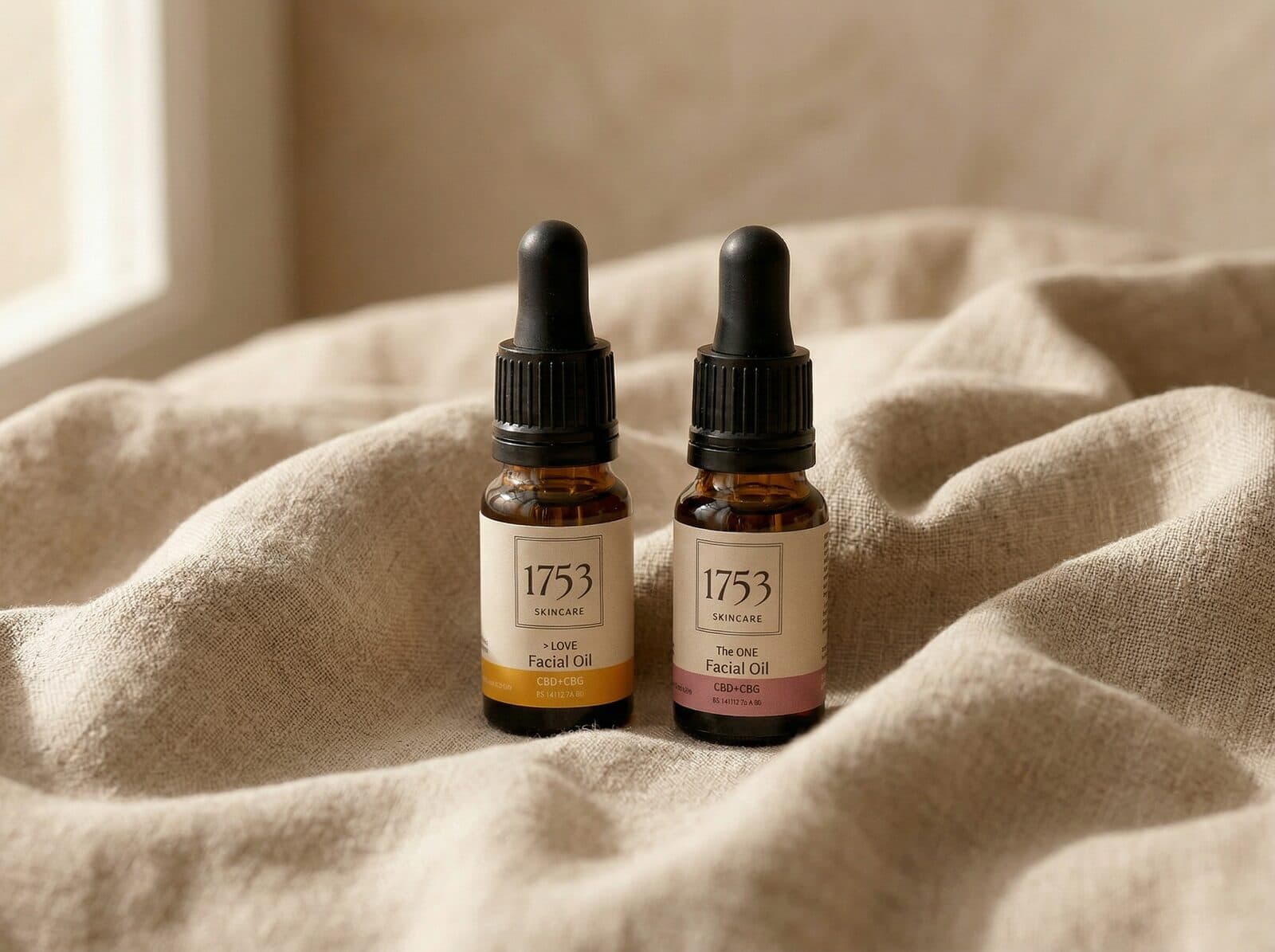
When the skin is inflamed and uneven, the DUO kit can make more sense than piling on acids. The ONE and I LOVE work together to calm the surface and support balance with a full cannabinoid-spectrum feel, without forcing the skin through harsher methods.
If you want a longer game, from the inside out, Fungtastic Mushroom Extract can fit as everyday support for immunity and gut health. It is not a quick fix – but when the body is less stressed, skin often stops acting like it is under attack. That is where smarter care begins: less fighting, more recovery.
Products we recommend
 Save €34
DUO kit
Two face oils, one for morning and one for evening. Simple skincare that works with your skin, not against it.
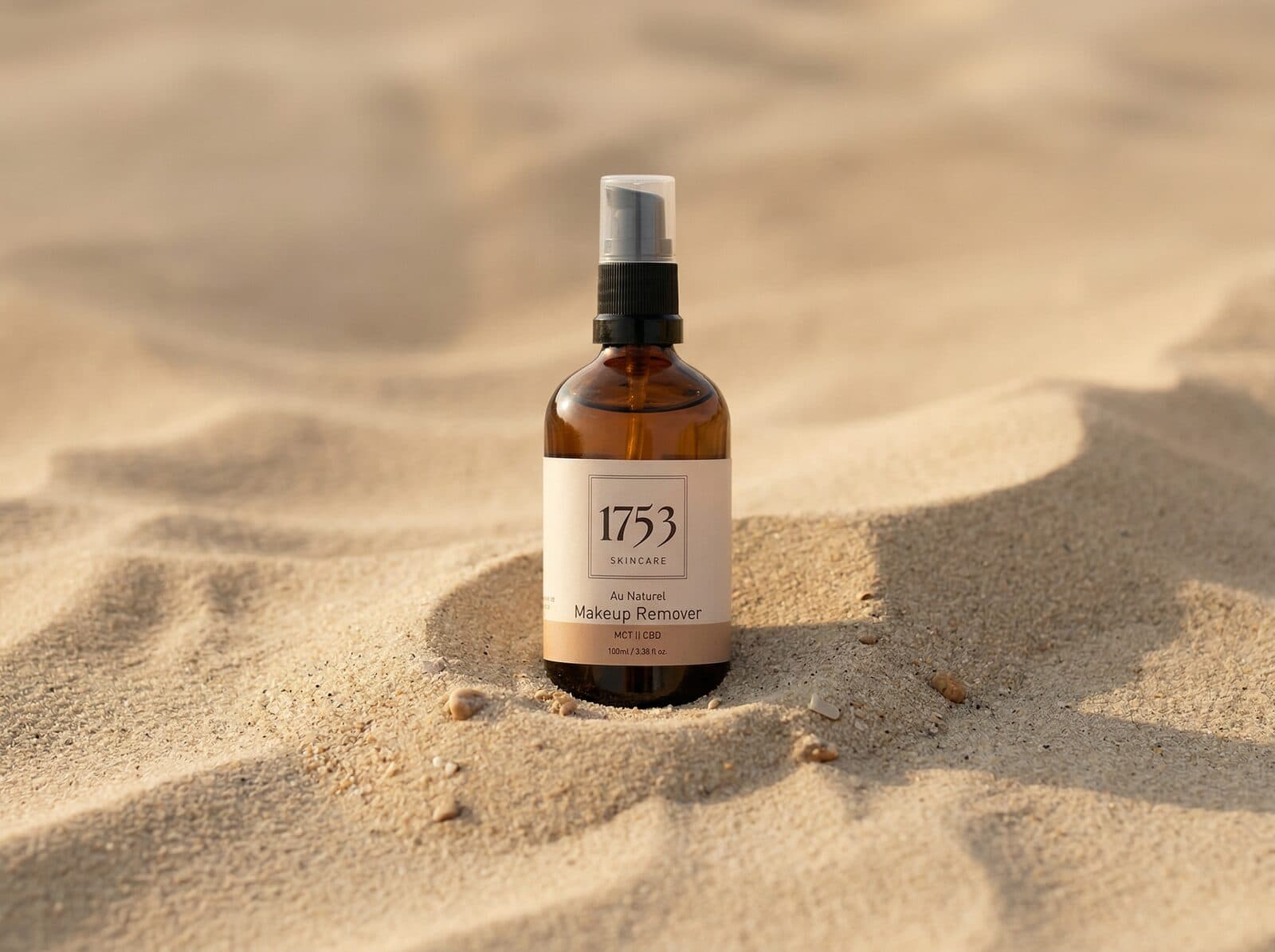
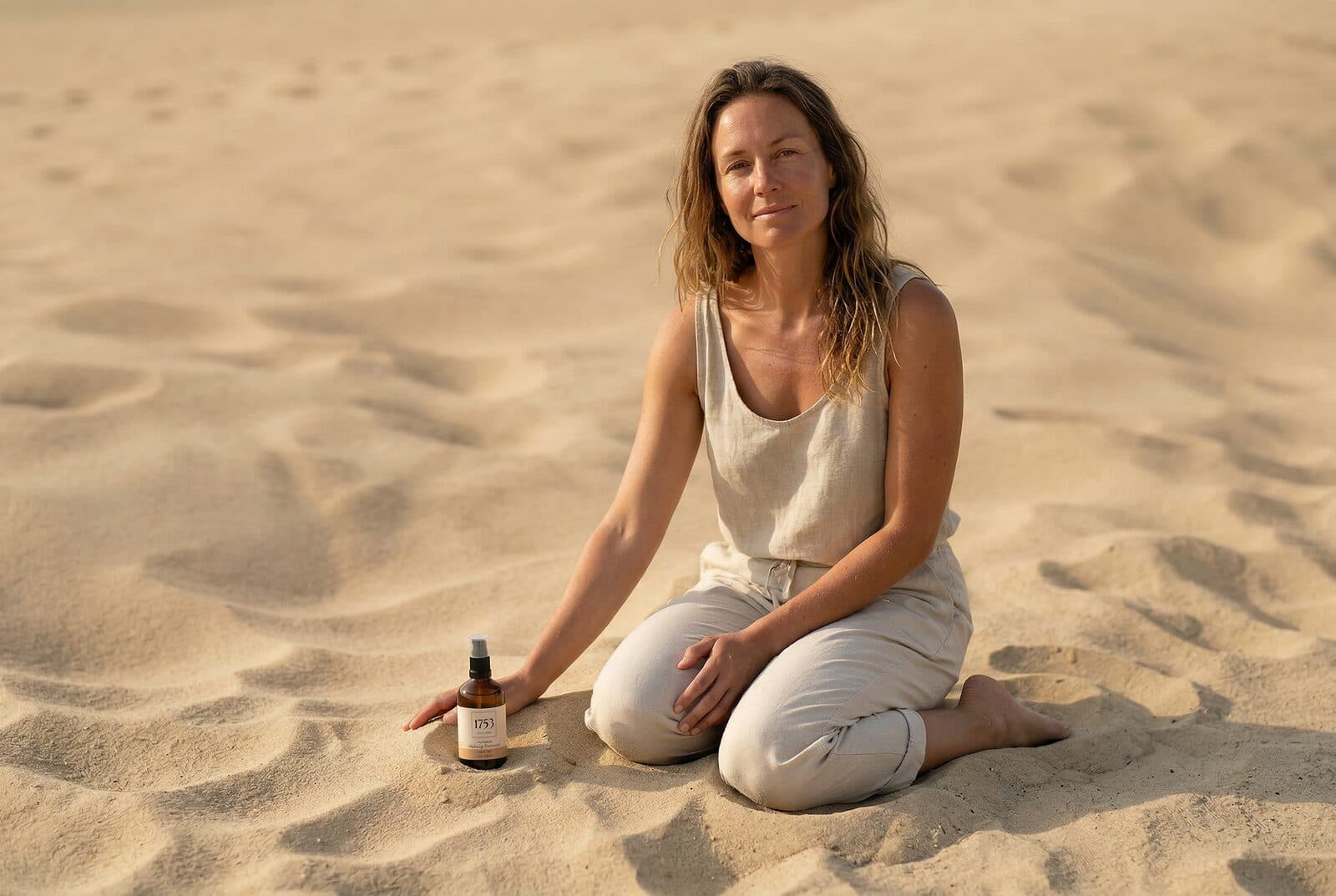
Au Naturel Makeup Remover
A cleansing oil with MCT and CBD that removes makeup and buildup without stripping your skin bare.
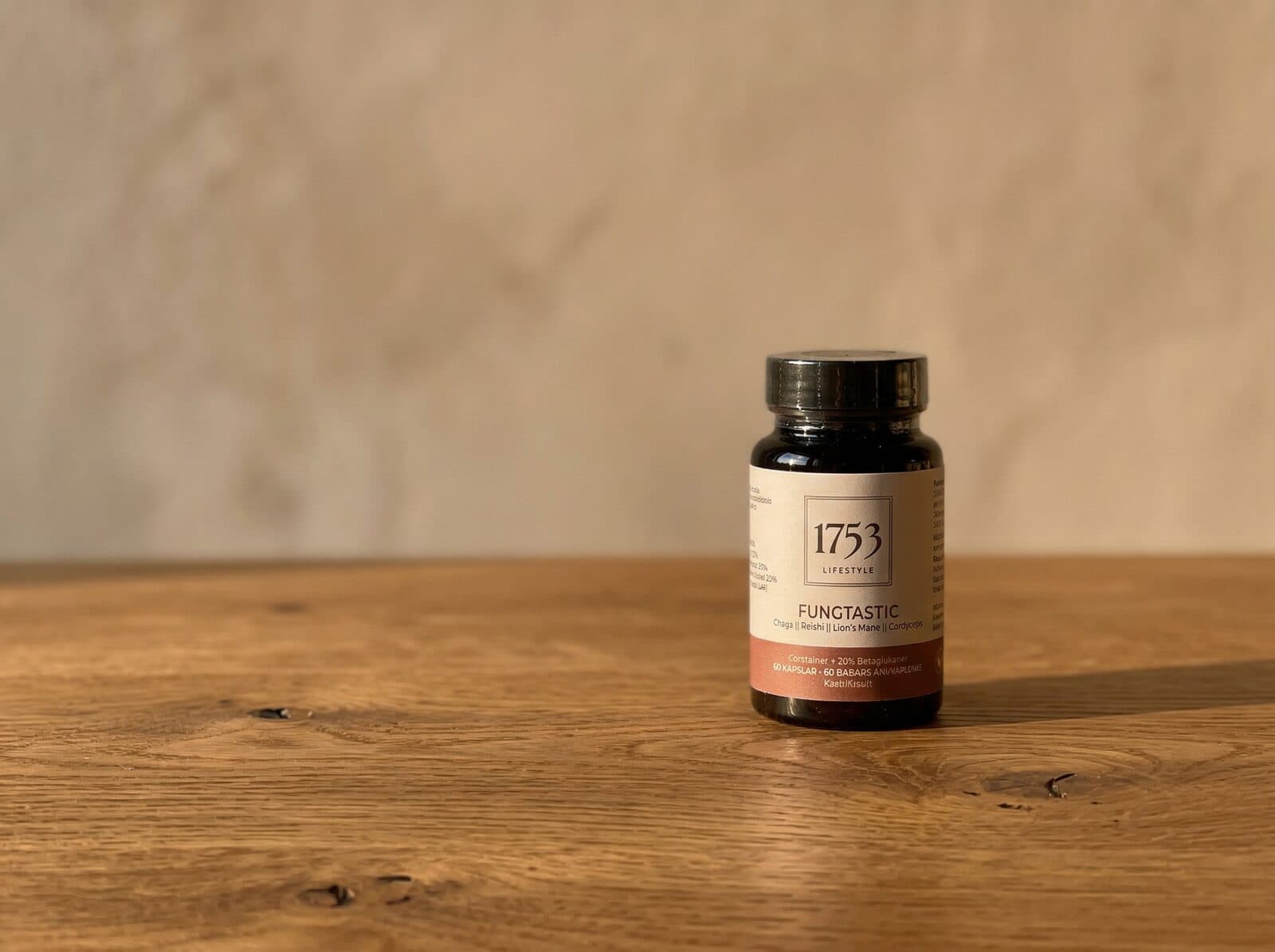

Fungtastic Mushroom Extract
Four mushrooms in one formula to support immunity, focus, energy and sleep from within.
Frequently asked questions
Is acne on neck the same as regular acne?
Not always. On the neck, we often see a mix of acne, folliculitis and friction-triggered breakouts. That is why location, sweat and clothing matter so much here.
Can workouts make it worse?
Yes, if sweat and heat stay on the skin too long or if tight clothing rubs the area. Exercise itself is not the problem – it is how the skin is handled before and after.
Should I use acids on my neck?
Sometimes, but carefully. If the skin is already irritated, too much exfoliation can backfire. Start with gentle cleansing and reduce friction first.
When should I see a doctor?
If the bumps are painful, spread quickly, become pus-filled, leave scars, or you get a fever. Then it is smart to have a clinician check whether it is something more than simple irritation.
Sources
- Byrd AL, Belkaid Y, Segre JA. The human skin microbiome. Nat Rev Microbiol 2018;16(3):143–155.
- Salem I, Ramser A, Isham N, Ghannoum MA. The Gut Microbiome as a Major Regulator of the Gut-Skin Axis. Front Microbiol 2018;9:1459.
- Chen Y, Lyga J. Brain-skin connection: stress, inflammation and skin aging. Inflamm Allergy Drug Targets 2014;13(3):177–190.
Article reviewed by Christopher Genberg, founder of 1753 SKINCARE.
Related articles
SYMPTOM
Itchy skin – why nights make it worse
You finally lie down, and then it starts. The itch that was manageable all day suddenly takes over y...
Symptom
Flaky skin – when your skin starts shedding
When skin starts lifting in little flakes, it’s tempting to assume it needs a stronger cleanser, ano...
Symptom
Dry skin around mouth – when the skin pushes back
It often starts as tightness, flaking or tiny red patches right around the mouth. Sometimes it sting...
Skin Barrier
Skin microbiome – why balance changes everything
Your skin is not sterile. It’s an ecosystem where trillions of microbes help keep the barrier strong...
Condition
Hormonal acne – why it keeps coming back
Deep breakouts around the chin, jaw and lower face are rarely just “bad skin.” More often, they’re a...
Skin Condition
Seborrheic dermatitis – why skin flakes
Red, flaky, stubborn. Seborrheic dermatitis loves the places where skin is richest in sebum: the T-z...