
Condition
Hormonal acne – why it keeps coming back
Deep breakouts around the chin, jaw and lower face are rarely just “bad skin.” More often, they’re a sign that hormones, oil production and inflammation are interacting in a very specific way. Once you stop fighting your skin, it gets easier to understand what it’s asking for.

Why does hormonal acne keep returning?
Hormonal acne is often driven by a mix of androgens, especially DHT, and how sensitively the skin responds to them. When sebaceous glands become more responsive, oil production rises, pores clog more easily and inflammation has an easier path. That is why flare-ups often cluster around the chin, jawline and neck.
Research also points to the relationship between insulin, SHBG and hormone availability. Higher insulin can influence how much free testosterone circulates, while lower SHBG can leave more hormone biologically active. In PCOS, that imbalance is often more pronounced, but you do not need a diagnosis to recognize the pattern: cycle-related breakouts, deep tender bumps and those stubborn under-the-skin spots that never quite surface.
This is also why harsh cleansers and aggressive exfoliation rarely solve the issue. They may temporarily dry the surface, but they do not change why the skin is producing more oil or why it has become reactive. If you want to understand your skin, you have to look at the whole picture: cycle, stress, products and the way the skin is trying to compensate.
Five habits that calm hormonal acne
Cleanse more gently
Swap harsh foaming cleansers for something that removes sweat, sunscreen and grime without leaving skin tight. When the barrier is left alone, the skin is less likely to overproduce oil in protest.
Track your cycle
Jot down when breakouts show up in relation to your cycle. Two or three months of notes is often enough to spot the pattern between luteal phase, stress and those deep, recurring spots.
Ease up on acids
If skin is already inflamed, it does not need more friction, more peels or daily “resurfacing.” Too much exfoliation can make fill-in bumps worse and leave skin even more reactive.
Watch blood sugar swings
For some people, bigger glucose swings can influence oil production and hormone balance. You do not need to eat perfectly, but steadier meals may help more than another active-packed cream.
Lower the stress load
Stress often shows up in the skin before it feels obvious anywhere else. A night routine that actually calms you, plus better sleep, can do more for hormonal acne than chasing new products every week.

What actually helps
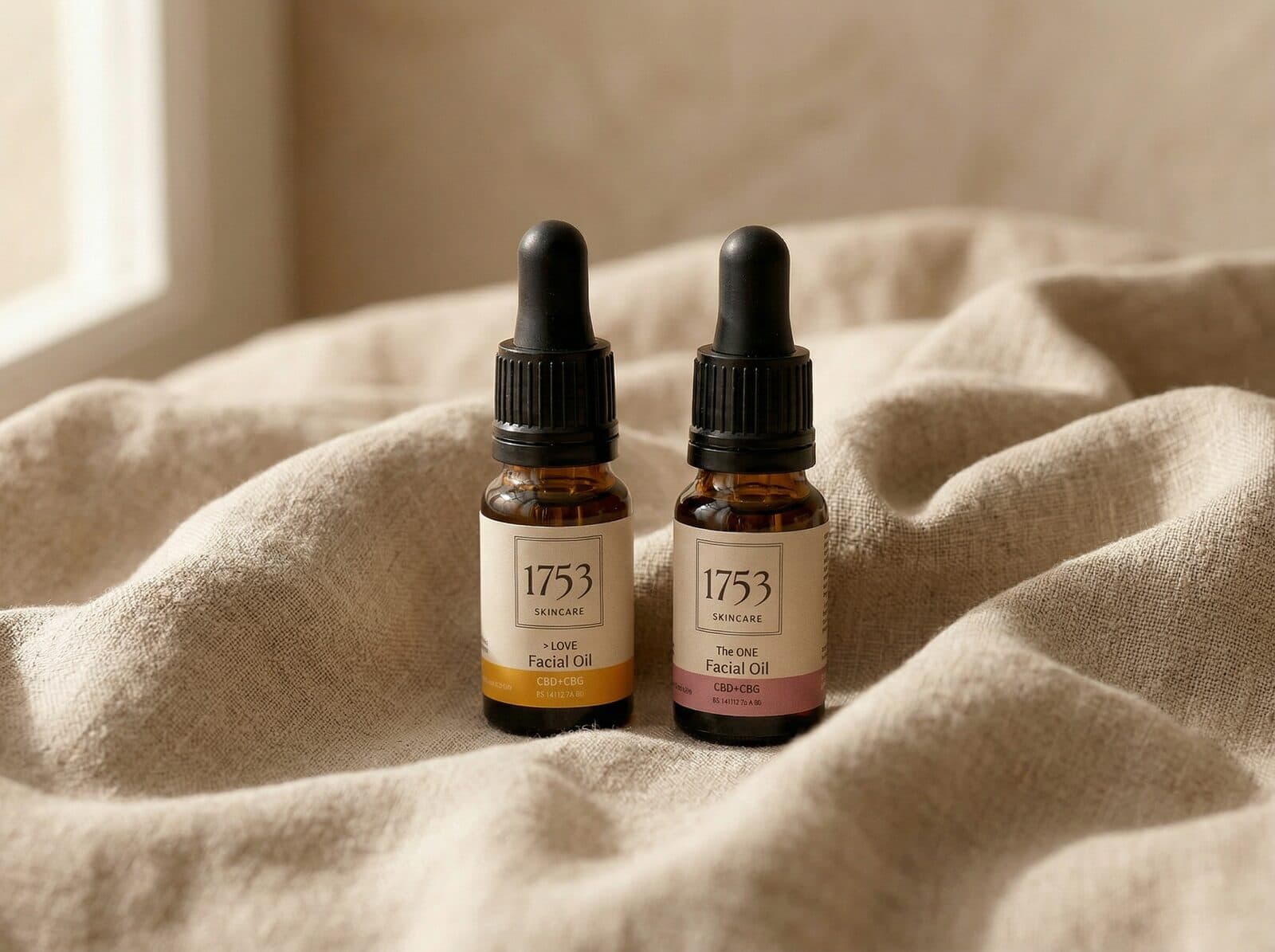
The most sensible response to hormonal acne is rarely to dry it out. The goal is to reduce irritation, support the barrier and help the skin handle oil without going into defense mode. That is where the DUO kit makes sense: The ONE balances with CBD and MCT, while I LOVE with CBG helps soothe and keep skin less reactive. Together, they work with the skin instead of against it.
For cleansing, Au Naturel Makeup Remover is a far more grounded first step than aggressive cleansers. The MCT oil dissolves dirt and sunscreen without disturbing the skin’s hormonally sensitive defense system. When you remove what needs removing, but leave the rest alone, skin often feels less stressed and less inclined to compensate with extra sebum.
If your breakouts also seem tied to a stressed-out body, Fungtastic Mushroom Extract can be an easy add-on to your routine. Its adaptogens support the body’s stress response, which matters because stress and acne love to travel together. For those who want a fuller routine, Ta-DA serum brings an antioxidant cocktail with CBG when skin needs extra support without being overloaded.
Products we recommend
 Save €34
DUO kit
Two face oils, one for morning and one for evening. Simple skincare that works with your skin, not against it.
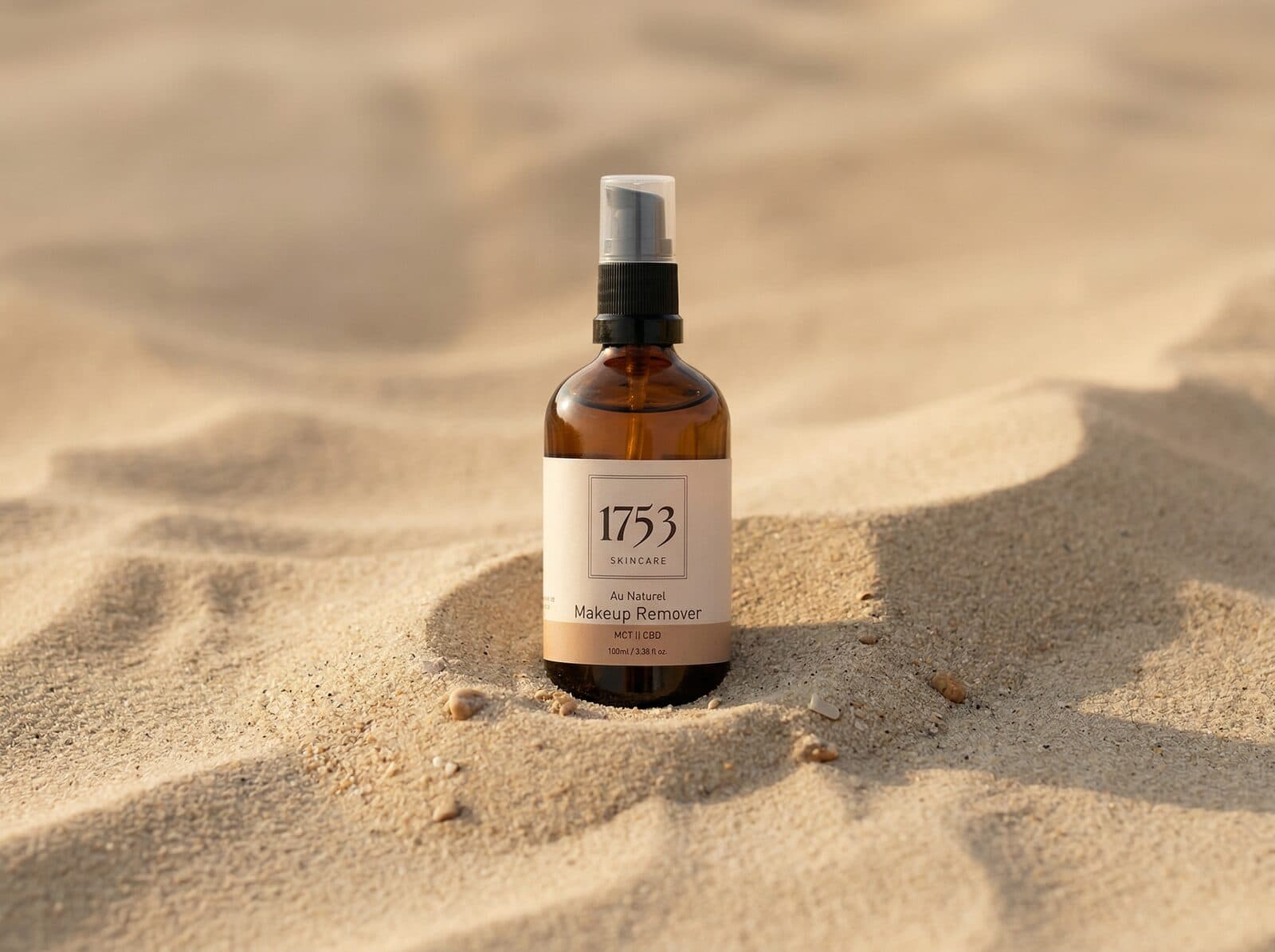
Au Naturel Makeup Remover
A cleansing oil with MCT and CBD that removes makeup and buildup without stripping your skin bare.
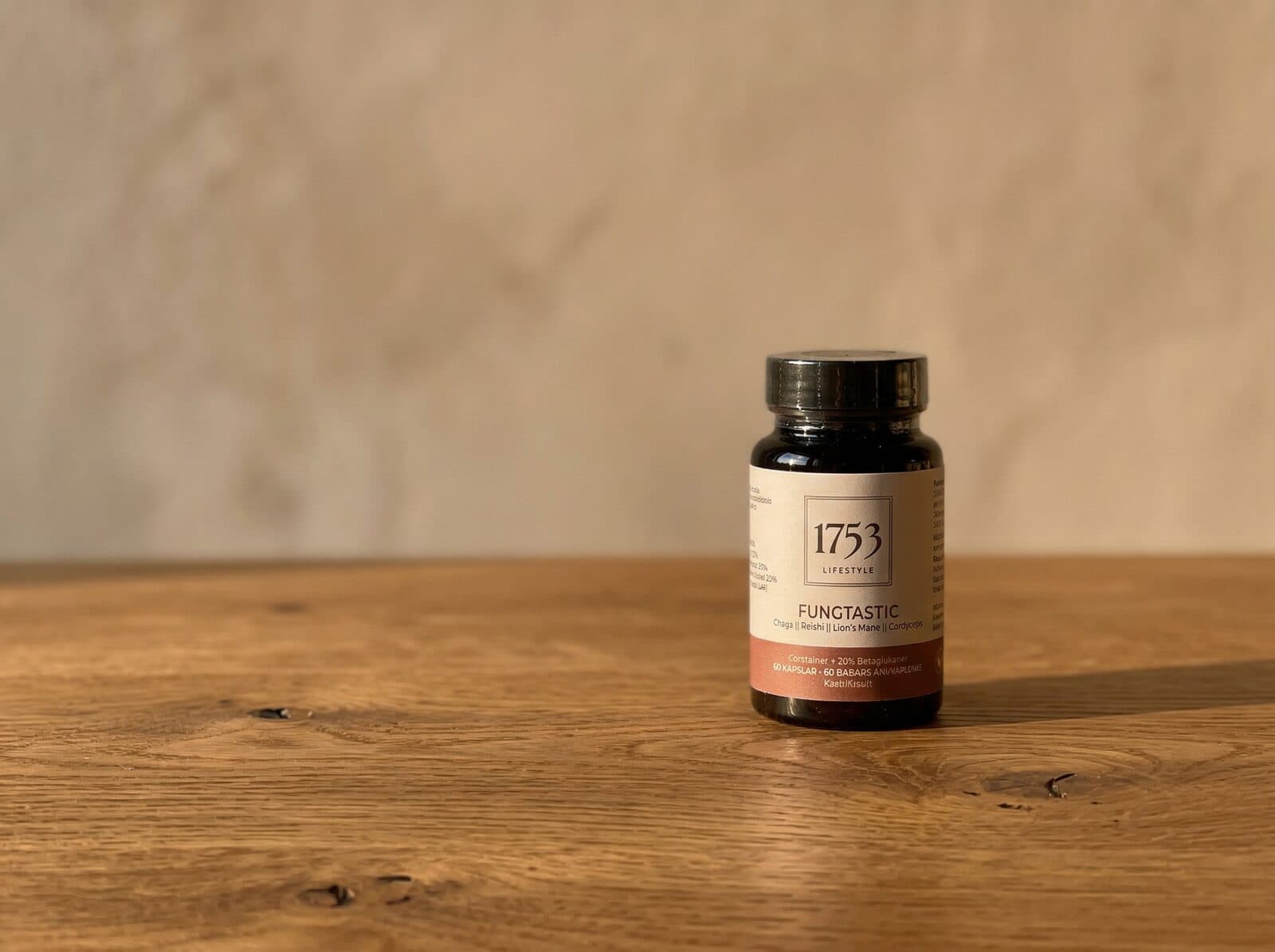

Fungtastic Mushroom Extract
Four mushrooms in one formula to support immunity, focus, energy and sleep from within.
Frequently asked questions
Is hormonal acne only a teenage issue?
No. Many people deal with adult acne long after their teens, especially around the chin and jaw. It often connects to the menstrual cycle, stress, insulin shifts, PCOS or increased sensitivity to androgens over time.
Can birth control help hormonal acne?
For some people, birth control can reduce breakouts by changing hormone balance, but responses vary a lot. It is worth discussing options with a clinician, especially if you suspect PCOS or are dealing with side effects.
Why do I get deep, sore bumps?
Deep bumps often form when oil, inflammation and clogged pores interact further down in the skin. They are classic for hormonal acne and usually do not respond well to scrubbing or drying products.
Can skincare solve hormonal acne on its own?
Not always. Skincare can make a big difference for irritation, oil and barrier health, but if hormones, stress or PCOS are driving the issue, you often need a broader plan too. Start by not provoking the skin unnecessarily.
Sources
- Byrd AL, Belkaid Y, Segre JA. The human skin microbiome. Nat Rev Microbiol 2018;16(3):143–155.
- Salem I, Ramser A, Isham N, Ghannoum MA. The Gut Microbiome as a Major Regulator of the Gut-Skin Axis. Front Microbiol 2018;9:1459.
- Lin TK, Zhong L, Santiago JL. Anti-Inflammatory and Skin Barrier Repair Effects of Topical Application of Some Plant Oils. Int J Mol Sci 2017;19(1):70.
Article reviewed by Christopher Genberg, founder of 1753 SKINCARE.
Related articles
Skin Barrier
Skin microbiome – why balance changes everything
Your skin is not sterile. It’s an ecosystem where trillions of microbes help keep the barrier strong...
Skin Condition
Seborrheic dermatitis – why skin flakes
Red, flaky, stubborn. Seborrheic dermatitis loves the places where skin is richest in sebum: the T-z...
Skin Conditions
Acne treatment – your skin is asking for help, not punishment
Acne isn't a sign you're doing something wrong. It's your skin signaling that something is out of ba...
Skin Streaming
Minimalist 5 step routine – why less can do more
Skincare has become too much of everything: too many steps, too much exfoliation, too much cleansing...
SYMPTOM
Itchy skin – why nights make it worse
You finally lie down, and then it starts. The itch that was manageable all day suddenly takes over y...
Symptom
Flaky skin – when your skin starts shedding
When skin starts lifting in little flakes, it’s tempting to assume it needs a stronger cleanser, ano...