
Wellness
Sleep skin connection – when the night does the work
Beauty sleep is not a cliché. While you sleep, cortisol drops, growth hormone rises and the body gets time to repair, clear out and rebuild. Skin follows that rhythm too—if you let it.

Why does skin look tired after a short night?
Sleep loss shows up far beyond dark circles. When you cut the night short, the HPA axis stays more switched on, cortisol lingers, and skin has a harder time moving into repair mode. The result is often more redness, dullness and that feeling that your skin never quite settles.
During deep sleep and REM, a lot happens behind the scenes. The body downshifts stress signalling, growth hormone supports tissue recovery, and the glymphatic system helps clear waste in the brain as part of the nightly reset that affects the whole organism, skin included. That is why one bad night can hang around for days.
And no, the answer is not harsher cleansing in the morning or piling on stronger actives. Over-exfoliating and stripping the skin can add more stress to an already stressed barrier. The real question is simpler: does your skin even get a chance to recover when you sleep 6 hours, or less, night after night?
How to give skin a better night setting
Aim to sleep before 11
If you can, fall asleep between 10:30 and 11:30. That improves your odds of getting enough deep sleep, where the night-time growth hormone pulse does the heavy lifting for recovery.
Try 8 hours straight
People love to say sleep needs are personal, but skin likes structure. Ask yourself: do I wake up feeling restored? If not, try one uninterrupted 8-hour window for a week.
Finish dinner earlier
A late heavy meal can keep insulin and stress signalling more active than you think. Try making your last proper meal 3 hours before bed and notice whether your skin feels less puffy the next morning.
Slow down after 9 pm
Light, screens and social noise keep the HPA axis switched on. Dim the lights around 9, put your phone away 30 minutes before sleep and see whether falling asleep gets easier after just three evenings.
Support the evening reset
If you want a simple inside-out support, Fungtastic Mushroom Extract can fit into an evening routine. It is not magic, just a practical way to give your body a bit more support when you are trying to land.

How real night-time recovery works
Start with the foundation: enough sleep, consistently. 8 hours is not a sacred number, but it is a solid target if you want cortisol to fall, REM to do its job and tissues to recover without interference. When that rhythm is in place, skincare becomes more effective, not more aggressive.
For internal support, Fungtastic Mushroom Extract can be a simple addition to an evening ritual when you want to support the body from within. On the outside, choose products that respect the barrier: the DUO kit with The ONE and I LOVE gives skin balanced cannabinoid support, while Ta-DA serum adds an antioxidant cocktail with CBG and adaptogens for skin that needs calm, not more stress.
That is the whole point of the sleep skin connection: you cannot out-creme a bad night, but you can stop fighting it. Gentle steps, consistent rhythm, less friction. Then skin gets to do what it is built to do—recover while you sleep.
Products we recommend
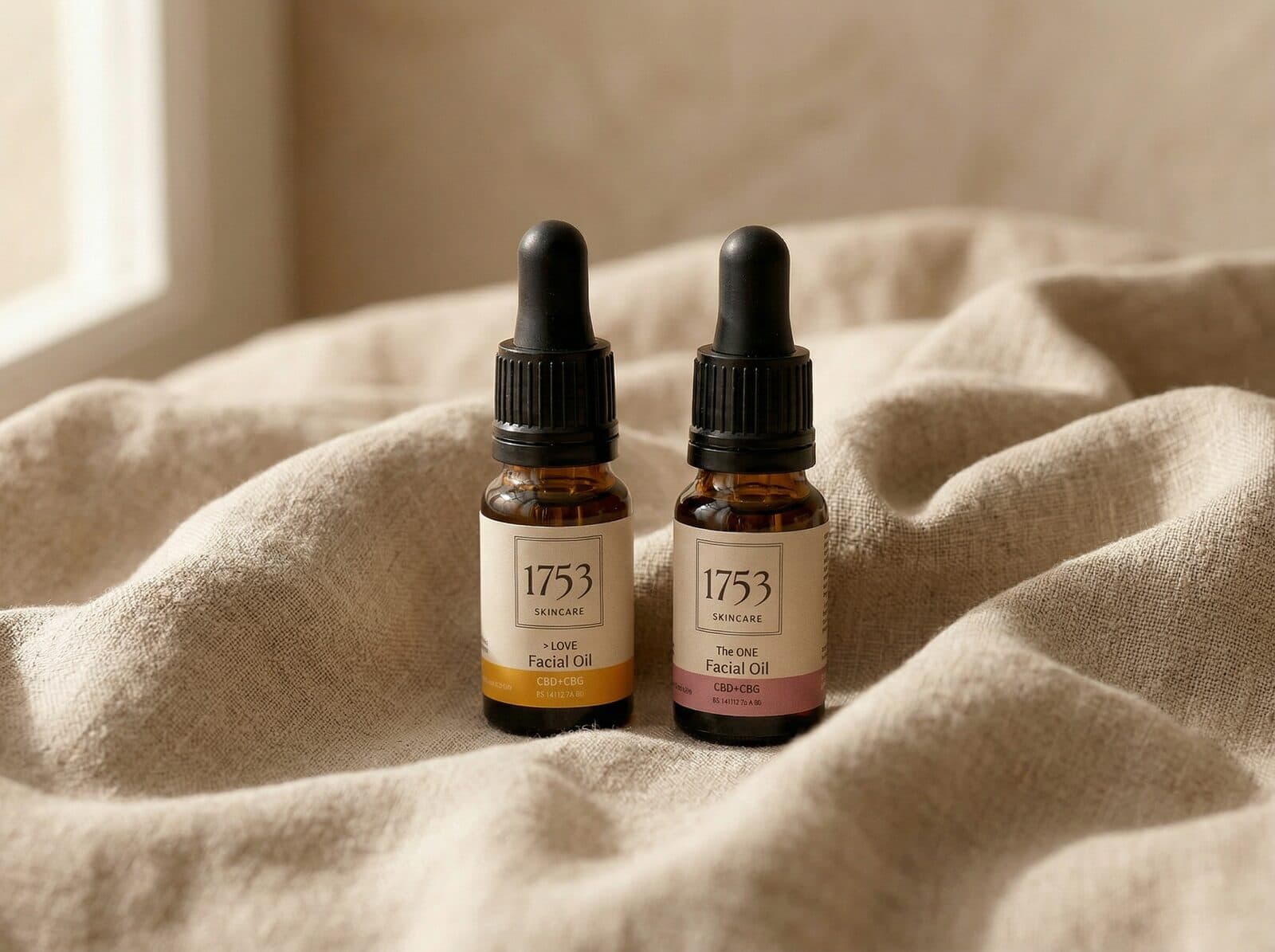
 Save €34
DUO kit
Two face oils, one for morning and one for evening. Simple skincare that works with your skin, not against it.
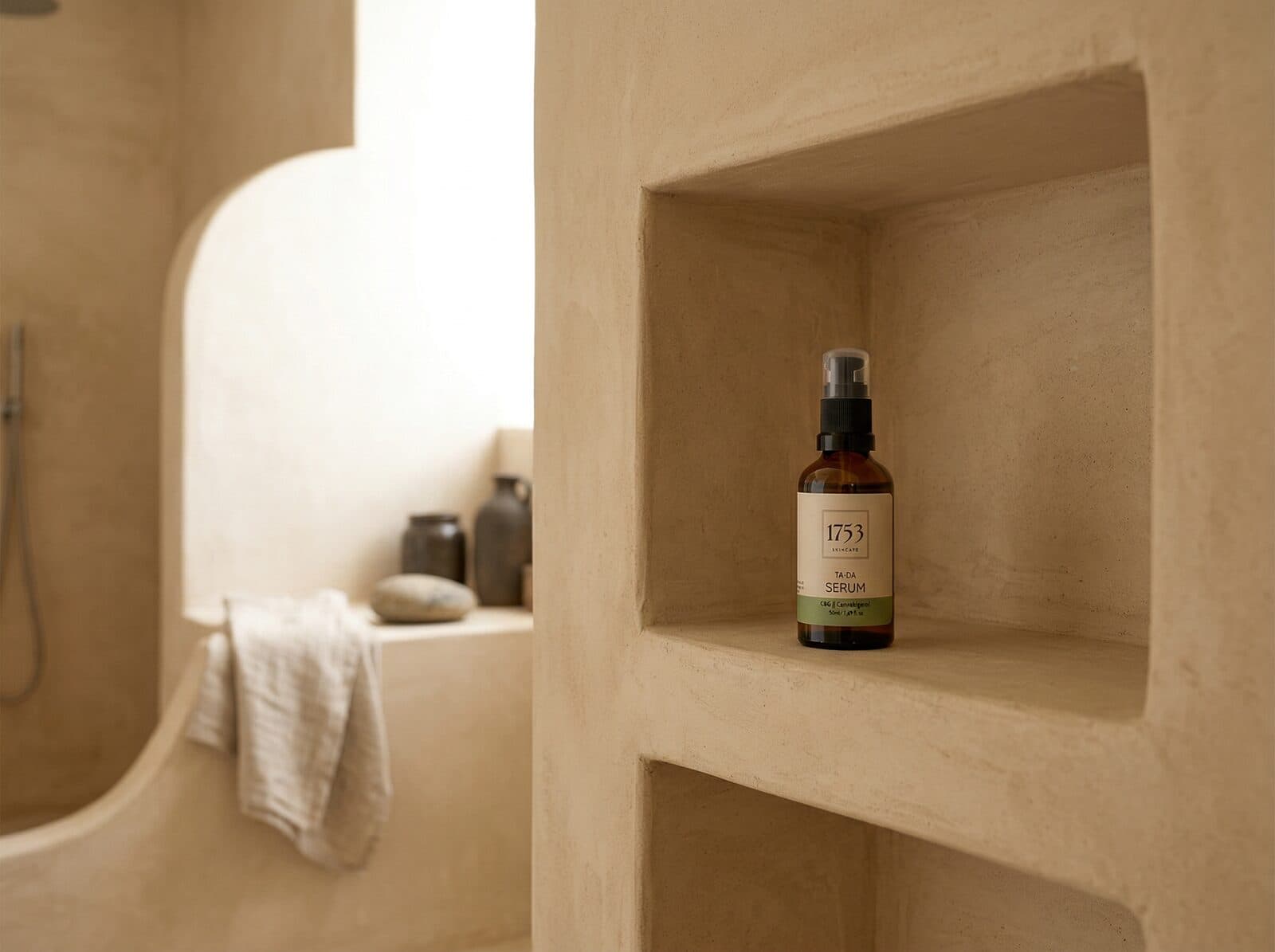
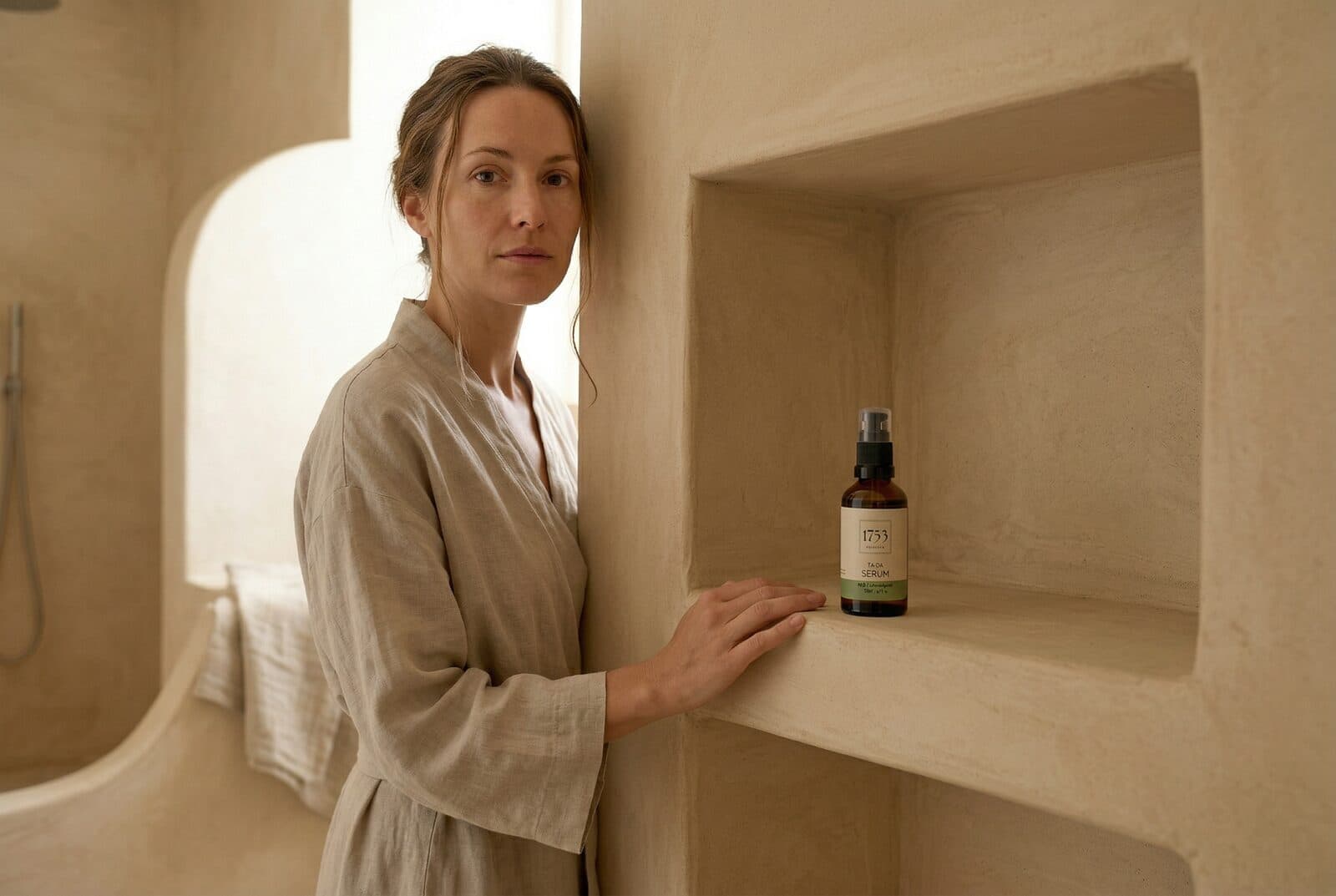
TA-DA Serum
A CBG-powered serum that seals in moisture and adds glow, whatever the season.
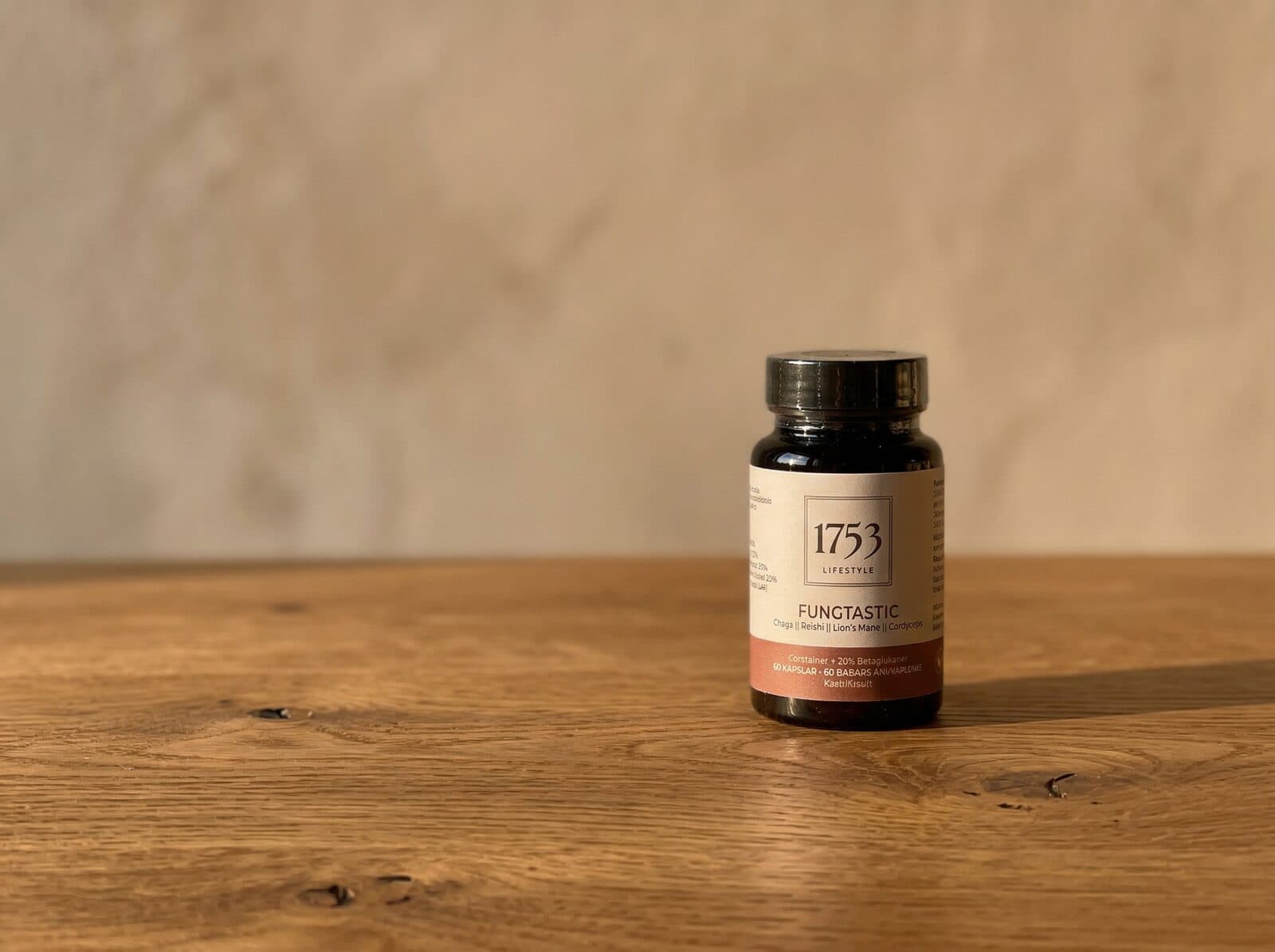

Fungtastic Mushroom Extract
Four mushrooms in one formula to support immunity, focus, energy and sleep from within.
Frequently asked questions
Is 6 hours enough for skin?
Sometimes it feels manageable, but skin often shows the debt first. Short sleep can disrupt cortisol, recovery and barrier function. If you regularly wake up dry, dull or irritated, 6 hours is probably not enough for you.
When does skin recover most at night?
Skin recovery is not a single event, but night-time quiet supports the process. Deep sleep and later REM phases are key parts of the overall reset, together with lower stress signalling.
Can skincare help if I sleep badly?
Yes, but only to a point. A gentle routine can reduce unnecessary strain, but it cannot replace the biological effects of sleep. That is why pairing better sleep habits with barrier-friendly skincare makes sense.
What should I change first?
Start with bedtime. If you keep pushing sleep later, even a great routine will struggle to help. Try the same bedtime for five nights and notice what changes in your skin the next morning.
Sources
- Chen Y, Lyga J. Brain-skin connection: stress, inflammation and skin aging. Inflamm Allergy Drug Targets 2014;13(3):177–190.
- Walker MP, van der Helm E. Overnight therapy? The role of sleep in emotional brain processing. Psychol Bull 2009;135(5):731–748.
- Katta R, Desai SP. Diet and Dermatology: The Role of Dietary Intervention in Skin Disease. J Clin Aesthet Dermatol 2014;7(7):46–51.
Article reviewed by Christopher Genberg, founder of 1753 SKINCARE.
Related articles
Wellness Axis
Gut skin connection – when the gut shows on your face
Your skin is not a separate island. It listens to your gut, your stress, and the state of your intes...
WELLNESS
Stress skin – when your body hits the alarm button
You usually feel it before you can explain it: redness, tightness, stinging, or a psoriasis flare th...
Wellness
Cortisol skin – when the morning mountain hits
You wake up and your skin looks like it slept worse than you did. Puffiness, shine, flakes or tiny b...
Lifestyle
Perimenopause and skin – when everything shifts at once
One day your skin feels drier, thinner and suddenly touchy. Adult acne may show up, fine lines look ...
Cyclic Skincare
Menstrual Cycle and Skin – why one routine doesn’t fit all
Your skin doesn’t run on a fixed schedule; it runs with your body. Across the menstrual cycle, hormo...
Postpartum Skin
Postpartum skin – why it changes so much
After pregnancy, skin can feel like it belongs to someone else. Hormones drop, sleep gets broken, an...