
Wellness
Cortisol skin – when the morning mountain hits
You wake up and your skin looks like it slept worse than you did. Puffiness, shine, flakes or tiny breakouts can all follow the same pattern as the body: cortisol, circadian timing and blood sugar. This is not a sign that your skin is “broken” – often it’s just overloaded.

Is the skin really the problem?
Skin often follows the body’s diurnal rhythm. Cortisol naturally rises in the morning to get you going, but when sleep, stress and late meals are off, that peak can become steeper and messier. The result may look like redness, tightness, or skin that suddenly becomes much more reactive.
This is where the old adrenal fatigue story muddies the water. Your adrenals don’t simply “run out” like a battery, but the HPA axis can become miscalibrated under long-term stress. When blood sugar dips too hard in the afternoon or evening, the body sends another stress signal – and your skin tends to show it.
That doesn’t mean you should scrub harder, pile on acids or add more steps. Quite the opposite: skin often responds better to calm, consistency and fewer disruptions. The question is not only what you put on your face, but when you sleep, eat and actually come down from the day.
Five things that actually help
Eat earlier
If you often crash before lunch, try breakfast within 1–2 hours of waking. More stable blood sugar means less stress signalling, and your skin gets fewer of those unnecessary morning spikes.
Get light before screens
Take 10 minutes of daylight between 7 and 9 a.m. It helps your circadian clock understand that the day has started, which can smooth cortisol timing and make skin feel less on edge.
Stop chasing with acids
If your skin is red, tight and shiny at the same time, pause strong exfoliation for at least 7 days. Over-cleansing and over-exfoliating disrupt the barrier and can amplify stress in the skin.
Use the evening check-in
At 8 p.m., ask: “Am I actually hungry, or just tired and stressed?” It helps you separate blood sugar from emotion, so you don’t add one more stress hit to the system.
Lower the volume before bed
Give yourself 30 minutes without notifications before sleep. Less mental stimulation late at night supports GABA tone and makes it easier for the body to switch into repair mode.

How to care for skin properly
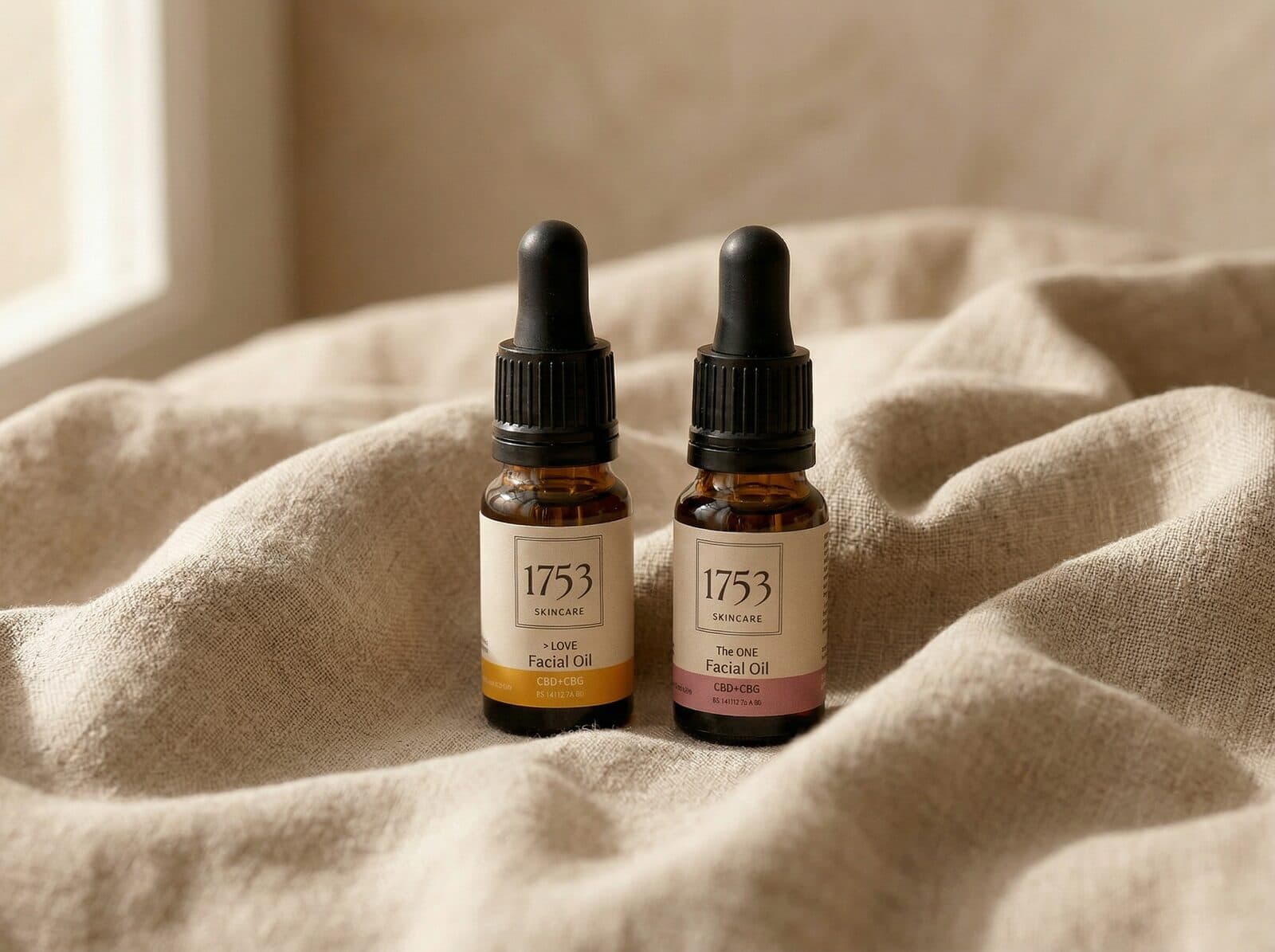
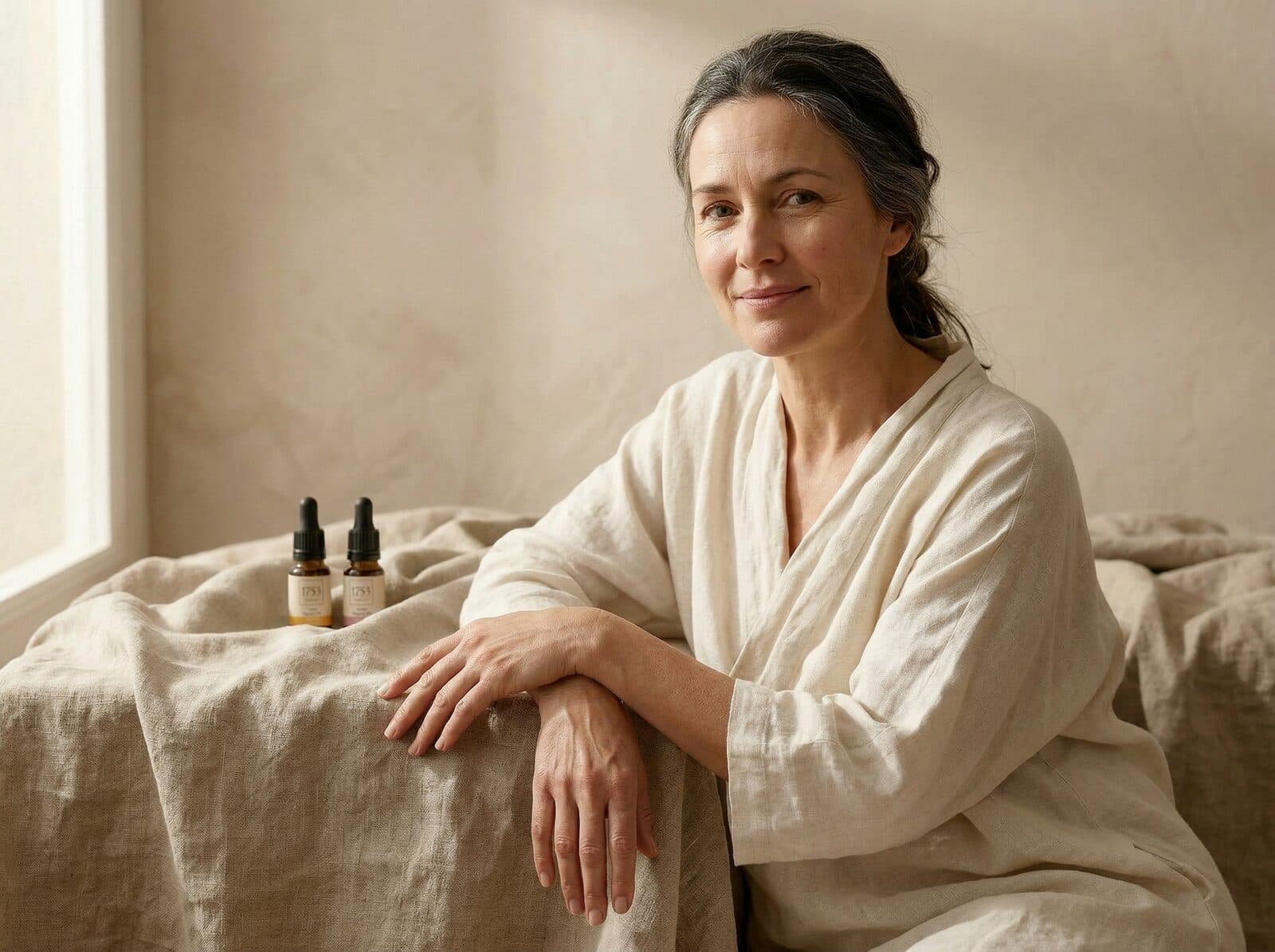
For skin that reacts to stress, you don’t need more discipline – you need better timing. The DUO kit with The ONE and I LOVE gives skin lipids and calm without overworking it. The ONE helps skin feel more regulated, while I LOVE is a good fit when skin feels irritated, warm or easily triggered.
If you want to build more resilience over time, Ta-DA serum is the natural next step. Its antioxidant cocktail with CBG and adaptogens fits when you want to support skin against the everyday oxidative stress that often follows poor sleep, pressure and an off rhythm. It’s not magic, just sensible skincare that doesn’t add more noise.
And if you want to support the whole system from the inside out, Fungtastic Mushroom Extract brings chaga, reishi, lion’s mane and cordyceps into the picture. It’s a simple way to support the body when you know stress, circadian disruption and blood sugar swings tend to show up first on your face. For the skin itself, keep it straightforward: DUO kit + Ta-DA serum.
Products we recommend
 Save €34
DUO kit
Two face oils, one for morning and one for evening. Simple skincare that works with your skin, not against it.
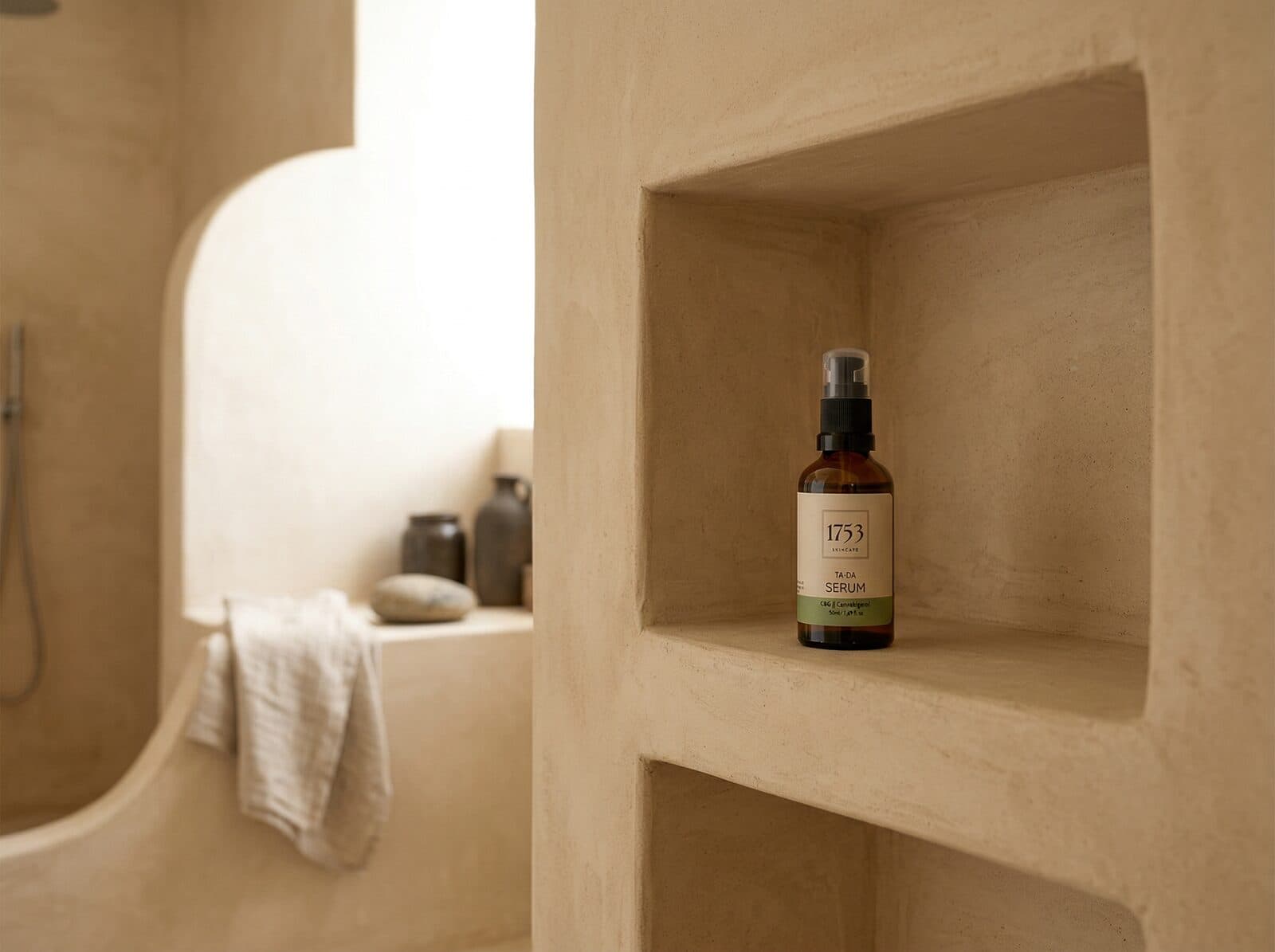
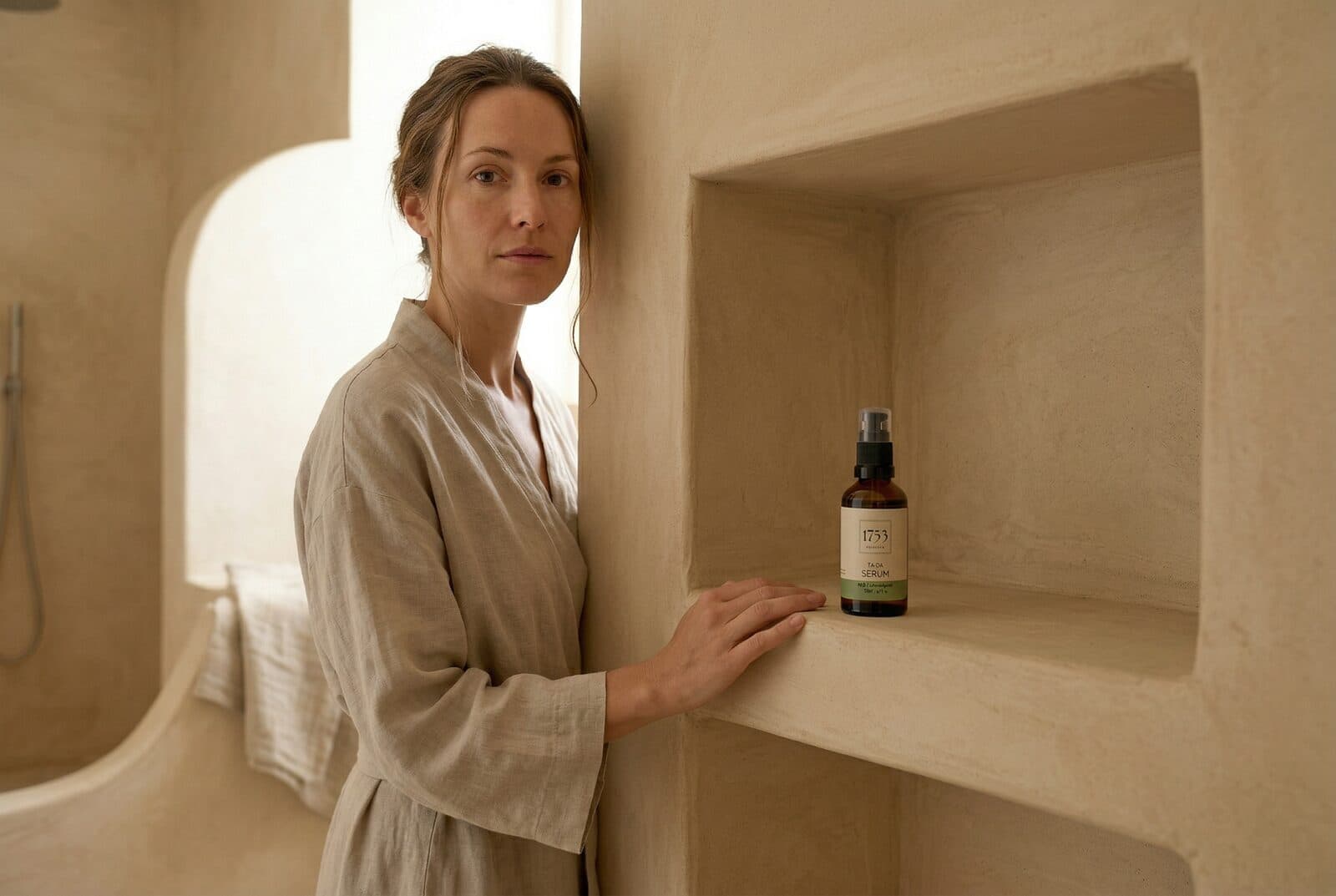
TA-DA Serum
A CBG-powered serum that seals in moisture and adds glow, whatever the season.
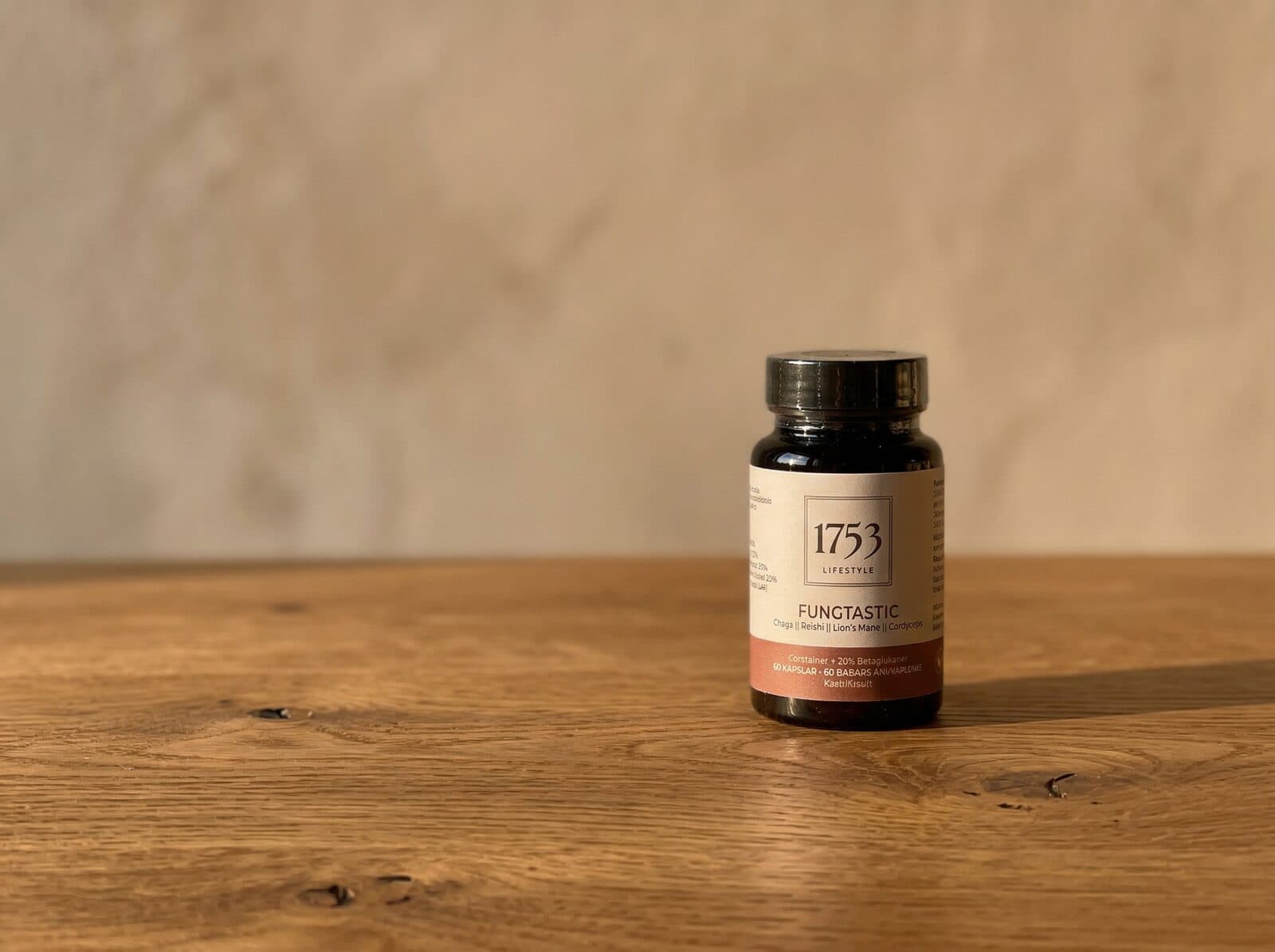
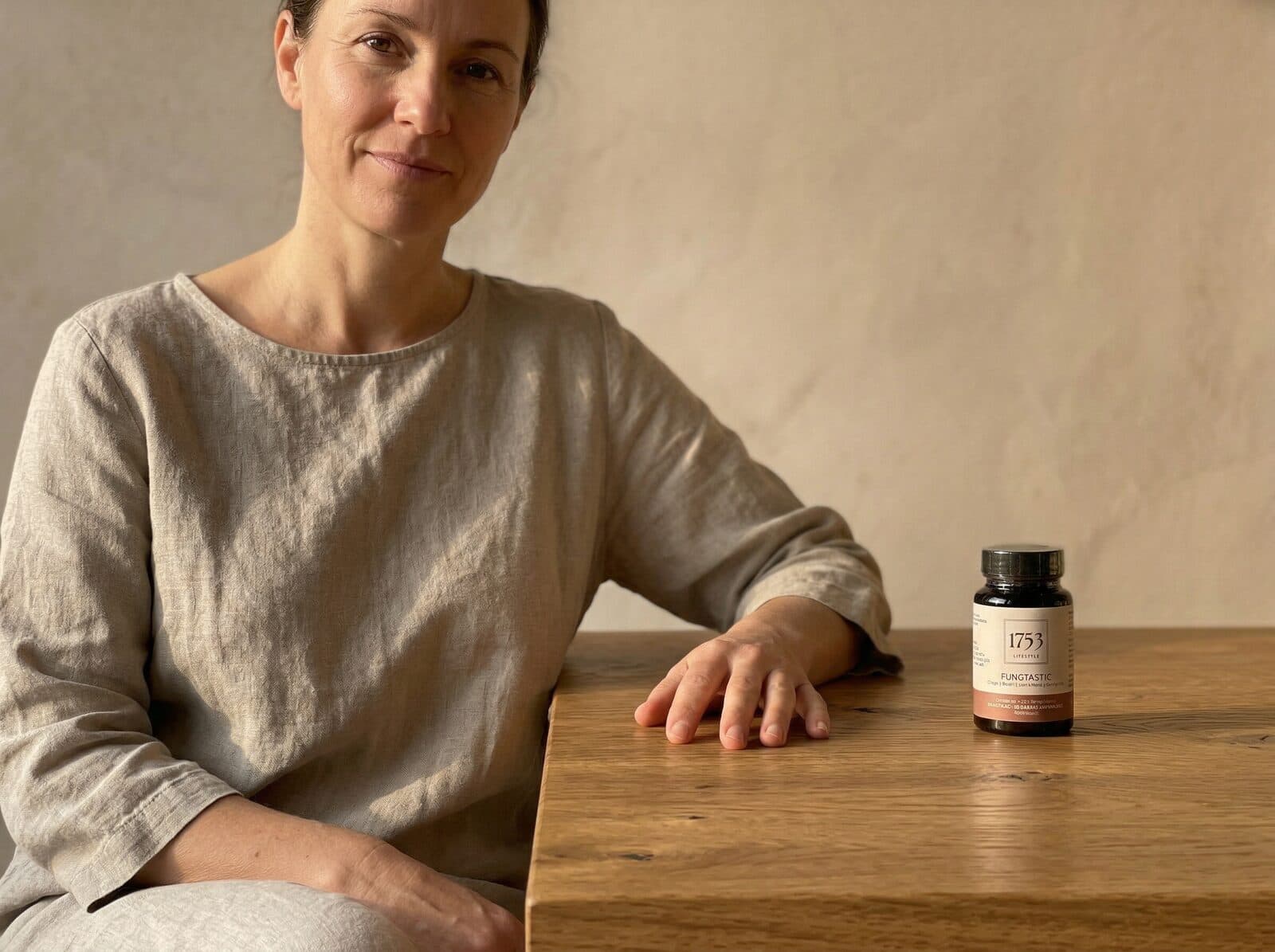
Fungtastic Mushroom Extract
Four mushrooms in one formula to support immunity, focus, energy and sleep from within.
Frequently asked questions
Is cortisol always bad for skin?
No. Cortisol is a normal and necessary stress hormone that follows your circadian rhythm. The issue is when the curve becomes too high, too erratic or too prolonged, often because of stress, poor sleep and blood sugar swings.
What does adrenal fatigue mean?
It’s a popular term, but not a recognised medical diagnosis in the way many people use it. The adrenals don’t simply “stop”; it’s more often a misregulated HPA axis and a system that has been under too much pressure.
Can blood sugar affect the skin?
Yes, indirectly and sometimes very clearly. Sharp swings can increase stress signalling and inflammatory sensitivity, which may show up as shine, redness or more small breakouts. More stable meals often help more than another active.
Which product should I start with?
If your skin feels stressed and reactive, the DUO kit is usually the most logical starting point: The ONE plus I LOVE. If you want extra support against daily stress, add Ta-DA serum, and Fungtastic is there if you want to support the body from within.
Sources
- Chen Y, Lyga J. Brain-skin connection: stress, inflammation and skin aging. Inflamm Allergy Drug Targets 2014;13(3):177–190.
- Walker MP, van der Helm E. Overnight therapy? The role of sleep in emotional brain processing. Psychol Bull 2009;135(5):731–748.
- Katta R, Desai SP. Diet and Dermatology: The Role of Dietary Intervention in Skin Disease. J Clin Aesthet Dermatol 2014;7(7):46–51.
Article reviewed by Christopher Genberg, founder of 1753 SKINCARE.
Related articles
Wellness
Sleep skin connection – when the night does the work
Beauty sleep is not a cliché. While you sleep, cortisol drops, growth hormone rises and the body get...
Wellness Axis
Gut skin connection – when the gut shows on your face
Your skin is not a separate island. It listens to your gut, your stress, and the state of your intes...
WELLNESS
Stress skin – when your body hits the alarm button
You usually feel it before you can explain it: redness, tightness, stinging, or a psoriasis flare th...
Lifestyle
Perimenopause and skin – when everything shifts at once
One day your skin feels drier, thinner and suddenly touchy. Adult acne may show up, fine lines look ...
Cyclic Skincare
Menstrual Cycle and Skin – why one routine doesn’t fit all
Your skin doesn’t run on a fixed schedule; it runs with your body. Across the menstrual cycle, hormo...
Postpartum Skin
Postpartum skin – why it changes so much
After pregnancy, skin can feel like it belongs to someone else. Hormones drop, sleep gets broken, an...