
Cuticle Care
Nail bed health – the quiet base you keep abusing
Your cuticles and nail bed are small, but they work hard. This skin is thin, easily stressed by friction, and has a limited tolerance for repeated trauma. When you get hangnails, soreness, or a nail that starts lifting, it is often more than just “dry skin”.

Why do cuticles break so easily?
The skin around the nail sits in a high-wear zone: thin tissue, frequent hand washing, constant micro-trauma, and circulation that is not exactly luxurious. That means tiny tears can linger, and every time you pick at a hangnail you widen the injury and invite irritation around the nail matrix and nail bed.
Onycholysis, when the nail separates from the nail bed, is not just a fancy word for dryness. It can be caused by trauma, chemicals, fungal issues, skin conditions, or too much buffing and over-cleaning. The mainstream obsession with harsh exfoliation and “squeaky clean” habits makes very little sense here.
And no, biotin is not the answer to every nail issue just because it sounds tidy in a supplement ad. A true deficiency can affect nails, but far more often the culprit is everyday wear, dehydration, product overload, or sometimes low iron. If nails change shape, become brittle, or lift without a clear reason, think beyond the surface.
What actually helps cuticles?
Massage in oil daily
A small amount of oil softens the barrier and helps stop cuticles from splitting. Apply it around the nail folds after washing, while the skin is still slightly damp.
Never rip hangnails
Do not pull. Trim only what is already loose with clean scissors, or you’ll drag the damage deeper into the skin. Tiny tears around the nail can become surprisingly angry.
Reduce water stress
Water, detergent, and constant hand washing swell and dry the barrier in cycles. Wear gloves for dishes and cleaning instead of treating your hands like disposable tools.
Look at the full picture
If several nails change at once, or you notice fatigue, pallor, or hair shedding, it is worth checking iron status. Nails often say more about the body than about your manicure.
Pause harsh routines
Skip aggressive buffing, strong solvents, and over-filing the cuticle area. This part wants calm, not a skincare boot camp.

How to actually support nail bed health
Start by treating the cuticle and nail bed like sensitive skin, because that’s what it is. The area is thin, reactive, and happiest with gentle cleansing, regular moisture, and minimal friction. Small daily habits beat dramatic repair rituals every time.
This is where Au Naturel Makeup Remover makes sense even beyond makeup: as a mild MCT oil for softening dryness and giving the area a simple oil massage. The ONE is also safe on delicate body parts and works well when you want a more regulating touch without overloading the skin. A few drops go a long way.
If the nails feel reactive, dry, or mildly inflamed, keep the routine simple: cleanse gently, massage in oil after showering, and wear gloves when you expose your hands to water and chemicals. If you see onycholysis, repeated cracking, or signs of deficiency, think body first, not just nail care. And yes, iron status is often more relevant than another biotin capsule.
Products we recommend
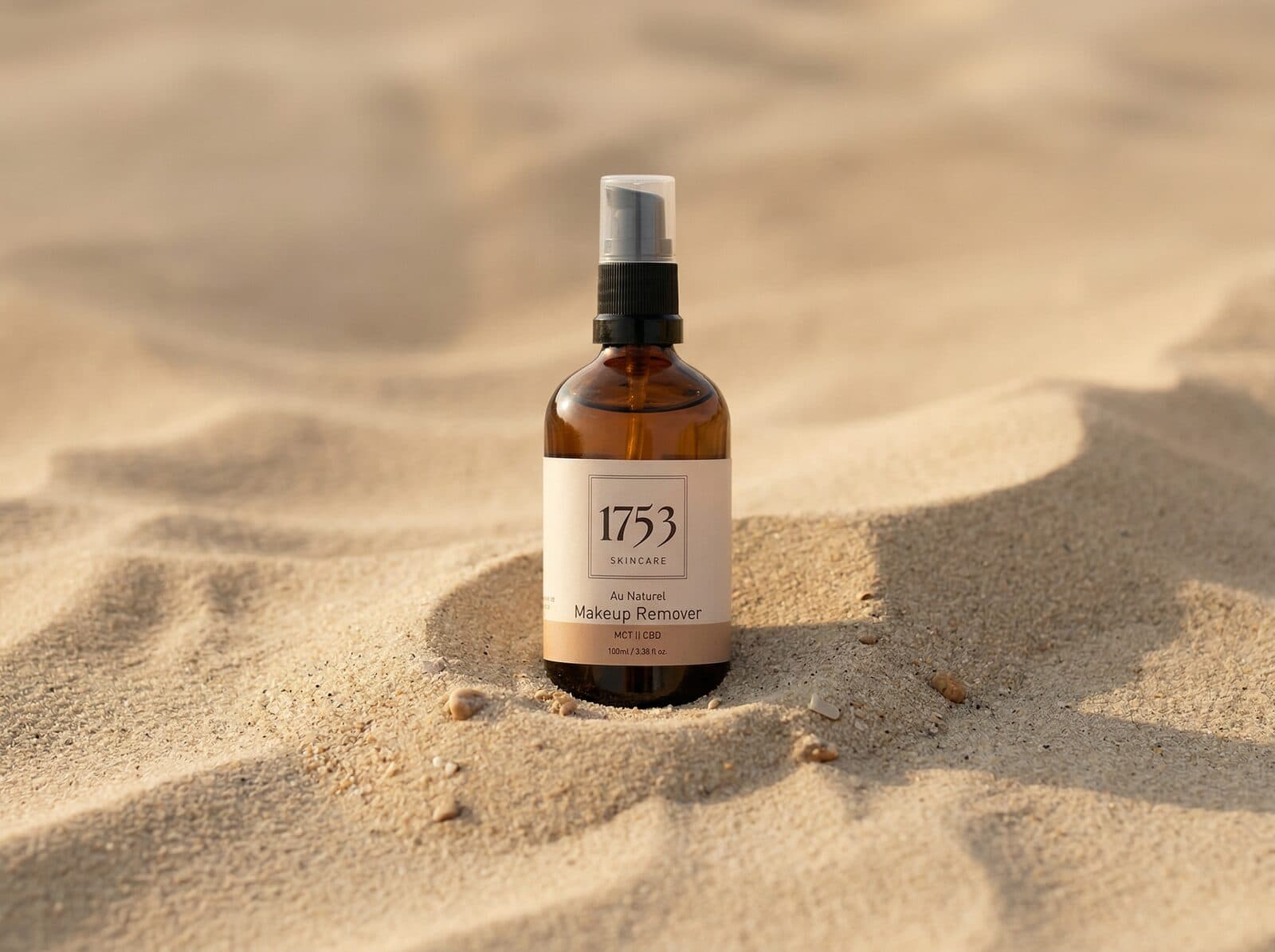

Au Naturel Makeup Remover
A cleansing oil with MCT and CBD that removes makeup and buildup without stripping your skin bare.

 Save €34
DUO kit
Two face oils, one for morning and one for evening. Simple skincare that works with your skin, not against it.
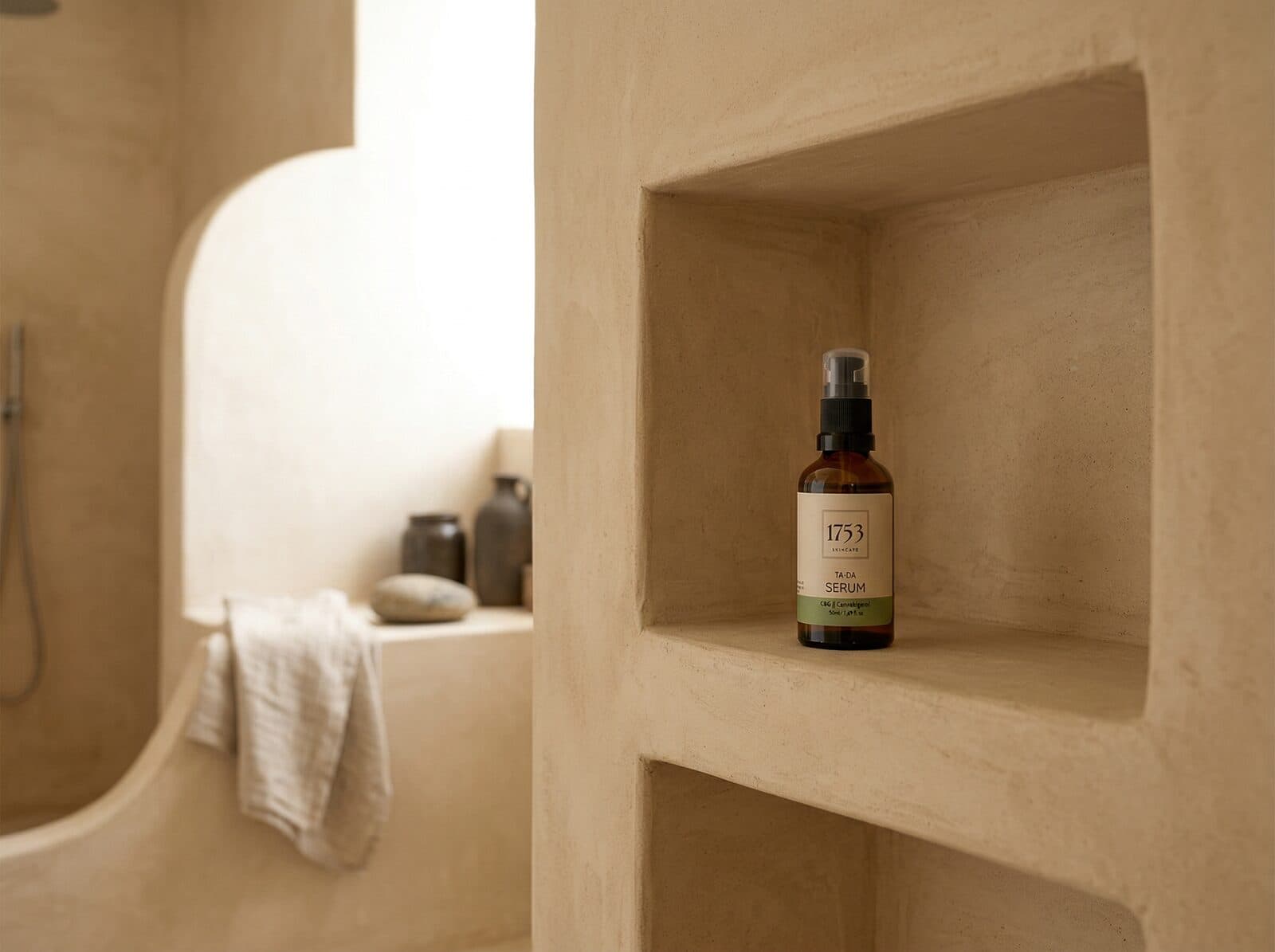
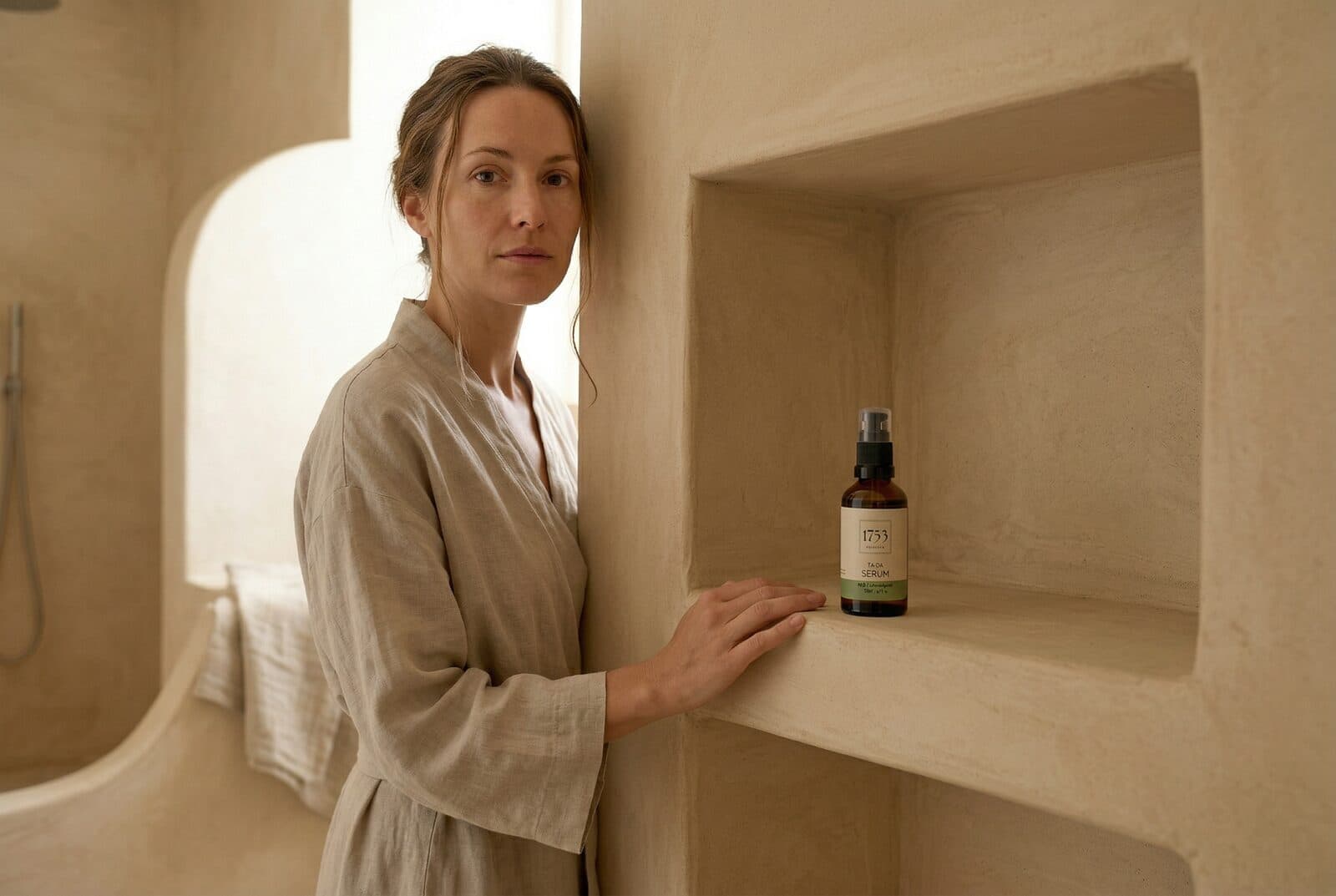
TA-DA Serum
A CBG-powered serum that seals in moisture and adds glow, whatever the season.
Frequently asked questions
Are hangnails a deficiency sign?
Not always. Most often they come from dryness, friction, and repeated mechanical stress. But if the problem keeps coming back with other symptoms, it is worth checking iron and overall health.
What is onycholysis?
It is when the nail partially lifts away from the nail bed. It can be caused by trauma, chemicals, fungus, or skin disease. So it is not just a cosmetic issue.
Does biotin help brittle nails?
Biotin can help if you truly have a deficiency, but it is not a universal fix. For many people, the real issue is dehydration, over-treatment, or something underlying that needs attention.
Can I use face oil on cuticles?
Yes, a mild oil can work very well as cuticle oil. The ONE and Au Naturel are gentle enough for sensitive areas, and just a few drops are enough for massage and protection.
Sources
- Proksch E, Brandner JM, Jensen JM. The skin: an indispensable barrier. Exp Dermatol 2008;17(12):1063–1072.
- Lin TK, Zhong L, Santiago JL. Anti-Inflammatory and Skin Barrier Repair Effects of Topical Application of Some Plant Oils. Int J Mol Sci 2017;19(1):70.
Article reviewed by Christopher Genberg, founder of 1753 SKINCARE.
Related articles
Hand Care
Natural hand care – for skin that never gets a break
Your hands show everything: washing, sanitiser, wind, and UV. The skin is thin, often lower in oil g...
Foot Care
Foot care dry heels - less friction, more relief
Dry heels usually do not need harsher treatment. They need less friction, less dehydration and a rou...
Neck Care
Neck cream wrinkles – stop treating the neck like an afterthought
The neck is not just “more face.” It has thinner skin, fewer sebaceous glands and constant exposure ...
Skin Barrier
Restore Skin Barrier – stop stripping, start rebuilding
A damaged barrier is rarely a mystery. More often, the stratum corneum has lost its mortar-model bal...
Skin Condition
Keratosis pilaris – why skin turns bumpy
Tiny bumps on the upper arms, thighs, or buttocks are not proof that your skin is failing. Keratosis...
Skin Streaming
Minimalist 5 step routine – why less can do more
Skincare has become too much of everything: too many steps, too much exfoliation, too much cleansing...