
Scalp
Scalp health – less drama, more balance
The scalp is not just a strip of skin under your hair. It is thin, richly supplied with blood, and packed with sebaceous glands that can tip into trouble when you wash too hard or overdo the actives. Real scalp care is not about stripping everything away, but about supporting the skin’s own rhythm.

Why do we treat the scalp like it can take anything?
The scalp has a high density of sebaceous glands, which makes it especially sensitive to shifts in sebum flow and malassezia balance. When you over-cleanse, scrub, or chase that “squeaky clean” feeling, the barrier can get disrupted, and the skin often responds with even more irritation.
Research on the scalp shows that the microbiome and skin pH influence how calm or reactive the surface feels. A slightly acidic environment around pH 5.5 supports barrier enzymes and skin function, while harsh shampoos and too many actives can throw that balance off. That is why flakes do not always need more force.
What mainstream advice often misses is that an irritated scalp usually does not need a harsher strategy, but a smarter one. If your scalp feels tight, greasy, or itchy all at once, it is probably asking you to stop fighting it and start listening. The scalp rarely wants to be “purified”; it wants to be understood.
Five things that actually help
Wash more gently
Choose a mild cleanser and massage briefly, not aggressively. The scalp often does better when it is cleaned without being stripped.
Respect pH
Products close to pH 5.5 are often kinder to the barrier. That small detail matters when the scalp gets red or tight easily.
Do not fear sebum
A little scalp oil is not the enemy. Sebum protects and softens, so avoid over-treating just to escape shine.
Touch less
Scratching and picking usually create more inflammation than you think. The more you mechanically disturb the skin, the longer it stays upset.
Support the microbiome
Stress, sleep, and harsh products all affect the skin ecosystem. A steadier routine and fewer extremes often beat the next active ingredient.

How to build a scalp that holds up
Start by stopping the overcorrection. A scalp that gets dry, itchy, or oddly oily usually needs a routine that respects both sebum and barrier function, not another round of strong acids or deep cleansing. The goal is an environment where the microbiome can settle and where malassezia balance is not pushed out of range by unnecessary friction.
That is where Au Naturel Makeup Remover can be surprisingly useful as a gentle oil cleanse on sensitive, dry areas near the hairline or where skin needs a softer start. And The ONE, our CBD face oil, is safe for sensitive body parts too when you use just a few drops – it is made to calm, not smother. Small amounts go a long way.
If you want to think about scalp care properly, keep cleansing gentle, let the scalp stay lightly supported rather than scrubbed raw, and build a daily life that does not keep feeding stress and inflammation. Sometimes less product, better balance, and more patience are exactly what turns a scalp in conflict into a scalp that simply does its job.
Products we recommend
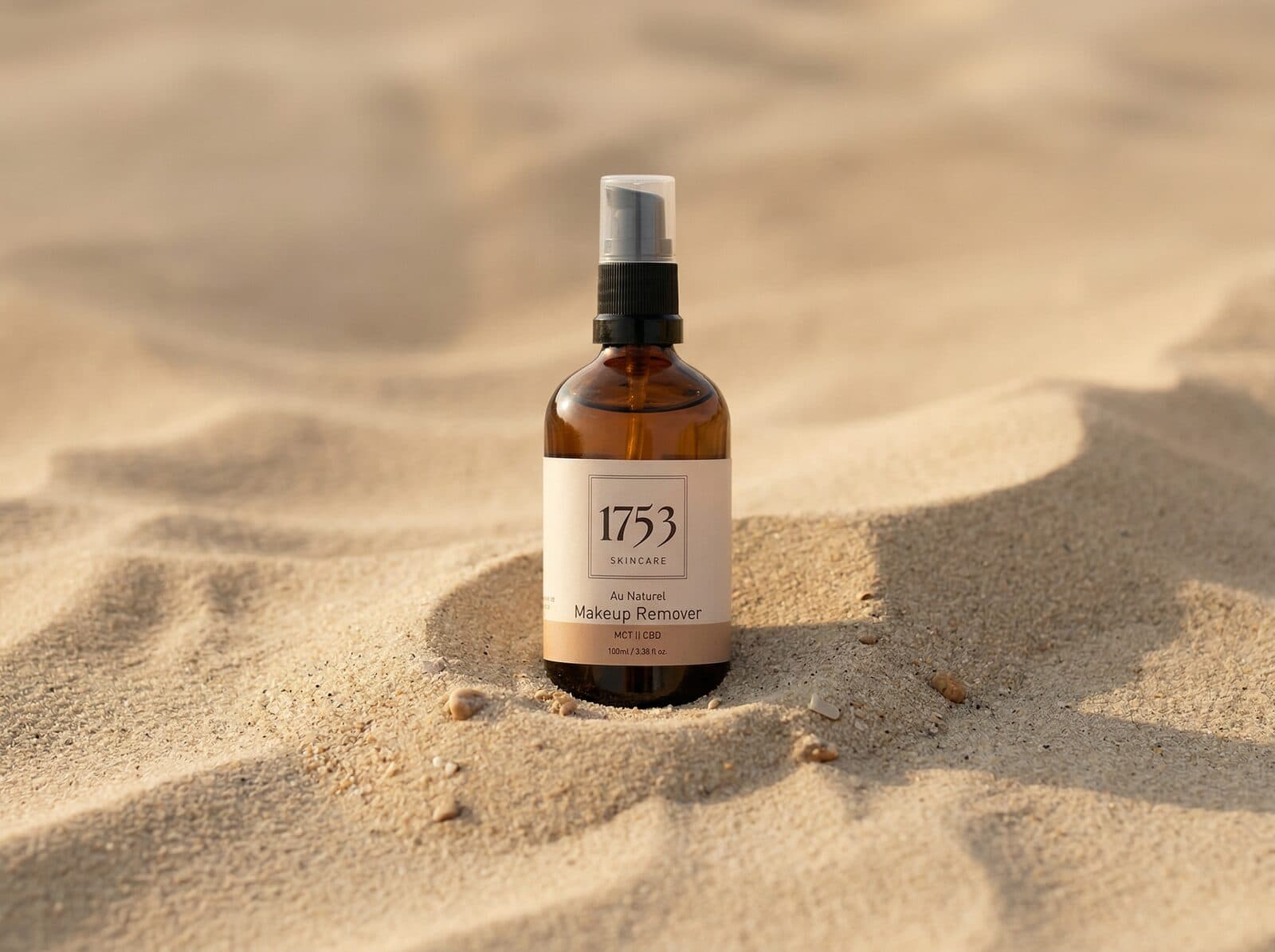
Au Naturel Makeup Remover
A cleansing oil with MCT and CBD that removes makeup and buildup without stripping your skin bare.
 Save €34
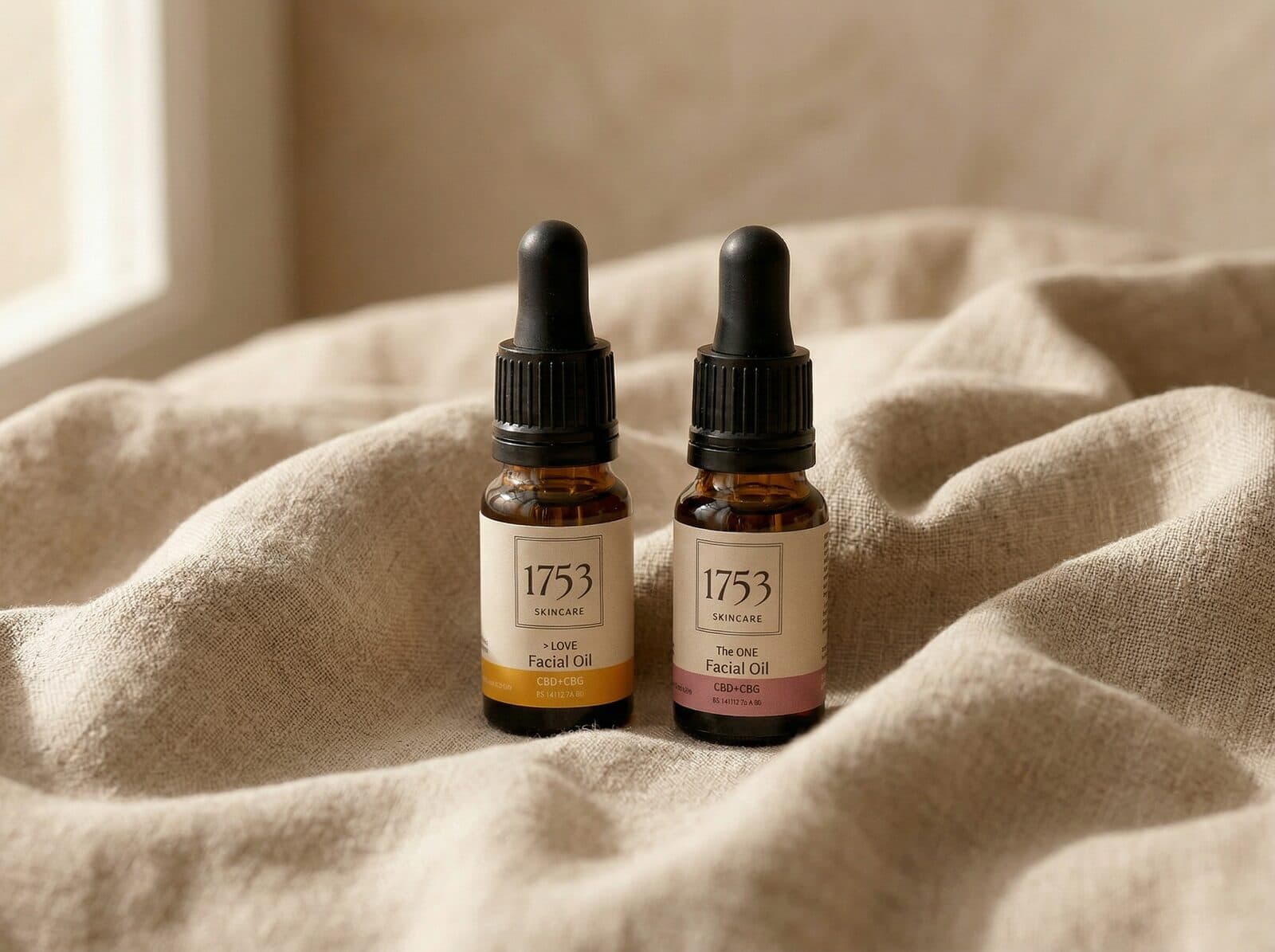
DUO kit
Two face oils, one for morning and one for evening. Simple skincare that works with your skin, not against it.
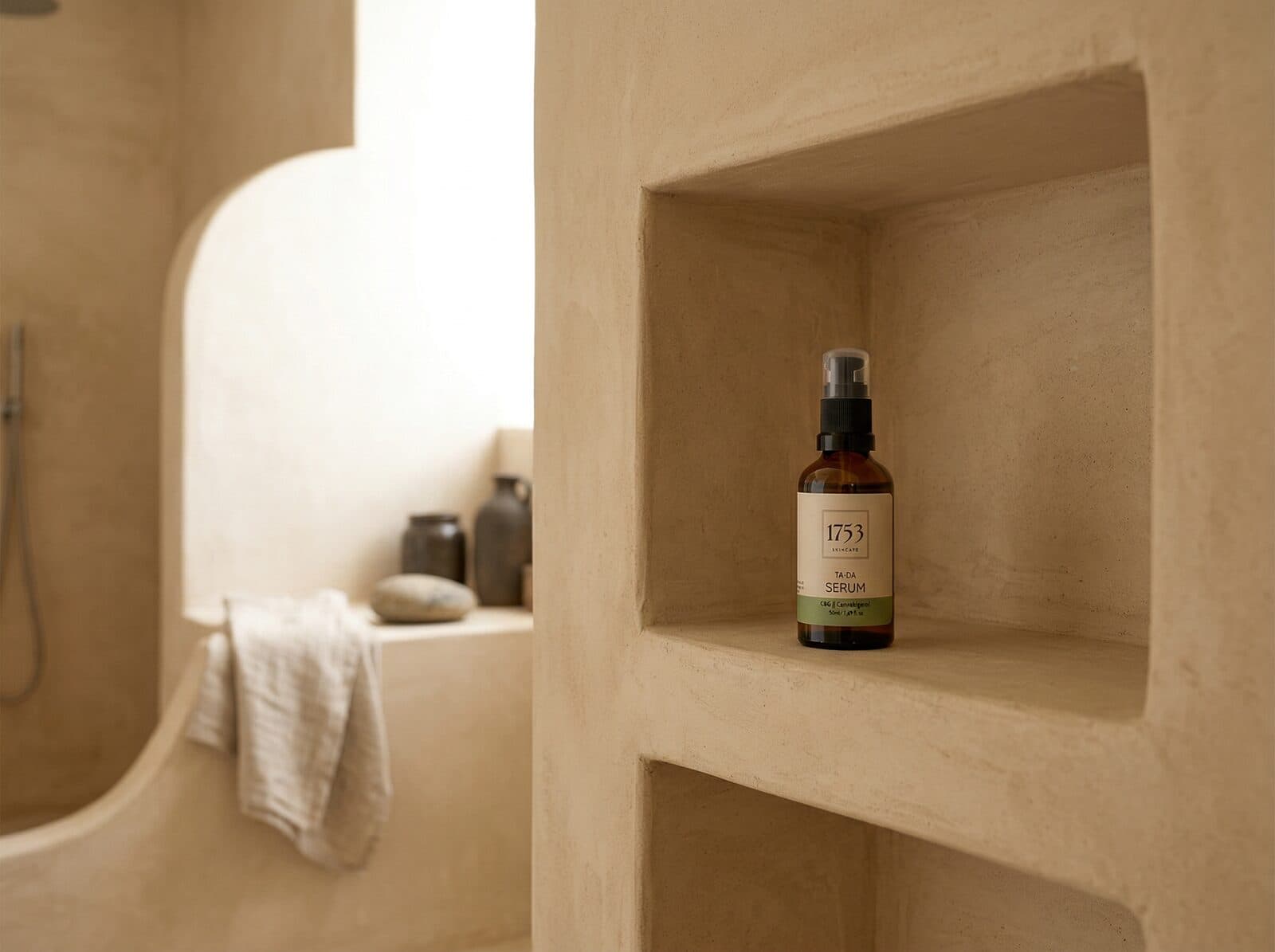
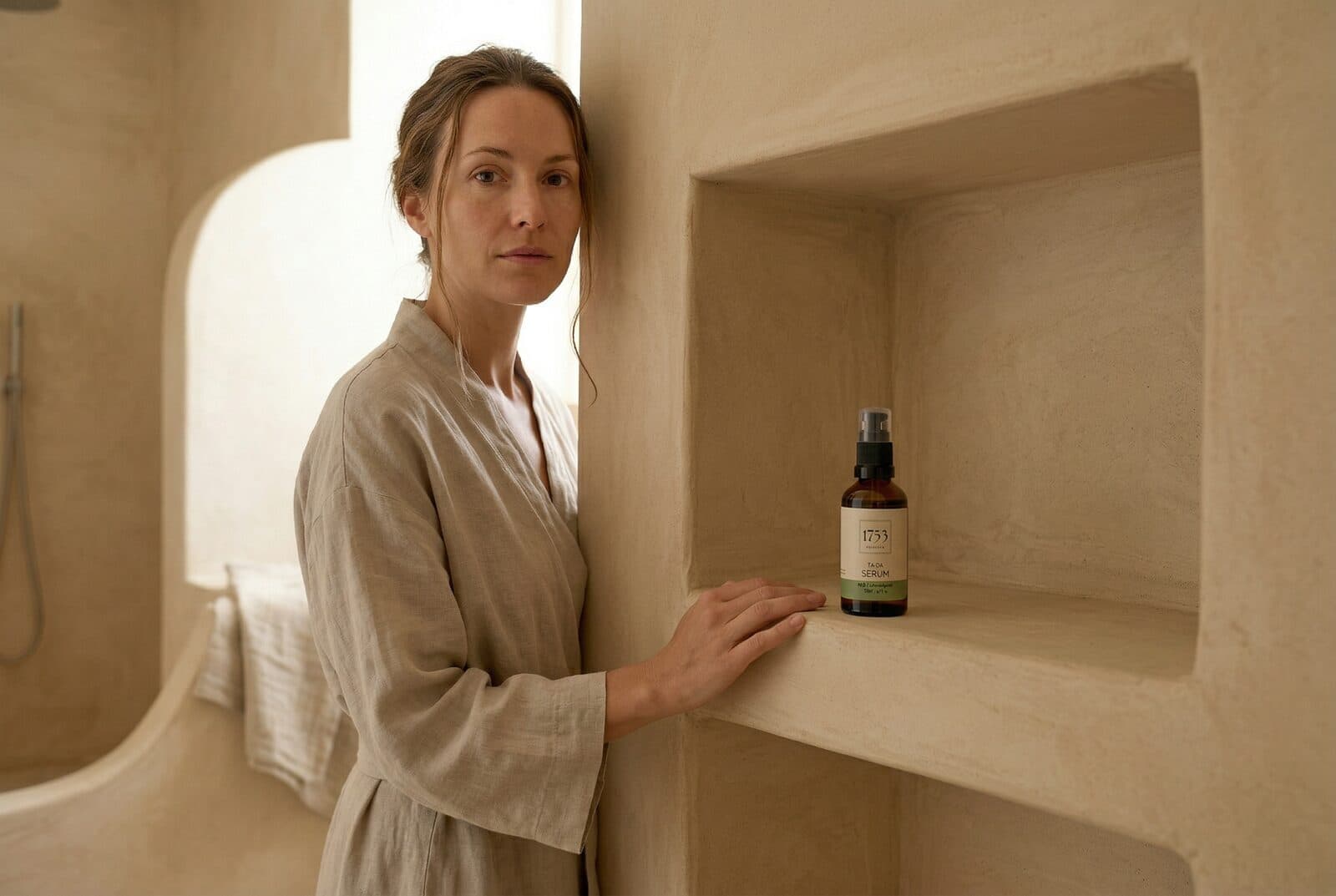
TA-DA Serum
A CBG-powered serum that seals in moisture and adds glow, whatever the season.
Frequently asked questions
Is dandruff always a sign of dryness?
No. Dandruff can be linked to oiliness, irritation, and microbiome shifts as well. A scalp can be reactive without being classically dry, so you have to look at the whole picture.
Can I use oil on my scalp?
Yes, but with intention and moderation. A small amount of scalp oil can soften and support the barrier, but saturating the scalp rarely solves the root issue.
Why does everyone talk about pH 5.5?
Because skin barrier function tends to work well in a slightly acidic environment. When pH drifts too high, the skin can become more vulnerable and easier to irritate.
How often should I wash my hair?
As often as your scalp actually needs, not as often as an ideal tells you to. For many people, fewer and gentler washes work better than chasing a squeaky-clean feel.
Sources
- Proksch E, Brandner JM, Jensen JM. The skin: an indispensable barrier. Exp Dermatol 2008;17(12):1063–1072.
- Lin TK, Zhong L, Santiago JL. Anti-Inflammatory and Skin Barrier Repair Effects of Topical Application of Some Plant Oils. Int J Mol Sci 2017;19(1):70.
Article reviewed by Christopher Genberg, founder of 1753 SKINCARE.
Related articles
Hand Care
Natural hand care – for skin that never gets a break
Your hands show everything: washing, sanitiser, wind, and UV. The skin is thin, often lower in oil g...
Foot Care
Foot care dry heels - less friction, more relief
Dry heels usually do not need harsher treatment. They need less friction, less dehydration and a rou...
Neck Care
Neck cream wrinkles – stop treating the neck like an afterthought
The neck is not just “more face.” It has thinner skin, fewer sebaceous glands and constant exposure ...
Skin Barrier
Restore Skin Barrier – stop stripping, start rebuilding
A damaged barrier is rarely a mystery. More often, the stratum corneum has lost its mortar-model bal...
Skin Condition
Keratosis pilaris – why skin turns bumpy
Tiny bumps on the upper arms, thighs, or buttocks are not proof that your skin is failing. Keratosis...
Skin Streaming
Minimalist 5 step routine – why less can do more
Skincare has become too much of everything: too many steps, too much exfoliation, too much cleansing...