
Skin Barrier
Restore Skin Barrier – stop stripping, start rebuilding
A damaged barrier is rarely a mystery. More often, the stratum corneum has lost its mortar-model balance: too few ceramides, cholesterol and free fatty acids, too much stress. When TEWL rises, skin feels tight, reactive and suddenly impossible to please. You can fix that, but not with more force.

Why does skin feel ruined when you’ve just been overdoing it?
The skin barrier lives in the stratum corneum, the outer layer that keeps water in and irritants out. Think bricks and mortar: corneocytes as the bricks, lipids as the glue. When that lipid matrix thins out, TEWL, or transepidermal water loss, climbs and the skin starts behaving like it is dry when it is really leaking.
This is where over-exfoliation and harsh cleansing do the most damage. Research shows that too many acids, scrubs and degreasing cleansers can disrupt ceramides and throw off the balance between cholesterol and free fatty acids. The barrier never gets a proper chance to rebuild before the next round of “treatment.”
You do not need more actives just because your skin is protesting. You need fewer disruptions, more lipids and a calmer pace. If products sting, flake or trigger redness despite being marketed as gentle, that is your cue to step back.
Five habits that strengthen the barrier
Cleanse less harshly
Choose a cleanser that removes sunscreen, grime and makeup without stripping the skin. A gentle oil cleanser can do the job while leaving the lipid matrix alone.
Pause the acids
If you exfoliate often, stop for a while. The stratum corneum needs time to rebuild its ceramides and restore its normal function.
Add lipids back
Look for ceramides, cholesterol and fatty acids. It is not flashy, but it is exactly what the mortar model depends on.
Reduce friction
Skip hot water, rough towels and aggressive rubbing. Mechanical stress may seem minor, but on a sensitive barrier it adds up fast.
Give it time
Stick to one routine long enough to see change. A stressed barrier needs consistency, not a new experiment every night.

Here is how to actually restore it
Start by stopping the things that keep the barrier in a loop of damage. Au Naturel Makeup Remover uses MCT oil to lift away sunscreen, makeup and buildup without disrupting the lipid matrix. That matters when the barrier is already leaking and every extra cleanse feels like one too many.
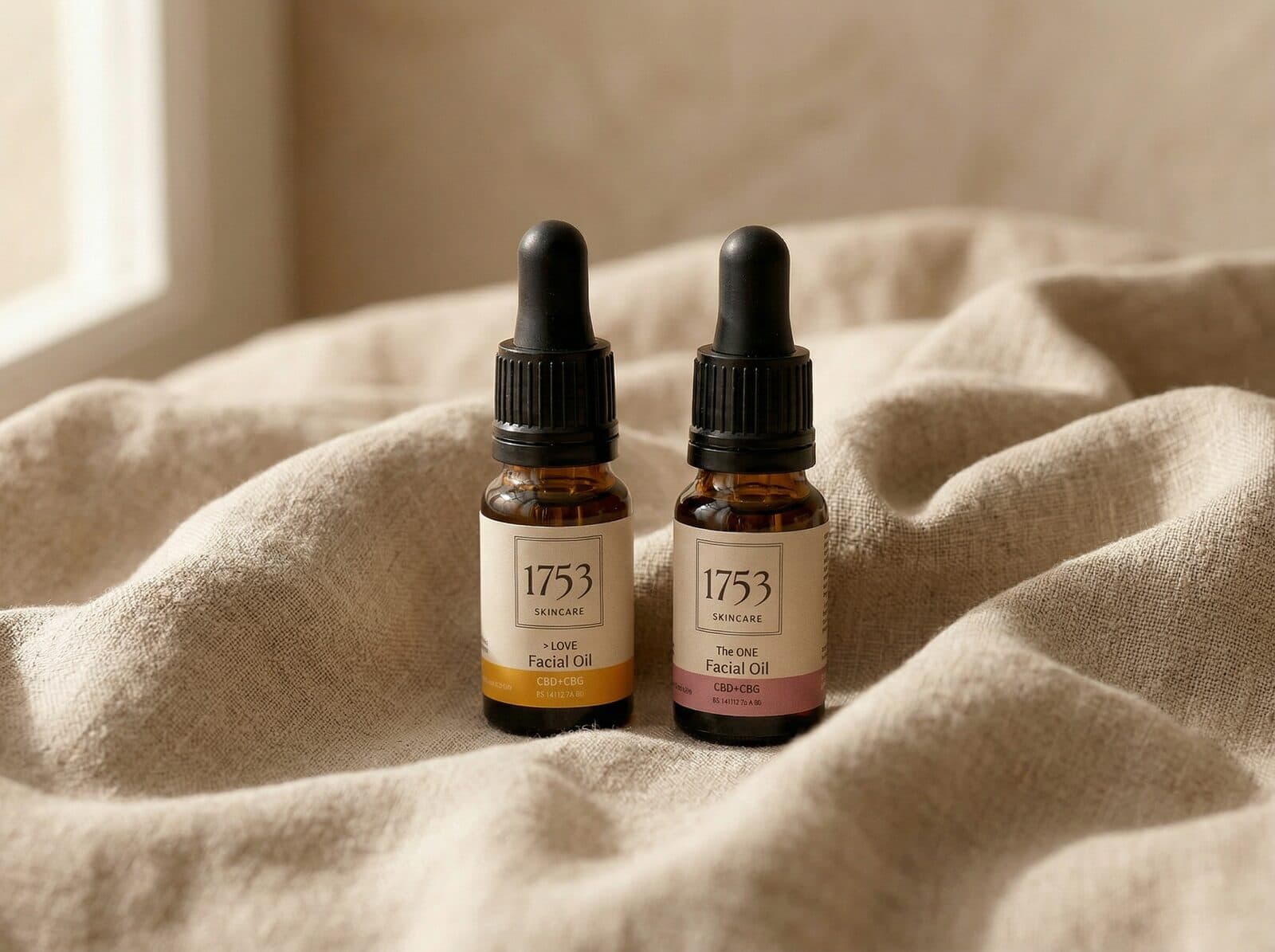
Then support the skin with ingredients that calm rather than provoke. The ONE combines CBD and MCT to help skin settle, while I LOVE uses CBG to bring a soothing, antibacterial edge. Together in the DUO kit, they give you a cannabinoid spectrum that makes sense for skin that needs less noise and more repair.
If you want to go further, Ta-DA serum adds an antioxidant cocktail with CBG and adaptogens for stressed-out skin. Not as a miracle, but as a smarter way to support the stratum corneum while it rebuilds its mortar model. That is what restoring the skin barrier actually looks like.
Products we recommend
 Save €34
DUO kit
Two face oils, one for morning and one for evening. Simple skincare that works with your skin, not against it.
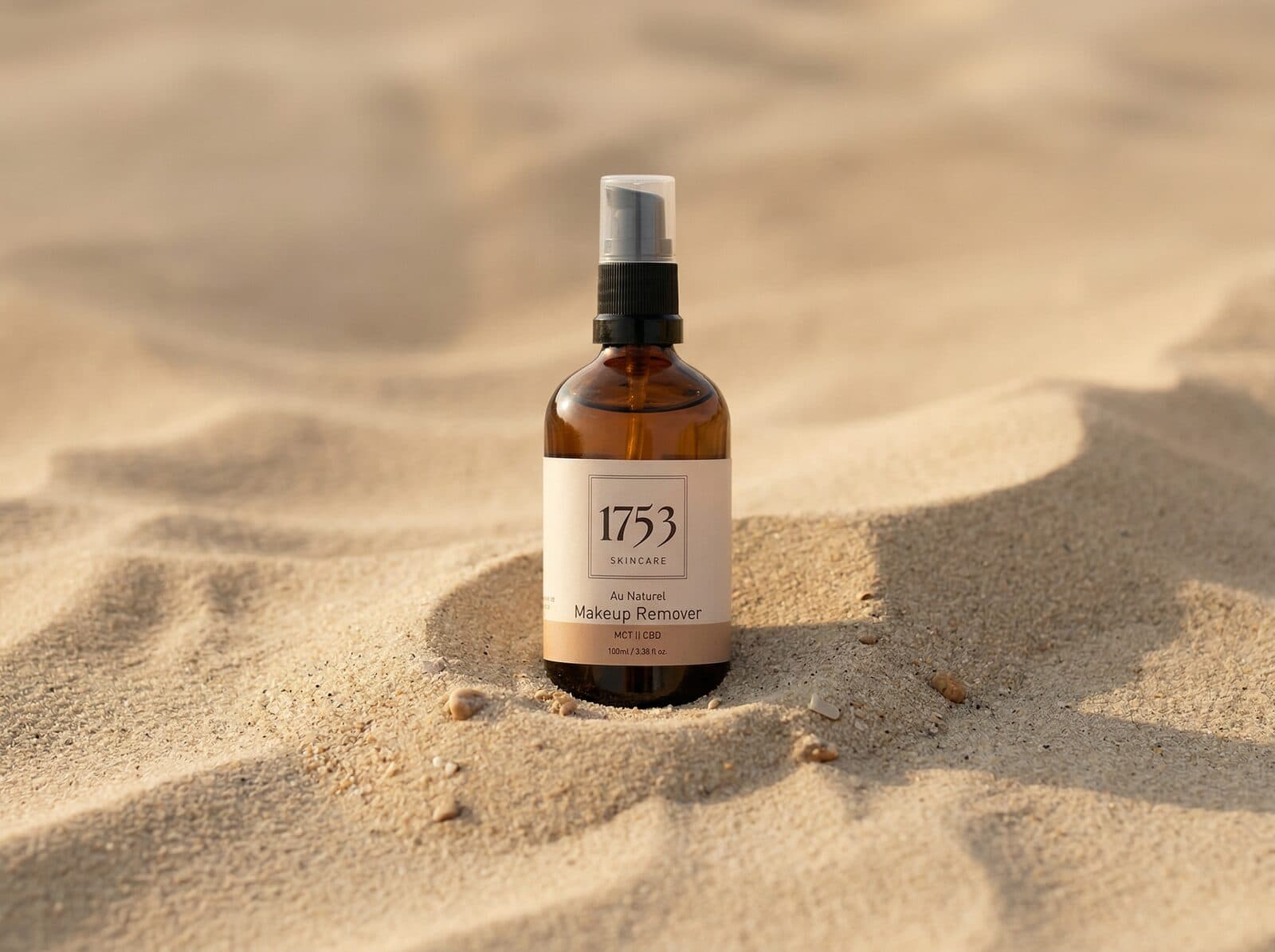
Au Naturel Makeup Remover
A cleansing oil with MCT and CBD that removes makeup and buildup without stripping your skin bare.
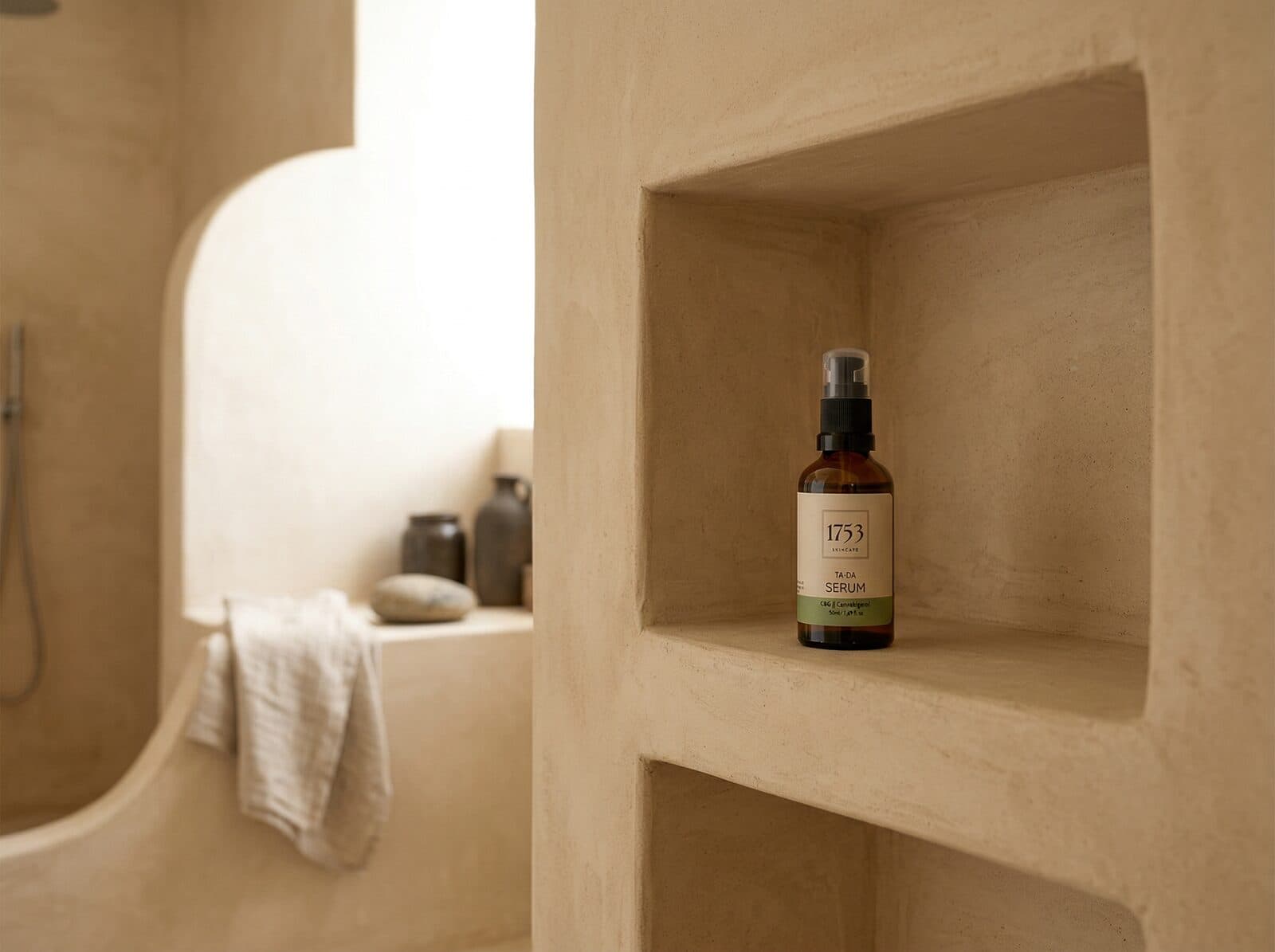
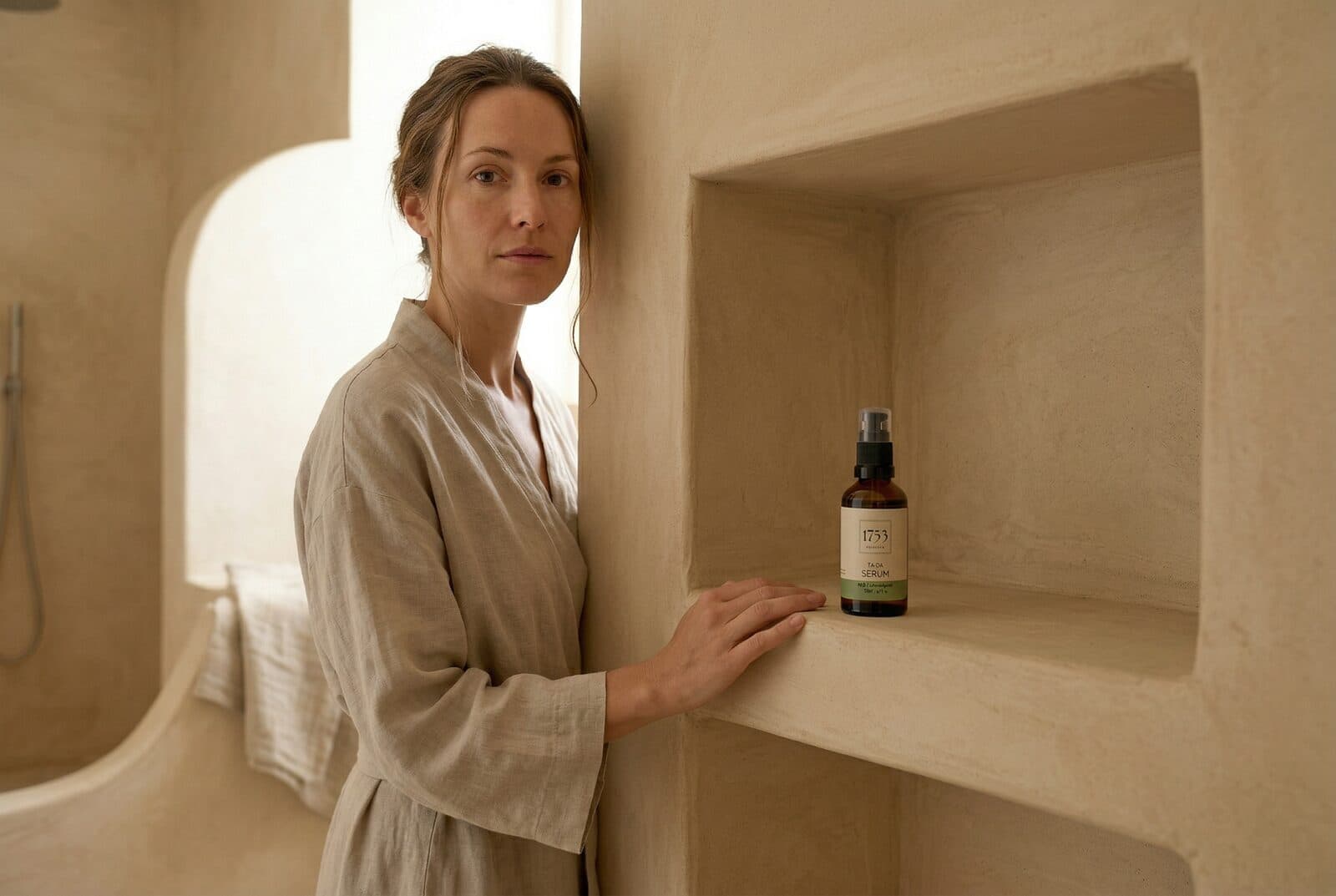
TA-DA Serum
A CBG-powered serum that seals in moisture and adds glow, whatever the season.
Frequently asked questions
How do I know my skin barrier is damaged?
Common signs are tightness, stinging, redness, flaking and skin that feels dry no matter how much you moisturize. Often the issue is not a lack of oil, but a disrupted lipid matrix that lets water escape too easily.
How long does it take to restore the skin barrier?
It depends on how stressed the barrier is, but many people notice improvement within 1–3 weeks after stopping over-exfoliation and switching to a gentler routine. More severe damage can take longer.
Do I need to stop all active ingredients?
Not always, but you often need to pause acids, retinoids and other strong actives until the skin calms down. Once TEWL drops and the skin feels stable again, you can reintroduce carefully.
Why do ceramides matter so much?
Because ceramides are a core part of the mortar model in the stratum corneum. Without enough ceramides, cholesterol and free fatty acids, the barrier becomes weaker and loses water more easily.
Sources
- Byrd AL, Belkaid Y, Segre JA. The human skin microbiome. Nat Rev Microbiol 2018;16(3):143–155.
- Salem I, Ramser A, Isham N, Ghannoum MA. The Gut Microbiome as a Major Regulator of the Gut-Skin Axis. Front Microbiol 2018;9:1459.
- Lin TK, Zhong L, Santiago JL. Anti-Inflammatory and Skin Barrier Repair Effects of Topical Application of Some Plant Oils. Int J Mol Sci 2017;19(1):70.
Article reviewed by Christopher Genberg, founder of 1753 SKINCARE.
Related articles
Skin Condition
Keratosis pilaris – why skin turns bumpy
Tiny bumps on the upper arms, thighs, or buttocks are not proof that your skin is failing. Keratosis...
Skin Conditions
Hyperpigmentation – understand the spots and even out the tone
Dark spots that appear after a breakout, sun damage, or hormonal shift. Hyperpigmentation is your sk...
Skin Conditions
Uneven skin tone – the path to skin that glows from within
Your skin looks tired, the tone varies across your face, and radiance is missing – despite doing eve...
Cyclic Skincare
Menstrual Cycle and Skin – why one routine doesn’t fit all
Your skin doesn’t run on a fixed schedule; it runs with your body. Across the menstrual cycle, hormo...
Postpartum Skin
Postpartum skin – why it changes so much
After pregnancy, skin can feel like it belongs to someone else. Hormones drop, sleep gets broken, an...
Skin Streaming
Minimalist 5 step routine – why less can do more
Skincare has become too much of everything: too many steps, too much exfoliation, too much cleansing...