
Skin Conditions
Hyperpigmentation – understand the spots and even out the tone
Dark spots that appear after a breakout, sun damage, or hormonal shift. Hyperpigmentation is your skin's response to stress – and the more you stress it with aggressive brightening products, the greater the risk it responds with even more pigment.

Why does hyperpigmentation happen?
Hyperpigmentation occurs when melanocytes – the skin's pigment-producing cells – go into overproduction. This can be caused by UV exposure (sun spots), hormonal changes (melasma), inflammation (post-inflammatory hyperpigmentation after acne or injuries), or a combination of these.
Melanin production is controlled by the enzyme tyrosinase and is activated as a protective mechanism. Sun triggers it to protect cell nuclei DNA. Inflammation triggers it as part of the healing process. Hormones like estrogen can sensitize melanocytes to react more strongly to stimuli.
Conventional treatment with hydroquinone, strong acids, and laser treatments can deliver results but risk irritating the skin – and irritation itself is a trigger for more pigment. This creates a paradox: the treatment meant to even the tone can make it more uneven. Melanin-rich skin (Fitzpatrick IV–VI) is especially vulnerable to this rebound effect.
Strategies to reduce hyperpigmentation
Sunscreen is treatment number one
No brightening product in the world helps if you're not protecting against UV. SPF 50 with PA++++ daily, year-round. Without sunscreen, everything else is wasted money.
Be careful with exfoliation
Gentle exfoliation can aid cell turnover, but aggressive peeling irritates and triggers more melanin. Choose enzymatic or low-concentration acid and apply twice a week maximum.
Treat inflammation early
Every breakout, every wound, every irritation can leave a dark spot. The faster you calm the inflammation, the less pigment is produced. Prevention is more effective than aftercare.
Be patient
Pigment changes sit deeper in the skin than most conditions. It can take 3–6 months to see clear improvement. Consistency beats intensity every time.

Calm the inflammation – even out the tone
Since post-inflammatory hyperpigmentation (PIH) is the most common form, the most logical strategy is reducing the inflammation that triggers it. This is where the endocannabinoid system becomes relevant.
CBD has documented anti-inflammatory effects in the skin and can help break the link between inflammation and melanin overproduction. By calming the inflammatory response, it reduces the signals telling melanocytes to go into overdrive.
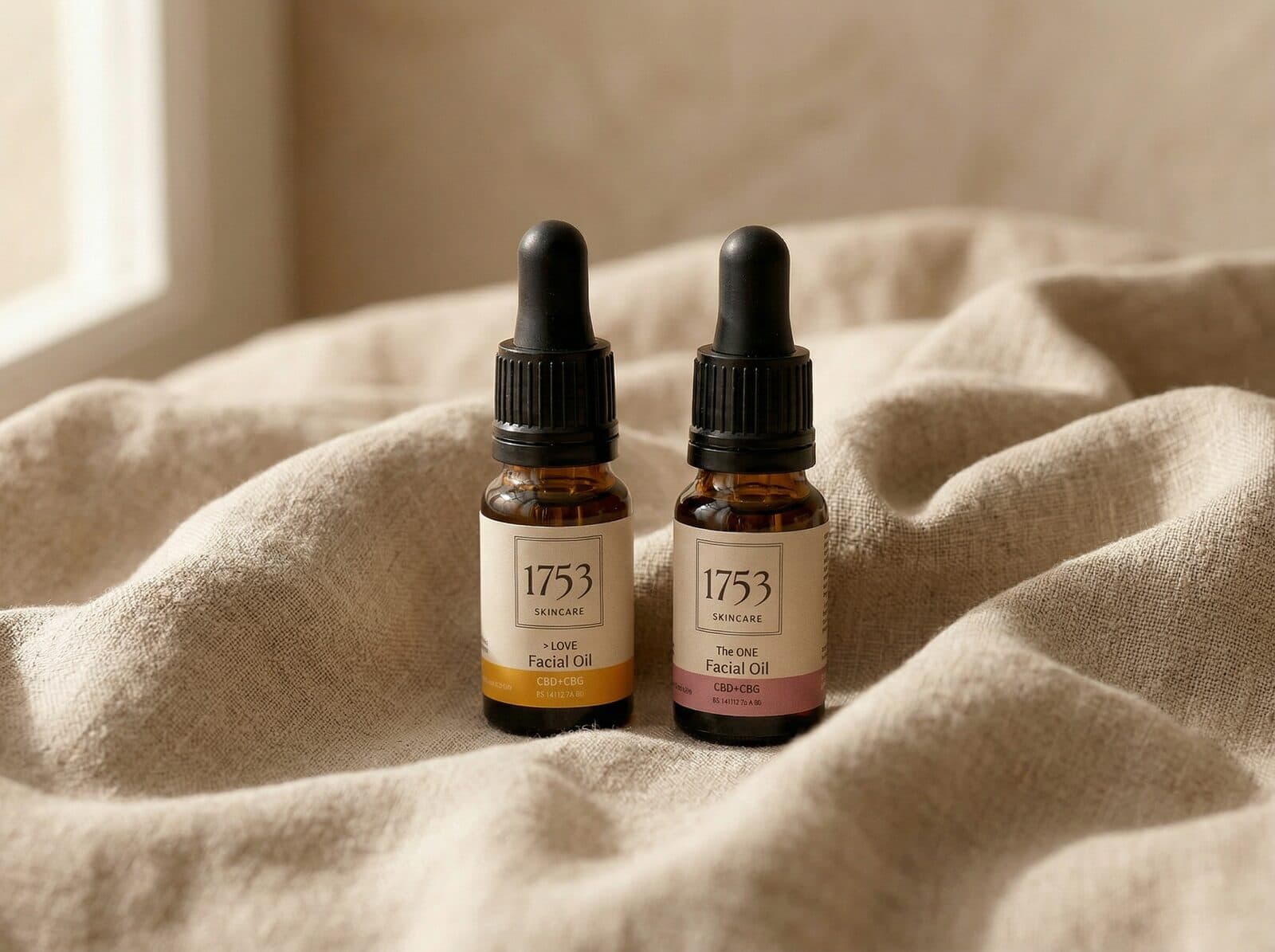
The DUO-kit provides a daily dose of CBD and CBG that work with your skin's own system. TA-DA Serum can be applied directly to pigmented areas for concentrated effect. Au Naturel Makeup Remover ensures cleansing doesn't contribute to irritation – a gentle start that sets the tone for the entire routine.
Products we recommend
 Save €34
DUO kit
Two face oils, one for morning and one for evening. Simple skincare that works with your skin, not against it.
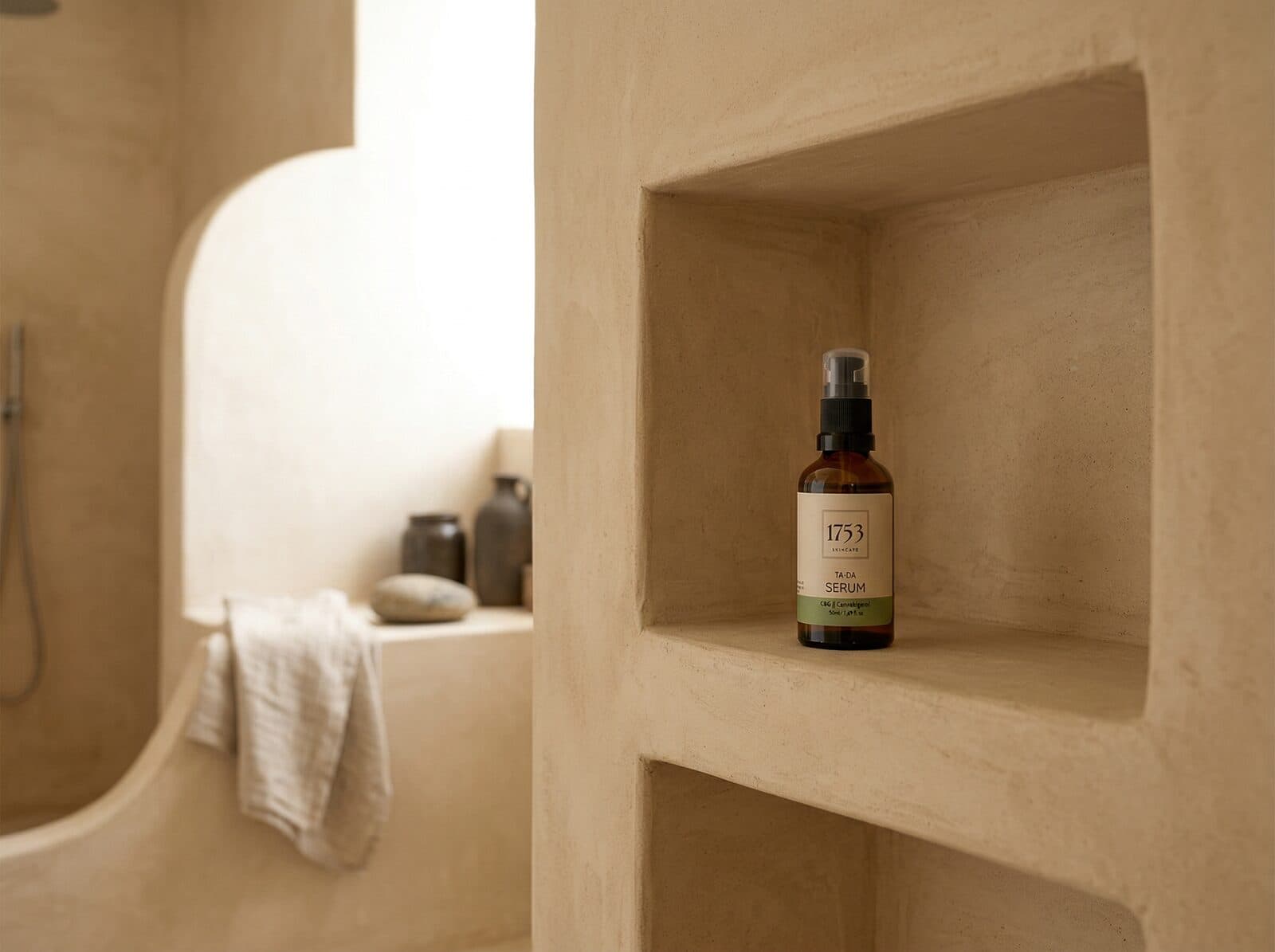
TA-DA Serum
A CBG-powered serum that seals in moisture and adds glow, whatever the season.
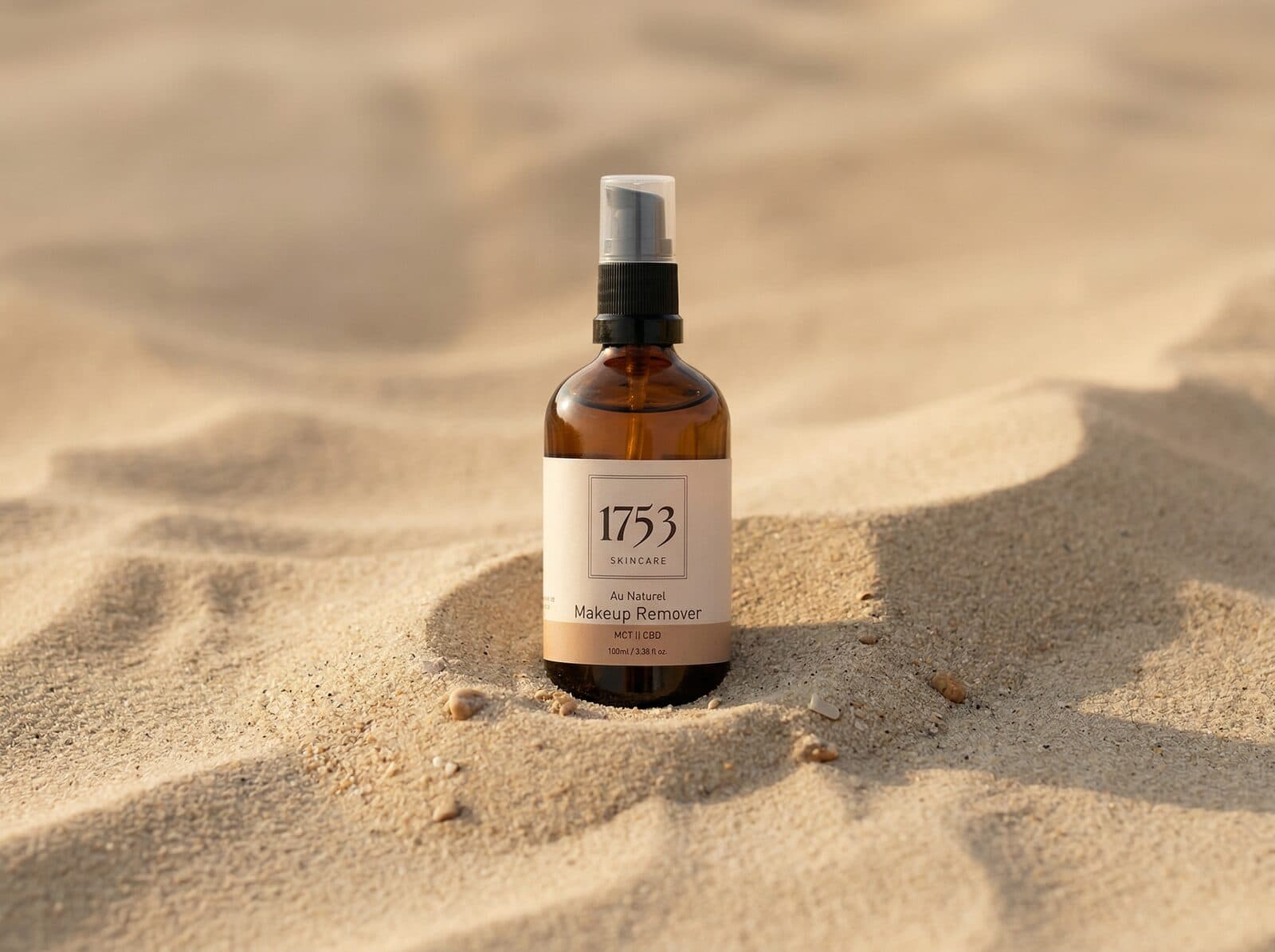
Au Naturel Makeup Remover
A cleansing oil with MCT and CBD that removes makeup and buildup without stripping your skin bare.
Frequently asked questions
Can CBD bleach the skin?
CBD is not a bleaching agent. It works by reducing the inflammation that triggers melanin overproduction. The result is a gradually more even skin tone, not bleaching.
How long until I see results?
Pigment changes require patience. Expect 8–12 weeks for visible improvement, depending on depth and cause. Consistent sun protection accelerates the process.
Does it work for melasma?
Melasma is hormonally driven and often requires a combination of strategies. CBD can calm the inflammatory component, but hormonal melasma is harder to treat. Sun protection is critical.
Can I use this on dark skin?
Absolutely. Our products are formulated without aggressive bleaching agents that can cause hypopigmentation. CBD works with your skin's natural system regardless of skin tone.
Sources
- Byrd AL, Belkaid Y, Segre JA. The human skin microbiome. Nat Rev Microbiol 2018;16(3):143–155.
- Salem I, Ramser A, Isham N, Ghannoum MA. The Gut Microbiome as a Major Regulator of the Gut-Skin Axis. Front Microbiol 2018;9:1459.
- Lin TK, Zhong L, Santiago JL. Anti-Inflammatory and Skin Barrier Repair Effects of Topical Application of Some Plant Oils. Int J Mol Sci 2017;19(1):70.
Article reviewed by Christopher Genberg, founder of 1753 SKINCARE.
Related articles
Skin Barrier
Restore Skin Barrier – stop stripping, start rebuilding
A damaged barrier is rarely a mystery. More often, the stratum corneum has lost its mortar-model bal...
Skin Condition
Keratosis pilaris – why skin turns bumpy
Tiny bumps on the upper arms, thighs, or buttocks are not proof that your skin is failing. Keratosis...
Skin Conditions
Uneven skin tone – the path to skin that glows from within
Your skin looks tired, the tone varies across your face, and radiance is missing – despite doing eve...
Cyclic Skincare
Menstrual Cycle and Skin – why one routine doesn’t fit all
Your skin doesn’t run on a fixed schedule; it runs with your body. Across the menstrual cycle, hormo...
Postpartum Skin
Postpartum skin – why it changes so much
After pregnancy, skin can feel like it belongs to someone else. Hormones drop, sleep gets broken, an...
Skin Streaming
Minimalist 5 step routine – why less can do more
Skincare has become too much of everything: too many steps, too much exfoliation, too much cleansing...