
Ingredient Portrait
Reishi for skin – the mushroom that calms the noise
Reishi earned its “mushroom of immortality” nickname for a reason: it matters more for skin than a lot of flashy acids that mostly bring irritation. This is about stress, inflammation, and skin that needs less pressure, not more.

Why does skin often feel stressed, not dirty?
Reishi, or Ganoderma lucidum, is a medicinal mushroom rich in triterpenes and other bioactive compounds linked to calmer skin reactivity. Mechanistically, it is less about blocking something and more about dialing down signals that feed irritation, redness, and a dysregulated defense response.
When skin is pushed by poor sleep, cold weather, over-cleansing, or harsh actives, it tends to become more touchy. At that point, what it needs is not another exfoliant but support for stress response and immune balance. That is why reishi is often framed as an adaptogenic ingredient: it helps the body cope with load instead of chasing symptoms.
Mainstream skincare often says the answer is stronger cleansing, more acids, more steps. But a skin barrier already under pressure rarely gets better from more force. That is where reishi for skin makes sense: less aggression, more regulation, and a better chance to let the barrier recover.
How to use reishi well
Start with oral support
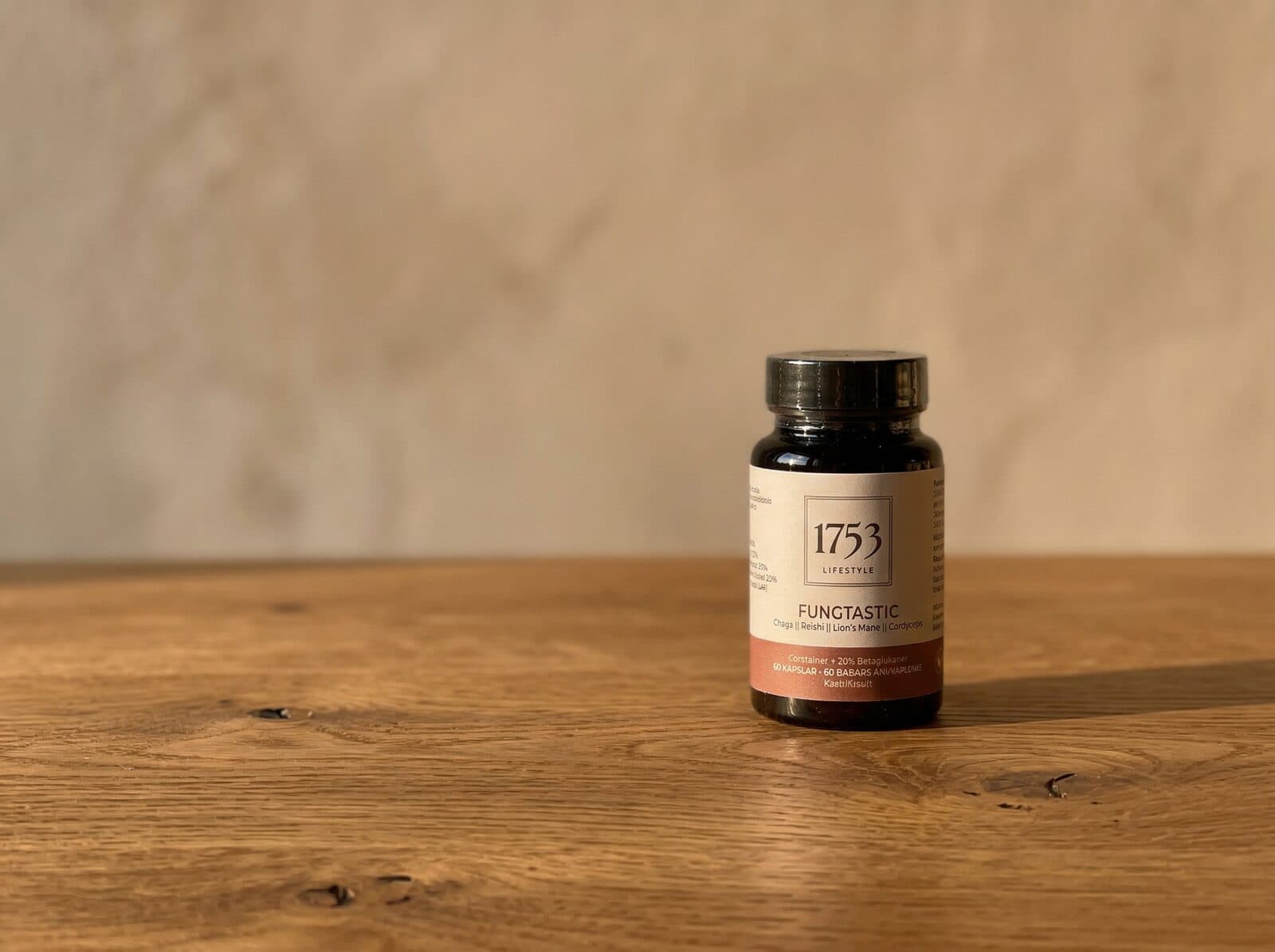
Use Fungtastic Mushroom Extract daily according to the label, ideally in a routine you can stick to. Oral reishi is often used to support the body from within when stress shows up on the skin.
Keep evenings gentle
If your skin feels hot, tight or easily flushed, strip back the routine for 2–3 weeks. Switch to a mild cleanser and stop challenging the barrier every night.
Use topical reishi consistently
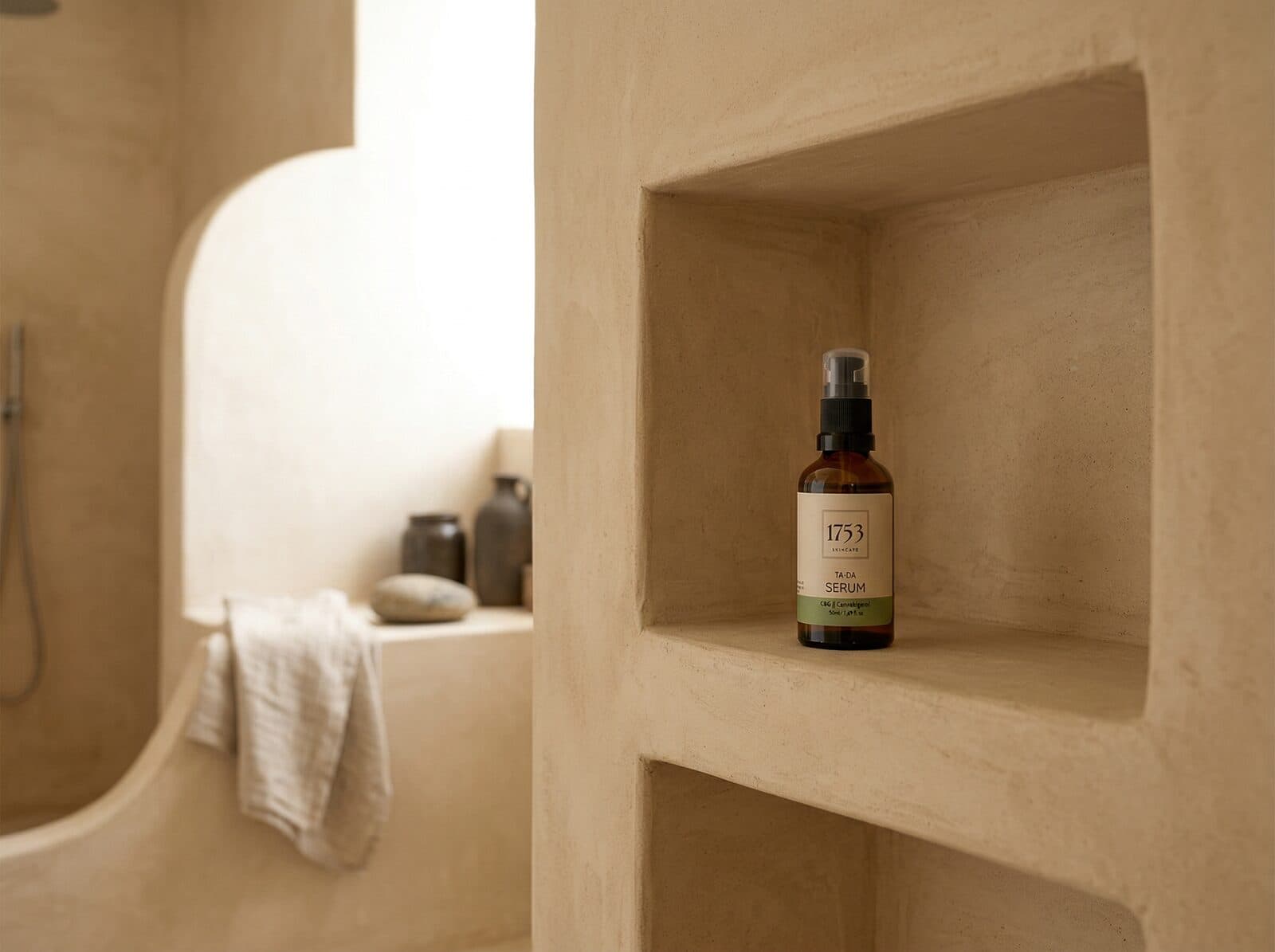
Ta-DA serum combines reishi with CBG and works well morning or evening, 1–2 pumps on clean skin. Think consistent, not heavy.
Protect against over-exfoliation
Already using acids, retinoids or peels? Then reishi is a counterbalance, not another active to cram in. Keep exfoliation to 1–2 times a week if your skin is sensitive.
Watch stress signals
Notice when your skin turns shiny, flaky or suddenly reactive. It often lines up with worse sleep, more coffee or cold weather. That is your cue to simplify, not optimize.

How to actually calm the skin
Reishi works best as part of a less aggressive skin strategy. It contains compounds like triterpenes, which are studied for calming and anti-inflammatory effects, and that can matter when skin feels stressed rather than merely “impure.”
If you want to work both inside and out, the setup is straightforward: Fungtastic Mushroom Extract for oral reishi support, and Ta-DA serum when you want a topical blend of reishi and CBG. No magic, just a more sensible response to skin that needs balance instead of attack.
If your skin already hates too much cleansing or too many actives, Au Naturel Makeup Remover is an easy way to keep the evening gentle. Add The ONE or the DUO-kit if you want more lipids and cannabinoid support without crowding the skin. That is often where change starts: less friction, more recovery.
Frequently asked questions
What is reishi for skin, exactly?
Reishi is a medicinal mushroom, Ganoderma lucidum, with bioactive compounds like triterpenes. For skin, it is interesting because it is linked to calmer inflammation, less reactivity and better support when skin is under stress.
Is reishi just another wellness trend?
No. It has a long history in Asian medicine and is studied for adaptogenic effects. What makes it relevant for skin is not hype, but that it fits skin affected by stress, cold and over-treatment.
How fast will I see results?
That depends on what your skin is dealing with. Give oral support a few weeks and topical use at least 2–4 weeks before judging. Skin changes slowly when the goal is balance, not a quick fix.
Can reishi replace active skincare?
Not always, and that is not the point. Reishi is more of a regulating player than an aggressive problem-solver. For sensitive or over-stimulated skin, that can be exactly what is missing.
Sources
- Oláh A, Tóth BI, Borbíró I, et al. Cannabidiol exerts sebostatic and antiinflammatory effects on human sebocytes. J Clin Invest 2014;124(9):3713–3724.
- Lin TK, Zhong L, Santiago JL. Anti-Inflammatory and Skin Barrier Repair Effects of Topical Application of Some Plant Oils. Int J Mol Sci 2017;19(1):70.
- Tóth KF, Ádám D, Bíró T, Oláh A. Cannabinoid signaling in the skin: therapeutic potential of the c(ut)annabinoid system. Molecules 2019;24(5):918.
Article reviewed by Christopher Genberg, founder of 1753 SKINCARE.
Related articles
Ingredient Portrait
Chaga mushroom skin – the taiga’s quiet shield
Chaga is not another glossy wellness gimmick. It’s a survival mushroom from the cold taiga, packed w...
Ingredient Portrait
Collagen truth – can you eat or wear firmer skin?
Collagen is sold as a shortcut to bounce and firmness. But skin is not a sponge that soaks up promis...
Ingredient Portrait
cbd for skin – less noise, more balance
CBD for skin is interesting because it doesn’t try to bully the skin into behaving. It works with th...
Skin Streaming
Minimalist 5 step routine – why less can do more
Skincare has become too much of everything: too many steps, too much exfoliation, too much cleansing...
CBD Skincare
CBD for wrinkles – age with your skin, not against it
We'll never promise wrinkles will disappear. But we can help your skin age on its own terms. CBD pro...
CBD Skincare
CBD for dark circles – truly wake up
Dark circles are rarely just about sleep. It's about thin skin, poor circulation, and inflammation. ...