
Skin Condition
Keratosis pilaris – why skin turns bumpy
Tiny bumps on the upper arms, thighs, or buttocks are not proof that your skin is failing. Keratosis pilaris is about how keratin builds up and how a dry barrier behaves. Once you stop attacking it with scrubs and start supporting it properly, things often settle down.

Why is your skin bumpy even when you look after it?
Keratosis pilaris happens when keratinization runs a little fast or unevenly. That creates small keratin plugs in the openings of hair follicles, leaving skin rough, dry, and speckled. Filaggrin matters too, because this barrier protein helps the skin hold on to water and maintain a stronger surface.
That is why aggressive mechanical exfoliation so often backfires. A harsh scrub or overused body brush can irritate the follicles, increase redness, and further disrupt the barrier. Research on skin-barrier function points more toward steady hydration, gentle acids, and lipid-supportive care than toward trying to sand the bumps away.
So no, your skin does not need to be treated like a kitchen surface. It needs less friction, more consistency, and a routine that actually respects how it works. That is where real progress starts.
Five ways to calm chicken skin
Drop the harsh scrub
If the skin is already bumpy, more friction is rarely the answer. Swap rough mitts and brushes for something that leaves the barrier alone.
Massage in oil
A gentle oil massage can ease tightness and help soften keratin plugs over time. Try it after a shower, while the skin is still slightly damp.
Use a mild acid peel
A gentle exfoliating acid, used consistently but not obsessively, can help normalize shedding. Think steady support, not maximum force.
Support the barrier daily
Dry skin and KP often travel together. Focus on routines that reduce water loss and make the skin more resilient instead of stressing it out.
Be consistent, not intense
Keratosis pilaris tends to respond better to patience than to panic. Small, steady changes beat a dramatic weekend of scrubbing every time.

How to actually calm it down
The most sensible way to deal with keratosis pilaris is to combine gentle softening with calming support. Au Naturel Makeup Remover, with MCT oil, can be used as a low-key oil massage to help soften dry keratin plugs without rubbing the skin raw. It is simple, quiet, and far kinder than trying to scrub the bumps off.
For skin that feels inflamed around the follicles, the DUO kit is an easy anchor for the routine. The ONE and I LOVE work with the skin’s own balance and can help calm the irritated feeling that often comes with KP. When skin stops feeling under attack, texture often becomes more even over time.
If you want to take it one step further, Ta-DA serum adds antioxidant support when the skin feels stressed and uneven. Together, it is a strategy that respects the biology of keratinization: soften, soothe, and give the skin a better chance to behave normally again. Less force. Better logic.
Products we recommend
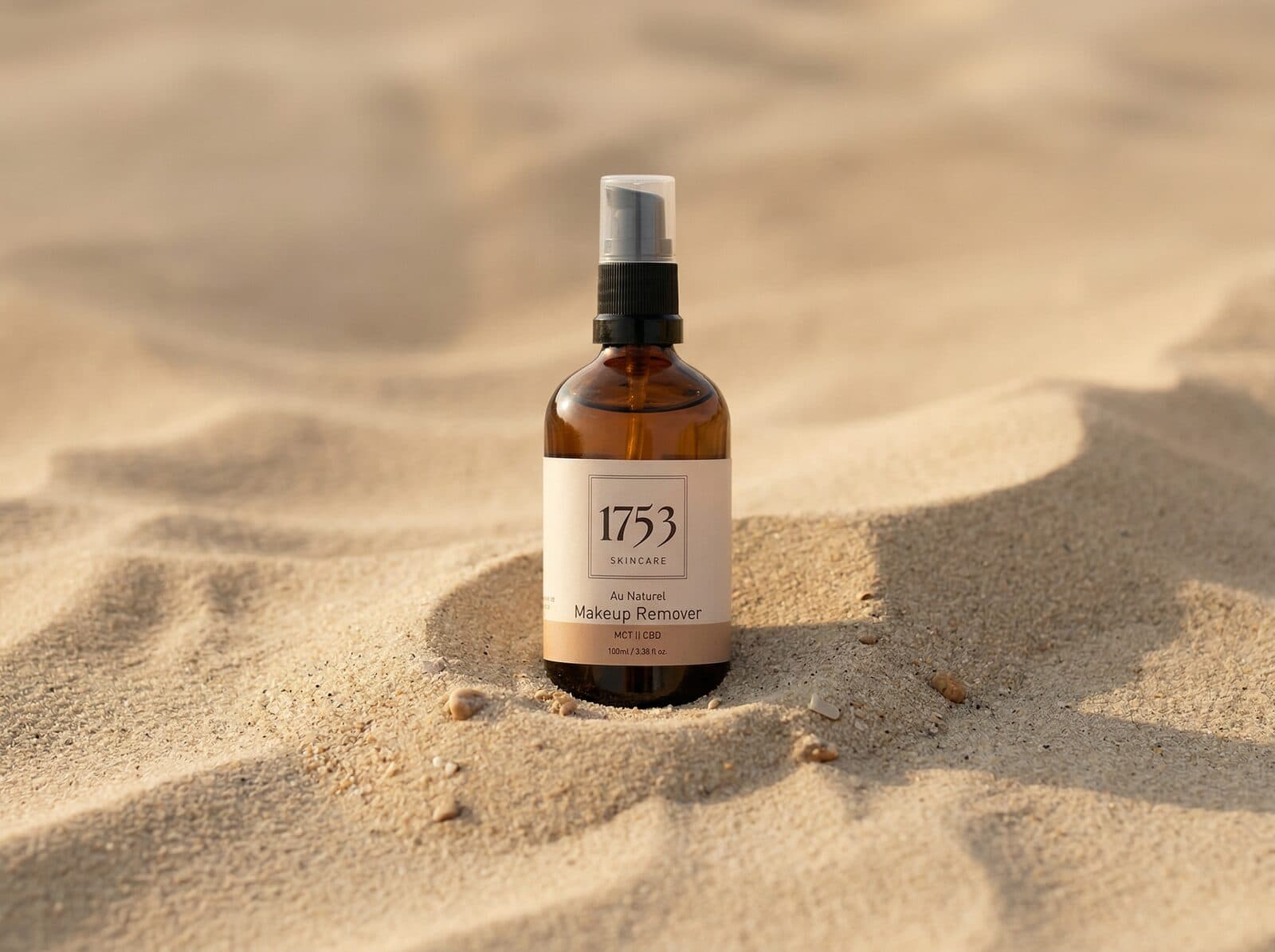
Au Naturel Makeup Remover
A cleansing oil with MCT and CBD that removes makeup and buildup without stripping your skin bare.
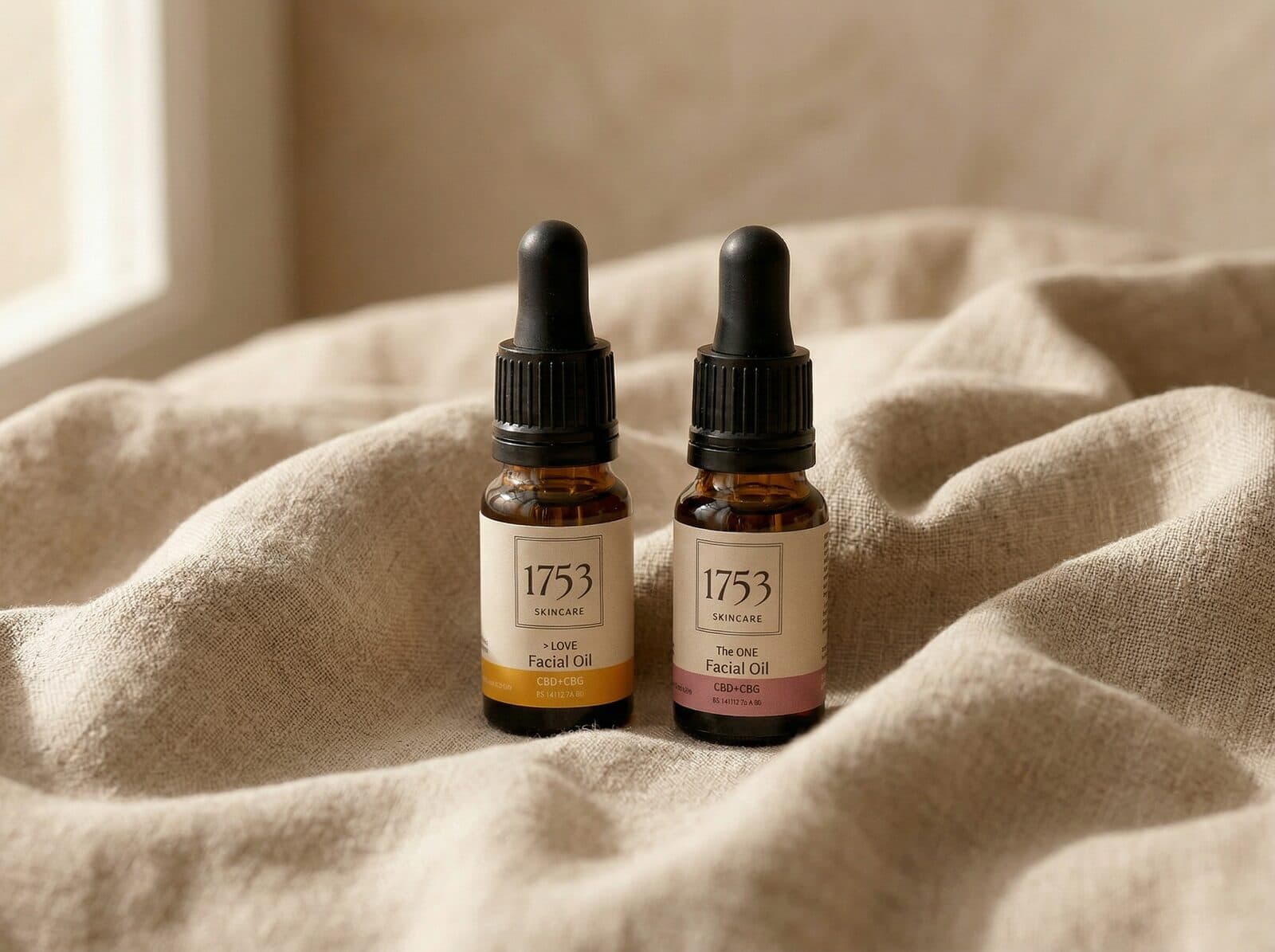
 Save €34
DUO kit
Two face oils, one for morning and one for evening. Simple skincare that works with your skin, not against it.
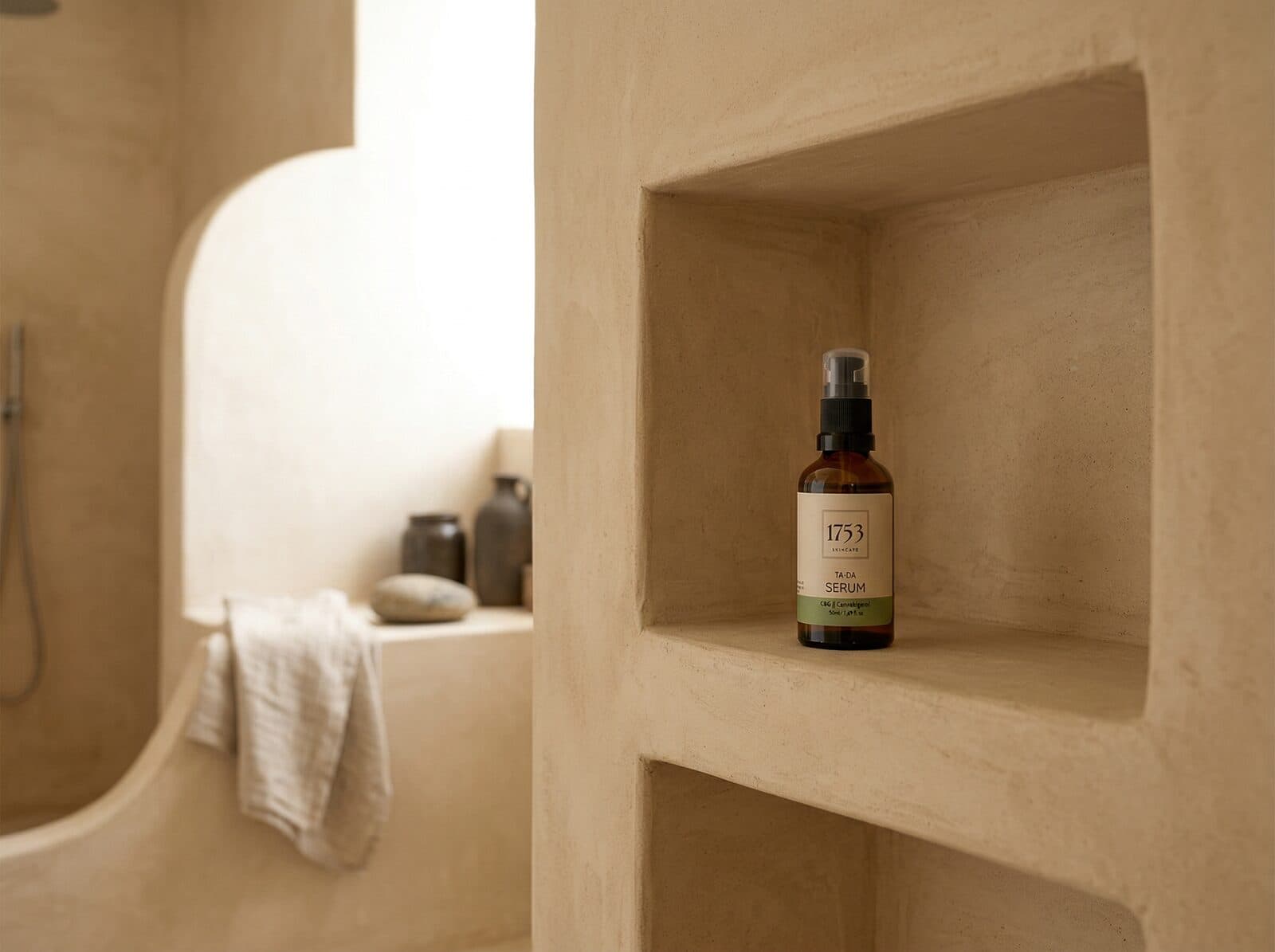
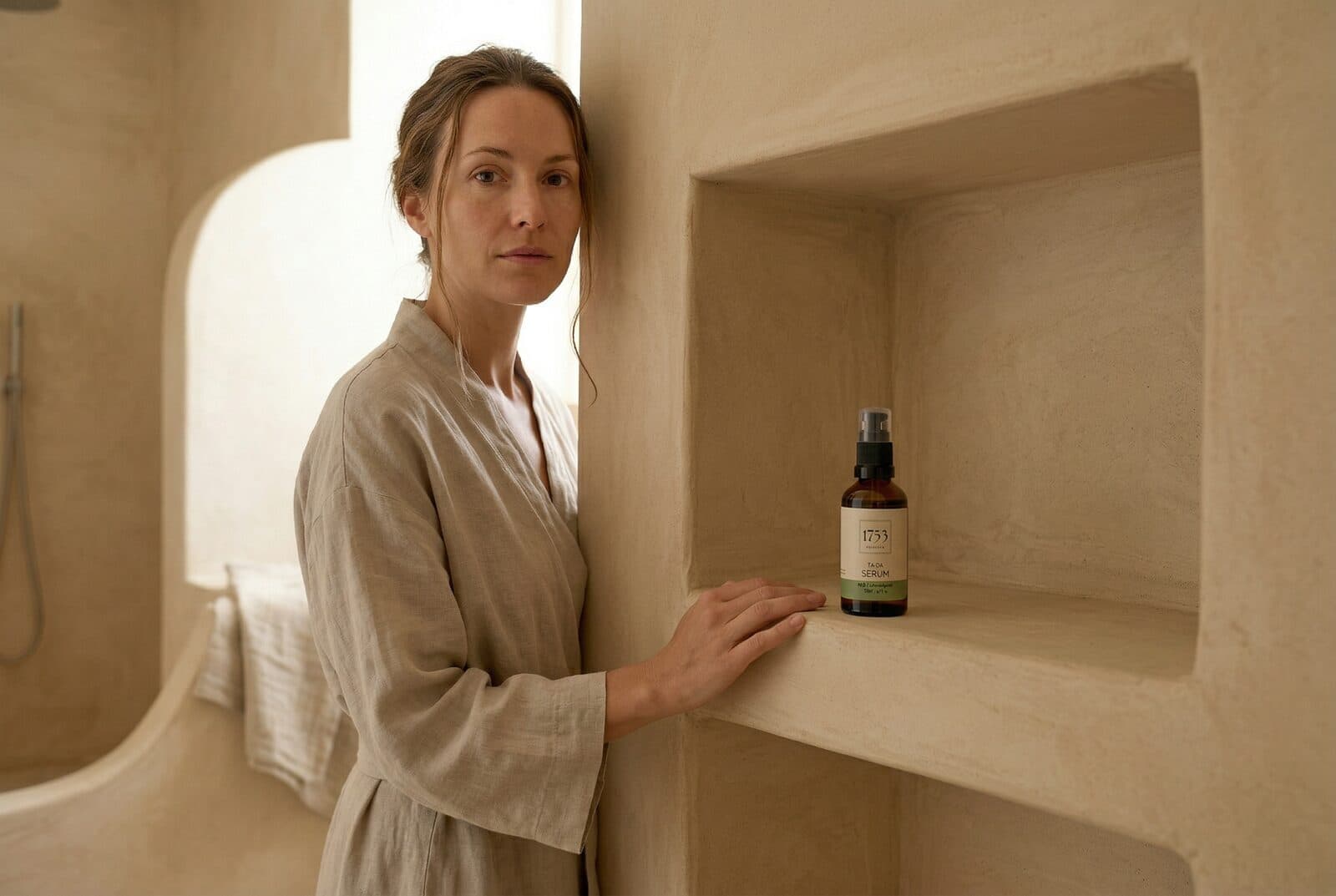
TA-DA Serum
A CBG-powered serum that seals in moisture and adds glow, whatever the season.
Frequently asked questions
Is keratosis pilaris dangerous?
No, it is a common and harmless skin condition. It can be stubborn and frustrating, but it mainly involves keratin plugs and a dry barrier.
Does scrubbing help chicken skin?
Usually not much. Harsh mechanical exfoliation can irritate the follicles and make redness worse, while mild acids and softer care are often more sensible.
Why is it worse in winter?
Cold air, dry indoor heating, and more barrier stress make the skin lose moisture more easily. That can make the bumps look more obvious and feel rougher.
How long before I see a difference?
It varies, but skin that gets consistent, gentle care usually responds better over time than to quick fixes. Think weeks, not days.
Sources
- Byrd AL, Belkaid Y, Segre JA. The human skin microbiome. Nat Rev Microbiol 2018;16(3):143–155.
- Salem I, Ramser A, Isham N, Ghannoum MA. The Gut Microbiome as a Major Regulator of the Gut-Skin Axis. Front Microbiol 2018;9:1459.
- Lin TK, Zhong L, Santiago JL. Anti-Inflammatory and Skin Barrier Repair Effects of Topical Application of Some Plant Oils. Int J Mol Sci 2017;19(1):70.
Article reviewed by Christopher Genberg, founder of 1753 SKINCARE.
Related articles
Skin Barrier
Restore Skin Barrier – stop stripping, start rebuilding
A damaged barrier is rarely a mystery. More often, the stratum corneum has lost its mortar-model bal...
Skin Conditions
Hyperpigmentation – understand the spots and even out the tone
Dark spots that appear after a breakout, sun damage, or hormonal shift. Hyperpigmentation is your sk...
Skin Conditions
Uneven skin tone – the path to skin that glows from within
Your skin looks tired, the tone varies across your face, and radiance is missing – despite doing eve...
Cyclic Skincare
Menstrual Cycle and Skin – why one routine doesn’t fit all
Your skin doesn’t run on a fixed schedule; it runs with your body. Across the menstrual cycle, hormo...
Postpartum Skin
Postpartum skin – why it changes so much
After pregnancy, skin can feel like it belongs to someone else. Hormones drop, sleep gets broken, an...
Skin Streaming
Minimalist 5 step routine – why less can do more
Skincare has become too much of everything: too many steps, too much exfoliation, too much cleansing...