
Ingredient Portrait
mct oil skin – light, clean, surprisingly clever
MCT oil is not just another oil sitting on top of your face. It’s fractionated coconut oil built around short, stable triglycerides that behave differently from heavier plant oils. The result is a softer skin feel, faster spread, and far less of that sealed-in shine.

Why do some oils feel like a blanket?
There’s a reason some oils feel too heavy: it comes down to fatty acid profile. MCT stands for medium-chain triglycerides, meaning triglycerides made from medium-length fatty acids, mainly caprylic acid and capric acid. They’re simpler than long-chain fats and spread across the skin more easily.
That doesn’t mean the oil “penetrates” like a drug, but it does move into the upper skin layers more readily and leaves less greasy residue behind. Compared with oils higher in lauric acid or richer in long-chain fats, MCT usually feels lighter and more non-comedogenic in practice, especially for combination skin and skin that gets shiny fast.
This is also a good counterpoint to the usual idea that skin always needs harsh cleansing to feel clean. More often, aggressive washing disrupts the barrier, and skin answers with tightness, reactivity, and sometimes even more oil. MCT can be a smarter way to give skin slip without suffocating it.
How to use it well
Apply on damp skin
Use 2–4 drops after cleansing while the skin is still slightly damp. That helps the oil spread more evenly, so you need less for the same soft finish.
Keep the dose small
MCT is light, but more is not better. Start with 2 drops on the face at night and adjust to 3–4 if your skin feels dry or tight.
Don’t overcomplicate the routine
If you like a simple routine, let MCT be the last step before SPF in the morning or the last step at night. It works especially well when you want to avoid a heavy, suffocating finish.
Reach for it when skin is stressed
When skin feels irritated by cold, wind, or over-cleansing, MCT is a gentle pick. It brings flexibility without forcing you to pile on actives that may irritate more than help.
Think cleansing too
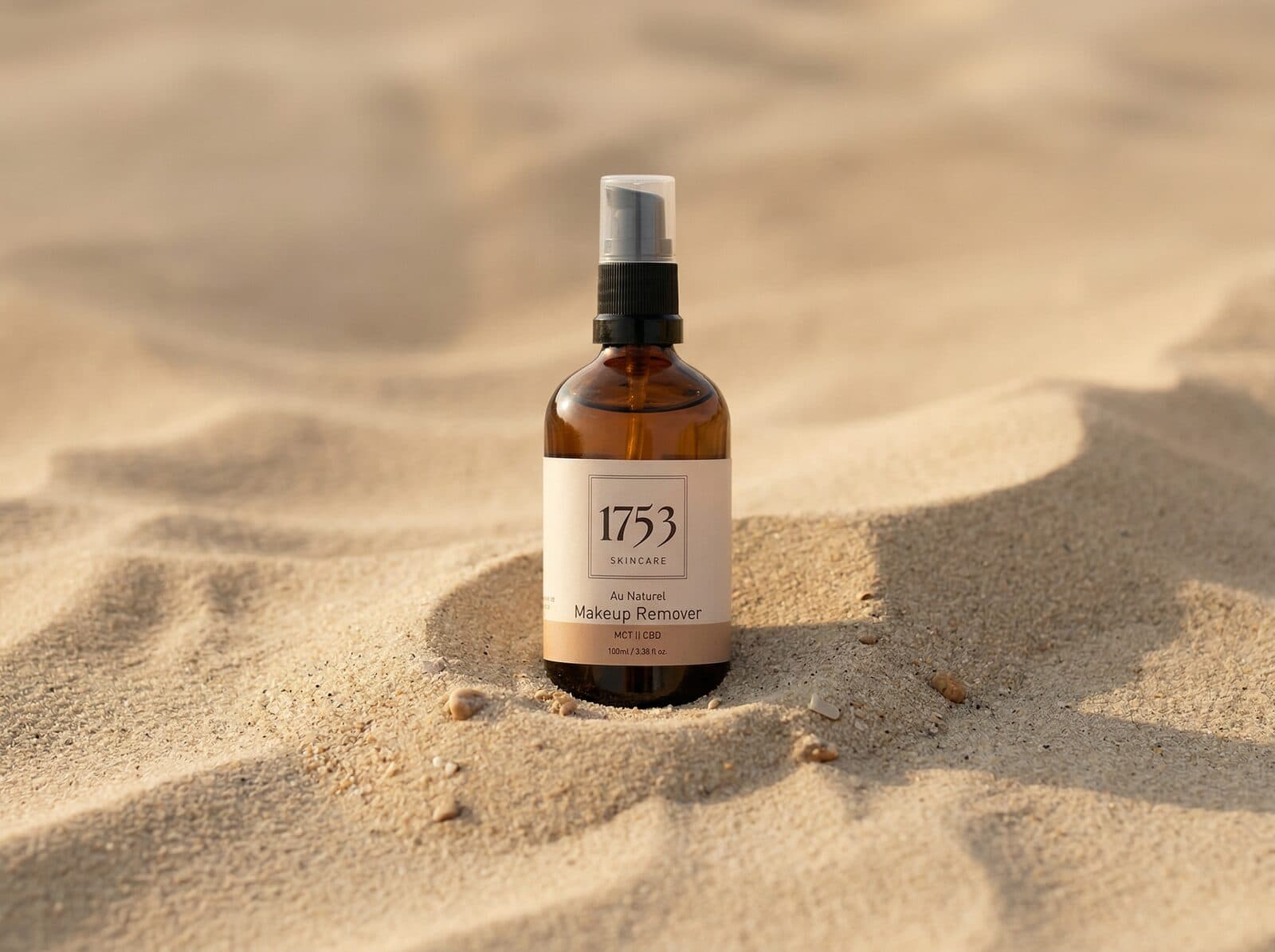
MCT also works as a mild cleanser in Au Naturel Makeup Remover. Massage a small amount onto dry skin, then wipe away with lukewarm water or a soft cloth.

How to actually fix it
If you want an oil that feels clean on skin, MCT is one of the most underrated options. It’s built on caprylic acid and capric acid in the form of stable triglycerides, which is why it feels lighter than many other oils. For skin that gets shiny easily, or hates heavy creams, it’s often exactly enough.
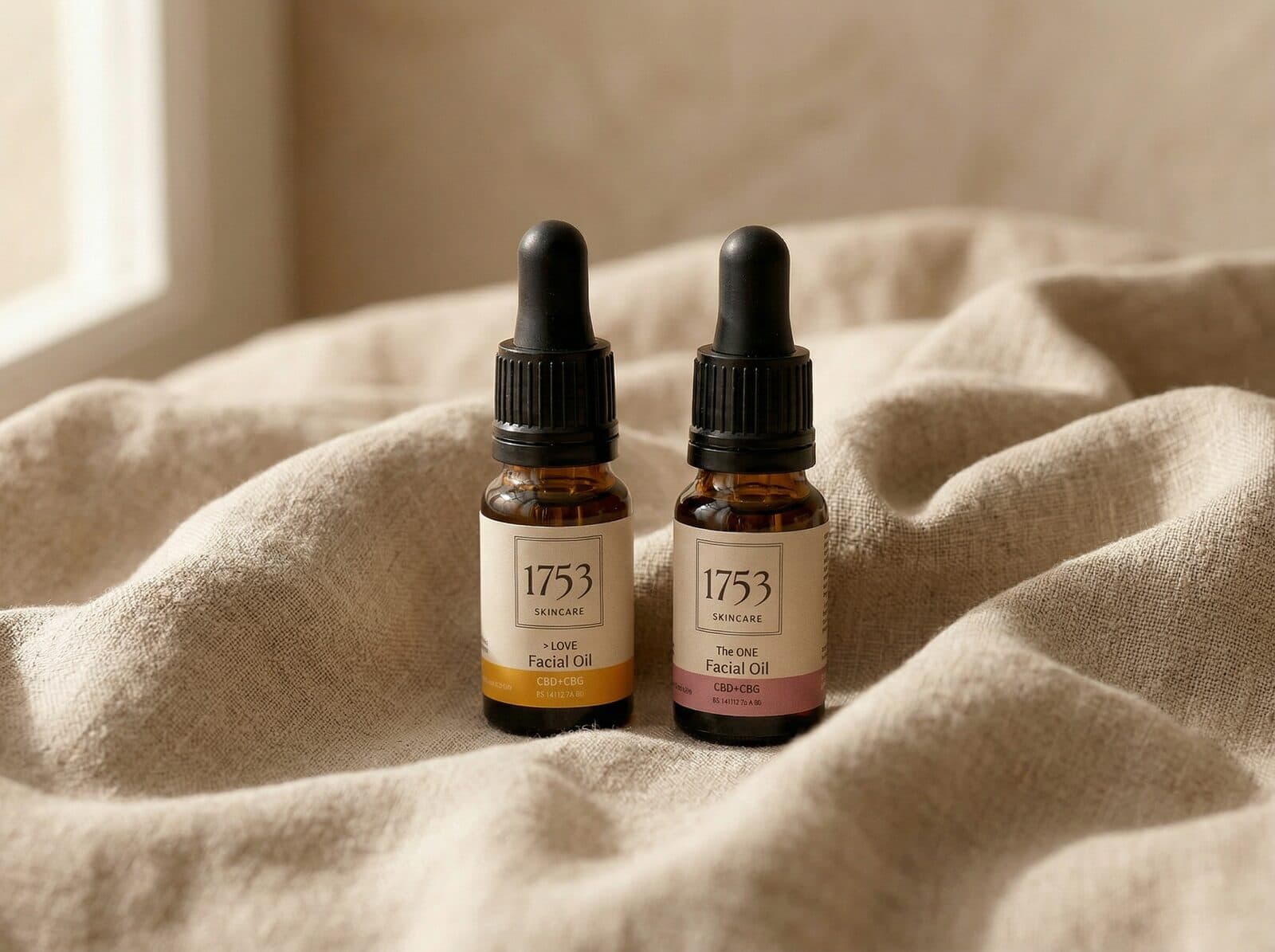
That’s also why Au Naturel Makeup Remover works so well: pure MCT, no fluff. It dissolves makeup and debris gently, without leaving a suffocating film. And in The ONE, part of the DUO kit, MCT acts as a stable base that carries CBD evenly across the skin. That’s not just an oil; that’s a formulation that makes sense.
If you want a simple setup, use Au Naturel as needed for cleansing, The ONE when skin needs balance and protection, and keep the rest of the routine low-key. Skin rarely needs more force. Most of the time, it needs the right fat, in the right amount, at the right time.
Frequently asked questions
Is MCT oil comedogenic?
MCT oil is often considered non-comedogenic in practice, especially because it’s made of lighter triglycerides like caprylic and capric acid. Still, skin is individual, so patch test if you’re prone to clogged pores.
Is MCT oil good for sensitive skin?
Yes, often very good, because it’s simple and free from many common irritants. It’s not an active treatment; it’s a gentle way to add slip and reduce tightness after cleansing.
Can I use MCT oil every day?
Absolutely, if your skin likes it. 2–4 drops at night is often enough, and in the morning an even smaller amount can work under SPF if you’re dry.
How is MCT different from regular coconut oil?
Regular coconut oil contains more lauric acid and often feels heavier. MCT is fractionated, which means the lighter triglycerides have been separated out for a thinner, faster-absorbing feel.
Sources
- Oláh A, Tóth BI, Borbíró I, et al. Cannabidiol exerts sebostatic and antiinflammatory effects on human sebocytes. J Clin Invest 2014;124(9):3713–3724.
- Lin TK, Zhong L, Santiago JL. Anti-Inflammatory and Skin Barrier Repair Effects of Topical Application of Some Plant Oils. Int J Mol Sci 2017;19(1):70.
- Tóth KF, Ádám D, Bíró T, Oláh A. Cannabinoid signaling in the skin: therapeutic potential of the c(ut)annabinoid system. Molecules 2019;24(5):918.
Article reviewed by Christopher Genberg, founder of 1753 SKINCARE.
Related articles
Ingredient Portrait
Vitamin e skin – the quiet shield
Vitamin E is one of skincare’s most misunderstood ingredients. It doesn’t act like a flashy quick fi...
Ingredient Portrait
aha bha risks – when smooth skin becomes a bad deal
AHA, BHA and PHA can brighten skin fast, but they can also fool you. What looks like progress is som...
Ingredient Portrait
cbd for skin – less noise, more balance
CBD for skin is interesting because it doesn’t try to bully the skin into behaving. It works with th...
Skin Streaming
Minimalist 5 step routine – why less can do more
Skincare has become too much of everything: too many steps, too much exfoliation, too much cleansing...
CBD Skincare
CBD for acne – stop fighting your skin
Acne isn't about being dirty. It's about inflammation, hormones, and skin that needs support – not p...
CBD Skincare
CBD for oily skin – balance instead of dehydration
Drying out oily skin only makes it oilier. Sounds backwards, but that's exactly what happens. CBD of...