
Ingredient Portrait
Collagen truth – can you eat or wear firmer skin?
Collagen is sold as a shortcut to bounce and firmness. But skin is not a sponge that soaks up promises. The real question is simpler and more useful: what helps your body make more of its own support, in the right place?

Is collagen really the fast track to firmer skin?
In supplements and skincare, collagen is usually type I collagen, the dominant type in skin. When it’s hydrolyzed, it’s broken into smaller peptides, which makes it easier to absorb in the gut. From there, amino acids like glycine and proline can be used as raw material for your body’s own collagen production.
But here’s the awkward part: eating or applying collagen does not mean collagen is simply delivered into the skin as collagen. In the dermis, fibroblasts need the right signals to build new support tissue. Some studies suggest collagen peptides may improve elasticity and hydration, but the effect is usually modest and depends on the bigger picture.
That’s why many collagen claims are oversold. Topical collagen mostly sits on the surface and can feel smoothing and film-forming, but it cannot magically replace deeper support structures. If skin feels thin or tired, the smarter move is to support the system, not just coat it with protein.
How to think about collagen
Look for hydrolyzed forms
If you use a supplement, choose hydrolyzed collagen or collagen peptides. That’s the form the body can actually handle more easily, not just a big protein on a label.
Give it time
Skin remodeling is slow. Think 8–12 weeks rather than a few days if you want a fair read on whether firmness and comfort are changing.
Feed the amino acids
Collagen is rich in glycine and proline. A solid protein intake from food helps your body build its own support instead of chasing quick-fix promises.
Stop over-exfoliating
Skin that’s constantly stressed by acids and harsh cleansing often looks worse, collagen or not. Protect the barrier if you want skin to feel firmer and calmer.
Think system, not hype
Sleep, sun protection, and steady nutrition affect collagen balance more than many expensive jars. Less glamorous than a marketing claim, but a lot more useful.

How to actually support skin
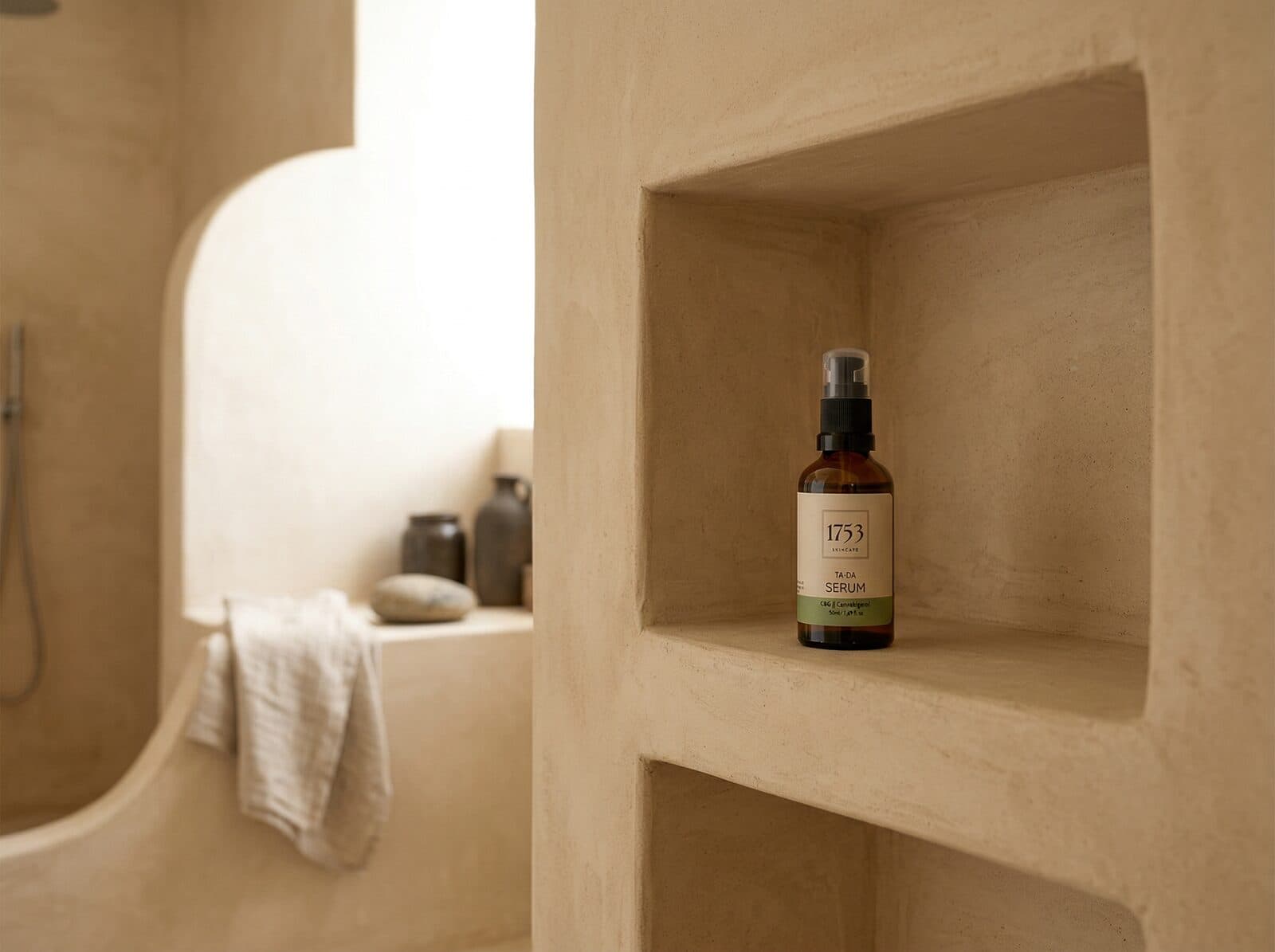
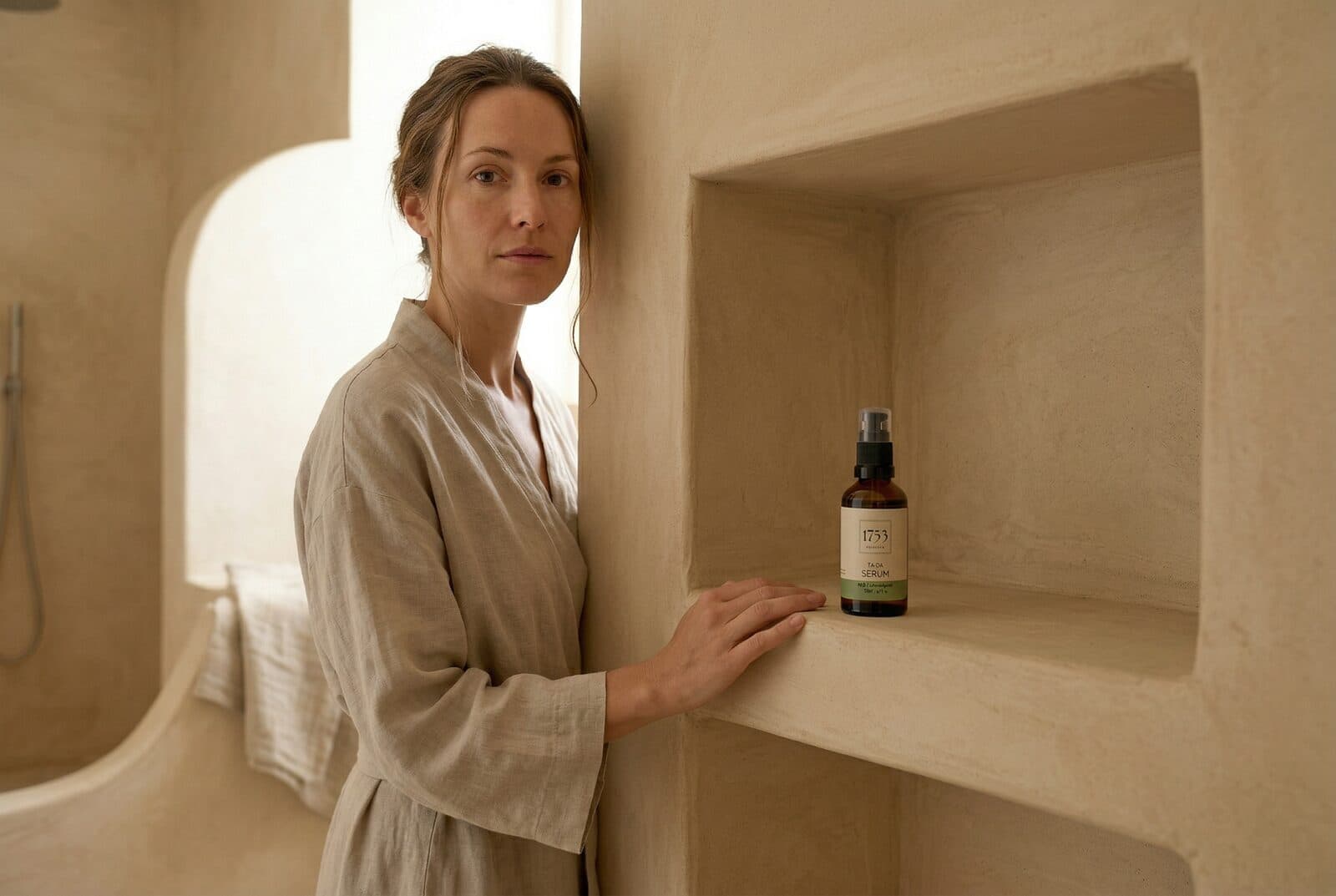
If your goal is better firmness, it makes more sense to support the skin’s own collagen production than to hunt for miracles in a jar. The body builds collagen through fibroblasts, and they need both calm and the right conditions. That’s where Ta-DA serum fits: its antioxidant cocktail with CBG and adaptogens is designed to help reduce unnecessary stress around the skin, so fibroblasts can do their work more comfortably.
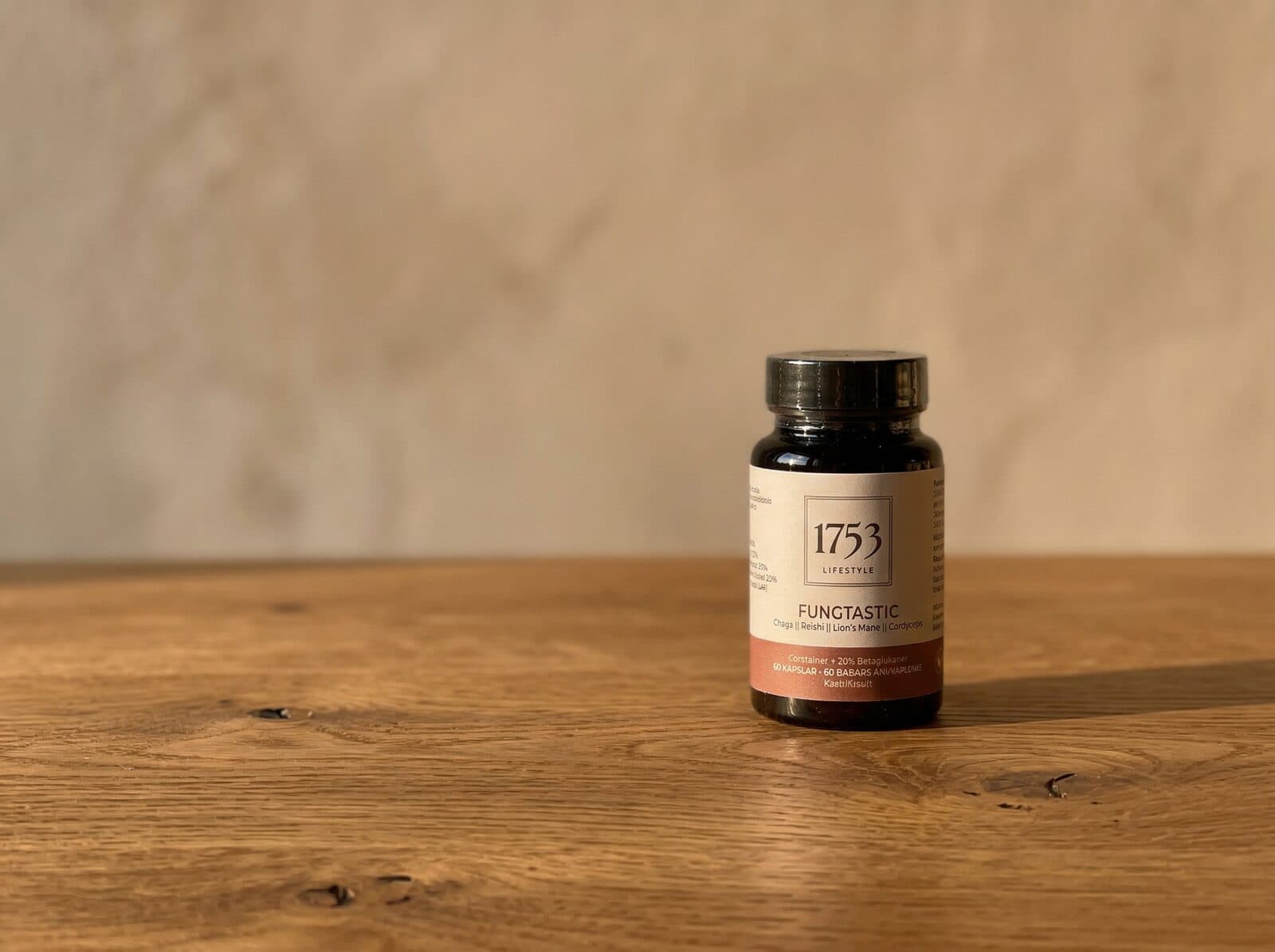
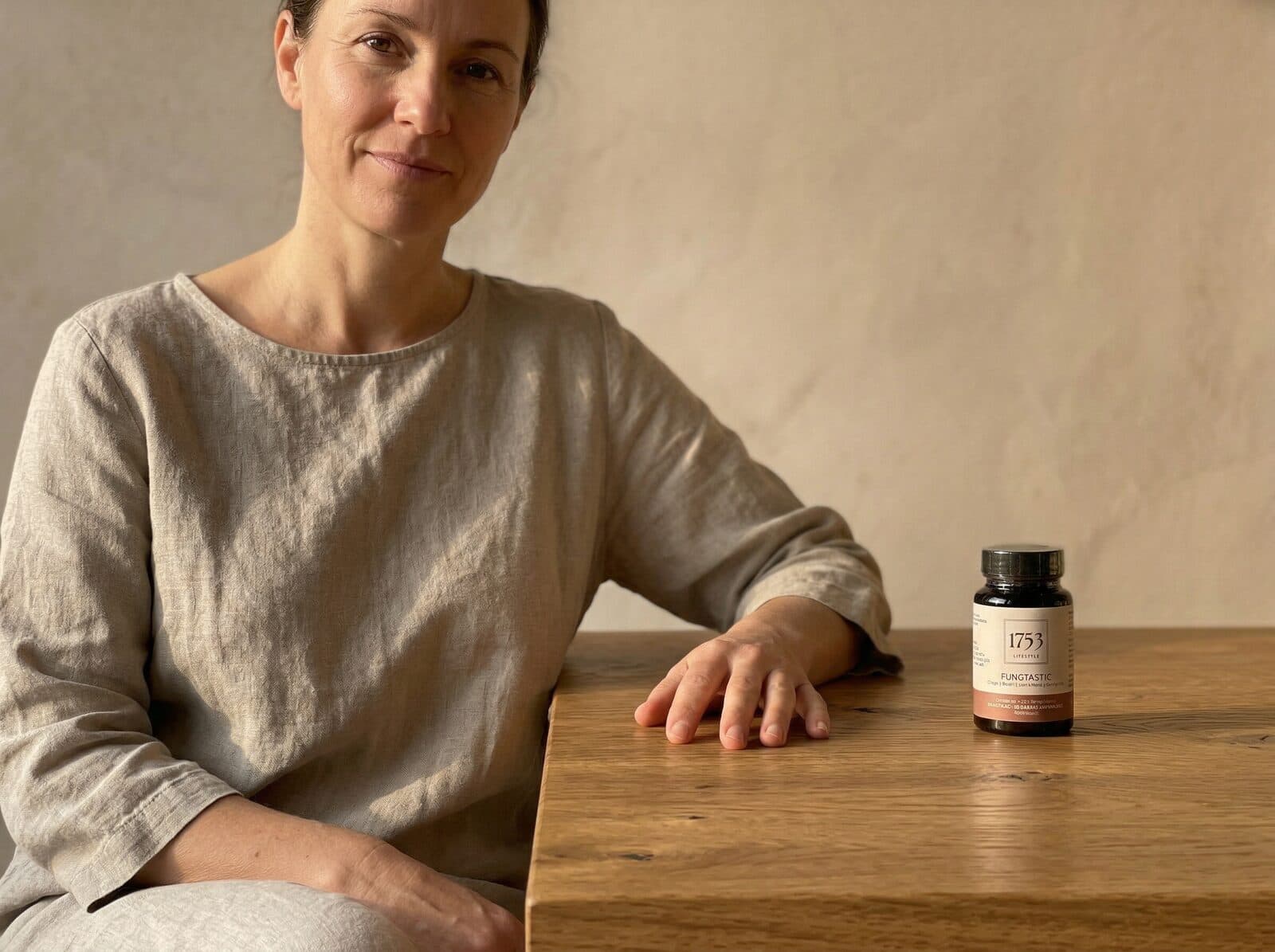
For an inside-out angle, Fungtastic Mushroom Extract brings chaga, reishi, lion’s mane, and cordyceps. It is not collagen itself, but it can support your dietary intake when you want to back the body’s own building process. Think of it as supplying the worksite, not trying to tape new walls onto the surface.
If you also want to keep skin balanced without irritating it, The ONE and I LOVE make more sense than aggressive actives. The ONE helps skin feel regulated and supple, while I LOVE is calming and antibacterial. Paired with Ta-DA, that’s a more honest way to work with skin than buying collagen as a marketing story.
Frequently asked questions
Can collagen actually be absorbed for skin benefits?
Hydrolyzed collagen is broken into smaller peptides and amino acids that can be absorbed in the gut. Some studies show improved hydration and elasticity, but that is not the same as collagen becoming skin directly.
Does collagen cream work?
Collagen in a cream mostly stays on the surface and can feel moisturizing and smoothing. It does not magically rebuild dermal collagen, but it can be fine for surface comfort.
What does the body need to make collagen?
Amino acids like glycine and proline matter, along with enough protein, vitamin C, and recovery. Fibroblasts do the building when the conditions are right.
Is collagen just marketing hype?
Not entirely, but the effects are often exaggerated. Collagen can be a support, especially as hydrolyzed peptides, but the biggest difference usually comes from how you treat the barrier and the body as a whole.
Sources
- Oláh A, Tóth BI, Borbíró I, et al. Cannabidiol exerts sebostatic and antiinflammatory effects on human sebocytes. J Clin Invest 2014;124(9):3713–3724.
- Lin TK, Zhong L, Santiago JL. Anti-Inflammatory and Skin Barrier Repair Effects of Topical Application of Some Plant Oils. Int J Mol Sci 2017;19(1):70.
- Tóth KF, Ádám D, Bíró T, Oláh A. Cannabinoid signaling in the skin: therapeutic potential of the c(ut)annabinoid system. Molecules 2019;24(5):918.
Article reviewed by Christopher Genberg, founder of 1753 SKINCARE.
Related articles
Ingredient Portrait
Chaga mushroom skin – the taiga’s quiet shield
Chaga is not another glossy wellness gimmick. It’s a survival mushroom from the cold taiga, packed w...
Ingredient Portrait
Reishi for skin – the mushroom that calms the noise
Reishi earned its “mushroom of immortality” nickname for a reason: it matters more for skin than a l...
Ingredient Portrait
cbd for skin – less noise, more balance
CBD for skin is interesting because it doesn’t try to bully the skin into behaving. It works with th...
Skin Streaming
Minimalist 5 step routine – why less can do more
Skincare has become too much of everything: too many steps, too much exfoliation, too much cleansing...
CBD Skincare
CBD for wrinkles – age with your skin, not against it
We'll never promise wrinkles will disappear. But we can help your skin age on its own terms. CBD pro...
CBD Skincare
CBD for dark circles – truly wake up
Dark circles are rarely just about sleep. It's about thin skin, poor circulation, and inflammation. ...