
Knees
knee skin pigment – not a sign you need to bleach
Dark knees are usually mechanics, not a flaw. The skin there is thicker, gets more friction, and often develops post-inflammatory darkening after tiny irritations. Add sun exposure, kneeling and dry skin, and the explanation is pretty ordinary.

Why do knees darken – and why is scrubbing the worst move?
Knees are built to take a beating. The skin is thicker than on many other body parts, and it deals with constant movement, kneeling, clothing friction and pressure from daily life. That repeated stress can trigger low-grade inflammation, which nudges melanocytes to produce more pigment. What looks like “dirty” skin is often just the skin adapting to stress.
Post-inflammatory pigmentation is a real, well-studied response: when skin gets irritated, it repairs itself and sometimes leaves behind darker patches. On knees, this shows up more clearly because the area is thicker, drier and less richly supplied with oil than the face. If your knees also catch the sun in shorts, on holiday or while cycling, the pigment can deepen over time.
The mainstream mistake is to attack the problem with rough scrubs, strong acids or overly aggressive washing. But more abrasion usually means more inflammation. So instead of fighting your knees, work with them: reduce friction, support the barrier and stop feeding the cycle.
Five things that actually help
Cut unnecessary friction
Notice how often your knees rub against denim, mats, floors or hard surfaces. Small daily habits matter when the skin is thick and easy to irritate.
Protect from sun
Knees are often forgotten when sunscreen goes on. If they’re exposed in shorts or at the beach, treat them like the rest of your skin – otherwise the pigment can linger.
Cleanse gently
Choose cleansing that doesn’t leave the skin tight. Gentle isn’t lazy; it’s smart when the area is already dealing with dryness and friction.
Use less, not more
Thicker skin doesn’t need thick layers. Small amounts go a long way, especially on knees where you want support without heaviness.
Give it time
Mechanical pigmentation doesn’t fade overnight. Once irritation drops, the skin usually starts to even out gradually.

How to calm knees for real
With knee skin pigment, the fix is less about “brightening” and more about stopping the skin from staying irritated. That means gentle cleansing, less mechanical stress and a routine that respects the fact that knees have thicker skin and a different circulation pattern than the face. They’re not delicate in the same way as eyelids, but they absolutely notice repeated friction and dryness.
That’s where Au Naturel Makeup Remover makes sense as a mild cleanser for the body too, especially if you want to dissolve sunscreen, grime or everyday buildup without rubbing. After that, a few drops of The ONE can support the skin barrier without feeling heavy; it’s safe for sensitive areas too, and small drops really do go far. When the skin feels reactive or tight, I LOVE brings a calming layer that helps the area stop acting like it’s under attack.
If you want a simple routine: cleanse gently, apply a small amount of oil to dry areas, and use sun protection when knees are exposed. Nothing fancy. Just the kind of care that makes sense when the problem is mechanical. Reduce friction, support the barrier, and be patient – that usually beats any harsh “fix”.
Products we recommend
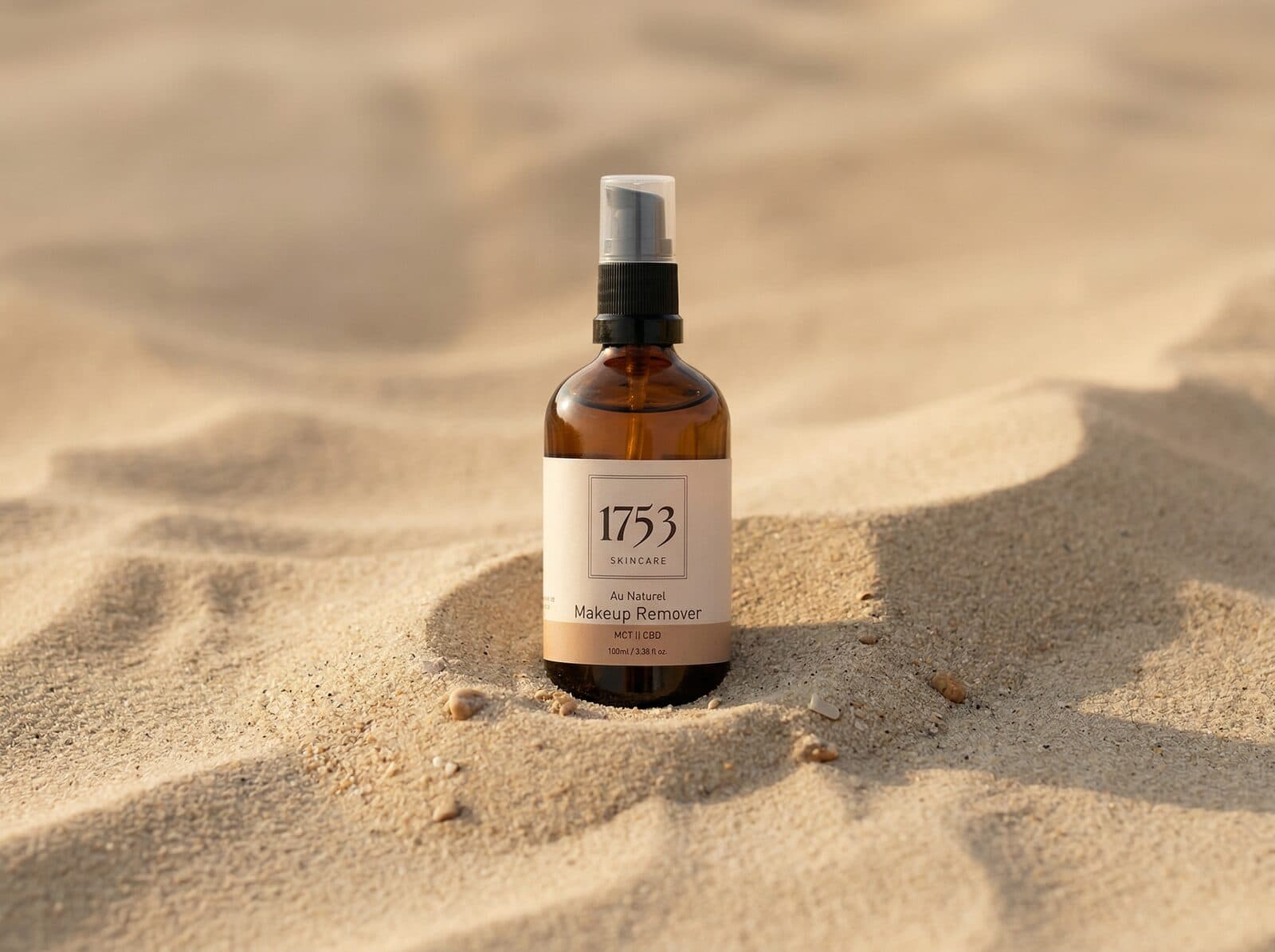
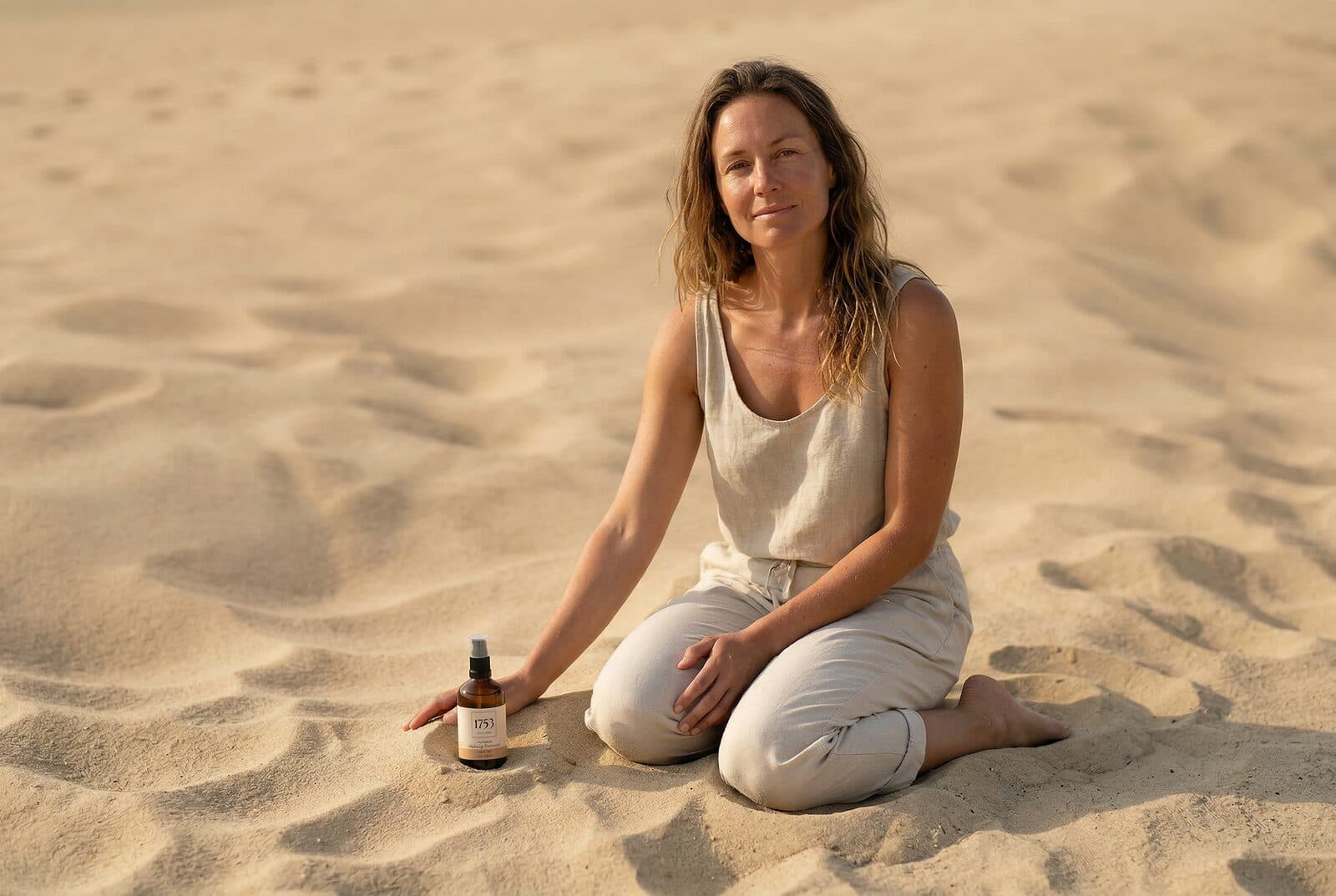
Au Naturel Makeup Remover
A cleansing oil with MCT and CBD that removes makeup and buildup without stripping your skin bare.

 Save €34
DUO kit
Two face oils, one for morning and one for evening. Simple skincare that works with your skin, not against it.
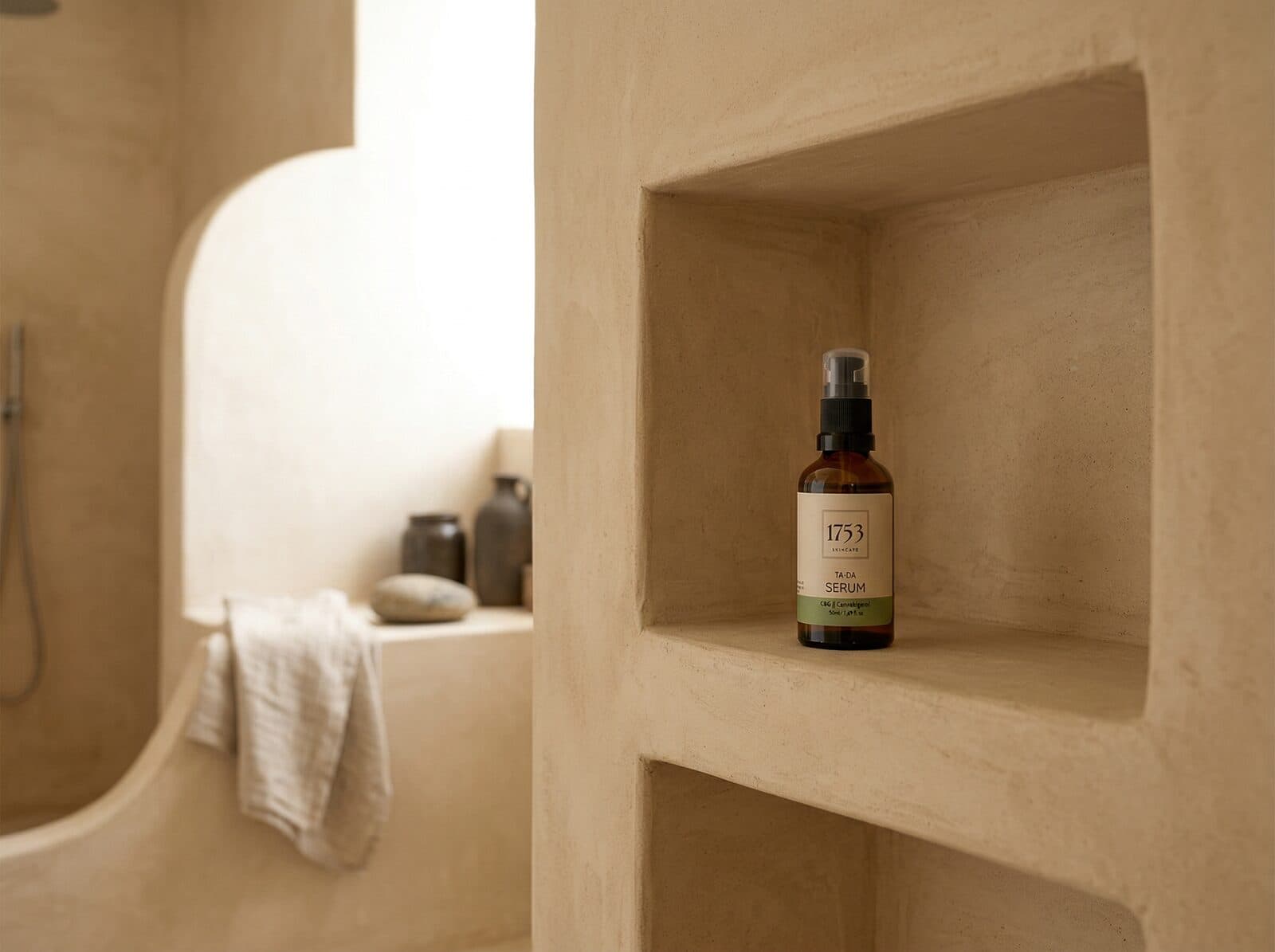
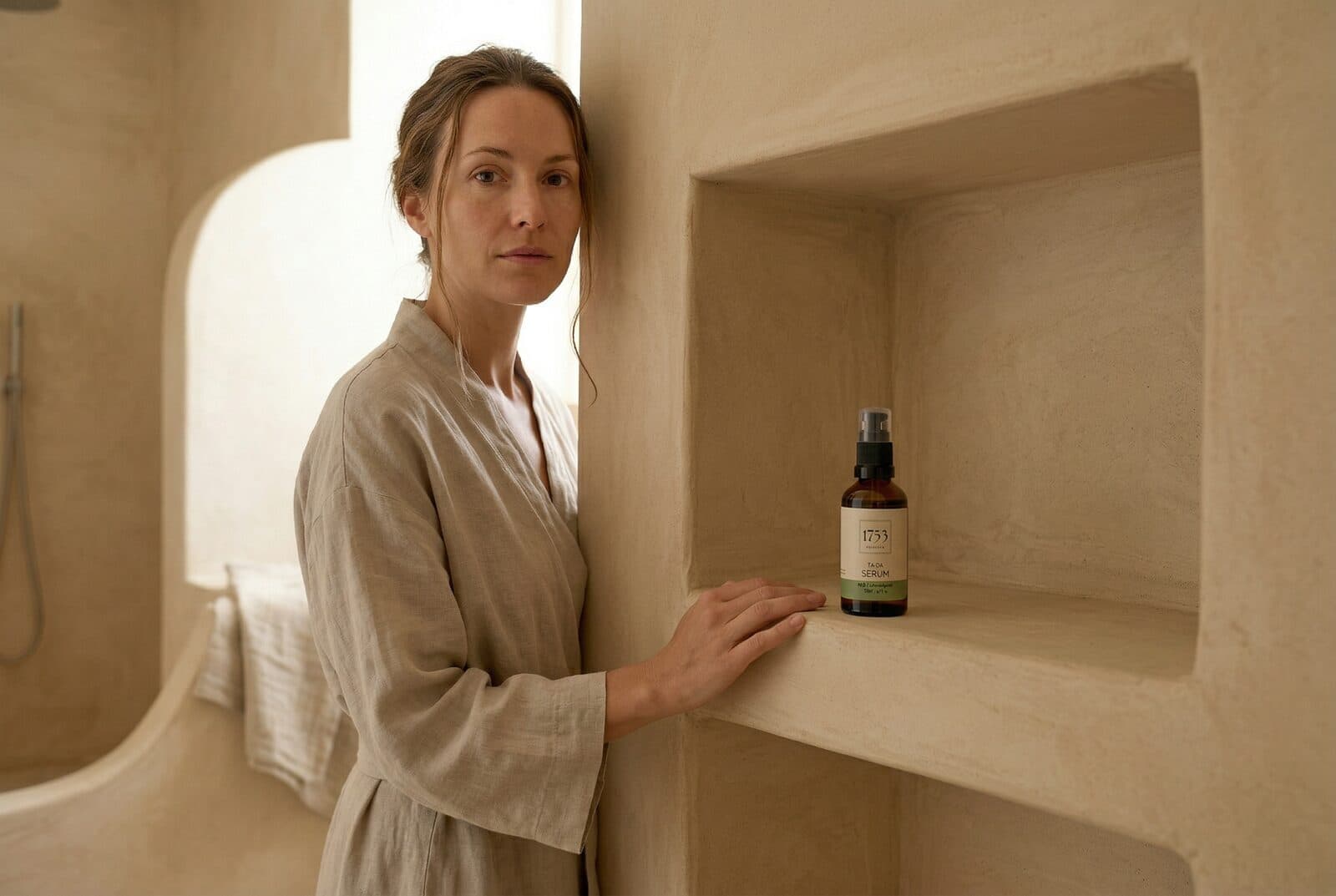
TA-DA Serum
A CBG-powered serum that seals in moisture and adds glow, whatever the season.
Frequently asked questions
Are dark knees always a skin concern?
Not always. Often it’s a normal response to friction, dryness and sun. If the skin is itchy, scaly or changing quickly, it’s worth getting checked.
Can I scrub the pigment off?
Not really. Scrubbing often increases irritation, which can make pigmentation worse. For knees, a gentler approach is usually the better bet.
Why only my knees?
Knees deal with more pressure, bending and rubbing than many other areas. The skin is thicker and often drier, so pigment becomes more noticeable there.
How fast will it improve?
It varies, but mechanical pigmentation fades slowly. Once friction and irritation are reduced, changes usually happen gradually over weeks to months.
Sources
- Proksch E, Brandner JM, Jensen JM. The skin: an indispensable barrier. Exp Dermatol 2008;17(12):1063–1072.
- Lin TK, Zhong L, Santiago JL. Anti-Inflammatory and Skin Barrier Repair Effects of Topical Application of Some Plant Oils. Int J Mol Sci 2017;19(1):70.
Article reviewed by Christopher Genberg, founder of 1753 SKINCARE.
Related articles
Hand Care
Natural hand care – for skin that never gets a break
Your hands show everything: washing, sanitiser, wind, and UV. The skin is thin, often lower in oil g...
Foot Care
Foot care dry heels - less friction, more relief
Dry heels usually do not need harsher treatment. They need less friction, less dehydration and a rou...
Neck Care
Neck cream wrinkles – stop treating the neck like an afterthought
The neck is not just “more face.” It has thinner skin, fewer sebaceous glands and constant exposure ...
Skin Barrier
Restore Skin Barrier – stop stripping, start rebuilding
A damaged barrier is rarely a mystery. More often, the stratum corneum has lost its mortar-model bal...
Skin Condition
Keratosis pilaris – why skin turns bumpy
Tiny bumps on the upper arms, thighs, or buttocks are not proof that your skin is failing. Keratosis...
Skin Streaming
Minimalist 5 step routine – why less can do more
Skincare has become too much of everything: too many steps, too much exfoliation, too much cleansing...