
Science
ECS and stress – your body’s built-in brake
Stress is not just a mindset problem. It starts as a biological chain reaction: the HPA axis fires, cortisol rises, and your body prepares for action. The issue is what happens when that switch stays stuck. That is where the endocannabinoid system steps in.

Why does stress sometimes stay on?
The HPA axis – hypothalamus, pituitary, adrenal glands – is your internal alarm network. When it activates, cortisol is released to mobilise energy, sharpen focus and keep you functional. Useful in the short term, but if the signal is too strong or too constant, the feedback loop becomes less efficient.
That is where endocannabinoid tone matters. It refers to how well the body produces and uses its own cannabinoids, like anandamide and 2-AG, to fine-tune signalling. Research from 2020–2025 increasingly shows that a healthier endocannabinoid tone is linked to better stress regulation and more effective cortisol feedback, meaning the body is better at saying: enough.
Mainstream stress advice often pushes more output: more coffee, more workouts, more hustle. But if your system is already overdriven, that can be the wrong move. The body does not always need more intensity. Often it needs better signals that help it come down without crashing.
How to help the system reset
Reduce noise, not just stress
Cut the things that keep the HPA axis unnecessarily switched on: late-night screens, rushed meals, too much caffeine on an empty stomach. Small changes often beat another trendy “stress hack”.
Build rhythm before performance
Same bedtime, same first meal, same walk after lunch. The body likes predictability because it lowers the need for constant alert mode. That is basic biology, not self-discipline theatre.
Use recovery as a signal
Slow breathing, gentle movement and real pauses help the nervous system downshift. It sounds simple, but it affects the feedback loop between stress hormones and the brain.
Treat skin like a neighbour to the nervous system
Stress often shows up on the skin first: tightness, reactivity, imbalance. A routine that does not over-cleanse or over-exfoliate reduces irritation and gives your body less to defend against.
Choose calmer formulas
When skin is already under pressure, gentle formulas are often smarter than aggressive actives. Look for ingredients that support the barrier instead of demanding attention.

What actually supports ECS in practice
The goal is not to erase stress. It is to make the body better at finishing it. Endocannabinoids help regulate both neural signalling and cortisol feedback, and recent studies suggest that when the system is functioning well, recovery after stress is smoother and faster.
That is where 1753 makes sense. The ONE combines CBD and MCT in a skin-regulating facial oil, I LOVE uses CBG in a calming serum, and Ta-DA serum adds an antioxidant cocktail with CBG and adaptogens. It is not hype; it is a more thoughtful way to bring phytocannabinoids from certified hemp into formulas that fit an overstimulated life.
If you want to start simply, keep the routine clean: a mild cleanse with Au Naturel Makeup Remover, then a formula that does not provoke more reactivity. When skin gets less friction and better support, it does not have to work so hard to stay balanced. That is how you support endocannabinoid tone in real life.
Products we recommend
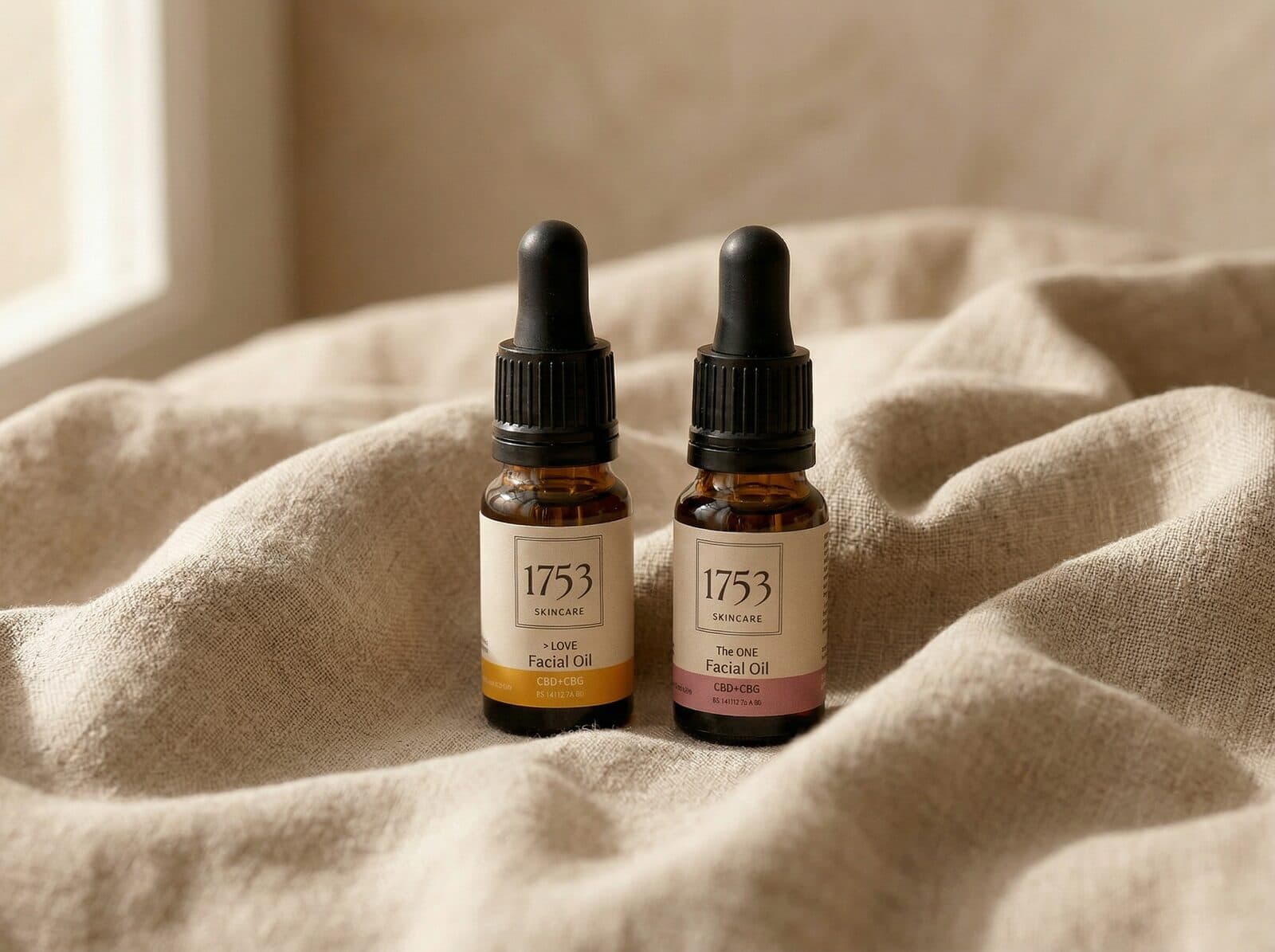
 Save €34
DUO kit
Two face oils, one for morning and one for evening. Simple skincare that works with your skin, not against it.
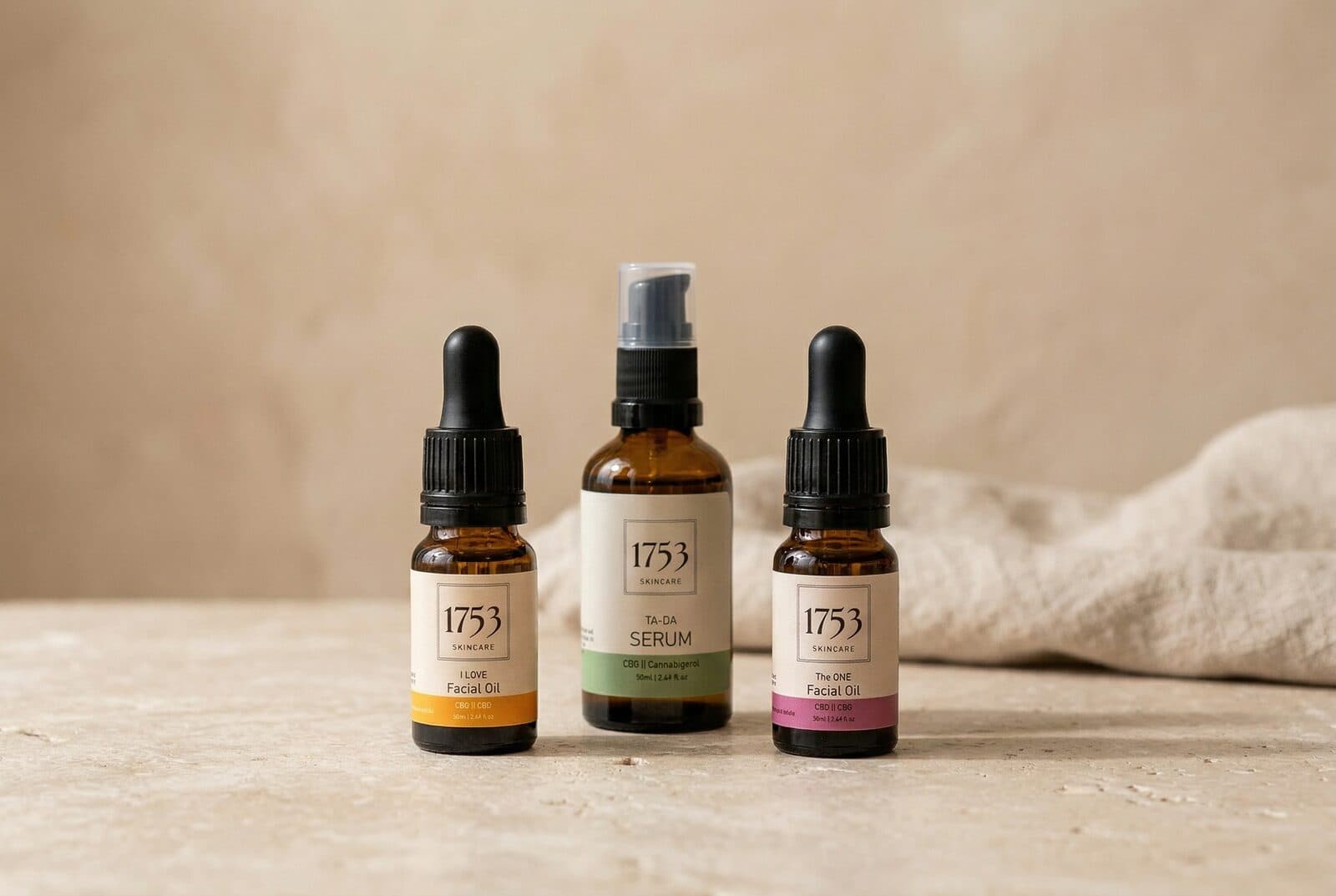
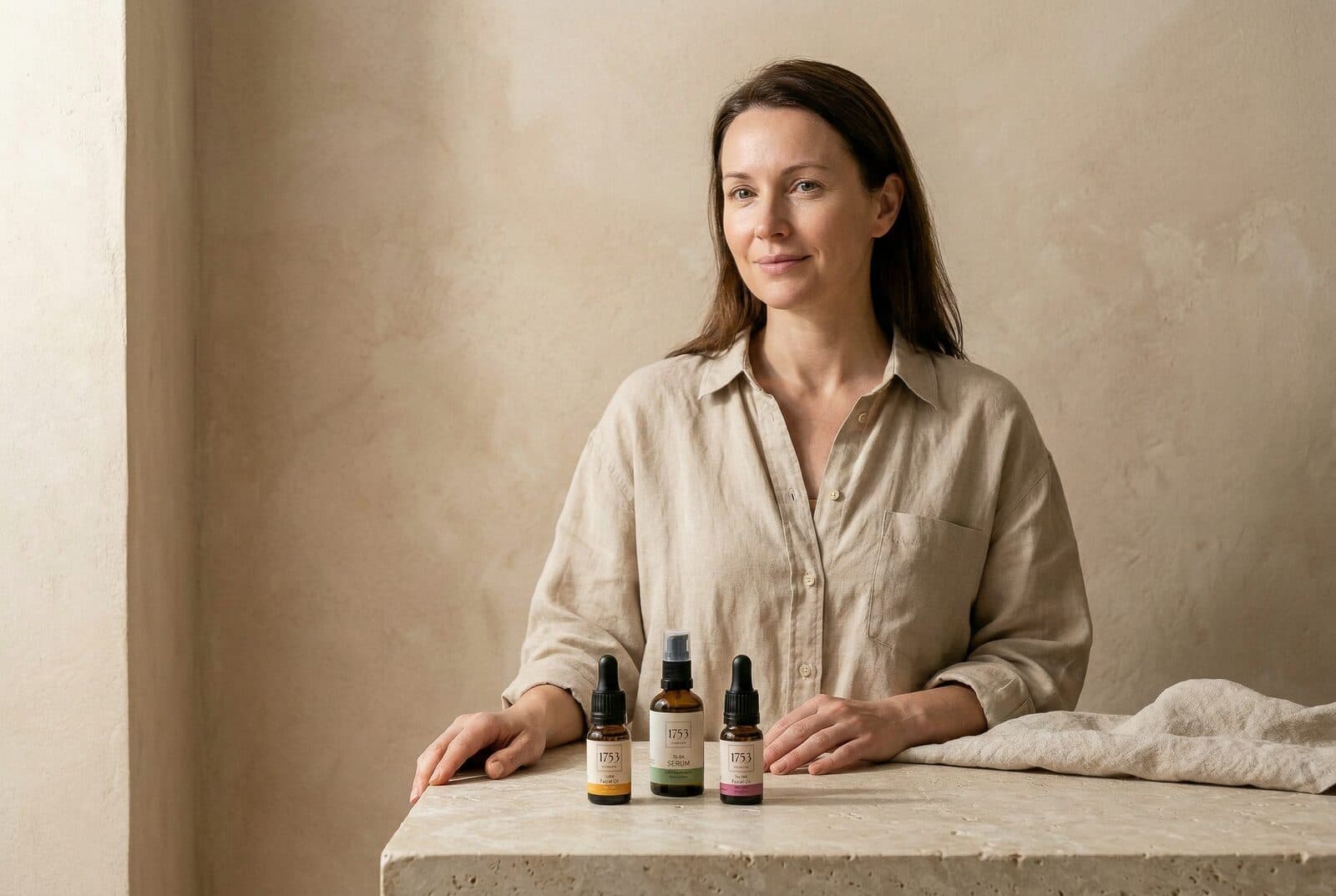 Save €60
DUO kit + TA-DA Serum
The full routine in one: three products that help skin become calmer, stronger and more resilient.
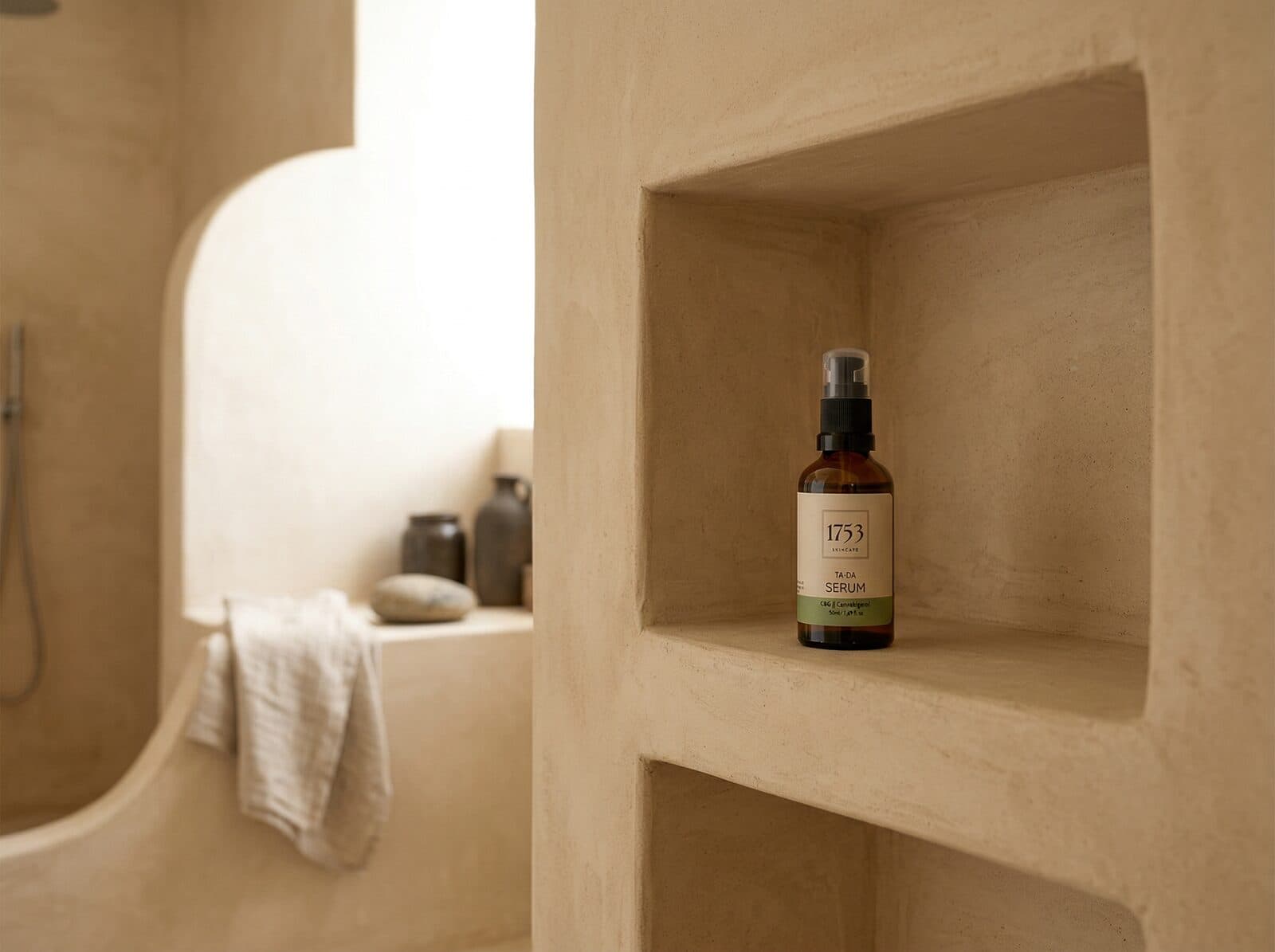

TA-DA Serum
A CBG-powered serum that seals in moisture and adds glow, whatever the season.
Frequently asked questions
What does endocannabinoid tone mean?
It describes how balanced and responsive the body’s endocannabinoid system is. A good tone is not about “more” cannabinoids, but about better regulation of signals linked to stress, sleep, appetite and recovery.
How is ECS connected to the HPA axis?
ECS helps modulate how strongly the HPA axis responds to stress. When feedback works well, cortisol can rise when needed and then return to baseline more efficiently.
Can skincare affect stress?
Not as a medical treatment, but a gentle routine can reduce skin irritation, which removes one layer of physical stress. For many people, how the skin feels every day genuinely matters.
Why not just use strong actives?
Because more is not always better. If skin is already reactive, harsh exfoliation or aggressive cleansing can worsen imbalance and make recovery harder.
Sources
- Bíró T, Tóth BI, Haskó G, Paus R, Pacher P. The endocannabinoid system of the skin in health and disease. Trends Pharmacol Sci 2009;30(8):411–420.
- Tóth KF, Ádám D, Bíró T, Oláh A. Cannabinoid signaling in the skin: therapeutic potential of the c(ut)annabinoid system. Molecules 2019;24(5):918.
- Byrd AL, Belkaid Y, Segre JA. The human skin microbiome. Nat Rev Microbiol 2018;16(3):143–155.
Article reviewed by Christopher Genberg, founder of 1753 SKINCARE.
Related articles
Science
Endocannabinoid system skin guide – your skin’s built-in calm
Your skin is not just a surface. It is a living control system trying to stay calm, resilient, and b...
SKIN SCIENCE
CB1 CB2 receptors skin – let the skin lead for once
Skin is not a passive surface. It has its own signalling network, where CB1 and CB2 help shape calm,...
SCIENCE
cbd bioavailability skin – not just sitting there
CBD on skin is not the same as CBD through skin. One acts where it lands; the other tries to cross t...
Ingredient Portrait
cbd for skin – less noise, more balance
CBD for skin is interesting because it doesn’t try to bully the skin into behaving. It works with th...
Ingredient Portrait
cbg for skin – the mother cannabinoid that calms and renews
CBG usually lives in CBD’s shadow, but skin can tell the difference. This is the cannabinoid that ma...
Ingredient Portrait
Shea butter skin – rich, warm, not for everyone
Shea butter is one of skincare’s most loved butters, and one of the most misunderstood. It comes fro...