
Hands
Dry cracked hands – when skin is done pretending
Hands take the abuse first and complain last. Washing, dishwater, cold weather and constant friction wear down the skin barrier until hand cream stops being enough. Then you need less stripping, more protection, and a routine that actually sticks.

Why do dry cracked hands get worse with “normal” hand care?
The back of the hand has thin skin, fewer oil glands than the face, and very little patience for repeated washing. Every rinse strips away lipids the barrier needs to stay flexible. Once that barrier starts leaking, water escapes faster, irritants get in easier, and the skin responds with tightness, redness and cracks.
That’s also why hand eczema is so often tied to daily life: water, detergents, cleaning products, and gloves that trap sweat instead of protecting properly. Barrier research keeps pointing to the same thing: moisturising matters, but so does removing the thing that keeps damaging the surface. Slapping on cream after the fact is often too little, too late.
The mainstream mistake is to treat dry cracked hands like a texture problem. More acids, more scrubs, more “intense repair” formulas that sting. But cracked hands do not want more attack. They want calm, fat, time, and a thin protective layer that can work without interference.
Five things that help today
Wash more gently
Use lukewarm water and a mild cleanser, not hot water and harsh soap. Pat dry, especially around knuckles and cuticles where cracks start first.
Moisturise right away
Apply something within a minute after washing while the skin is still slightly damp. That helps trap water instead of letting it evaporate.
Protect during chores
Wear gloves for dishwashing and cleaning, and add cotton liners if your hands sweat. Less water contact means less barrier stress.
Use overnight occlusion
At night, a richer layer plus thin cotton gloves can create occlusion. That reduces transepidermal water loss and gives the skin a better shot at recovery.
Leave cracks alone
Don’t pick at loose skin. It drags healing out and can make hand eczema worse. Cover and protect the area instead.

How to actually fix the cycle
This is not about adding more active ingredients to already angry skin. It’s about texture, timing and restraint. The ONE, a CBD and MCT face oil, is one of those rare formulas that also makes sense on sensitive body areas when skin needs lipids and calm, not another heavy cream sitting on top of damage.
After washing, press a few drops into slightly damp hands, focusing on knuckles, fingertips and the spaces between fingers where skin often gets thinnest. If the hands are very dry, use a slightly richer layer at night and add night gloves or thin cotton gloves for occlusion. Old-school? Sure. Effective? Also yes.
Au Naturel Makeup Remover, built on MCT oil, is another gentle option when you want to cleanse without stripping the skin bare. And if your hands are reactive, tight or easily inflamed, I LOVE with CBG is a sensible calming step. Small drops go a long way. That’s the point: less product, better timing, less drama.
Products we recommend
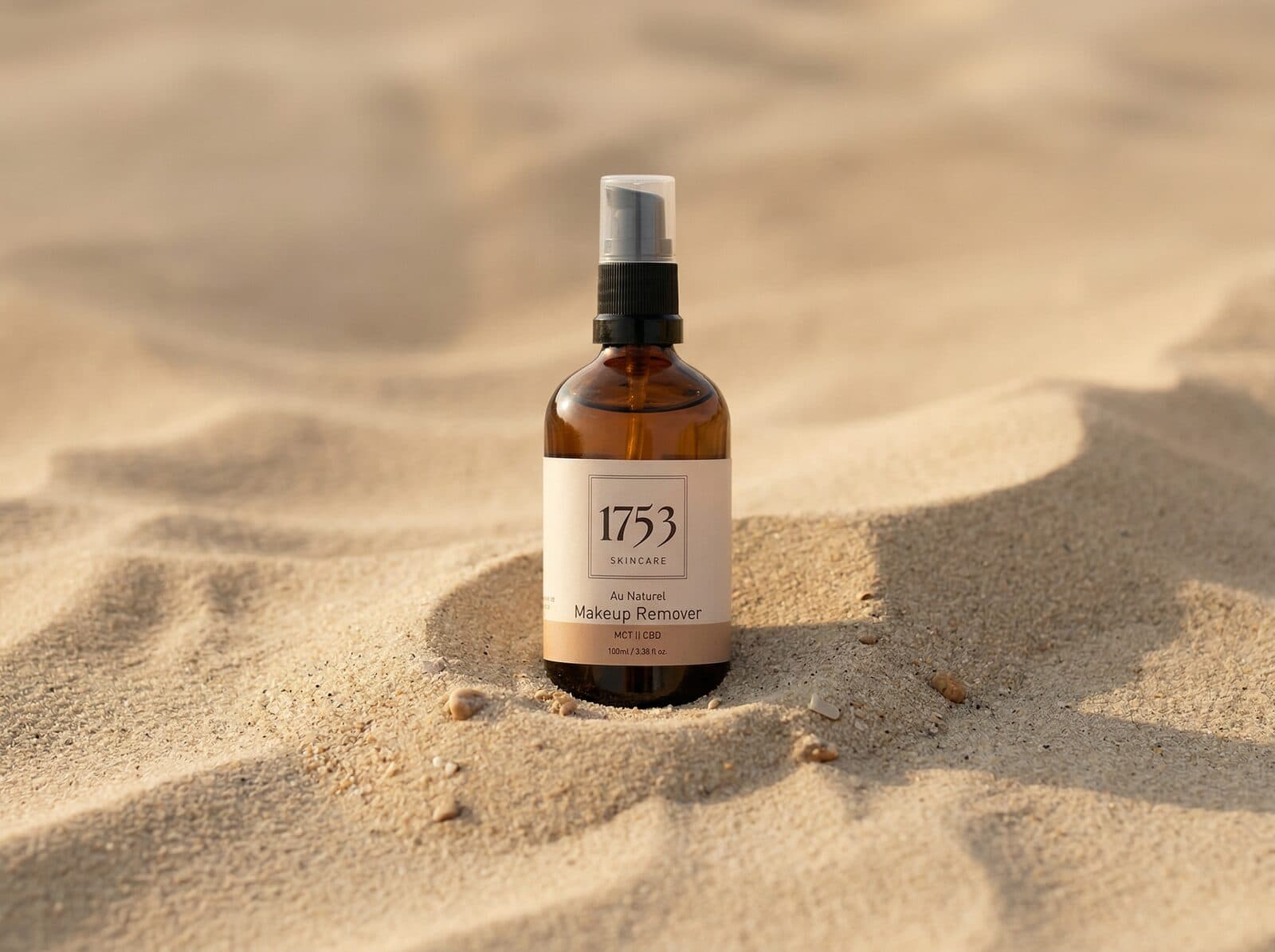
Au Naturel Makeup Remover
A cleansing oil with MCT and CBD that removes makeup and buildup without stripping your skin bare.

 Save €34
DUO kit
Two face oils, one for morning and one for evening. Simple skincare that works with your skin, not against it.
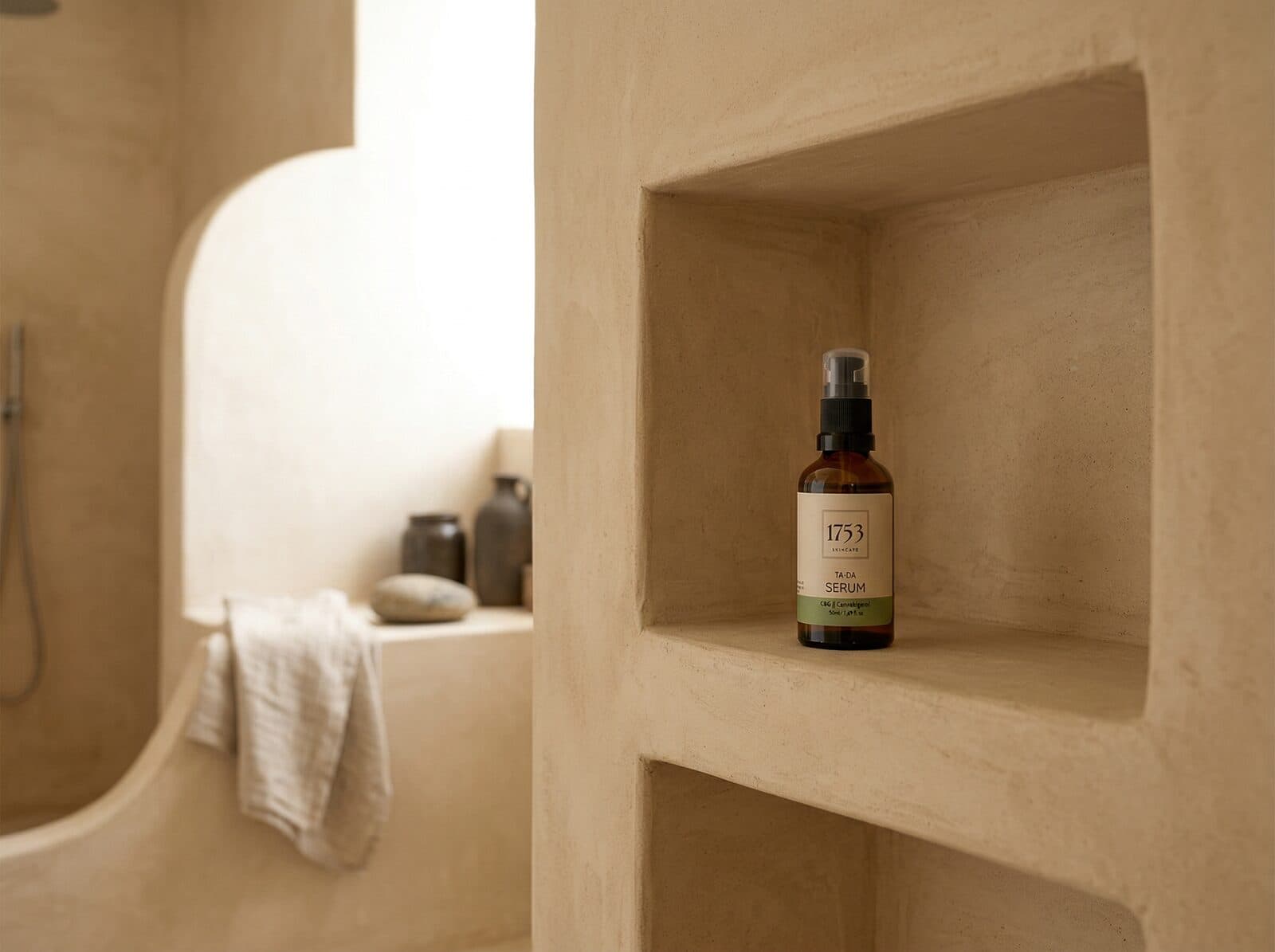
TA-DA Serum
A CBG-powered serum that seals in moisture and adds glow, whatever the season.
Frequently asked questions
Is hand cream always enough for dry cracked hands?
Not always. If the barrier is already damaged, a standard cream may feel too light or sting. Often you need fewer washes, more protection and an oil-based routine that reduces moisture loss.
Do night gloves really help?
Yes, when used properly. They create occlusion, slowing evaporation and helping emollients stay in contact longer. Choose clean, dry, breathable gloves so the skin doesn’t get sweaty and irritated.
What’s the difference between dryness and hand eczema?
Dry hands are usually dehydration and wear-and-tear. Hand eczema adds inflammation, itching, redness and recurring cracks. Both need less irritation, but eczema calls for extra gentleness.
Can I put oil on cracked skin?
Usually yes, if the skin tolerates it. A gentle oil can help reduce water loss and friction. Patch test first if the skin is very reactive or the cracks are deep.
Sources
- Proksch E, Brandner JM, Jensen JM. The skin: an indispensable barrier. Exp Dermatol 2008;17(12):1063–1072.
- Lin TK, Zhong L, Santiago JL. Anti-Inflammatory and Skin Barrier Repair Effects of Topical Application of Some Plant Oils. Int J Mol Sci 2017;19(1):70.
Article reviewed by Christopher Genberg, founder of 1753 SKINCARE.
Related articles
Hand Care
Natural hand care – for skin that never gets a break
Your hands show everything: washing, sanitiser, wind, and UV. The skin is thin, often lower in oil g...
Foot Care
Foot care dry heels - less friction, more relief
Dry heels usually do not need harsher treatment. They need less friction, less dehydration and a rou...
Neck Care
Neck cream wrinkles – stop treating the neck like an afterthought
The neck is not just “more face.” It has thinner skin, fewer sebaceous glands and constant exposure ...
Skin Barrier
Restore Skin Barrier – stop stripping, start rebuilding
A damaged barrier is rarely a mystery. More often, the stratum corneum has lost its mortar-model bal...
Skin Condition
Keratosis pilaris – why skin turns bumpy
Tiny bumps on the upper arms, thighs, or buttocks are not proof that your skin is failing. Keratosis...
Skin Streaming
Minimalist 5 step routine – why less can do more
Skincare has become too much of everything: too many steps, too much exfoliation, too much cleansing...