
Skin Health
Gut skin axis – why your skin often starts in the gut
If your skin feels inflamed, uneven or tired, it’s tempting to blame the wrong serum. But sometimes the real issue sits deeper. The gut skin axis describes how gut balance, barrier function and the microbiome influence inflammation, acne, eczema and how fast skin ages.

Why does the skin flare when the gut is out of sync?
The gut skin axis is not a wellness slogan; it’s biology. When the gut shifts into dysbiosis, for example with SIBO or a disrupted microbial environment, the way the body handles inflammation changes. That can affect immune signaling, stress responses and the skin’s own defenses.
A key piece is the gut barrier. If zonulin rises and tight junctions become more permeable, larger molecules such as LPS from gram-negative bacteria can cross more easily and trigger low-grade inflammation. That mechanism is often discussed in research around so-called leaky gut and can show up on the skin as redness, breakouts or reactivity.
A healthy gut also makes short-chain fatty acids, like butyrate, when it gets the right fibers and fermented foods. Those compounds help calm immune activity and support the barrier. That’s why harsh skincare often misses the point: you can’t scrub away an internal inflammatory state.
Five habits that calm skin through the gut
Feed the microbes
Think less “clean eating” and more “feeding the ecosystem.” Vegetables, legumes and other fiber help the gut produce short-chain fatty acids like butyrate, which can support both barrier and skin.
Add some fermented foods
A little sauerkraut, kimchi or yogurt can be an easy way to diversify the gut environment. Start small if your digestion is sensitive; the goal is tolerance, not shock.
Stop over-cleansing
If your skin is already stressed, it does not need more stripping. Choose a gentle cleanse and let the barrier breathe. A face that’s constantly attacked often answers with more inflammation, not less.
Look for patterns
Does your skin flare after certain meals, during stress or when your stomach is bloated? That is useful data. Patterns usually tell you more than any single product can.
Give it time
Gut and skin change slowly. Think weeks, not days, when you adjust food and routine. Consistency usually beats intensity.

How to work with the gut and calm the skin
The smart move is to work from both ends. Inside, the gut needs support to move out of dysbiosis, reduce irritation and return to a steadier microbial state. Outside, the skin needs products that do not stress the barrier further.
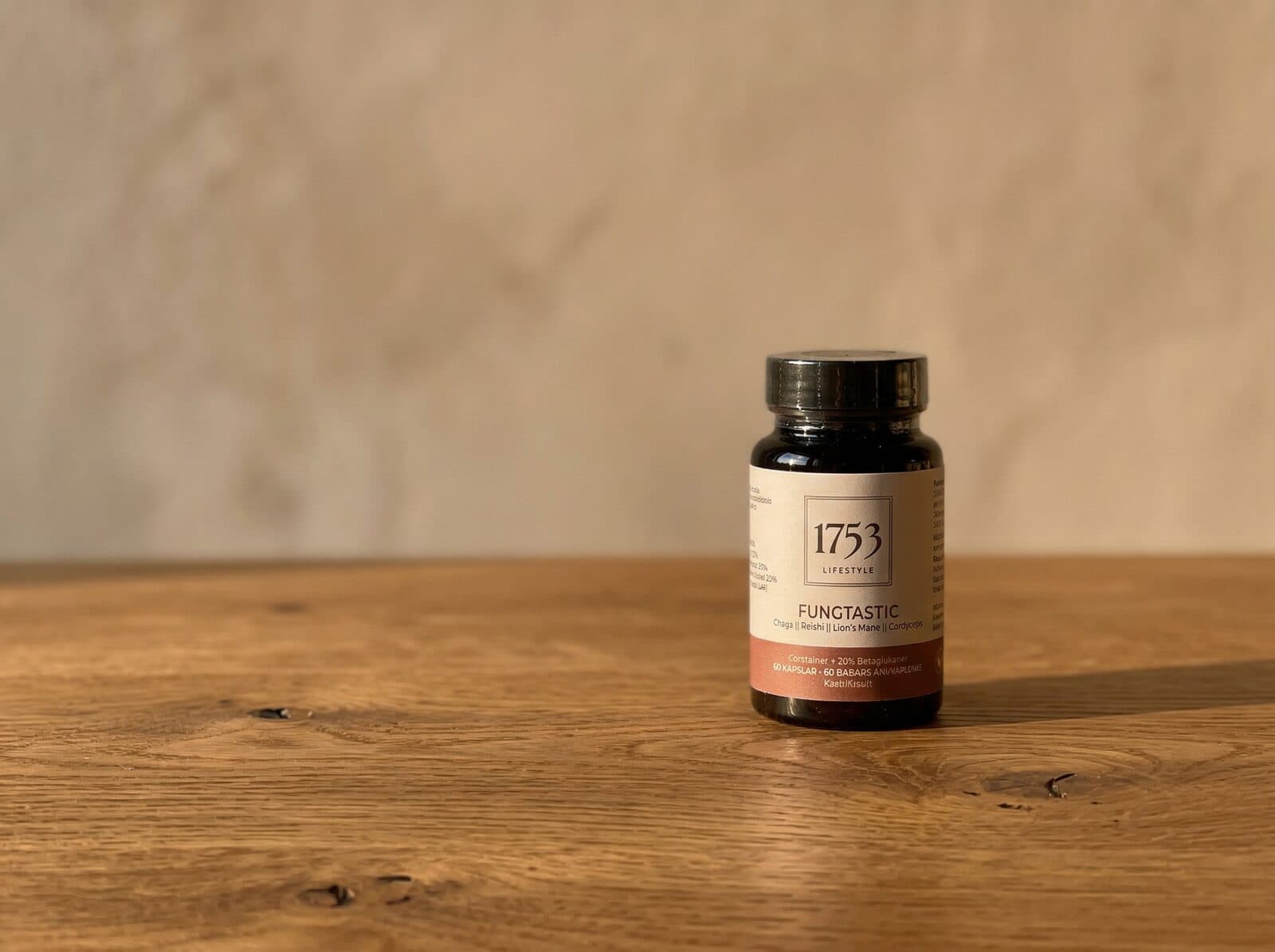
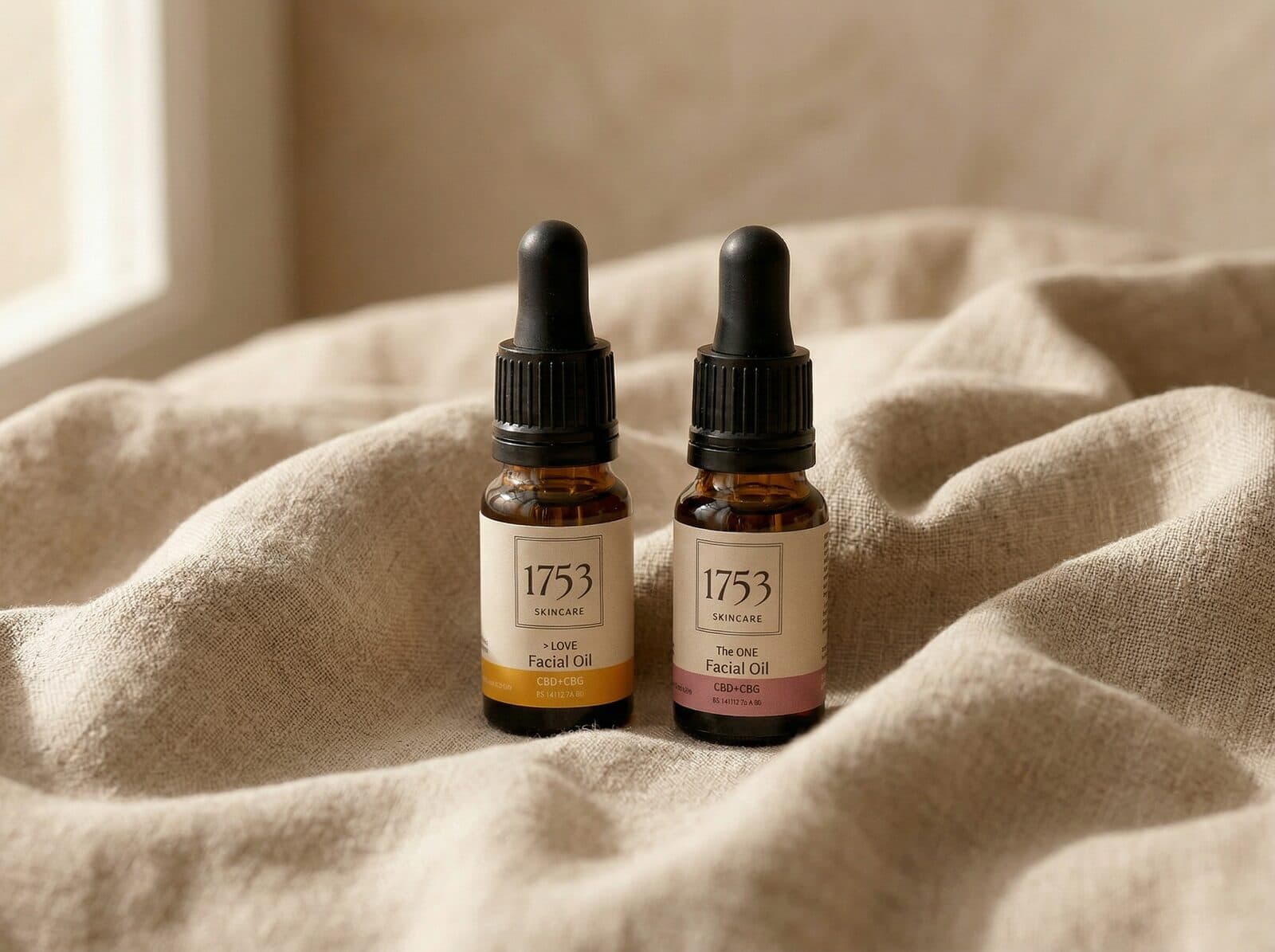
That is where Fungtastic Mushroom Extract fits naturally as an oral support for the gut environment, with chaga, reishi, lion’s mane and cordyceps. It is not magic, just a way to give the body better conditions to handle load. For the skin, the DUO kit is the calm, logical choice: The ONE helps regulate and soften, while I LOVE soothes and supports when skin feels reactive.
When you combine gut support with a simpler skincare routine, you stop chasing symptoms and start building resilience. It is the boringly effective path, and often the one you can actually see in the mirror. For some, it also makes sense to add Au Naturel Makeup Remover if cleansing needs to become gentler, not stronger.


Frequently asked questions
Can the gut skin axis affect acne?
Yes, especially when the gut is out of balance and inflammation is easier to trigger. That does not mean acne is only a gut issue, but the gut can be a meaningful part of the picture.
What is the difference between dysbiosis and leaky gut?
Dysbiosis means an imbalanced gut microbiome. Leaky gut refers to a more permeable barrier, where compounds like LPS can cross more easily and trigger inflammation.
Do fermented foods always help?
Not always, but often as one part of a broader strategy. If you are sensitive, start slowly and see how your digestion responds. Tolerance beats trendiness.
How fast can skin respond to gut changes?
It varies, but usually not overnight. Some people see changes in a few weeks, others need longer. Both gut barrier and skin barrier respond best to consistent support.
Sources
- Byrd AL, Belkaid Y, Segre JA. The human skin microbiome. Nat Rev Microbiol 2018;16(3):143–155.
- Salem I, Ramser A, Isham N, Ghannoum MA. The Gut Microbiome as a Major Regulator of the Gut-Skin Axis. Front Microbiol 2018;9:1459.
- Lin TK, Zhong L, Santiago JL. Anti-Inflammatory and Skin Barrier Repair Effects of Topical Application of Some Plant Oils. Int J Mol Sci 2017;19(1):70.
Article reviewed by Christopher Genberg, founder of 1753 SKINCARE.
Related articles
Skin Barrier
Skin microbiome – why balance changes everything
Your skin is not sterile. It’s an ecosystem where trillions of microbes help keep the barrier strong...
Skin Balance
Skin inflammation – why it keeps coming back
It’s rarely just one bad product. More often, skin inflammation is the quiet force underneath it all...
Condition
Hormonal acne – why it keeps coming back
Deep breakouts around the chin, jaw and lower face are rarely just “bad skin.” More often, they’re a...
Skin Streaming
Minimalist 5 step routine – why less can do more
Skincare has become too much of everything: too many steps, too much exfoliation, too much cleansing...
Ingredient Portrait
Probiotics skin – when the microbiome is left alone
Skincare has spent years treating skin like something to scrub, strip and control. But skin is an ec...
SYMPTOM
Itchy skin – why nights make it worse
You finally lie down, and then it starts. The itch that was manageable all day suddenly takes over y...