
Ingredient Portrait
Chaga mushroom skin – the taiga’s quiet shield
Chaga is not another glossy wellness gimmick. It’s a survival mushroom from the cold taiga, packed with polyphenols, melanin-like pigments and antioxidant enzymes that make it interesting for skin under stress. If your routine has been a bit too harsh, this is the kind of ingredient worth paying attention to.
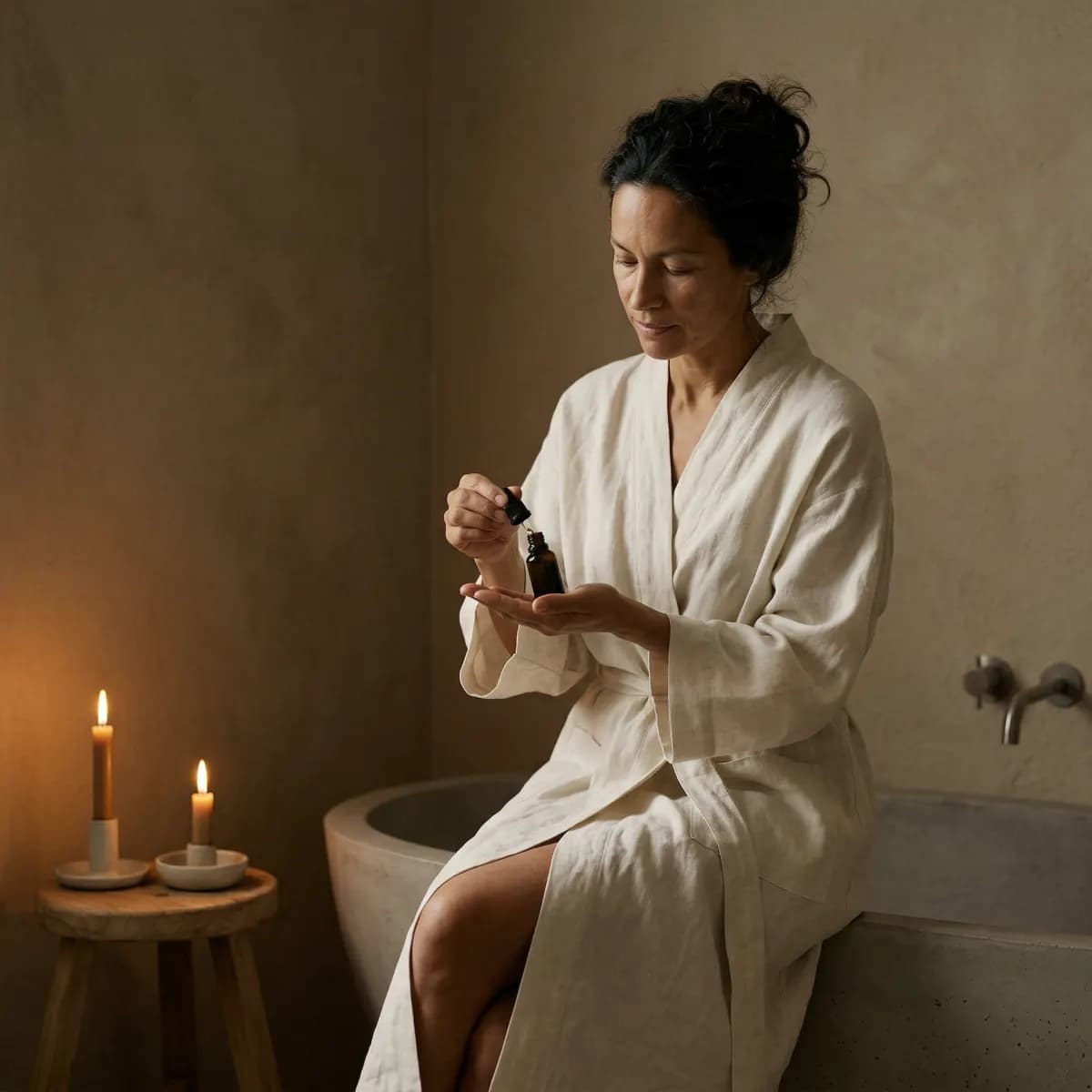
Why do we keep treating skin like it needs to be attacked?
The beauty industry loves aggressive fixes: stronger acids, harsher cleansers, more exfoliation, more “resurfacing.” But skin is not a dirty surface to be scrubbed into obedience. It’s a living barrier that depends on balance, protection and a working defense system.
Chaga, Inonotus obliquus, grows on birch trees in cold forests and has adapted to extreme oxidative stress. That matters because its polyphenols, beta-glucans and antioxidant compounds may help reduce free-radical burden and support the skin environment. Superoxide dismutase, or SOD, is especially interesting because it’s one of the body’s own antioxidant defense enzymes.
This is a very different approach from throwing another active at irritated skin and hoping for “glow.” Chaga is about reducing the noise that can leave skin red, dull and easily triggered. Sometimes the most effective move is not more force, but better support.
How to use chaga well
Use it consistently
Chaga makes more sense as a steady habit than a dramatic one-off. Stick to the product directions and give it a few weeks before judging whether your skin feels more settled.
Go oral for system support
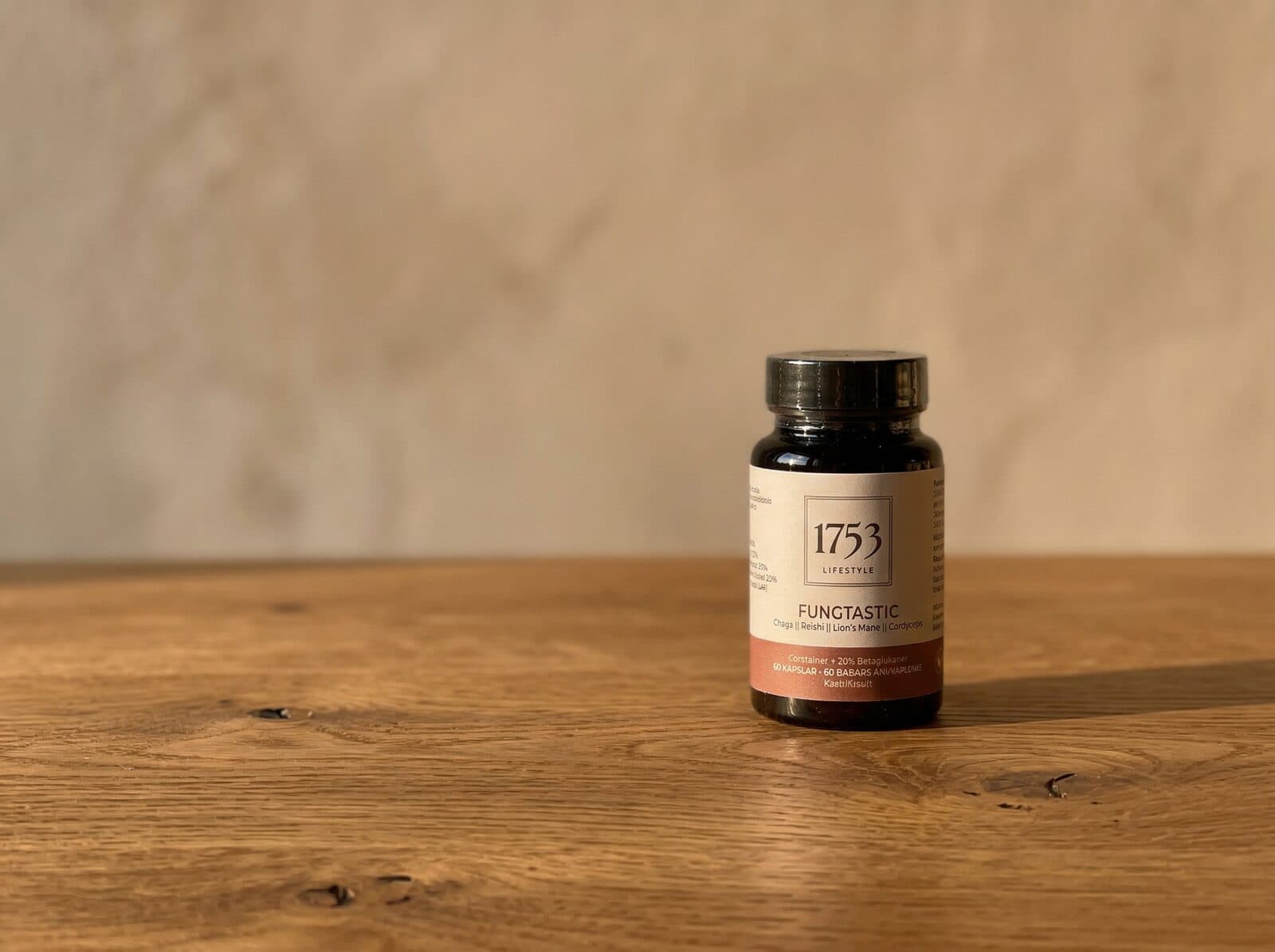
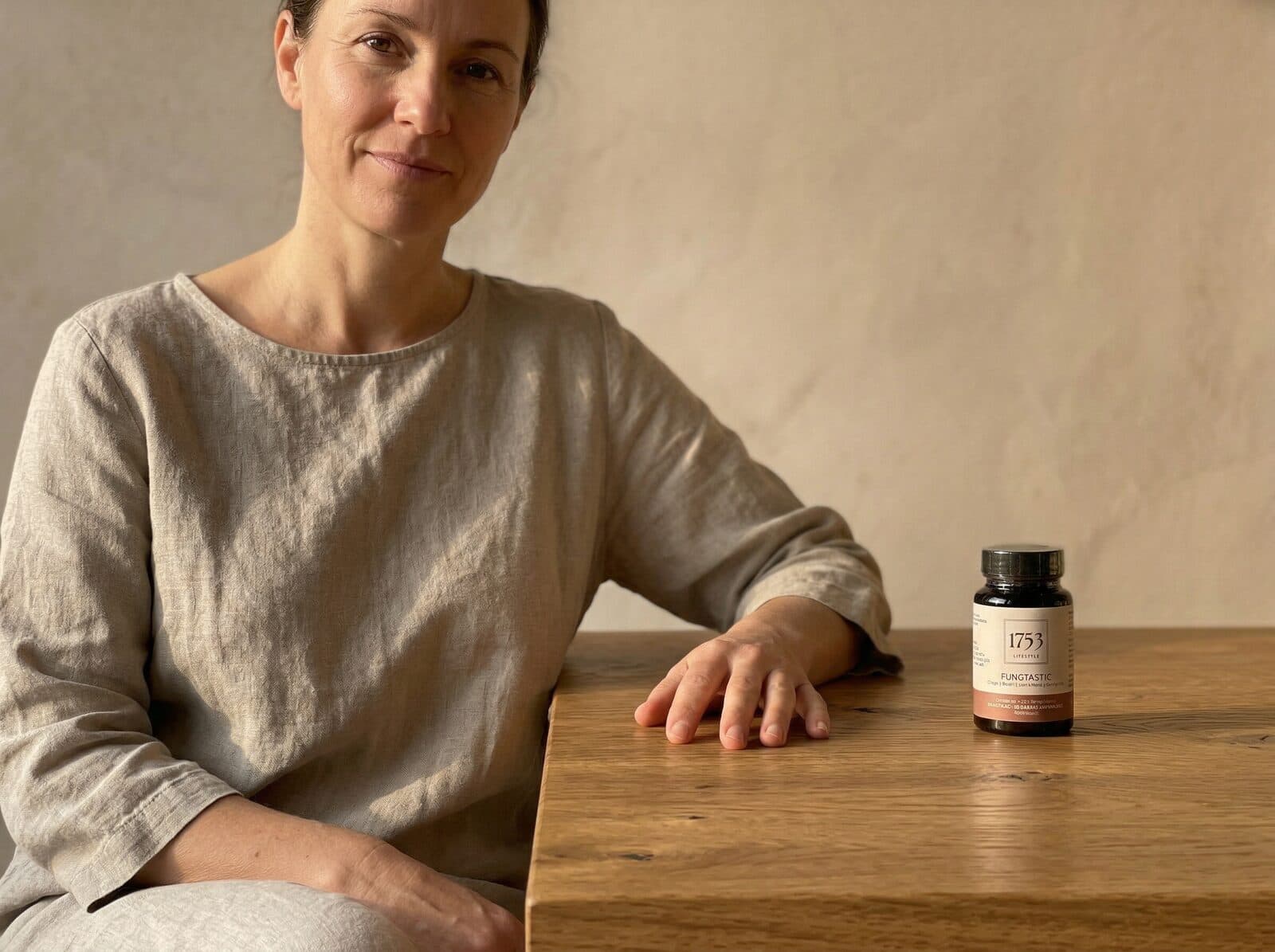
If you want chaga to support skin from within, an oral blend like Fungtastic Mushroom Extract is the obvious place to start. Many people use it daily for a simple, consistent antioxidant rhythm.
Stop over-stripping
If your skin is already reactive, cut back on harsh cleansers and frequent exfoliation. Chaga works best when the barrier isn’t constantly being pushed into repair mode.
Pair with calming routines
Think barrier support, gentle hydration and fewer unnecessary actives. Chaga is not a license to pile on more products; it’s a reminder to simplify.
Watch the bigger picture
Skin stress is rarely just one thing. Sleep, diet, sunlight and routine all matter, so use chaga as part of a broader approach rather than a standalone promise.

What actually helps
If you want chaga mushroom skin support to be more than a nice story, use it where it fits best: as internal support alongside a routine that doesn’t keep provoking the skin. Fungtastic Mushroom Extract brings chaga together with reishi, lion’s mane and cordyceps in an oral format, which is a sensible way to tap into the mushroom’s antioxidant profile and beta-glucan content.
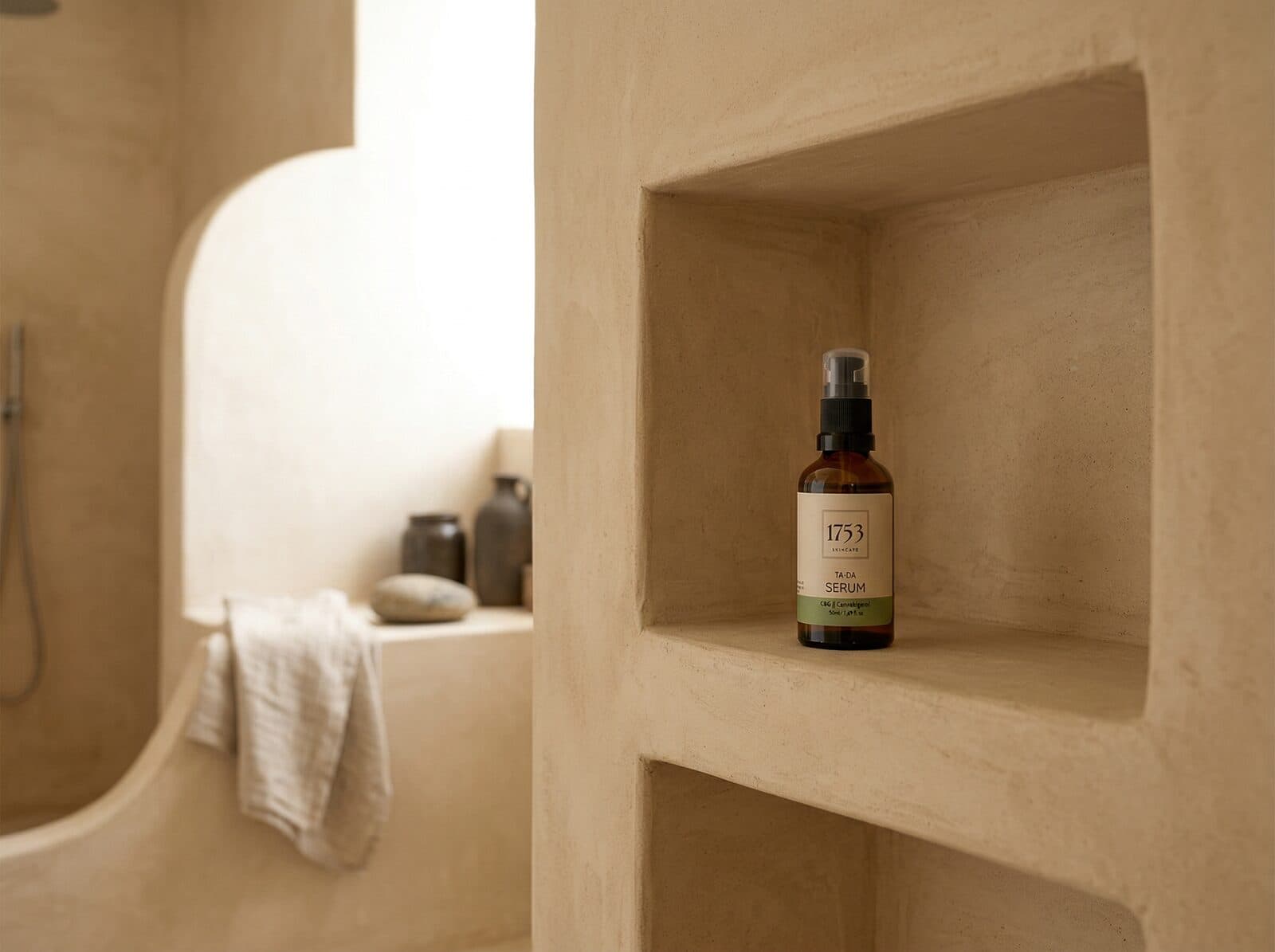
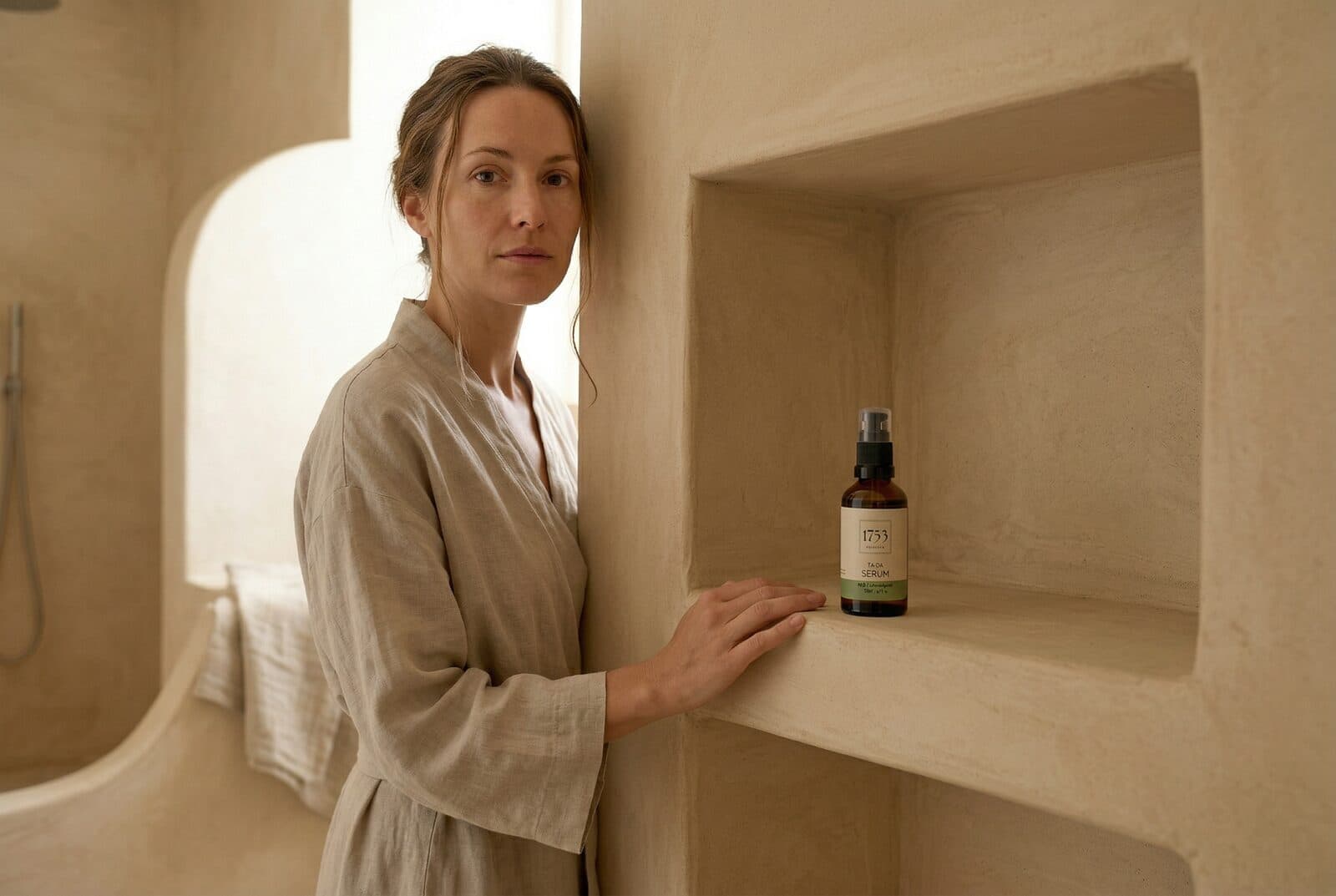
For the skin itself, Ta-DA serum translates the same calm-under-pressure idea topically with CBG and adaptogens. It’s for skin that needs less drama, not more stimulation. That’s a cleaner strategy than chasing “results” with endless acids and overcorrection.
And when it’s time to remove makeup or SPF, Au Naturel Makeup Remover keeps things gentle with MCT oil. It clears the day without stripping the barrier, which matters more than most people want to admit. Support the body, calm the skin, and stop confusing irritation with effectiveness.
Frequently asked questions
What is chaga, exactly?
Chaga is a black, hard fungus that grows mainly on birch trees in cold regions. It’s known for polyphenols, beta-glucans and antioxidant compounds that make it interesting for skin support.
How does chaga relate to skin?
Its antioxidant profile may help reduce oxidative stress, which is one piece of the puzzle behind redness, dullness and sensitivity. It’s not a quick fix, but it can be a useful part of a calmer routine.
Should I use chaga topically or orally?
Oral use is the most direct way to use chaga itself, which is why Fungtastic makes sense. Topically, the same calming philosophy can be carried by Ta-DA serum.
How often should I take it?
Follow the label instructions and use it consistently rather than sporadically. Most people get more from a daily habit over time than from occasional use.
Sources
- Oláh A, Tóth BI, Borbíró I, et al. Cannabidiol exerts sebostatic and antiinflammatory effects on human sebocytes. J Clin Invest 2014;124(9):3713–3724.
- Lin TK, Zhong L, Santiago JL. Anti-Inflammatory and Skin Barrier Repair Effects of Topical Application of Some Plant Oils. Int J Mol Sci 2017;19(1):70.
- Tóth KF, Ádám D, Bíró T, Oláh A. Cannabinoid signaling in the skin: therapeutic potential of the c(ut)annabinoid system. Molecules 2019;24(5):918.
Article reviewed by Christopher Genberg, founder of 1753 SKINCARE.
Related articles
Ingredient Portrait
Reishi for skin – the mushroom that calms the noise
Reishi earned its “mushroom of immortality” nickname for a reason: it matters more for skin than a l...
Ingredient Portrait
Collagen truth – can you eat or wear firmer skin?
Collagen is sold as a shortcut to bounce and firmness. But skin is not a sponge that soaks up promis...
Ingredient Portrait
cbd for skin – less noise, more balance
CBD for skin is interesting because it doesn’t try to bully the skin into behaving. It works with th...
Skin Streaming
Minimalist 5 step routine – why less can do more
Skincare has become too much of everything: too many steps, too much exfoliation, too much cleansing...
CBD Skincare
CBD for wrinkles – age with your skin, not against it
We'll never promise wrinkles will disappear. But we can help your skin age on its own terms. CBD pro...
CBD Skincare
CBD for dark circles – truly wake up
Dark circles are rarely just about sleep. It's about thin skin, poor circulation, and inflammation. ...