
CBD Skincare
CBD for pigmentation – your skin in balance
Pigmentation is about melanocytes that have lost their rhythm. Conventional treatments bleach from the outside – CBD works with the skin's own system to restore balance from within.
What causes pigmentation?
Dark spots, or hyperpigmentation, occur when melanocytes – the cells producing the skin pigment melanin – become overactive in certain areas. The result is darker patches that break up an even skin tone. It can affect all skin types but is most visible on lighter skin.
The most common causes are UV exposure (sun spots), hormonal changes (melasma, common during pregnancy or with contraceptive pills), post-inflammatory hyperpigmentation after injuries or acne, and aging. Common to all forms is that inflammatory processes trigger melanocytes to overproduce.
Conventional treatments include hydroquinone, chemical peels, and laser treatments. These can be effective but often come with side effects – irritation, dryness, and sometimes rebound hyperpigmentation. Many seek milder alternatives that work with the skin's biology rather than against it.
Tips for pigmentation
Sunscreen is everything
UV exposure is the primary cause of pigmentation and worsens all existing spots. Use broad-spectrum SPF 30+ daily. Without sunscreen, all other measures are wasted.
Don't pick at your skin
Post-inflammatory hyperpigmentation occurs when damaged skin heals with extra melanin. Let blemishes and wounds heal undisturbed – every time you pick, you risk a new spot.
Exfoliate gently
Regular but gentle exfoliation helps pigmented cells turn over faster. Avoid aggressive scrubs – chemical exfoliation with low-concentration AHA is gentler.
Eat vitamin C
Vitamin C is a natural melanin inhibitor. Citrus fruits, bell peppers, kiwi, and broccoli give your skin internal support that complements external treatment.
How CBD helps with pigmentation
CBD's role in pigmentation involves two mechanisms. First, CBD's anti-inflammatory action reduces the inflammatory trigger that causes melanocytes to overproduce. Less inflammation means fewer new spots and slower darkening of existing ones.
Second, CBD supports skin cell renewal via the endocannabinoid system, helping pigmented cells turn over and be replaced by evenly pigmented new cells. It's a gradual process that delivers natural results without the irritation caused by stronger agents.
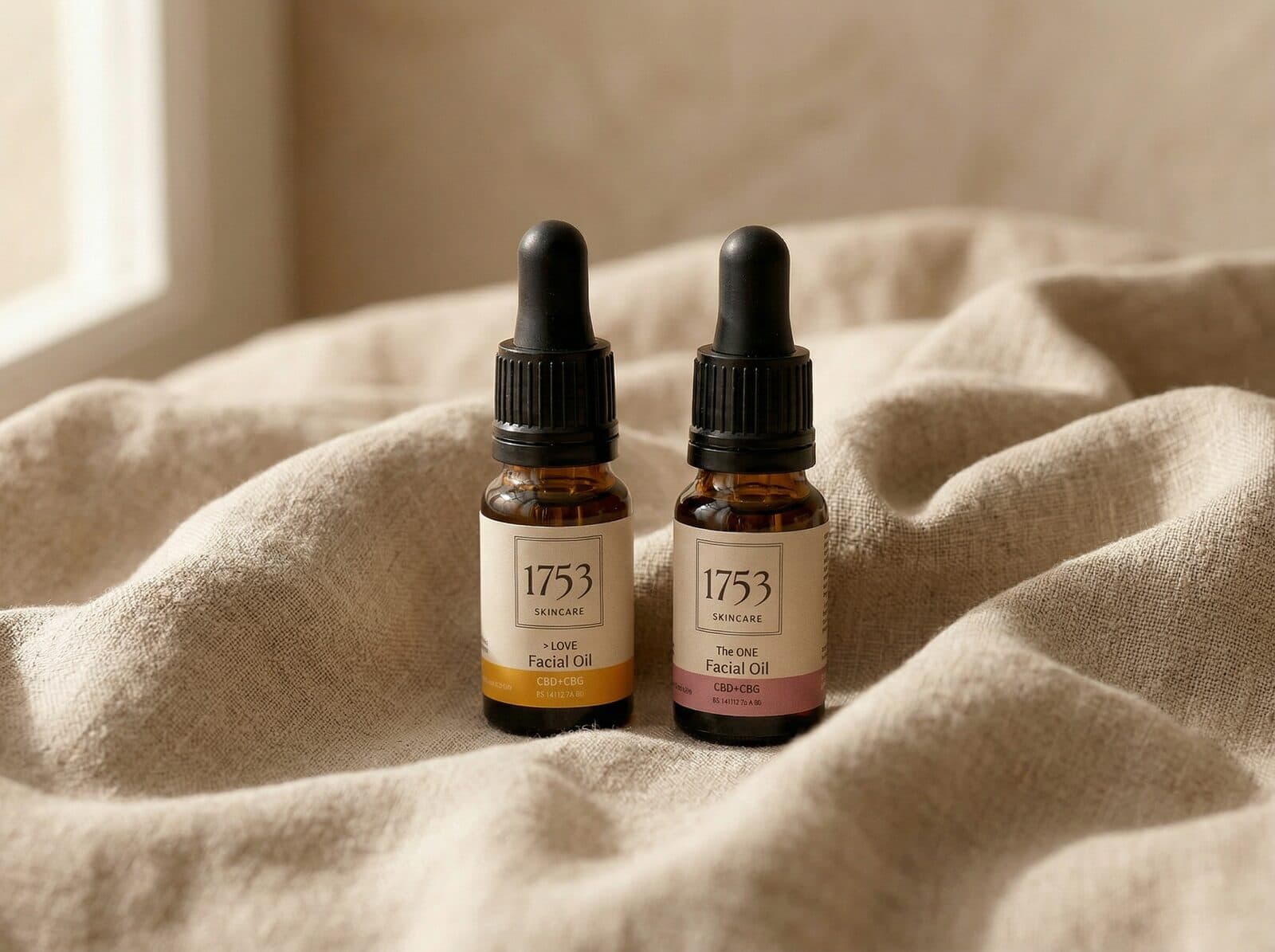
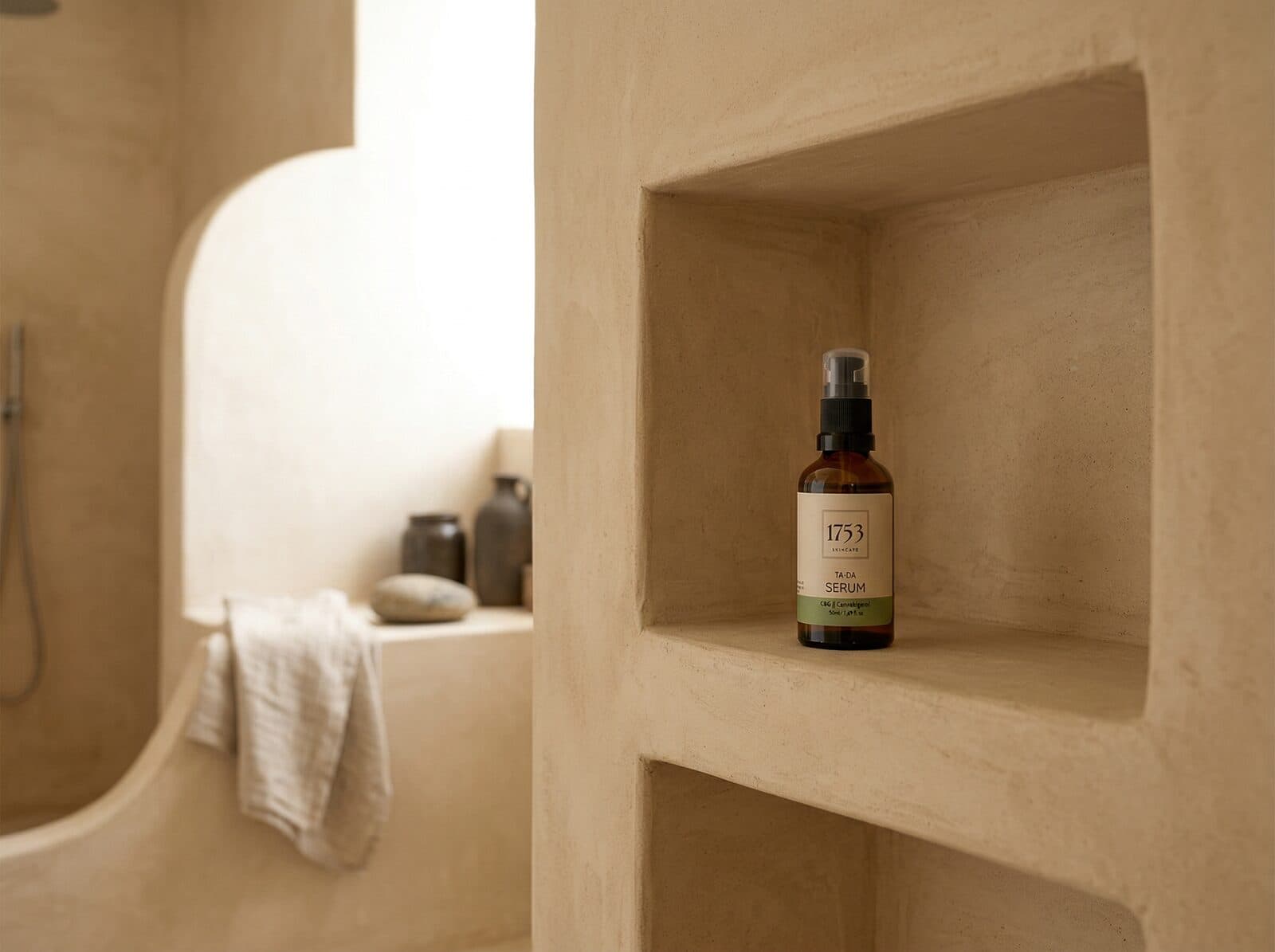
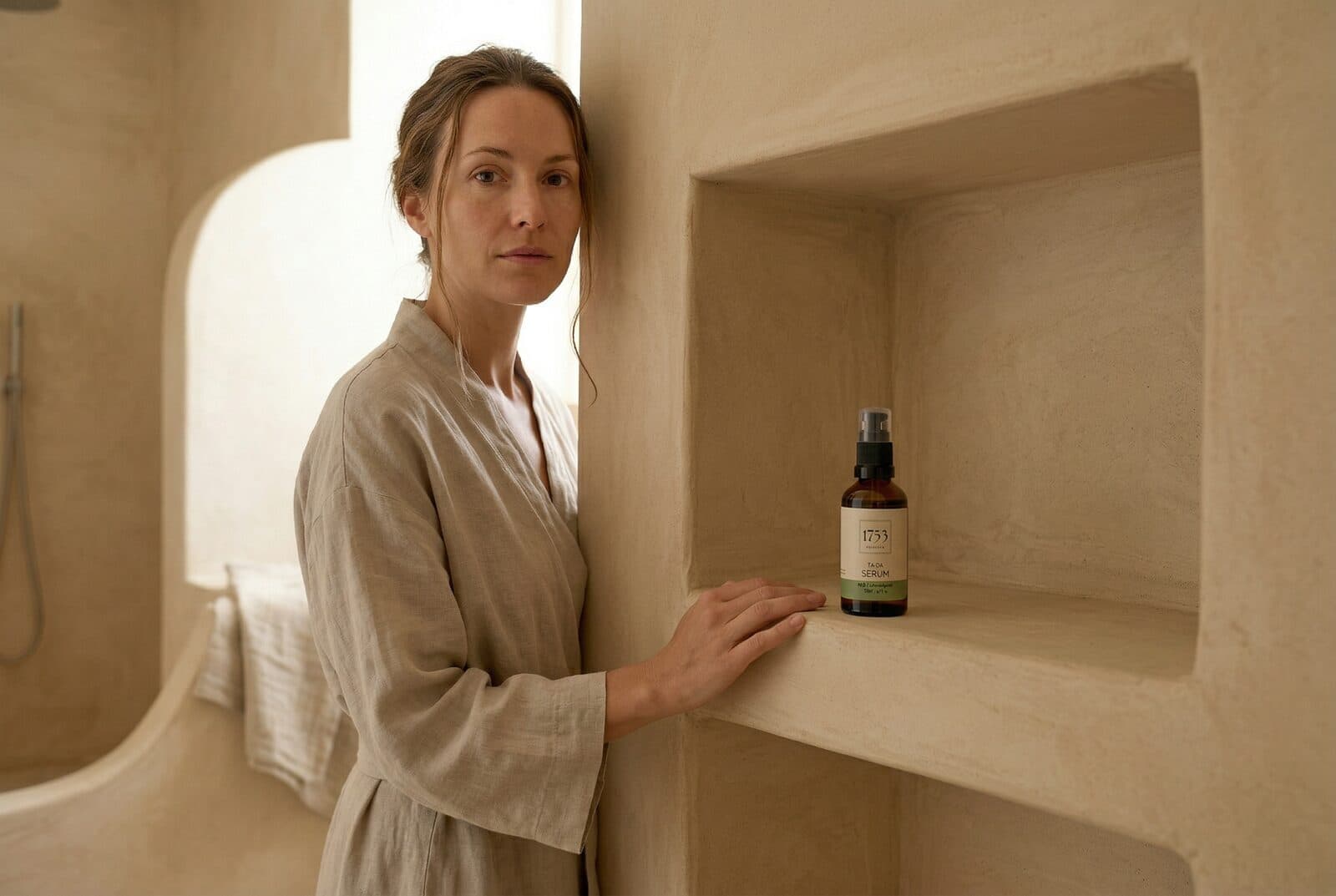
The DUO-kit with The ONE (10% CBD) and I LOVE (10% CBD + 5% CBG) provides the daily foundation. CBG in I LOVE adds extra anti-inflammatory support that helps break the inflammation cycle driving pigmentation. TA-DA Serum delivers a concentrated dose for areas needing extra attention.
Frequently asked questions
How quickly do spots fade with CBD?
Pigmentation is stubborn and requires patience. Expect 8–12 weeks for visible difference. CBD works with the skin's natural renewal cycle – it takes time but delivers lasting results without side effects.
Can CBD prevent new dark spots?
Yes, CBD's anti-inflammatory properties can reduce the risk of new spots forming after inflammation and injuries. Always combine with sunscreen for best preventive effect.
Does CBD work on all types of pigmentation?
CBD can help with most forms of hyperpigmentation. Hormonally driven melasma can be more resistant and often requires a broader approach. However, CBD is an excellent complement regardless of type.
Sources
- Bíró T, Tóth BI, Haskó G, Paus R, Pacher P. The endocannabinoid system of the skin in health and disease. Trends Pharmacol Sci 2009;30(8):411–420.
- Oláh A, Tóth BI, Borbíró I, et al. Cannabidiol exerts sebostatic and antiinflammatory effects on human sebocytes. J Clin Invest 2014;124(9):3713–3724.
- Tóth KF, Ádám D, Bíró T, Oláh A. Cannabinoid signaling in the skin: therapeutic potential of the c(ut)annabinoid system. Molecules 2019;24(5):918.
Article reviewed by Christopher Genberg, founder of 1753 SKINCARE.
Related articles
CBD Skincare
CBD for rosacea – for skin that reacts to everything
Rosacea is frustrating. Your skin flushes, stings, and reacts to things that should be harmless. CBD...
CBD Skincare
CBD for sensitive skin – less is more, right is everything
Sensitive skin has become an epidemic – and the skincare industry bears much of the blame. More prod...
CBD Skincare
CBD for redness – for calmer, more even skin
Redness is your skin's way of saying something's off. Instead of masking the signal, we can help the...
Comparison
AI skin analysis online vs a dermatologist – which should you choose?
Both help you understand your skin, but in different ways. An AI skin analysis is fast, free and obj...
Ingredient Portrait
cbd for skin – less noise, more balance
CBD for skin is interesting because it doesn’t try to bully the skin into behaving. It works with th...
Ingredient Portrait
cbg for skin – the mother cannabinoid that calms and renews
CBG usually lives in CBD’s shadow, but skin can tell the difference. This is the cannabinoid that ma...