
Comparison
aha vs bha – acid that works with skin, not against it
AHA and BHA are often sold as two totally separate camps, but the real difference is how they behave in oil and water. Once you understand that, choosing gets much easier: pigment, dryness, clogged pores, or acne. And no, more acid does not mean better skin.

Aha vs bha – what are you actually trying to fix?
AHA, like glycolic acid, is hydrophilic. It works mainly at the skin’s surface, where it can help loosen the bonds between dead skin cells and improve texture and uneven pigmentation. BHA, especially salicylic acid, is lipophilic. It likes sebum, which means it can travel deeper into pores and is often a better match for blackheads, shine, and acne.
This is not just a “stronger versus gentler” story. Research and clinical use both point to the same idea: the right acid for the right job usually gives better results with less unnecessary irritation. Glycolic acid is often chosen when the goal is brightness and pigment support, while salicylic acid is often picked when the skin feels congested or inflamed. Both can still irritate a barrier that is already stressed.
That is where mainstream skincare dogma gets messy: scrub more, exfoliate more, add more actives, then act surprised when the skin rebels. Skin is rarely lazy; it is often overloaded. If you want to choose well, first ask whether you need surface work, pore work, or both.
How to choose without guessing
Choose glycolic for pigment
If your main issue is post-breakout marks, dullness, or uneven tone, AHA is often the more relevant tool. It works closer to the surface and can help the skin look more even without chasing the pores.
Choose salicylic for acne
If you deal with congestion, blackheads, or an oily T-zone, BHA is usually the more logical pick. It is lipophilic, so it can follow sebum into the pore where the problem actually starts.
Start lower than you think
More concentration is not always smarter. A lower, consistent dose often beats going too hard too soon and then wrecking your tolerance.
Do not stack everything
AHA and BHA can live in the same routine, but not necessarily the same night. If your skin is already reactive, pick one path and let your skin tell you how it feels.
Protect the barrier
Acids work best on skin that is not already under siege. A simple, calming routine around exfoliation often matters more than adding yet another active.

How to actually solve it
The smart choice starts with mechanism, not hype. If you want to work on pigment, dullness, and texture, AHA is often the better direction. If your real issue is acne, oil, and clogged pores, BHA is the sharper tool. It is not a lifestyle statement, just chemistry.
For many skin types, the best answer is not picking a forever side, but keeping the routine simple and steady. The ONE fits when the skin needs regulation and less friction in daily life, while I LOVE makes sense as a calming step when skin feels angry, shiny, or easily irritated. If you want a more complete complement, the DUO kit is a rare, sensible combo of CBD and CBG that does not try to outshout your acids, only balance them.
And if you are exfoliating, do it with intent. AHA for tone and texture. BHA for pores and acne. The rest is about not overdoing it. Skin usually needs less drama, not more promises.
Products we recommend
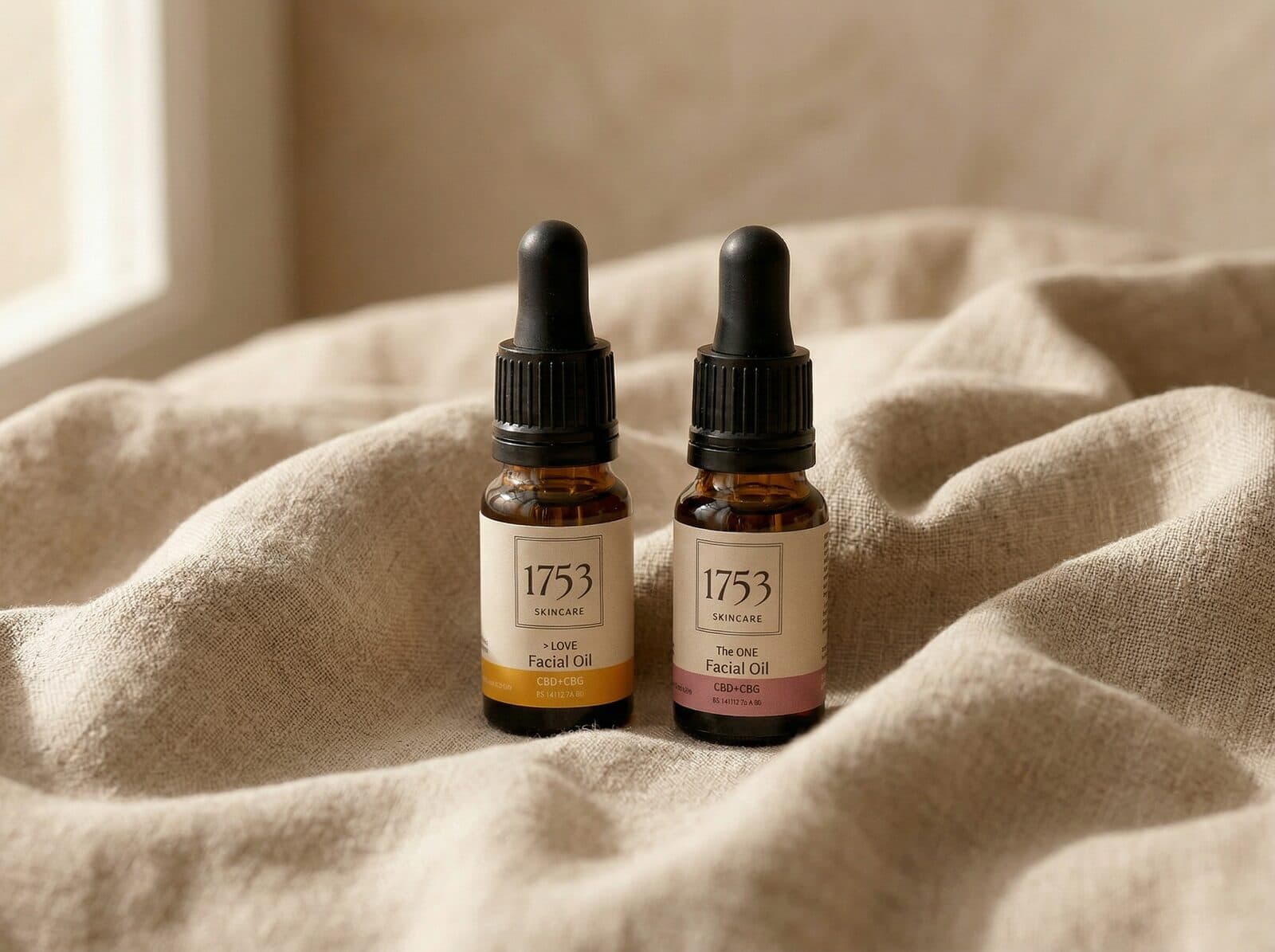
 Save €34
DUO kit
Two face oils, one for morning and one for evening. Simple skincare that works with your skin, not against it.
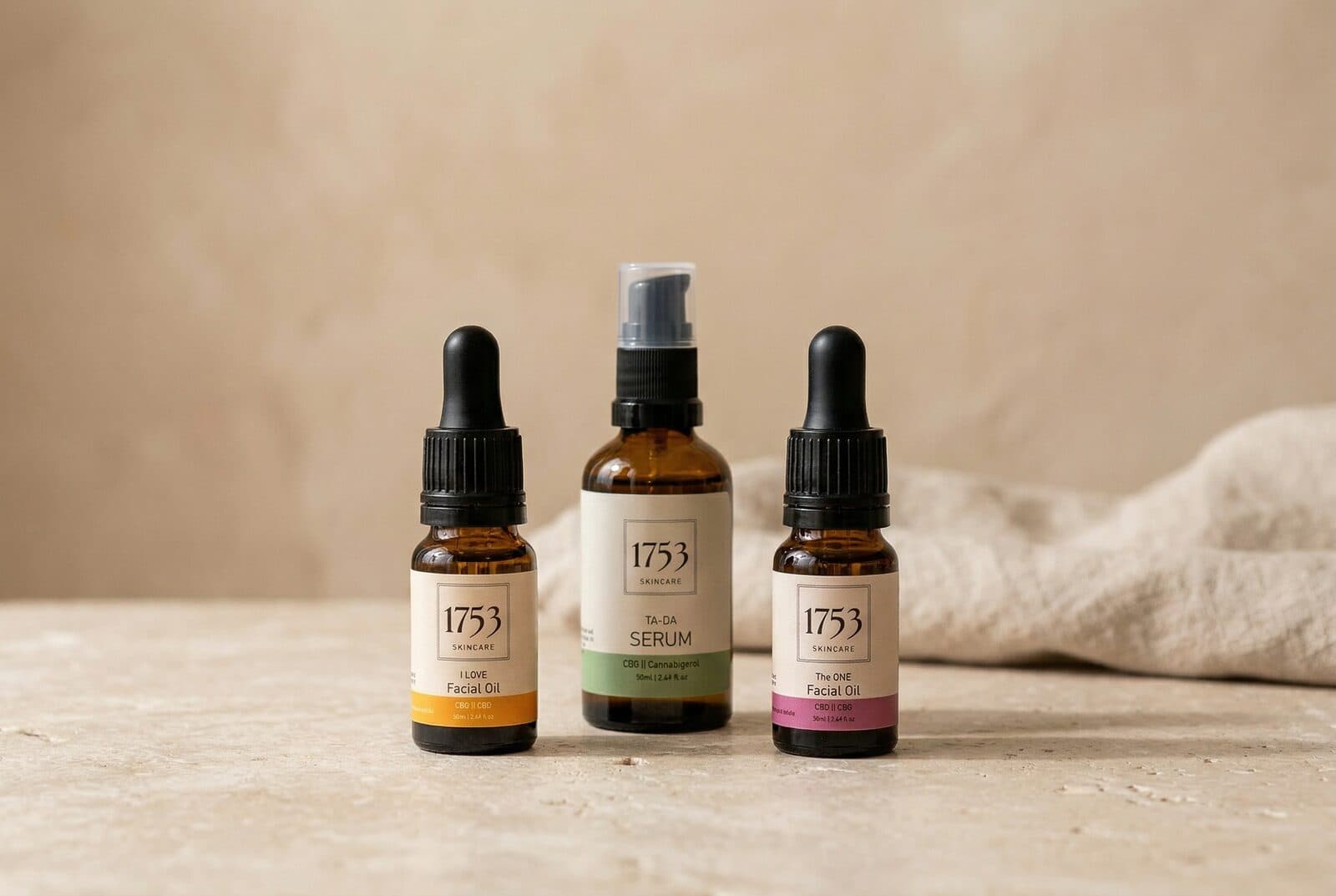
 Save €60
DUO kit + TA-DA Serum
The full routine in one: three products that help skin become calmer, stronger and more resilient.
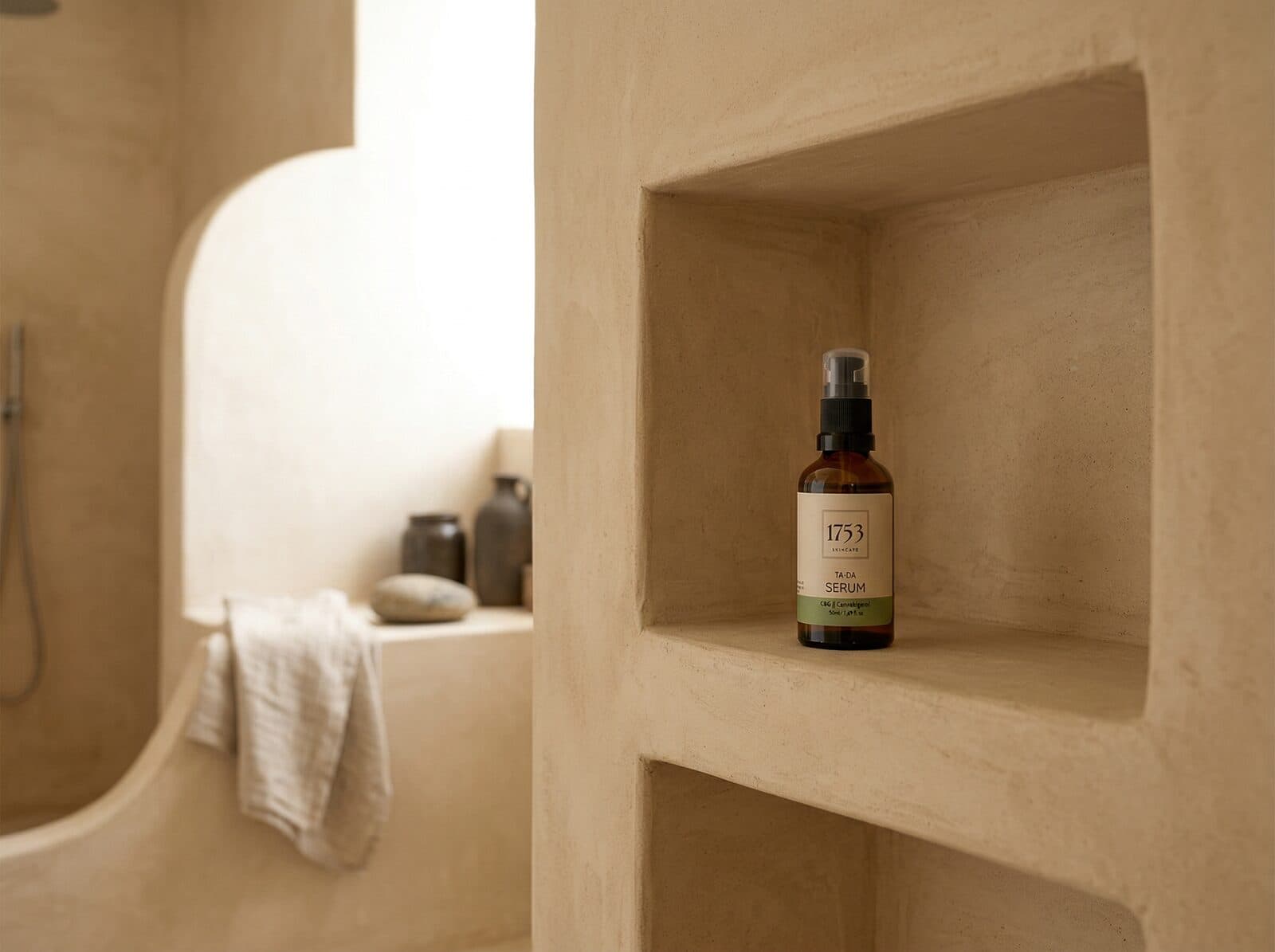
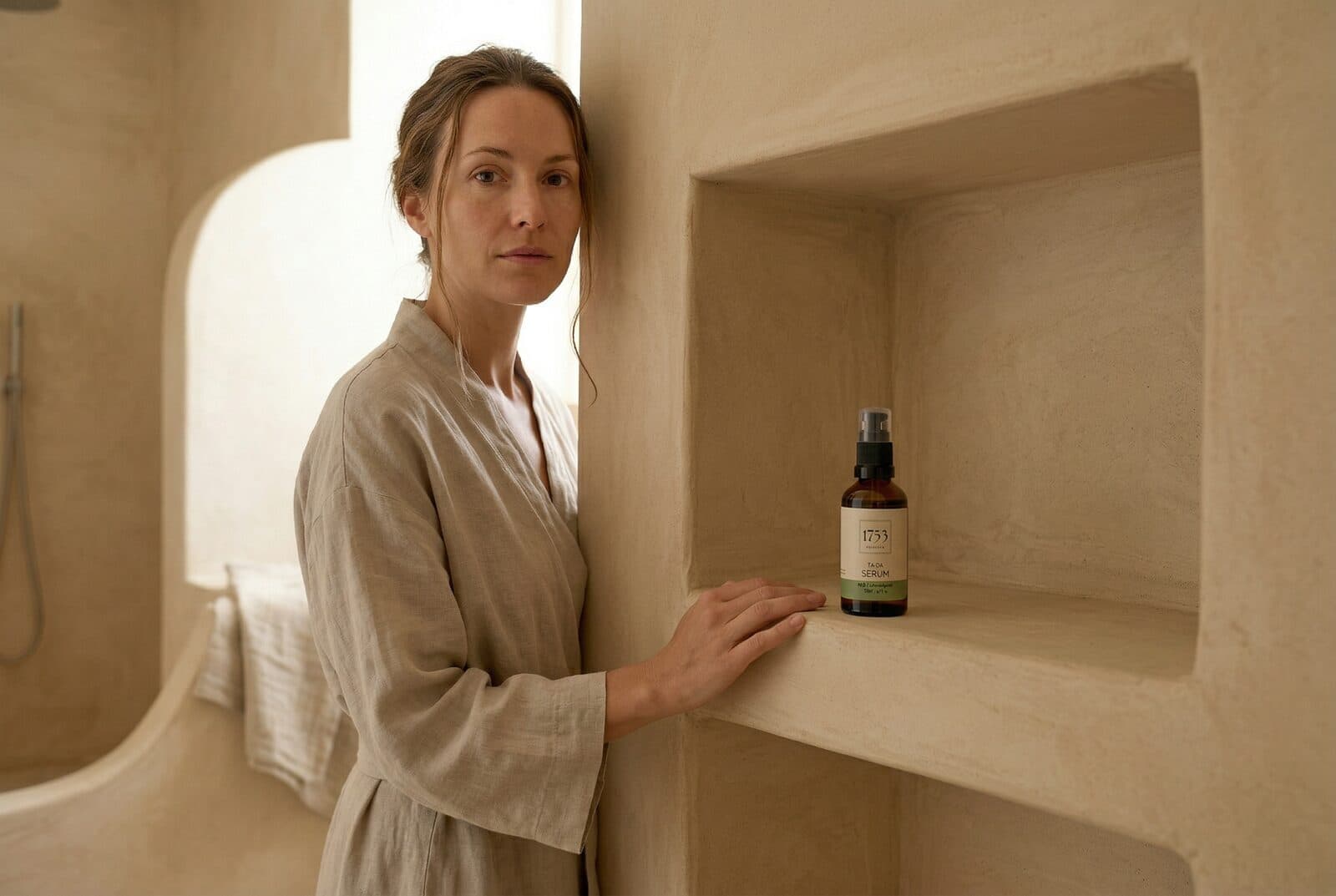
TA-DA Serum
A CBG-powered serum that seals in moisture and adds glow, whatever the season.
Frequently asked questions
Can I use aha and bha together?
Yes, but tolerance and purpose matter. Many people do better alternating them or using them on different days, especially if the skin gets tight or red easily.
Is glycolic acid better than salicylic acid?
Not overall. Glycolic acid is often better for pigment and surface texture, while salicylic acid is usually better for acne, blackheads, and oilier skin.
What works best for sensitive skin?
Sensitive skin usually tolerates less and reacts faster to over-exfoliation. It is wiser to choose one acid with a clear goal, use it less often, and support the barrier around it.
Do I even need acids if my skin is fine?
Not necessarily. If your skin is already calm and even, acid can be a tool, not a foundation. Sometimes the best routine is the one that does less.
Sources
- Oláh A, Tóth BI, Borbíró I, et al. Cannabidiol exerts sebostatic and antiinflammatory effects on human sebocytes. J Clin Invest 2014;124(9):3713–3724.
- Tóth KF, Ádám D, Bíró T, Oláh A. Cannabinoid signaling in the skin: therapeutic potential of the c(ut)annabinoid system. Molecules 2019;24(5):918.
Article reviewed by Christopher Genberg, founder of 1753 SKINCARE.
Related articles
COMPARISON
cbd vs retinol – same conversation, different jobs
CBD and retinol are often grouped together, but they do not behave the same way. Retinol pushes cell...
Comparison
cbd vs hyaluronic acid – hydration or calm?
This is not a fight between two good ingredients. Hyaluronic acid draws water in. CBD works more aro...
COMPARISON
cbd vs niacinamide – two ways to less shine
If your skin is oily but also easily irritated, it is easy to get stuck between two classics: cbd vs...
Ingredient Portrait
cbd for skin – less noise, more balance
CBD for skin is interesting because it doesn’t try to bully the skin into behaving. It works with th...
Ingredient Portrait
cbg for skin – the mother cannabinoid that calms and renews
CBG usually lives in CBD’s shadow, but skin can tell the difference. This is the cannabinoid that ma...
Ingredient Portrait
Shea butter skin – rich, warm, not for everyone
Shea butter is one of skincare’s most loved butters, and one of the most misunderstood. It comes fro...