
Ingredient Portrait
aha bha risks – when smooth skin becomes a bad deal
AHA, BHA and PHA can brighten skin fast, but they can also fool you. What looks like progress is sometimes just the top layer being stripped away. Here’s what these acids actually do, when they help, and when they start doing more damage than good.

Where does glow end and barrier damage begin?
AHA acids like glycolic acid and lactic acid loosen the bonds between dead skin cells in the stratum corneum, so the surface feels smoother and looks brighter. BHA, usually salicylic acid, is oil-soluble and can move into pores where sebum and keratin build up. PHA is marketed as gentler, but it is still an acid that lowers pH and affects the skin’s outer defense.
The issue is not that acids work. The issue is that they’re often used as if skin were a dirty pan that needs scrubbing clean. Too much exfoliation can disrupt the barrier, increase transepidermal water loss, and trigger irritation, redness, and that tight, shiny look people mistake for “results”. That is superficial pseudo-improvement: the skin looks polished, but it is actually more exposed.
Dermatology reviews consistently show that overuse of exfoliating acids can create more inflammation than benefit. And when skin is already stressed by cold weather, retinoids, cleansing, or stacked actives, the margin gets even smaller. So the real question is not whether acids can help. It’s whether your skin needs more force, or less interference.
How to use acids without overdoing it
Start lower than expected
Use AHA or BHA no more than 1–2 nights a week if you’re new or sensitive. More is not better; skin needs time to restore pH and barrier function between exfoliating sessions.
Pick one acid for one job
Glycolic acid is mainly for surface texture and brightness, lactic acid is gentler, and BHA is better for clogged pores. Don’t stack them just because it sounds more effective.
Pause at tightness
If water stings, your skin feels shiny but sore, or you start flaking in a weird way, that’s a sign of barrier stress. Back off immediately instead of adding more acid.
Let hydration do more
PHA is often sold as the mild option, but even gentle exfoliation needs support. Pair it with moisture and lipids instead of chasing cleanliness through extra active steps.
Zoom out
Skin that gets lots of sun, lots of cleansing, or lots of stress usually does not need more exfoliation. Fix the habits first, not just the product.

How to actually fix it without over-exfoliating
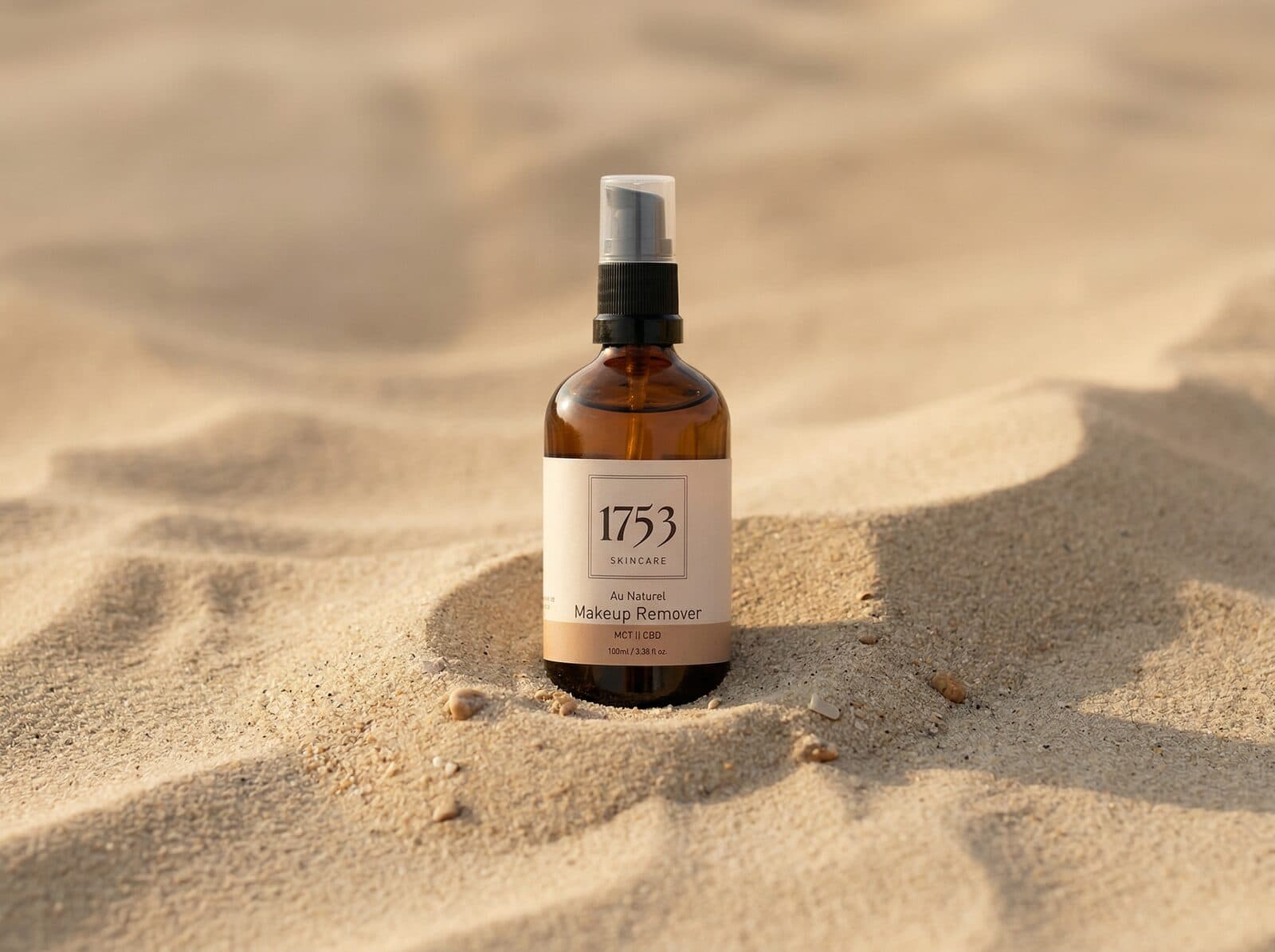
If smoother skin is the goal, acids are not always the answer. Sometimes skin just needs to keep renewing on its own without being sanded down every week. That is where Au Naturel Makeup Remover and the DUO kit make sense: gentle cleansing with MCT oil and skin-regulating CBD/CBG that support the skin without stressing it with acids.
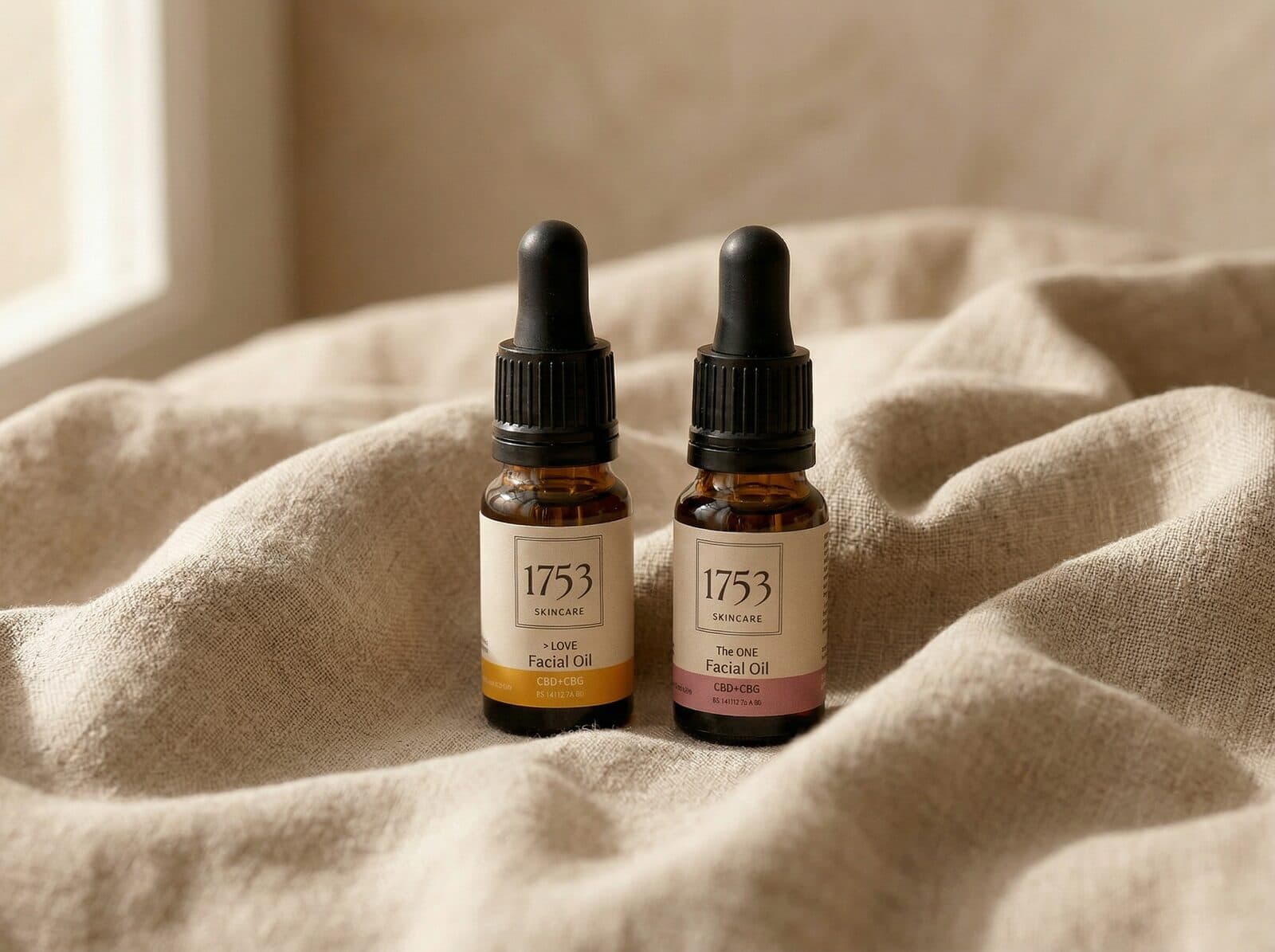
The ONE helps skin stay balanced when it gets reactive easily, while I LOVE is a smart choice when you want to calm and support skin that turns red or tight after too much exfoliation. Together, the DUO kit gives you a cannabinoid spectrum for people who want results without chasing that fake freshly-scrubbed acid feeling.
If you want more radiance and recovery than stripping, use Au Naturel as your first evening step, then follow with The ONE or I LOVE depending on how your skin feels. If you still use AHA, BHA or PHA, keep it to 1–2 active nights per week and let the rest of the routine stay calm. Skin usually looks better longer when it is not constantly being provoked.
Frequently asked questions
Are AHA and BHA always bad?
No. Glycolic acid, lactic acid and salicylic acid can be useful when used correctly and in the right amount. Problems usually start when the skin gets too little recovery time between uses.
How do I know if I’m over-exfoliating?
Common signs are stinging, tightness, sudden redness, thin shiny skin, and increased sensitivity to everything. If you keep adding more actives to calm the reaction, you’re often already too far in.
Is PHA safer than AHA?
PHA is often gentler because the molecules are larger and penetrate more slowly, but that doesn’t make it risk-free. Even mild exfoliation can become too much if skin is already stressed.
What can I use instead of acids?
For many people, a gentle cleanser and products that support the barrier and the skin’s own rhythm are enough. Au Naturel and the DUO kit are solid choices if you want less exfoliation pressure without losing the feel of smoother skin.
Sources
- Oláh A, Tóth BI, Borbíró I, et al. Cannabidiol exerts sebostatic and antiinflammatory effects on human sebocytes. J Clin Invest 2014;124(9):3713–3724.
- Lin TK, Zhong L, Santiago JL. Anti-Inflammatory and Skin Barrier Repair Effects of Topical Application of Some Plant Oils. Int J Mol Sci 2017;19(1):70.
- Tóth KF, Ádám D, Bíró T, Oláh A. Cannabinoid signaling in the skin: therapeutic potential of the c(ut)annabinoid system. Molecules 2019;24(5):918.
Article reviewed by Christopher Genberg, founder of 1753 SKINCARE.
Related articles
Ingredient Portrait
mct oil skin – light, clean, surprisingly clever
MCT oil is not just another oil sitting on top of your face. It’s fractionated coconut oil built aro...
Ingredient Portrait
Vitamin e skin – the quiet shield
Vitamin E is one of skincare’s most misunderstood ingredients. It doesn’t act like a flashy quick fi...
Ingredient Portrait
cbd for skin – less noise, more balance
CBD for skin is interesting because it doesn’t try to bully the skin into behaving. It works with th...
Skin Streaming
Minimalist 5 step routine – why less can do more
Skincare has become too much of everything: too many steps, too much exfoliation, too much cleansing...
CBD Skincare
CBD for acne – stop fighting your skin
Acne isn't about being dirty. It's about inflammation, hormones, and skin that needs support – not p...
CBD Skincare
CBD for oily skin – balance instead of dehydration
Drying out oily skin only makes it oilier. Sounds backwards, but that's exactly what happens. CBD of...