
Ingredient Portrait
Zinc skin – the mineral your skin notices
Zinc is not glamorous, but skin does not care about trends. It cares about signals, inflammation and repair. Here is why zinc skin keeps showing up in acne, eczema and wound-healing conversations — and why dose, form and diet matter.

Why does zinc keep coming up for acne and eczema?
Zinc is a trace mineral needed for hundreds of enzyme processes, including the ones that shape immune response, cell growth and skin repair. That is why zinc skin is often discussed in relation to breakouts, slow healing and an oily, easily irritated barrier. Research also suggests zinc may influence 5-alpha-reductase, the enzyme involved in converting testosterone to DHT — one of several pieces in the acne puzzle.
When zinc status is low, skin can become more reactive and healing can slow down. That does not make zinc a magic fix, but it explains why the mineral keeps appearing in studies on inflammatory acne and barrier function. And no, you do not need harsher cleansers or more acids to “purge” your skin. Sometimes the issue is missing building blocks, not missing discipline.
Topically, you often see zinc oxide in barrier creams and sunscreens because it sits on the skin as a protective, calming layer. Orally, forms like zinc picolinate are often used when the goal is to support overall zinc status. Two tools, two jobs — and both tell you more about skin biology than any quick-fix hype.
How to use zinc wisely
Choose the right form
Zinc picolinate is a common supplement form because it is well absorbed. For skin, the point is not the highest milligram count, but a form you can tolerate and use consistently.
Take it with food
Zinc can upset the stomach on an empty stomach. Take it with breakfast or dinner, ideally with a meal that includes protein. Simple routines beat impulse buys every time.
Think in weeks
Skin turnover is slow. Give a zinc supplement at least 6–8 weeks before judging its effect on acne or healing. That is a lot more realistic than deciding after three days.
Read the label
In creams, zinc oxide matters most when you want calm, protection and less friction. It is not the same thing as exfoliating acids or actives that push skin harder.
Build from diet
Zinc is found in meat, shellfish, seeds and legumes. If you eat fairly clean but still struggle with your skin, supplementation can make more sense than adding yet another serum.

How to actually support your skin
If zinc skin is relevant for you, start with the basics: food, sleep and a routine that does not sabotage the barrier. Zinc is first and foremost a diet tip. That means you can build through meals, then consider a form like zinc picolinate if you know your intake tends to run low.
For topical support, Au Naturel Makeup Remover is the opposite of aggressive cleansing: MCT oil that lifts makeup and grime without stripping the skin further. If you are dry, sensitive or inflamed, it is often smarter to stop over-treating than to chase more “cleansing”. For local red, irritated patches, zinc oxide can be a calming protective layer — just keep it simple.
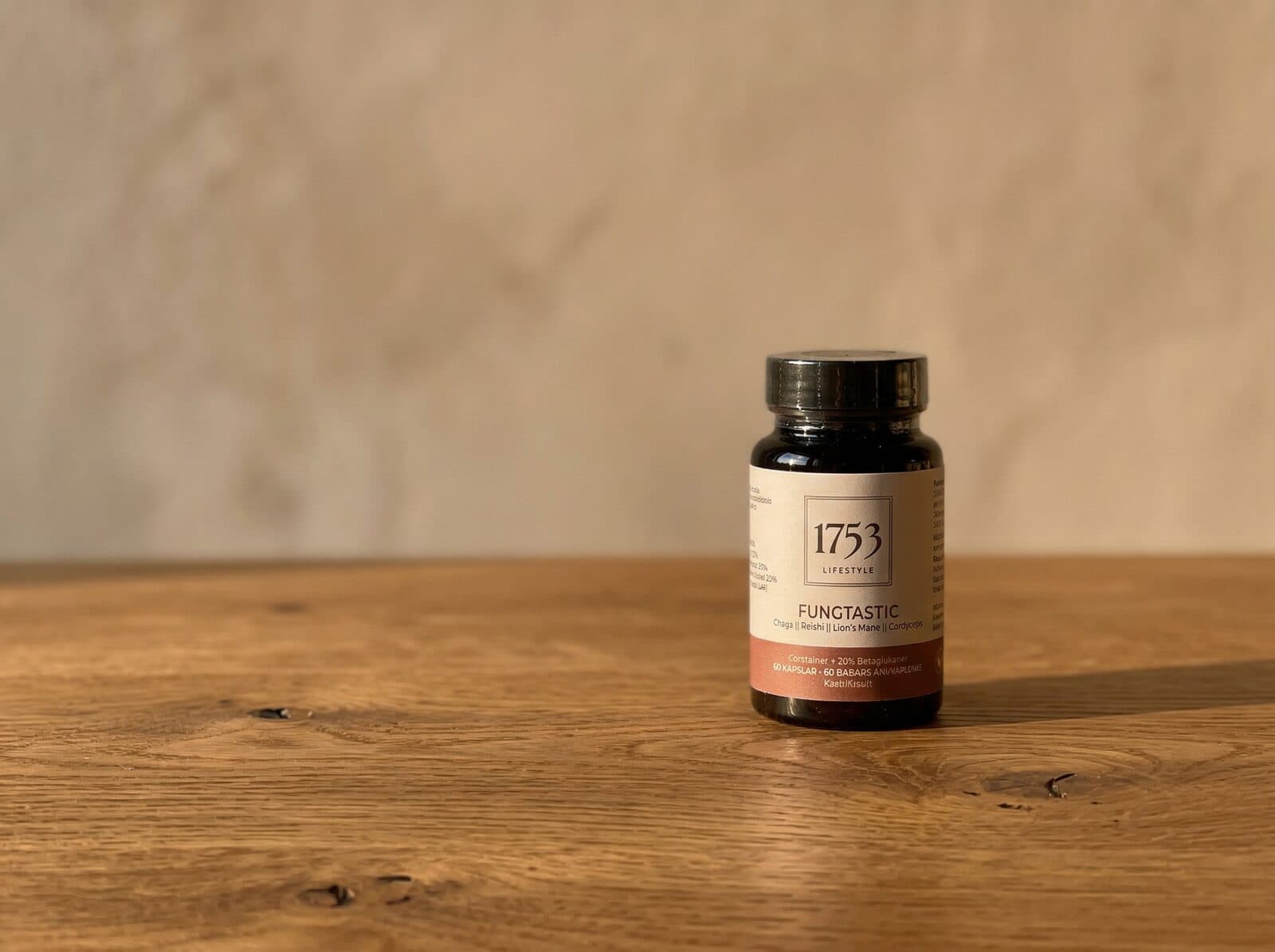
If you want a broader recovery mindset, Fungtastic Mushroom Extract adds trace minerals that can complement a clean diet. It is not zinc itself, but it fits a skin strategy built on supporting the system rather than attacking symptoms. And if you already use cannabinoid-based skincare like I LOVE or The ONE, zinc becomes a natural companion: inside via diet, outside via products that respect skin’s pace.
Frequently asked questions
Does zinc help acne?
It can, especially if your zinc status is low or your skin is inflamed and oily. Zinc affects immune response and may play a role in 5-alpha-reductase, but it is not a miracle. Think in weeks, not days.
Are zinc oxide and zinc supplements the same thing?
No. Zinc oxide is mainly used on the skin in creams and sunscreens for calming and protection. Supplements like zinc picolinate are taken orally to support zinc levels in the body.
How much zinc should I take?
It depends on your diet and needs, but follow the product’s guidance and do not guess with high doses. Too much zinc can interfere with other minerals. If you are unsure, start with food and speak to a clinician for ongoing skin issues.
Can zinc help with eczema and wounds?
Zinc is important for repair processes and immune function, so it can matter when skin is irritated or healing slowly. But eczema usually also needs trigger management and barrier protection, not just a supplement.
Sources
- Oláh A, Tóth BI, Borbíró I, et al. Cannabidiol exerts sebostatic and antiinflammatory effects on human sebocytes. J Clin Invest 2014;124(9):3713–3724.
- Lin TK, Zhong L, Santiago JL. Anti-Inflammatory and Skin Barrier Repair Effects of Topical Application of Some Plant Oils. Int J Mol Sci 2017;19(1):70.
- Tóth KF, Ádám D, Bíró T, Oláh A. Cannabinoid signaling in the skin: therapeutic potential of the c(ut)annabinoid system. Molecules 2019;24(5):918.
Article reviewed by Christopher Genberg, founder of 1753 SKINCARE.
Related articles
Ingredient Portrait
Chaga mushroom skin – the taiga’s quiet shield
Chaga is not another glossy wellness gimmick. It’s a survival mushroom from the cold taiga, packed w...
Ingredient Portrait
Reishi for skin – the mushroom that calms the noise
Reishi earned its “mushroom of immortality” nickname for a reason: it matters more for skin than a l...
Ingredient Portrait
lions mane skin – the mushroom that starts with nerves
Lion's Mane, or Hericium erinaceus, is more than a wellness buzzword for focus. It matters for skin ...
Skin Streaming
Minimalist 5 step routine – why less can do more
Skincare has become too much of everything: too many steps, too much exfoliation, too much cleansing...
CBD Skincare
CBD for acne – stop fighting your skin
Acne isn't about being dirty. It's about inflammation, hormones, and skin that needs support – not p...
CBD Skincare
CBD for oily skin – balance instead of dehydration
Drying out oily skin only makes it oilier. Sounds backwards, but that's exactly what happens. CBD of...