
WELLNESS
Yoga skin – when breath shows up on your face
There’s a reason skin can look softer after yoga. When breathing slows and the nervous system lets go, the body shifts from stress into recovery. That can change circulation, glow and how your skin actually feels.

Why does skin look better when you stop chasing it?
So much skincare still runs on the same old reflex: cleanse harder, exfoliate more, add another active. But skin is not lazy. It responds to stress, elevated pulse and a nervous system that never gets to downshift. When sympathetic drive stays high, the body prioritizes survival, not skin comfort.
Yoga can help through parasympathetic activation, giving the vagus nerve more room to do its job. That can influence vagal tone, breathing patterns and circulation. A slower breath and a longer exhale often tell the body it is safe to let go of the stress response. A light facial flush after class is not just “a bit of colour” — it can reflect a real shift in blood flow.
This is also why skin sometimes gets worse when you treat it too aggressively. Too much rubbing, too many acids and too little recovery can do more for the barrier than for the glow. The question is not how hard you can push skin, but how you help it feel safe enough to function normally.
Five ways to support yoga skin
Lengthen the exhale
Try 4 seconds in, 6–8 seconds out for 5 minutes before class. It’s a simple signal to the nervous system to downshift, and it can calm both face and gut.
Check your pulse
After savasana, place two fingers on your neck and ask whether your pulse feels softer than before practice. It’s a concrete way to notice if your body actually moved from stress into recovery.
Train before showering
If you get a clear facial flush, let it sit for a few minutes before rinsing off sweat. That short transition can help circulation settle without instantly cooling everything down.
Cut the overdoing
Skip strong exfoliation on the same day as a sweaty session. Skin does not need more attack when it has already worked hard; it needs a chance to stabilise.
Do a night check-in
Ask yourself at 9 pm: does my skin feel tight, warm or calm? The answer often tells you more about stress, sleep and recovery than another active ingredient does.

How to make yoga skin a real strategy
Start by supporting the body from within. Fungtastic Mushroom Extract is a natural fit if you want to think beyond the surface, with adaptogenic mushrooms that belong in a life where stress and recovery really do affect the skin. Take it as part of a rhythm, not a quick fix.
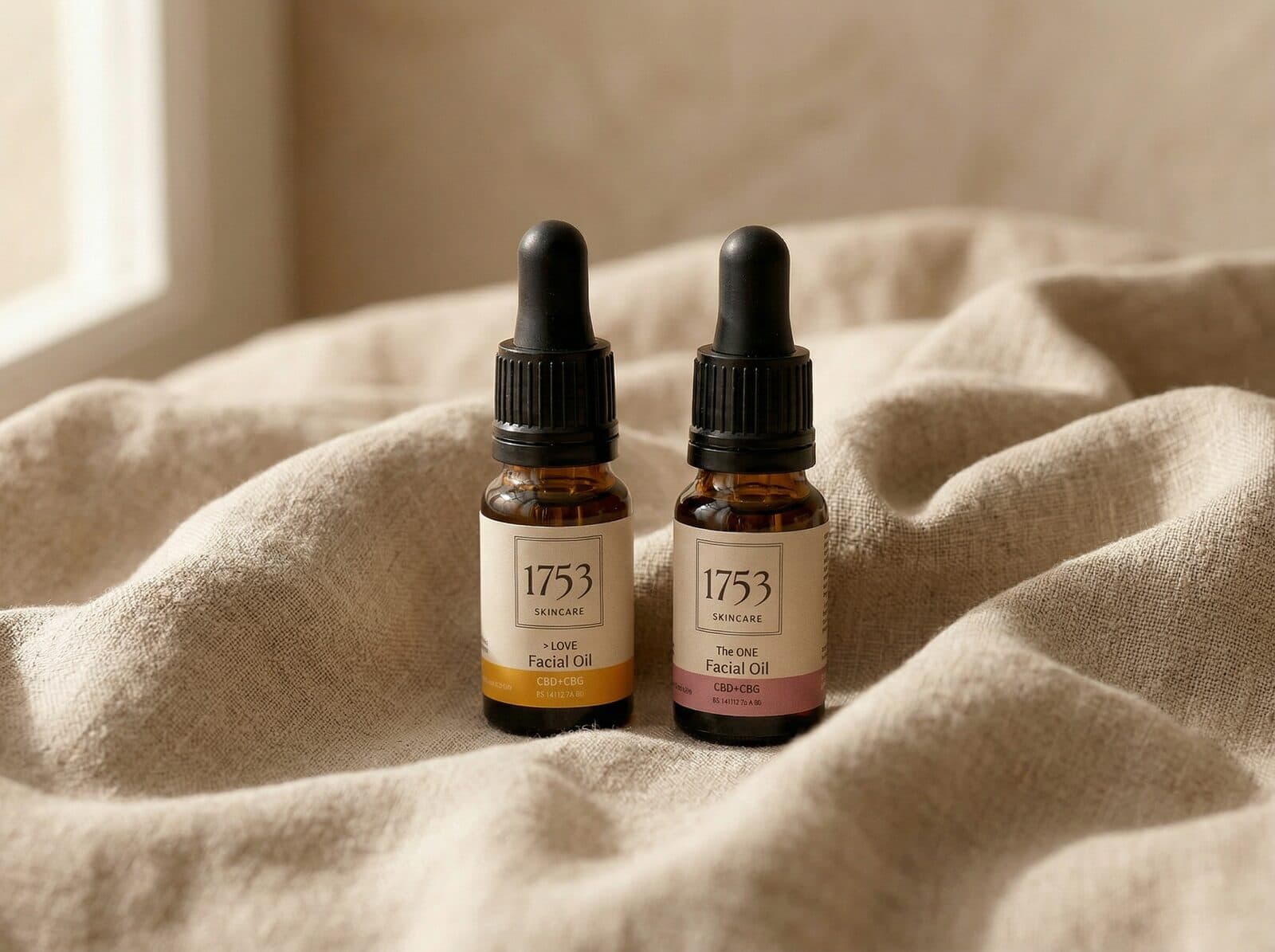
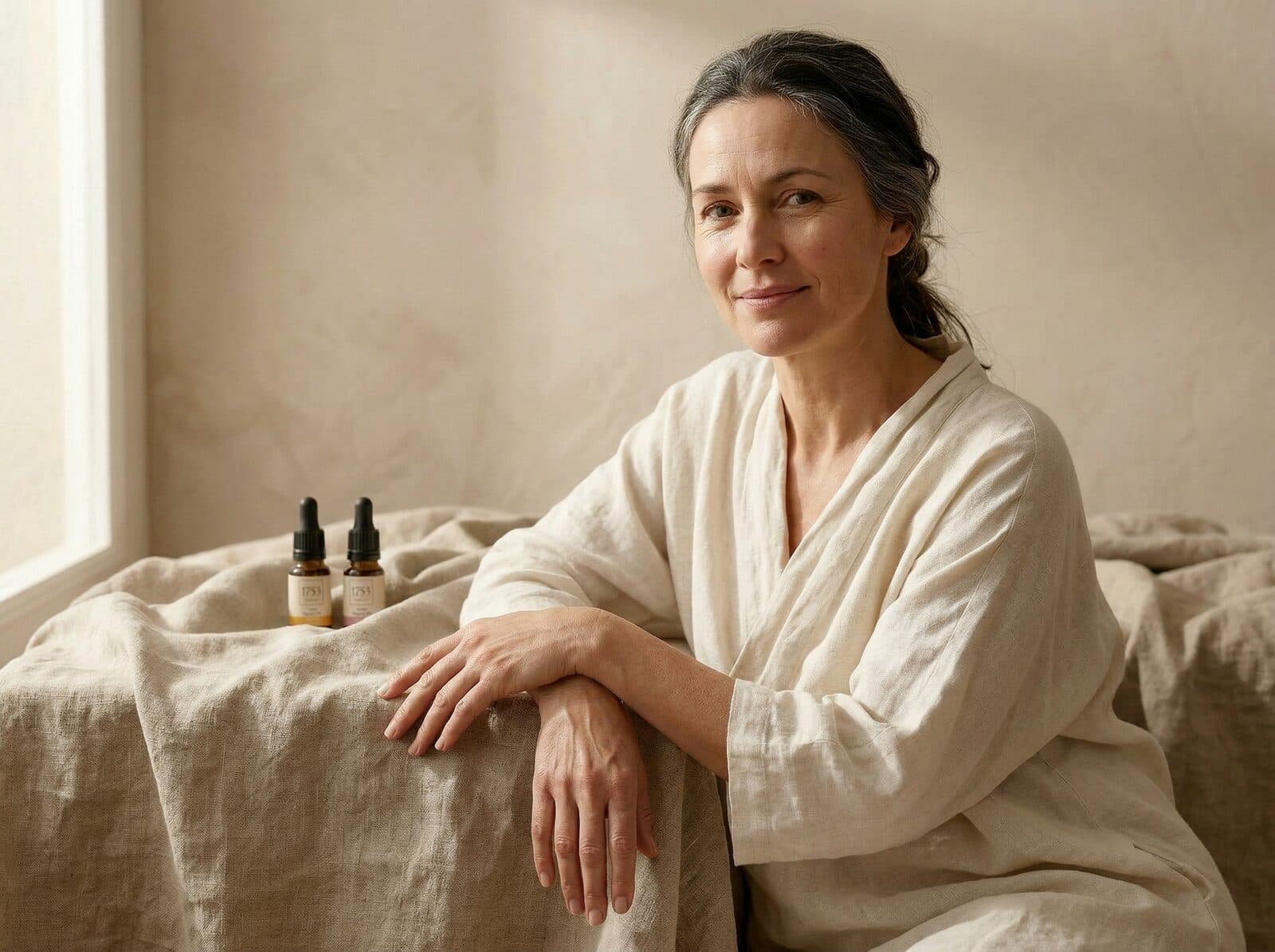
On the outside, the point is not to disturb what is already trying to settle. The ONE brings CBD and MCT in a skin-regulating oil that works well after a shower or yoga session. I LOVE with CBG makes sense when skin needs calm and less noise, especially if heat, sweat or stress tend to trigger it.
If you want a more complete routine, DUO-kit and Ta-DA serum are the obvious pair: DUO gives you the full cannabinoidspectrum feel in skincare, while Ta-DA adds antioxidant support with CBG and adaptogens. This is not aggressive skincare. It is skin that gets to breathe, recover and look like itself again.
Products we recommend
 Save €34
DUO kit
Two face oils, one for morning and one for evening. Simple skincare that works with your skin, not against it.
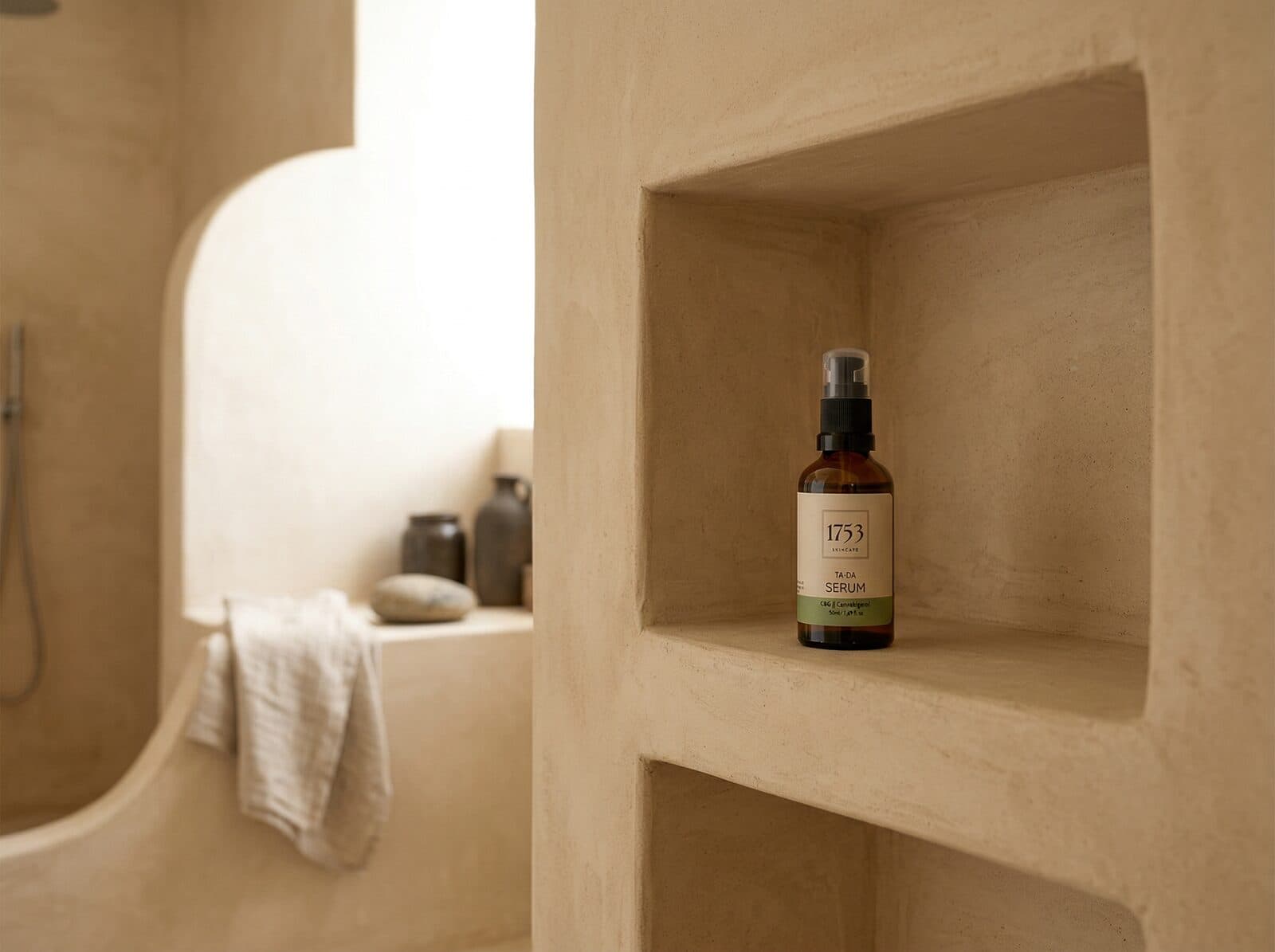
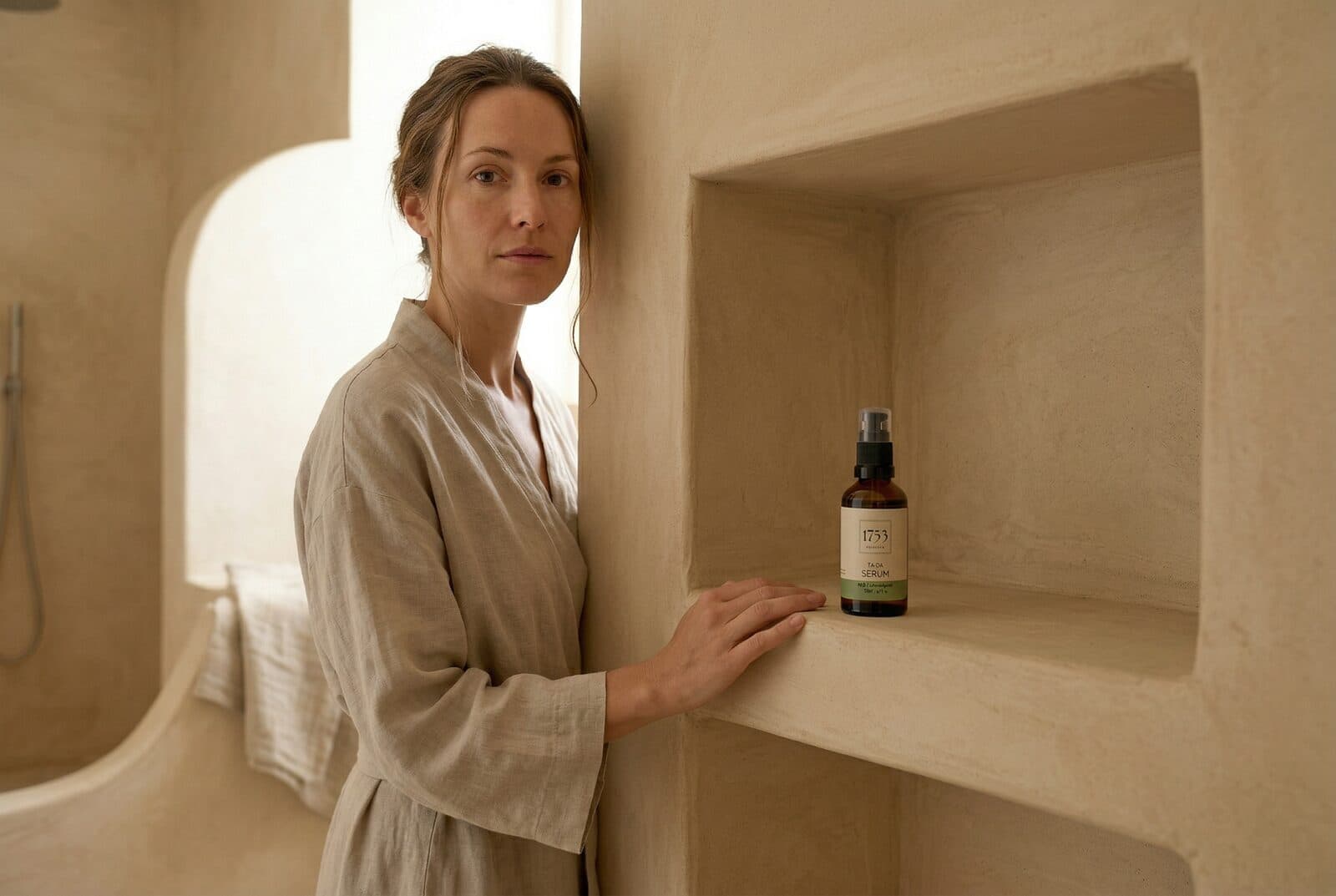
TA-DA Serum
A CBG-powered serum that seals in moisture and adds glow, whatever the season.
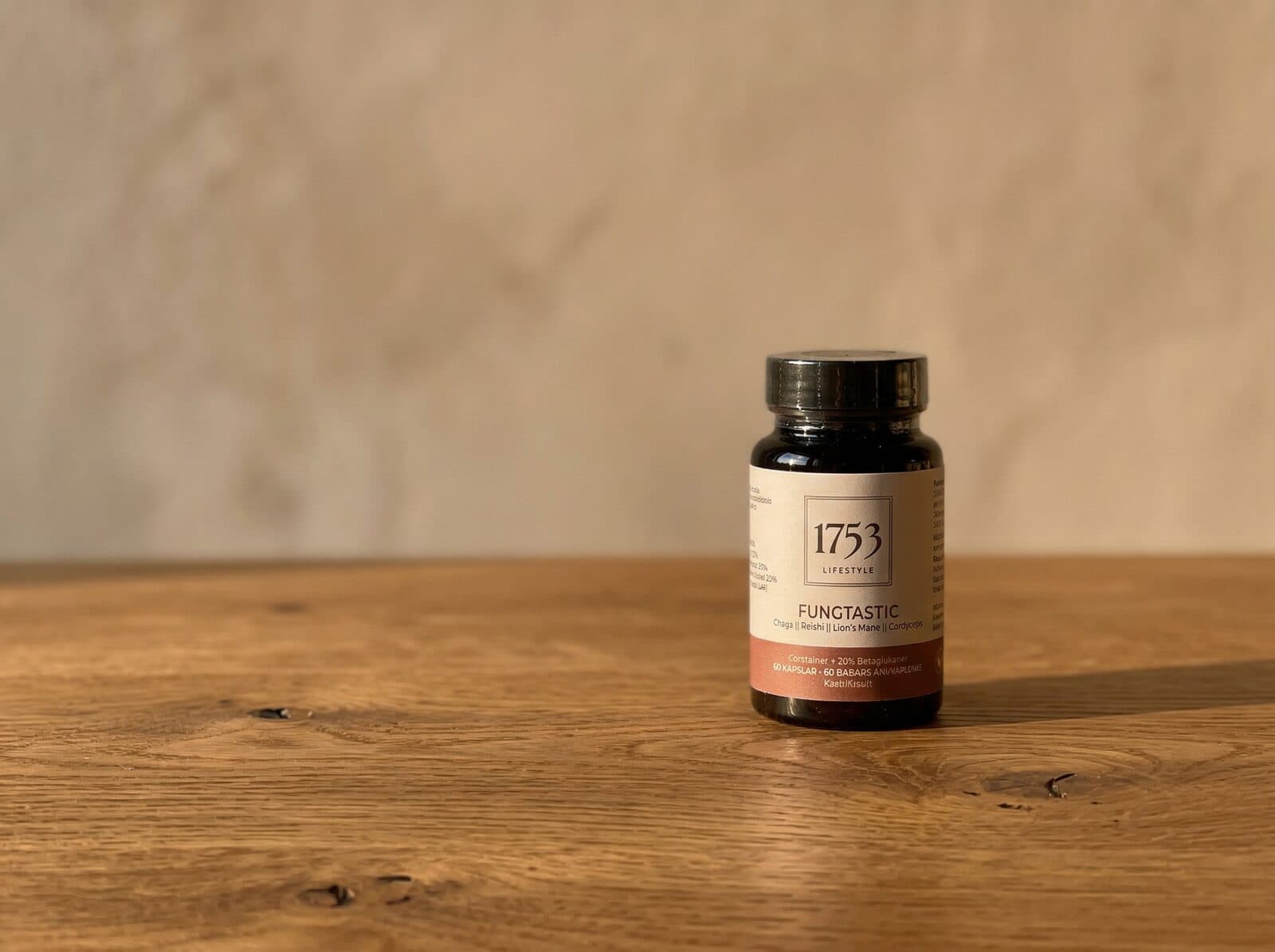
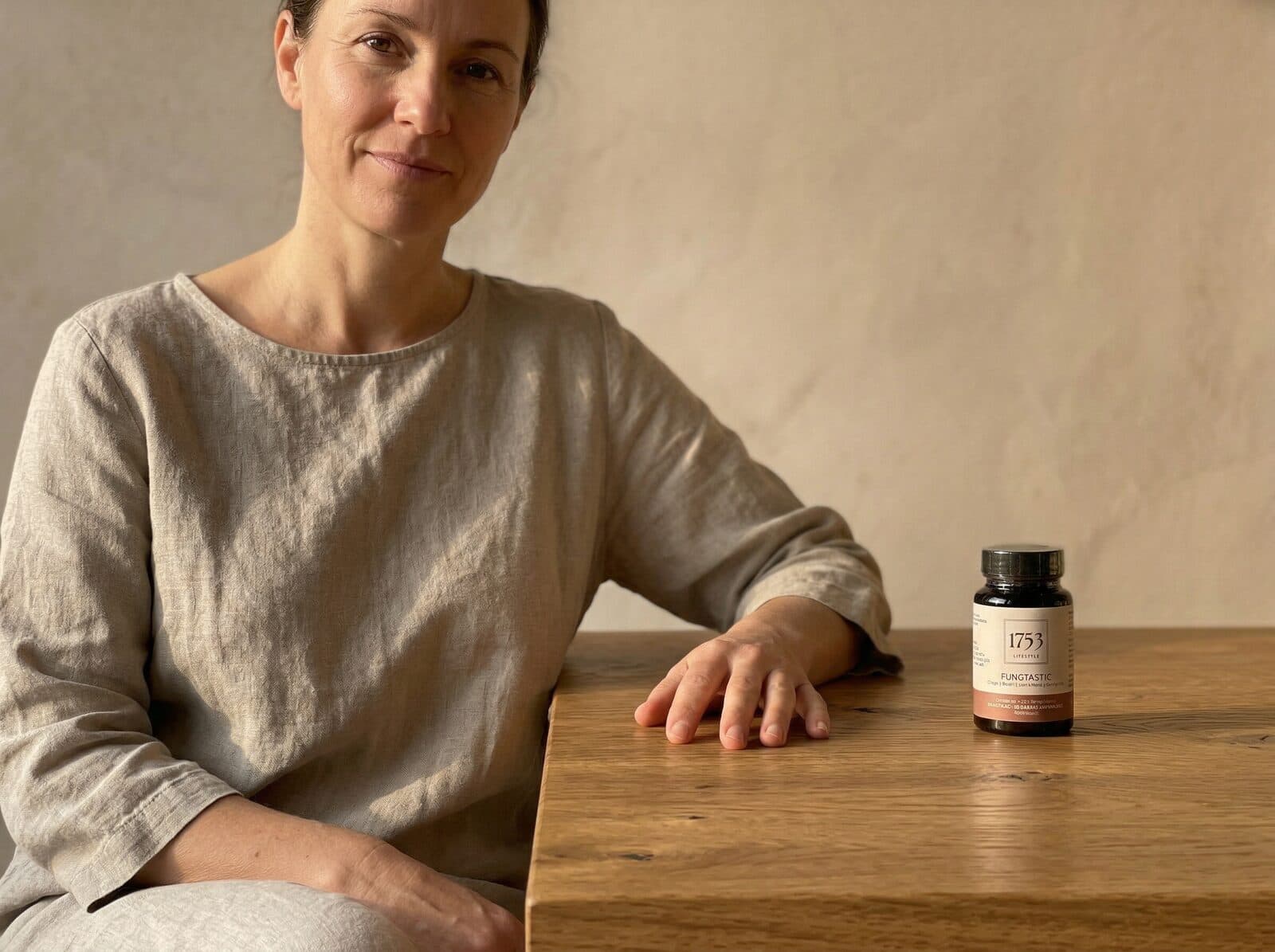
Fungtastic Mushroom Extract
Four mushrooms in one formula to support immunity, focus, energy and sleep from within.
Frequently asked questions
Can yoga really affect the skin?
Yes, indirectly. Through parasympathetic activation, better breathing and lower stress load, the body can shift from fight mode into recovery. That may show up as more even glow, less redness or simply skin that feels less tense.
What does vagal tone mean?
It refers to how effectively the vagus nerve helps the body downshift after stress. Better vagal tone is often linked with a calmer pulse, better recovery and a nervous system that doesn’t stay on alert all the time.
Why does skin get red after yoga?
Usually it’s a mix of heat, increased blood flow and facial flush. For many people it’s normal and fades quickly. If your skin reacts strongly often, it may be a sign to use gentler cleansing and more recovery.
When should I use the products around yoga?
Use The ONE or I LOVE after showering when skin is clean but not stripped. Ta-DA works well in a fuller evening routine. Fungtastic is best as a daily support that becomes part of your rhythm, not something you take randomly.
Sources
- Chen Y, Lyga J. Brain-skin connection: stress, inflammation and skin aging. Inflamm Allergy Drug Targets 2014;13(3):177–190.
- Walker MP, van der Helm E. Overnight therapy? The role of sleep in emotional brain processing. Psychol Bull 2009;135(5):731–748.
- Katta R, Desai SP. Diet and Dermatology: The Role of Dietary Intervention in Skin Disease. J Clin Aesthet Dermatol 2014;7(7):46–51.
Article reviewed by Christopher Genberg, founder of 1753 SKINCARE.
Related articles
Wellness
Sleep skin connection – when the night does the work
Beauty sleep is not a cliché. While you sleep, cortisol drops, growth hormone rises and the body get...
Wellness Axis
Gut skin connection – when the gut shows on your face
Your skin is not a separate island. It listens to your gut, your stress, and the state of your intes...
WELLNESS
Stress skin – when your body hits the alarm button
You usually feel it before you can explain it: redness, tightness, stinging, or a psoriasis flare th...
Lifestyle
Perimenopause and skin – when everything shifts at once
One day your skin feels drier, thinner and suddenly touchy. Adult acne may show up, fine lines look ...
Cyclic Skincare
Menstrual Cycle and Skin – why one routine doesn’t fit all
Your skin doesn’t run on a fixed schedule; it runs with your body. Across the menstrual cycle, hormo...
Postpartum Skin
Postpartum skin – why it changes so much
After pregnancy, skin can feel like it belongs to someone else. Hormones drop, sleep gets broken, an...