
Winter Shift
winter transition skin – when cold meets dry indoor air
This is the awkward stretch of the year: sharp air outside, dry heat inside, and skin trying to keep up. Winter transition skin is less about adding more products and more about stopping the usual sabotage. When wind, low humidity and chapping show up, skin wants calm, not punishment.

Why does skin suddenly feel so tight?
As temperatures drop and outdoor humidity falls, heated indoor air usually strips even more moisture from the skin. That raises transepidermal water loss, which simply means water escapes faster than the barrier can hold onto it. The feeling is familiar: tightness, rough patches, redness and that papery winter texture nobody asked for.
Wind burn is more than a catchy phrase. Cold wind can physically stress the barrier, and once the barrier is weaker, skin becomes easier to irritate and more prone to chapping. Research on barrier function keeps pointing to the same thing: when the lipid structure is intact, the skin holds water better and handles environmental stress more gracefully. So the usual over-washing and scrubbing? Not helping.
What mainstream skin advice often misses is timing. A skin barrier under climate stress does not need to be “resurfaced” first. It needs to be protected first. If your winter transition skin feels stingy, flaky or suddenly reactive, that is not a sign to push harder. It is a sign to ease off.
Practical ways to help skin now
Cleanse less, cleanse gently
Use the mildest cleanse that gets the job done, and skip the morning wash if your skin feels tight. Less friction means less barrier stress, especially when the air is already working against you.
Cover exposed skin
A scarf or collar is not just for warmth. It reduces direct wind exposure on cheeks and jawline, which can make a real difference when wind burn and chapping are starting to show.
Apply on damp skin
Seal in a little water right after cleansing or showering. On damp skin, products work with less evaporation to fight against, which is exactly what winter skin wants.
Pause the harsh actives
If your skin is already irritated, step back from aggressive exfoliation and strong acids. Winter is not the season for proving how much your skin can take.
Watch indoor humidity
Low humidity indoors is a real culprit, especially with heating on all day. A humidifier or even smarter heating habits can help skin feel less parched by evening.

How to actually solve winter transition skin
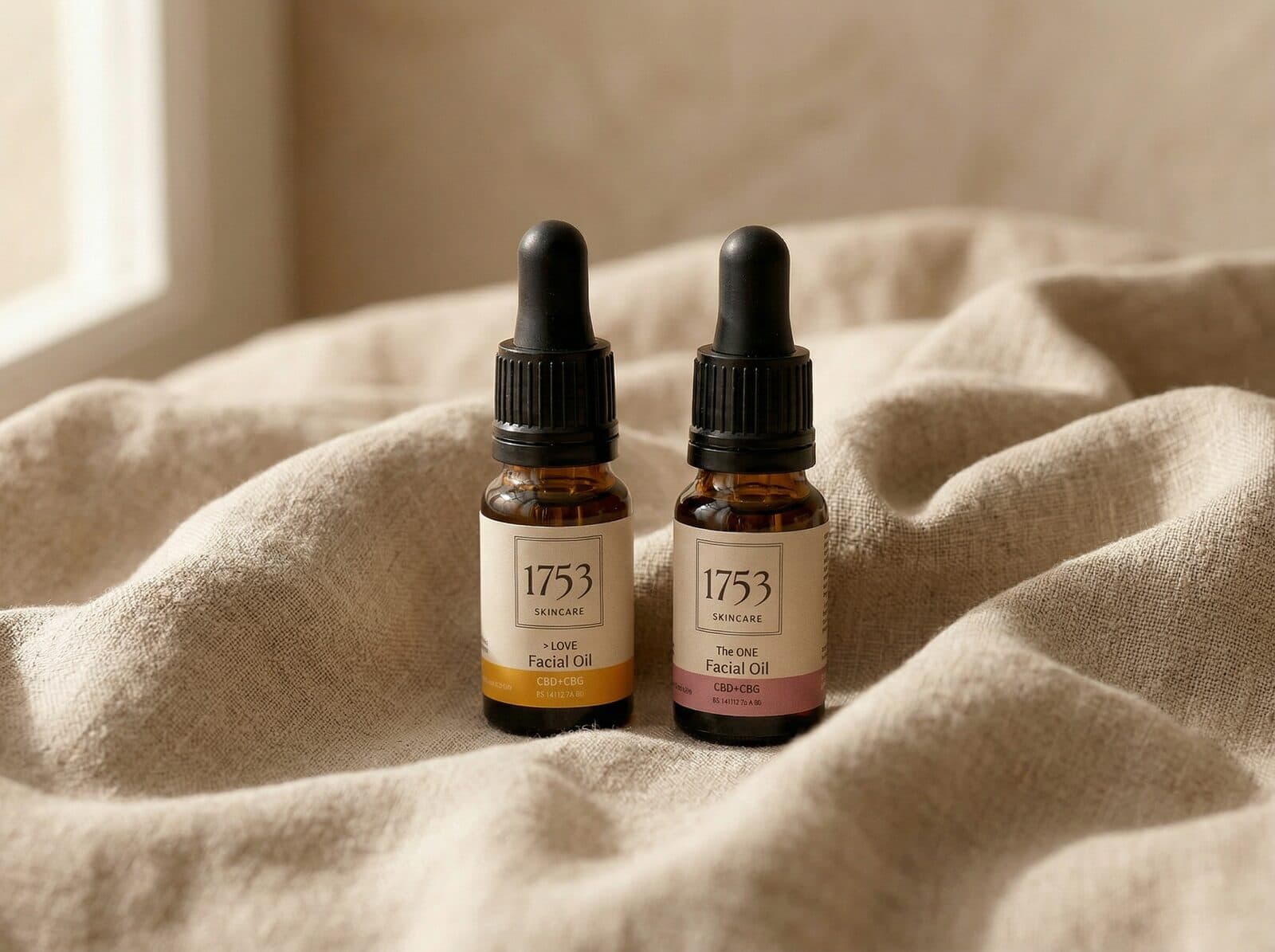
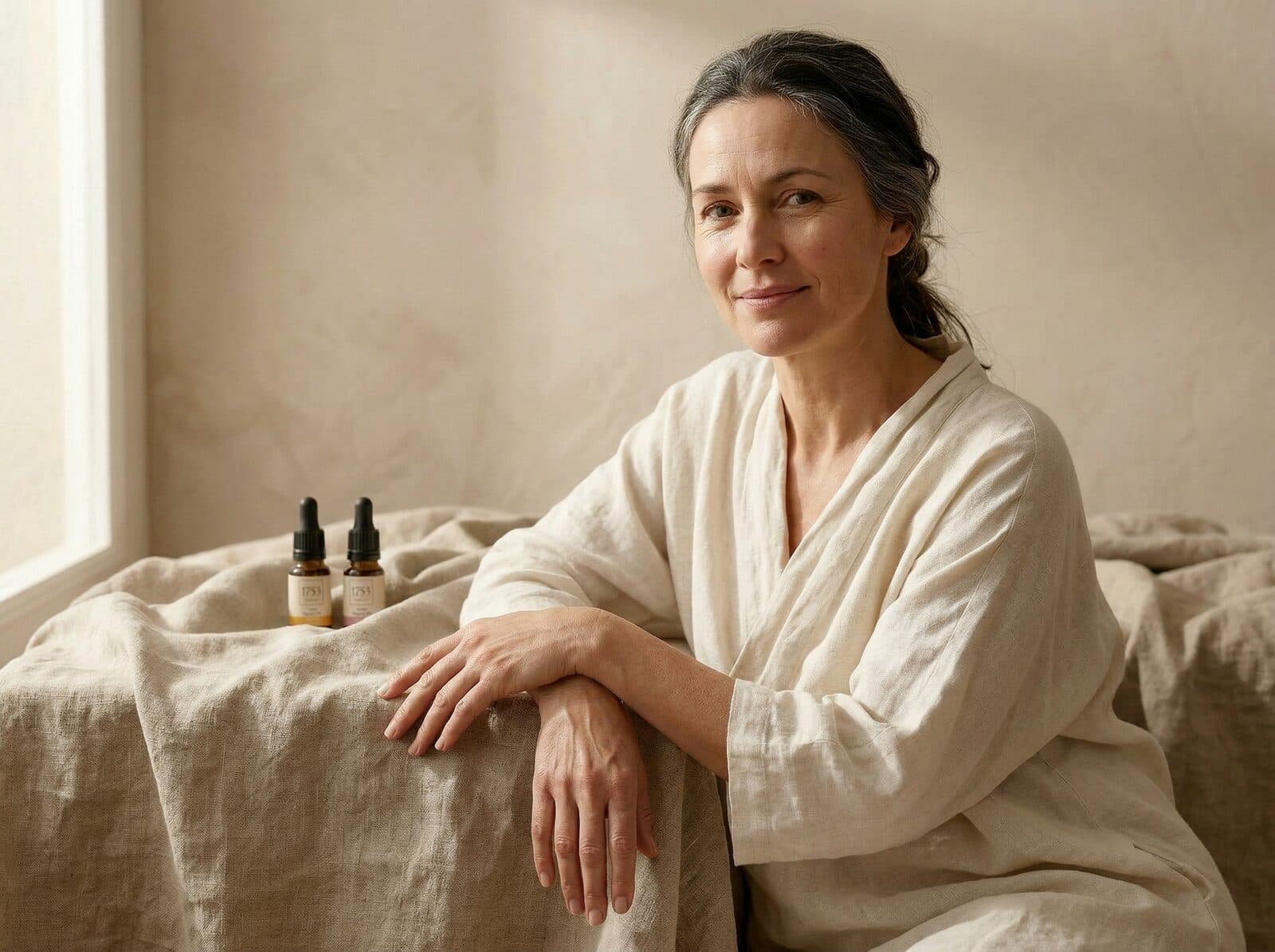
The sensible move is to give skin steadiness, not drama. The DUO-kit with The ONE and I LOVE is built for that kind of everyday balance: The ONE with CBD and MCT helps skin feel more regulated, while I LOVE with CBG gives a calmer, more settled feel when the barrier is on edge. Together, they make a base that makes sense all year, and especially when the weather flips.
If skin needs an extra layer of protection, Ta-DA serum fits naturally into the routine. Its antioxidant blend with CBG and adaptogens is a good match for temperature swings, wind exposure and dry indoor air. Think support, not force. Think of it as helping skin adapt, not making it work harder.
And when skin is already annoyed by the climate, Au Naturel Makeup Remover is the kind of quiet good idea that matters. The MCT oil cleanses gently without treating the skin like it needs to be stripped back to zero. That is often where winter feels easier: when you stop fighting the barrier and start feeding it a little respect.
Products we recommend
 Save €34
DUO kit
Two face oils, one for morning and one for evening. Simple skincare that works with your skin, not against it.
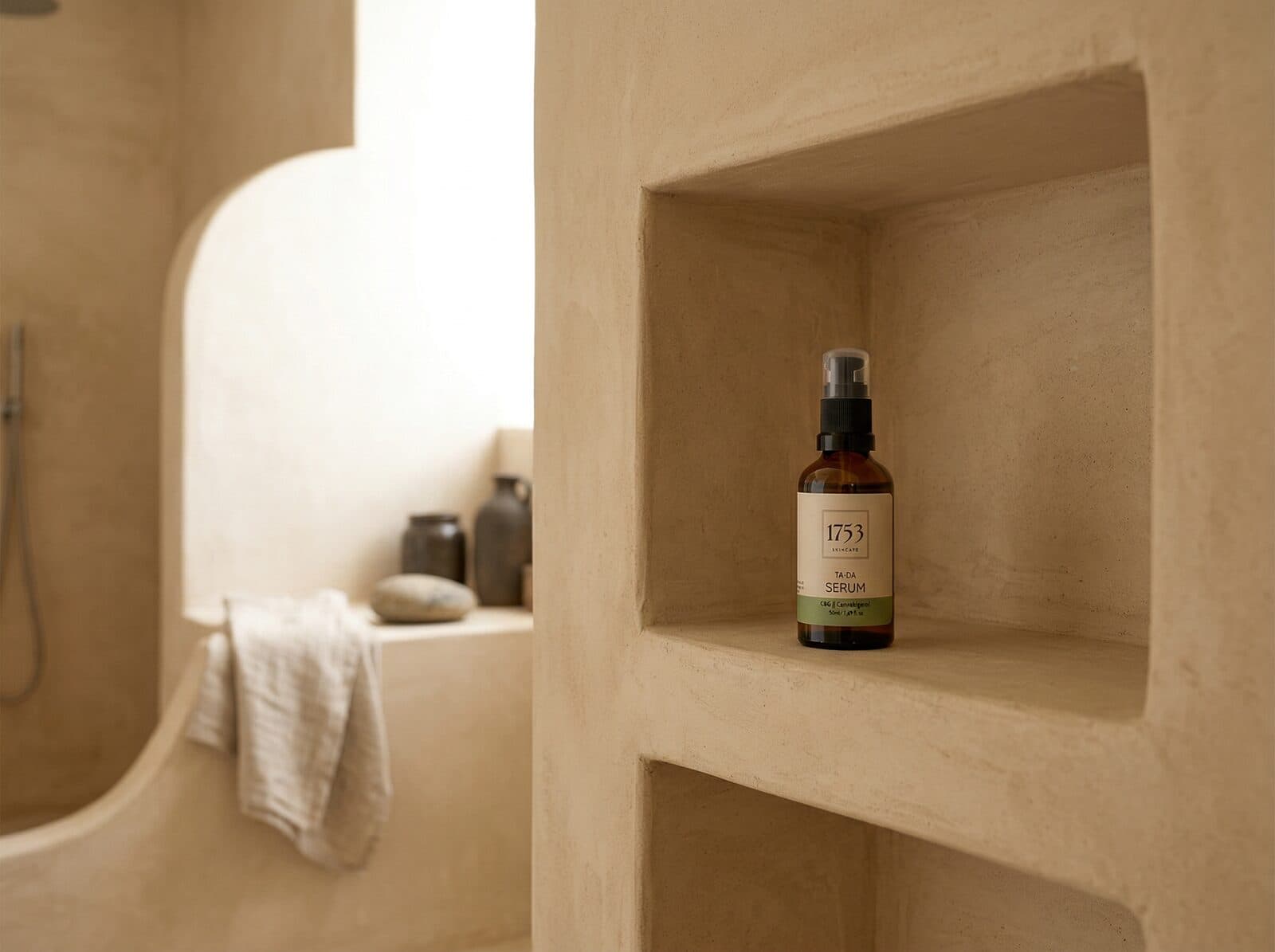
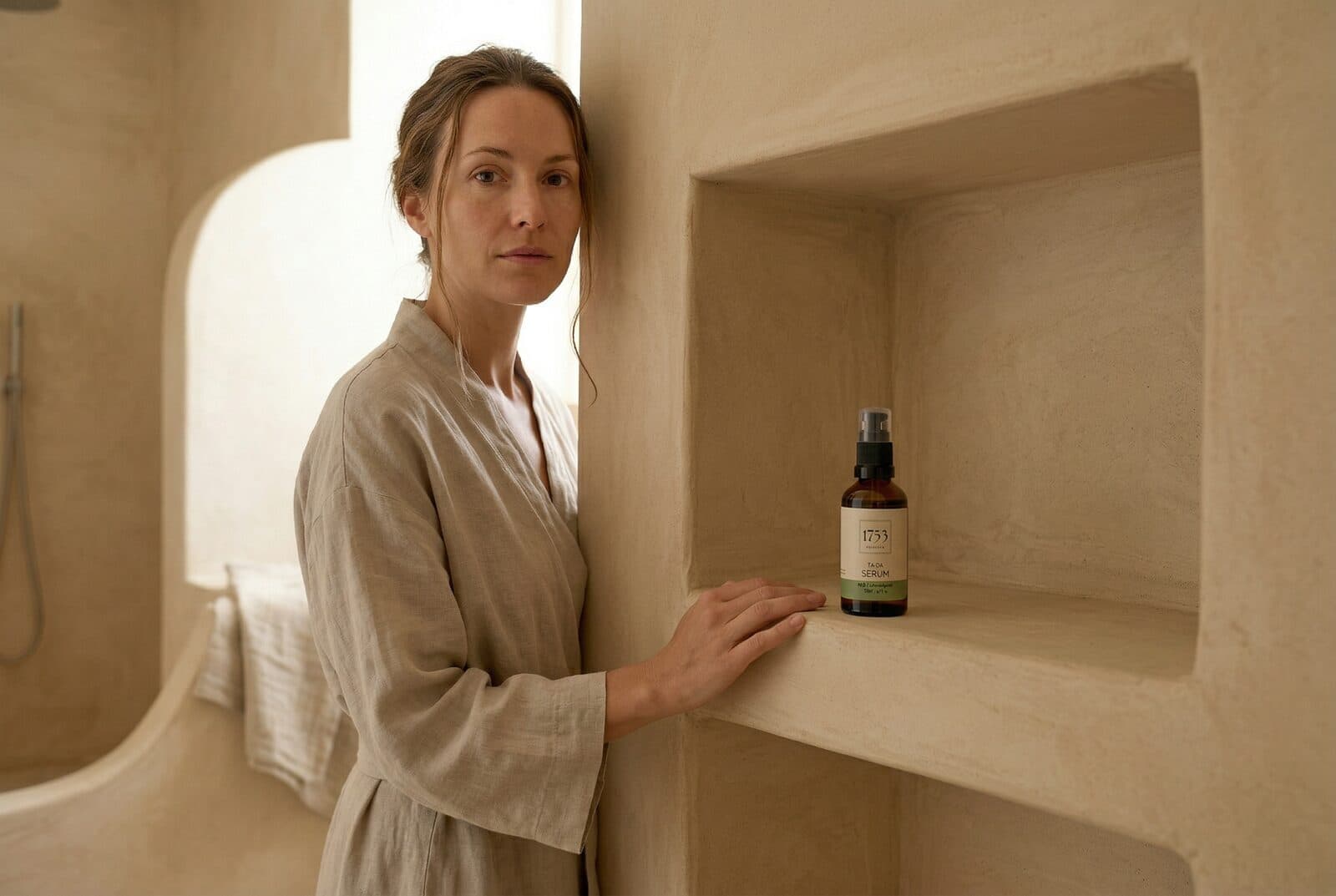
TA-DA Serum
A CBG-powered serum that seals in moisture and adds glow, whatever the season.
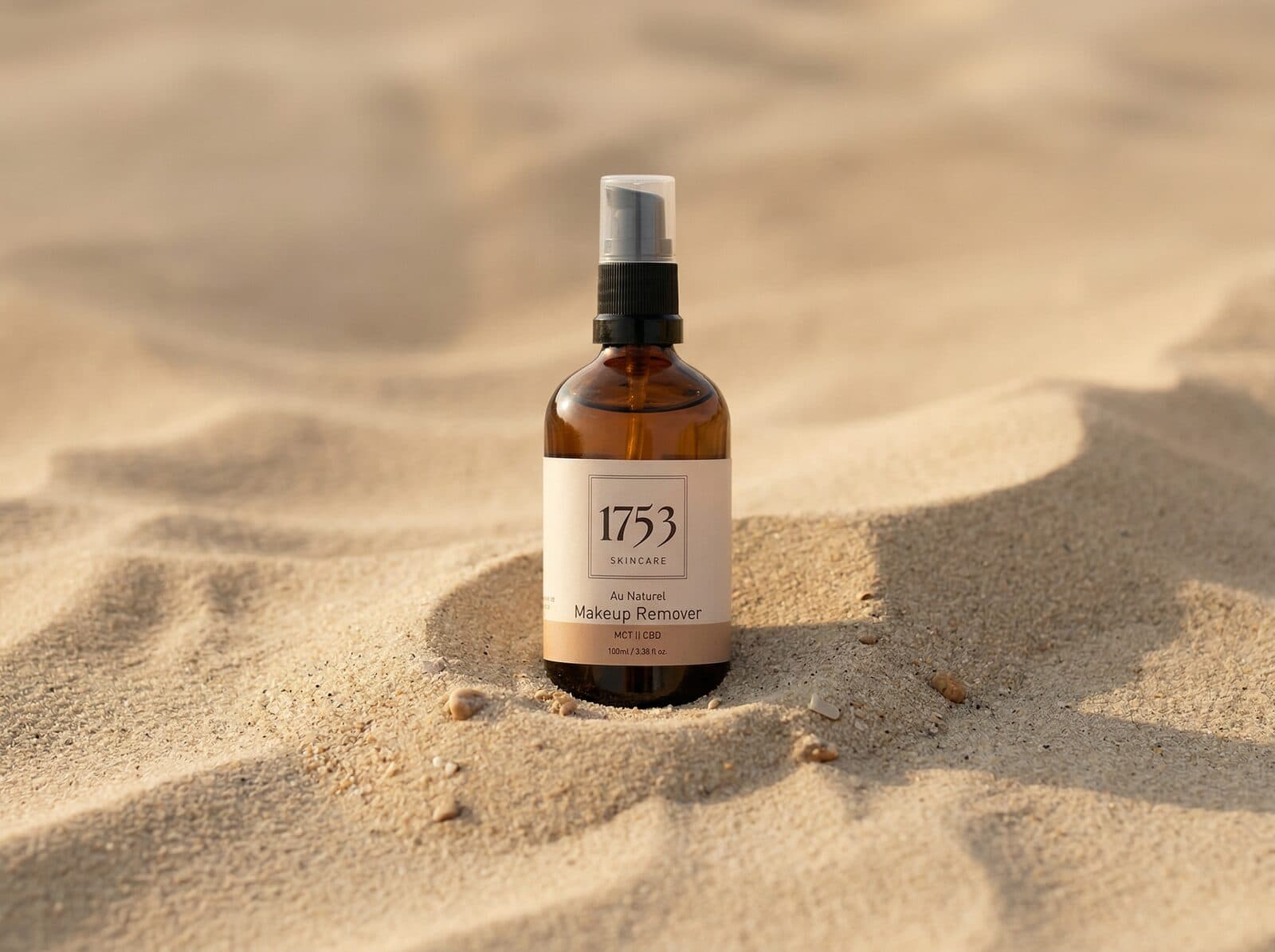
Au Naturel Makeup Remover
A cleansing oil with MCT and CBD that removes makeup and buildup without stripping your skin bare.
Frequently asked questions
Is winter dryness the same as dehydrated skin?
Not quite. Dryness often points to a lack of oil or a weaker barrier, while dehydration is mainly about water loss. Winter transition skin can show both, because cold air, wind and low humidity hit the barrier from several angles.
Should I keep using exfoliating acids in winter?
You can, but with restraint. If your skin is stinging, flaky or red, it is usually smarter to cut back. Winter rewards barrier care more than constant resurfacing.
Why does skin feel worse after a day indoors?
Heated indoor air is often very low in humidity, so water evaporates from the skin more easily. That is why skin can feel tighter at the end of the day than after a short walk outside.
Can oily skin still need richer support in winter?
Absolutely. Oily skin can still be surface-dry and irritated when the weather shifts. A steady routine with The ONE, I LOVE or DUO-kit can help skin feel balanced without piling on harsh actives.
Sources
- Engebretsen KA, Johansen JD, Kezic S, Linneberg A, Thyssen JP. The effect of environmental humidity and temperature on skin barrier function and dermatitis. J Eur Acad Dermatol Venereol 2016;30(2):223–249.
- Lin TK, Zhong L, Santiago JL. Anti-Inflammatory and Skin Barrier Repair Effects of Topical Application of Some Plant Oils. Int J Mol Sci 2017;19(1):70.
Article reviewed by Christopher Genberg, founder of 1753 SKINCARE.
Related articles
Seasonal Skin
Summer Skin Guide – let skin breathe
When UV index sits at 6–11, sweat is constant and the air feels thick, your skin does not need a res...
Seasonal Damage
sunburn skin rescue – cool it, calm it, leave it alone
A sunburn often looks harmless at first, then the heat and sting start talking back. What you’re dea...
Travel Skin
Travel skin jetlag – when your face lands later
The plane may have taken you somewhere warm, but your skin often stays back in the cabin. With cabin...
Cyclic Skincare
Menstrual Cycle and Skin – why one routine doesn’t fit all
Your skin doesn’t run on a fixed schedule; it runs with your body. Across the menstrual cycle, hormo...
Postpartum Skin
Postpartum skin – why it changes so much
After pregnancy, skin can feel like it belongs to someone else. Hormones drop, sleep gets broken, an...
Skin Streaming
Minimalist 5 step routine – why less can do more
Skincare has become too much of everything: too many steps, too much exfoliation, too much cleansing...