
Ingredient Portrait
Vitamin C skin – glow without the chaos
Vitamin C is not one ingredient. It’s a whole family of forms that behave very differently in skin. Some act fast but are fussy, others are gentler but less intense. Here’s what actually happens when you put vitamin C skin care to work.

Why does vitamin C so often create more hype than results?
The classic form is L-ascorbic acid, the most active version of vitamin C for skin. It can help reduce oxidative stress, support collagen production and even out pigment by influencing melanin formation. But it is also unstable and works best at a low pH around 3.5, which for many skin types means stinging, redness and a routine that feels more like a chemistry set than skincare.
That is why conventional vitamin C often turns into a yellow-stained story. When the formula oxidises, the colour, smell and sometimes the skin feel change. That does not automatically make it useless, but it does mean you are paying for an ingredient that is highly sensitive to light, air and heat. Skin does not need aggression to get results; it needs consistent, stable delivery.
Derivatives like magnesium ascorbyl phosphate and tetrahexyl ascorbate are designed to be more stable and often kinder. They need to be converted in skin before they can do the same kind of work, which makes them less dramatic but also less likely to create that sour, irritated vitamin C experience. If your skin flushes easily or you want to address pigment without the sting, that difference matters.
How to use vitamin C wisely
Pick the right form
If your skin is sensitive, do not start with the strongest L-ascorbic acid you can find. Try a derivative such as magnesium ascorbyl phosphate or tetrahexyl ascorbate and assess it over 2–4 weeks.
Watch the pH
L-ascorbic acid performs best at pH 3.5 or lower, but that is also where many people feel the burn. If your skin pushes back, change the formula instead of forcing it every morning.
Aim at pigment
Vitamin C is often used to support a more even tone and improve the look of pigment spots. Use it consistently in the morning and always pair it with sunscreen if you want real long-term change.
Check the colour
If the serum has turned dark yellow-brown or smells metallic, it has likely oxidised. At that point it is no longer the fresh formula you bought, and your skin rarely benefits from it the way you hoped.
Gentler is often smarter
You do not need the highest percentage to get results. For many skin types, a stable lower dose works better than an aggressive formula that just leaves the skin stressed.

How to solve it without irritating skin
If you want antioxidant support without gambling on an unstable L-ascorbic acid formula, think stability first. Vitamin C can absolutely have a place, but skin often does better with steady, calm exposure than with strong acids that need a very low pH to work.
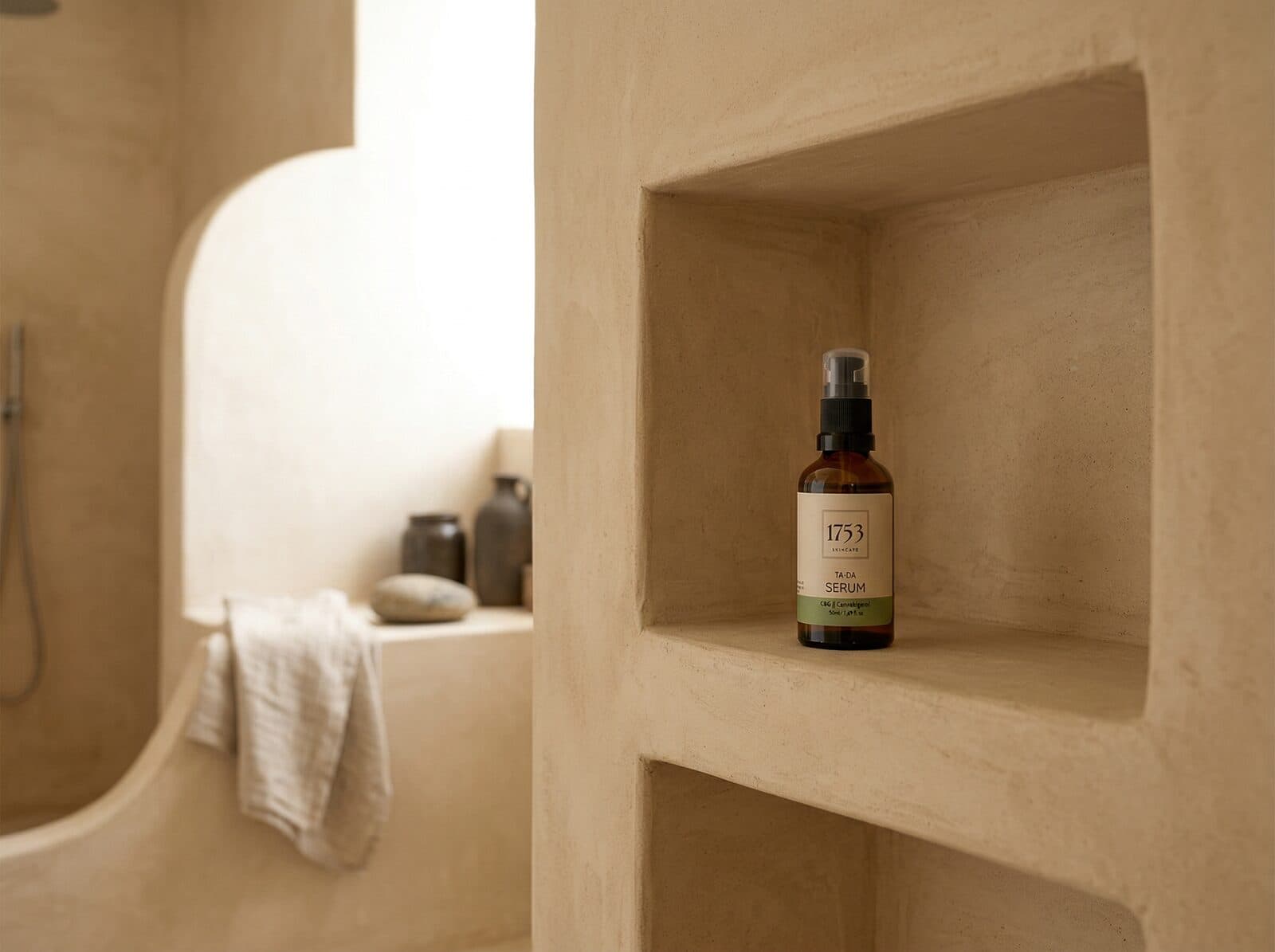
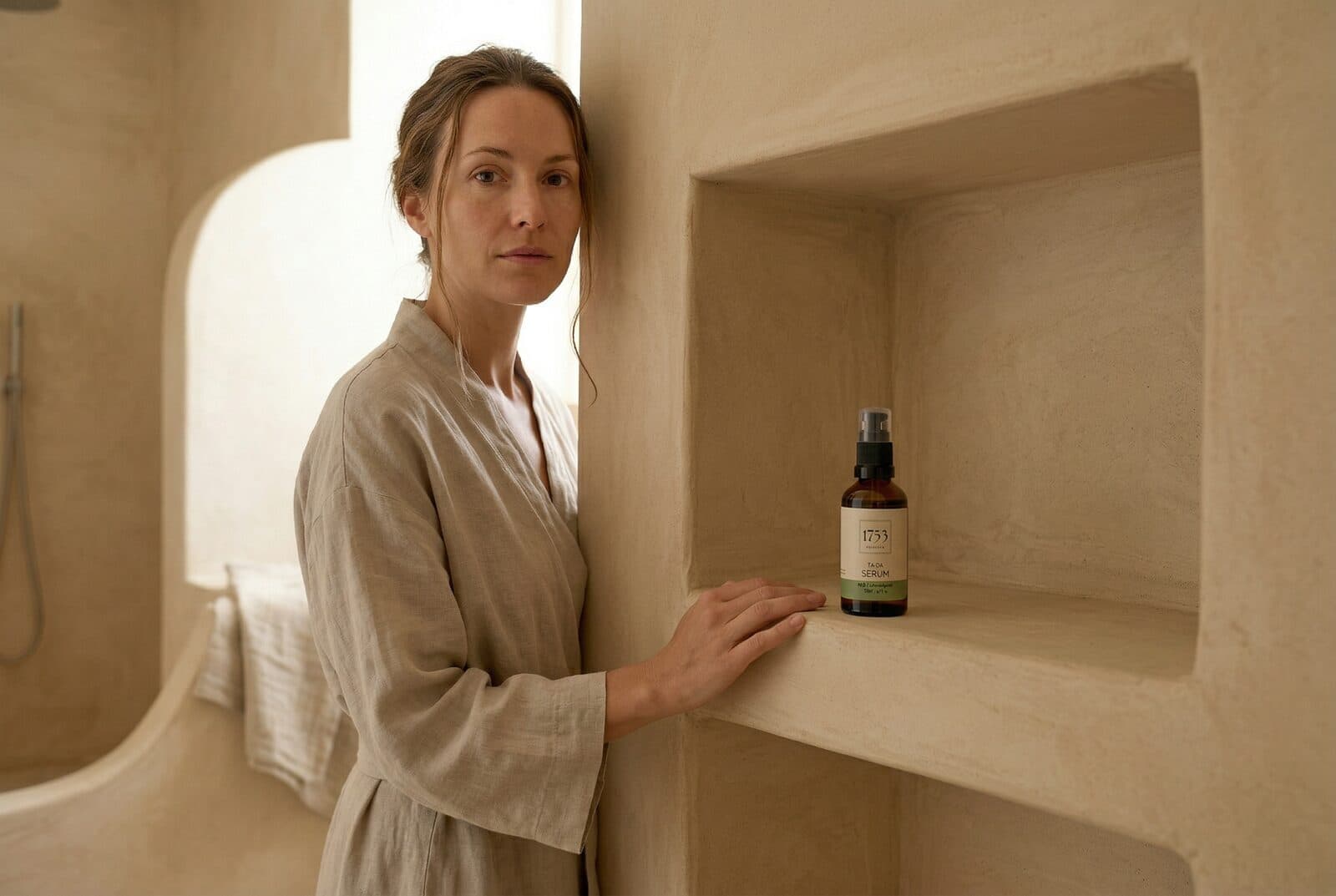
That is where Ta-DA serum fits naturally. It uses plant-based antioxidants and CBG together with adaptogens, giving you a more stable approach than classic vitamin C and none of that yellow discoloration that gives away an oxidised formula. If your goal is glow and less visible stress without provoking skin, it is the more thoughtful choice.
If you want a routine that does not overwork the skin, keep the surrounding steps simple and mild. Au Naturel Makeup Remover removes makeup and grime without stripping, while The ONE and I LOVE help skin stay calm, balanced and less prone to the kind of stress that can make pigment more noticeable. Not flashy. Just smart skincare you can actually stick with.
Frequently asked questions
Is L-ascorbic acid better than derivatives?
Not always. L-ascorbic acid is the most directly active form, but it is also the least stable and more likely to irritate. Derivatives like magnesium ascorbyl phosphate or tetrahexyl ascorbate can be better if you want a gentler routine with less oxidation risk.
Why does vitamin C sting sometimes?
It often comes down to low pH, especially around 3.5 or lower, which is needed for L-ascorbic acid to work well. Sensitive skin can respond with stinging and redness, so that is not necessarily a sign of a product being ‘strong’ in a good way.
Can vitamin C help with pigment?
Yes, vitamin C is commonly used to support a more even skin tone and reduce the appearance of pigment spots over time. It works best with consistent use and sunscreen, not as a quick fix.
How do I know if my vitamin C oxidised?
If the serum has turned noticeably deep yellow, orange or brown, it has often started to oxidise. That means the formula is less stable and usually less pleasant for skin, especially if you are trying to avoid unnecessary irritation.
Sources
- Oláh A, Tóth BI, Borbíró I, et al. Cannabidiol exerts sebostatic and antiinflammatory effects on human sebocytes. J Clin Invest 2014;124(9):3713–3724.
- Lin TK, Zhong L, Santiago JL. Anti-Inflammatory and Skin Barrier Repair Effects of Topical Application of Some Plant Oils. Int J Mol Sci 2017;19(1):70.
- Tóth KF, Ádám D, Bíró T, Oláh A. Cannabinoid signaling in the skin: therapeutic potential of the c(ut)annabinoid system. Molecules 2019;24(5):918.
Article reviewed by Christopher Genberg, founder of 1753 SKINCARE.
Related articles
Ingredient Portrait
cbd for skin – less noise, more balance
CBD for skin is interesting because it doesn’t try to bully the skin into behaving. It works with th...
Ingredient Portrait
cbg for skin – the mother cannabinoid that calms and renews
CBG usually lives in CBD’s shadow, but skin can tell the difference. This is the cannabinoid that ma...
Ingredient Portrait
Chaga mushroom skin – the taiga’s quiet shield
Chaga is not another glossy wellness gimmick. It’s a survival mushroom from the cold taiga, packed w...
How to
Natural retinol alternatives – when your skin wants results, not punishment
Retinol has been crowned the answer to everything, but skin rarely cares about trends. If you’re sen...
Skin Streaming
Minimalist 5 step routine – why less can do more
Skincare has become too much of everything: too many steps, too much exfoliation, too much cleansing...
COMPARISON
cbd vs retinol – same conversation, different jobs
CBD and retinol are often grouped together, but they do not behave the same way. Retinol pushes cell...