
Ingredient Portrait
Vitamin d skin – the sun hormone we forget
Vitamin D is not just a number on a lab result. It acts like a sun hormone, shaping immune modulation and skin barrier function. And when winter rolls in, the skin often shows it first: drier, tighter, more reactive, and somehow less willing to cooperate.

Why does skin worsen when the sun disappears?
Vitamin D starts with UV-B hitting cholesterol in the skin, creating cholecalciferol, which is then converted into 25-OH-D in the body. That’s the form clinicians actually track. Mechanistically, it matters because vitamin D signaling is tied to immune modulation and to how well the skin maintains a resilient barrier.
When levels drop in darker months, many people notice more dryness, sensitivity, and a skin that seems to overreact to everything. That is not a sign you need harsher cleansing or a stronger exfoliant. It is usually a sign the barrier is under pressure and the skin is asking for less disruption, not more.
So vitamin d skin is not really a “beauty trend” topic. It is a systems topic. Light, routine, barrier support, and nutrition all sit in the same frame. If winter skin feels thinner or more brittle, the mainstream instinct to scrub harder is exactly the wrong move.
What can you do today?
Check your levels
Ask for a 25-OH-D blood test if you suspect you’re low. That’s the useful marker, not how much sun you think you got. Supplementing makes sense when a clinician says it does.
Use UV-B wisely
Brief, regular exposure can help the body make cholecalciferol during brighter months. UV-B is the trigger, but burning your skin is not a strategy. Dose matters more than heroics.
Stop stripping the skin
Swap harsh cleansers for something gentler. Over-cleansing can weaken the barrier and make winter skin feel even more fragile. Clean skin does not need to feel squeaky.
Support lipids
The skin barrier runs on fats. A simple oil-based step can help reduce moisture loss when the air is cold and dry. Keep the routine boring enough that your skin can actually settle.
Eat for the whole system
Fatty fish, eggs, and fortified foods can support vitamin D intake. Food is not the whole answer, but it’s part of the same equation your skin lives in every day.

How to support skin without overdoing it
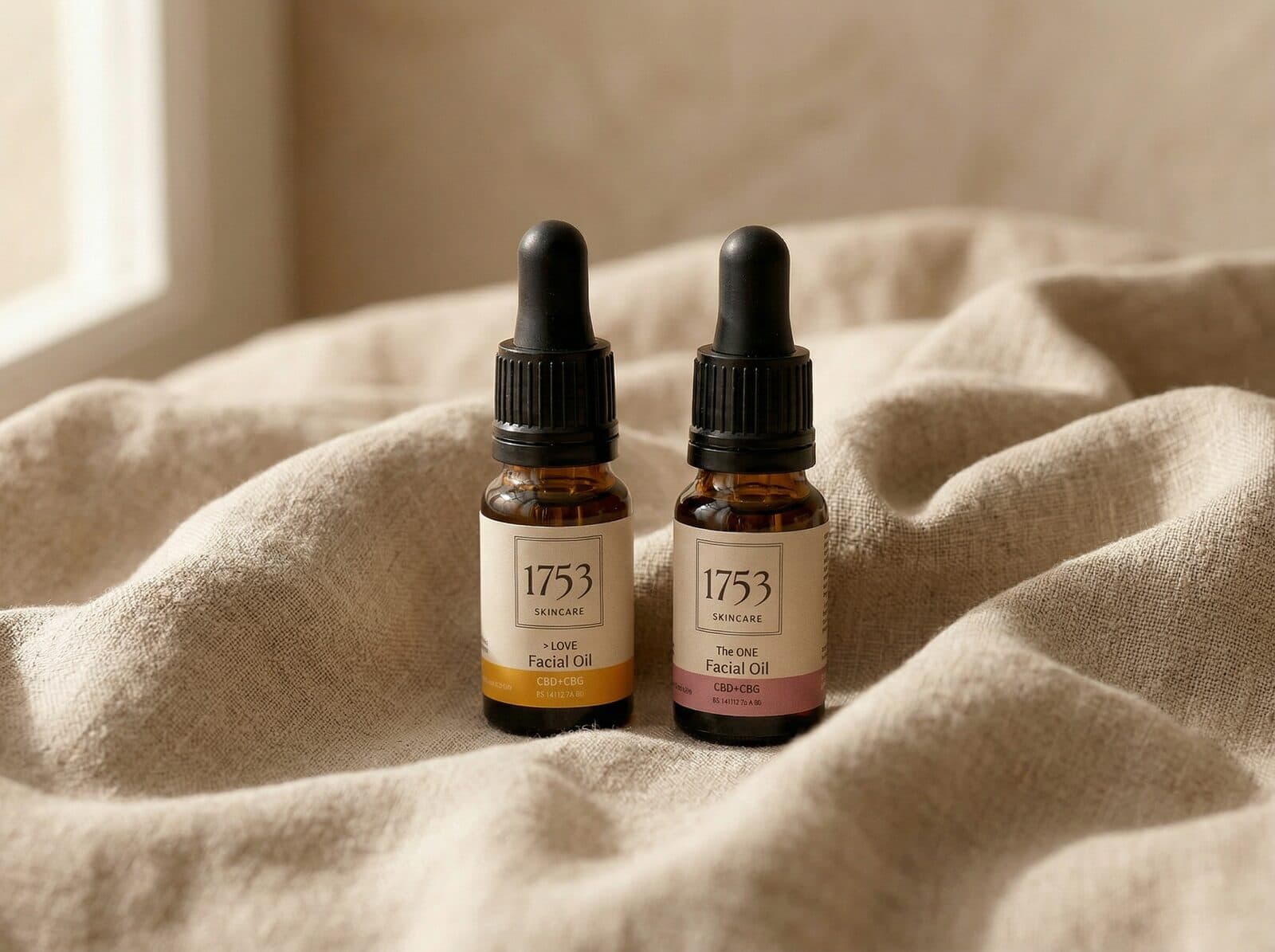
That is where the DUO kit makes sense. The ONE, with CBD and MCT, helps support a calmer, more regulated skin feel, while I LOVE, the CBG serum, is there for skin that gets reactive, irritated, or just tired of being pushed around. Together, they feel like a practical fit for barrier stress rather than another overpromising fix.
As you get your daily sun and your body does its UV-B-to-cholecalciferol work, the rest is about not sabotaging the skin. Au Naturel Makeup Remover gives you a gentle cleansing step without stripping the barrier, and The ONE or the DUO kit can help winter skin stay more comfortable. That is often smarter than layering on more acids and “correctives.”
If you want a broader support layer, Ta-DA serum adds an antioxidant blend with CBG and adaptogens. And if your winter strategy includes the whole body, Fungtastic Mushroom Extract is there as an oral supplement for people who want a wider seasonal routine. The point is simple: calm first, then support.
Frequently asked questions
Is vitamin D the same as sunlight?
No. Sunlight provides UV-B, which starts the process, but vitamin D is the compound your body makes and later converts into its active circulating form. It’s a hormone-like system, not just “getting some sun.”
How do I know if I’m low?
The standard check is a 25-OH-D blood test. Winter fatigue and dry skin can come from many things, so don’t guess. If levels are low, talk to a clinician about supplementation.
Can skincare replace vitamin D?
No. Skincare cannot create vitamin D. What it can do is help the barrier stay stable while you address sun exposure, diet, and supplementation. That’s where products like The ONE and I LOVE fit in.
Should I just sunbathe more?
Not blindly. Short, sensible UV-B exposure can support vitamin D production, but overexposure damages the skin faster than it helps. Think dose and timing, not tanning as a goal.
Sources
- Oláh A, Tóth BI, Borbíró I, et al. Cannabidiol exerts sebostatic and antiinflammatory effects on human sebocytes. J Clin Invest 2014;124(9):3713–3724.
- Lin TK, Zhong L, Santiago JL. Anti-Inflammatory and Skin Barrier Repair Effects of Topical Application of Some Plant Oils. Int J Mol Sci 2017;19(1):70.
- Tóth KF, Ádám D, Bíró T, Oláh A. Cannabinoid signaling in the skin: therapeutic potential of the c(ut)annabinoid system. Molecules 2019;24(5):918.
Article reviewed by Christopher Genberg, founder of 1753 SKINCARE.
Related articles
Ingredient Portrait
cbd for skin – less noise, more balance
CBD for skin is interesting because it doesn’t try to bully the skin into behaving. It works with th...
Ingredient Portrait
cbg for skin – the mother cannabinoid that calms and renews
CBG usually lives in CBD’s shadow, but skin can tell the difference. This is the cannabinoid that ma...
Ingredient Portrait
mct oil skin – light, clean, surprisingly clever
MCT oil is not just another oil sitting on top of your face. It’s fractionated coconut oil built aro...
How to
Natural retinol alternatives – when your skin wants results, not punishment
Retinol has been crowned the answer to everything, but skin rarely cares about trends. If you’re sen...
Skin Streaming
Minimalist 5 step routine – why less can do more
Skincare has become too much of everything: too many steps, too much exfoliation, too much cleansing...
COMPARISON
cbd vs retinol – same conversation, different jobs
CBD and retinol are often grouped together, but they do not behave the same way. Retinol pushes cell...