
Sun Care
Physical vs chemical spf – not the fight it’s made out to be
Sunscreen has become a small religion, but your skin mostly cares about one thing: do you actually wear it. Physical vs chemical spf is less about good versus bad and more about filters, texture and how likely you are to use it every day. The nuance is bigger than slogans like “reef safe” and “natural”.

So what really separates the filters?
Physical sunscreen usually relies on mineral filters like zinc oxide and titanium dioxide. They sit on the skin and scatter, plus partly reflect, UV radiation. Chemical filters absorb UV and convert the energy into heat; some formulas use a filter-cascade, where several filters work together for broader coverage and better stability.
This is where the debate tends to get messy. Mineral sounds safer, chemical sounds suspicious, but the reality is more practical: both can work very well when they’re properly formulated and applied in enough product. Studies also suggest that differences in protection often come down more to application, reapplication and film evenness than to the label on the front.
The big downside with many mineral formulas is the feel: a white cast, a dry finish, or a tendency to cling to beard hair and pores. Chemical filters can sting the eyes, feel lighter, yet still irritate sensitive skin. So the real question is not who wins on paper, but which texture you can actually live with on a sunny Tuesday.
How to choose without overthinking it
Pick for real life
Are you commuting, exercising, or sitting in strong midday sun? Choose the formula you’ll actually use every morning, not the one that wins arguments online.
Read the filter list
Zinc oxide gives broad coverage and often suits sensitive skin. Chemical filters can feel lighter and work well under makeup.
Test the eye area
A lot of sunscreen problems show up around the eyes first. Try it for a few days before writing it off, because that’s where “gentle” versus “stingy” becomes obvious.
Watch for marketing dogma
“Reef safe” is often used loosely as a marketing phrase. Read the full formula and think about what works for your skin, not just what sounds virtuous.
Prioritize consistency
The best SPF is the one you apply generously and reapply. A perfect label matters less than a formula you can actually wear all day.

How to make the smart choice in practice
If you want a simple, sustainable routine, it often makes more sense to put skin-barrier first and filters second. Harsh cleansing, too many acids and a constant chase for “clean” skin often leave the skin more reactive, which makes sunscreen harder to tolerate.
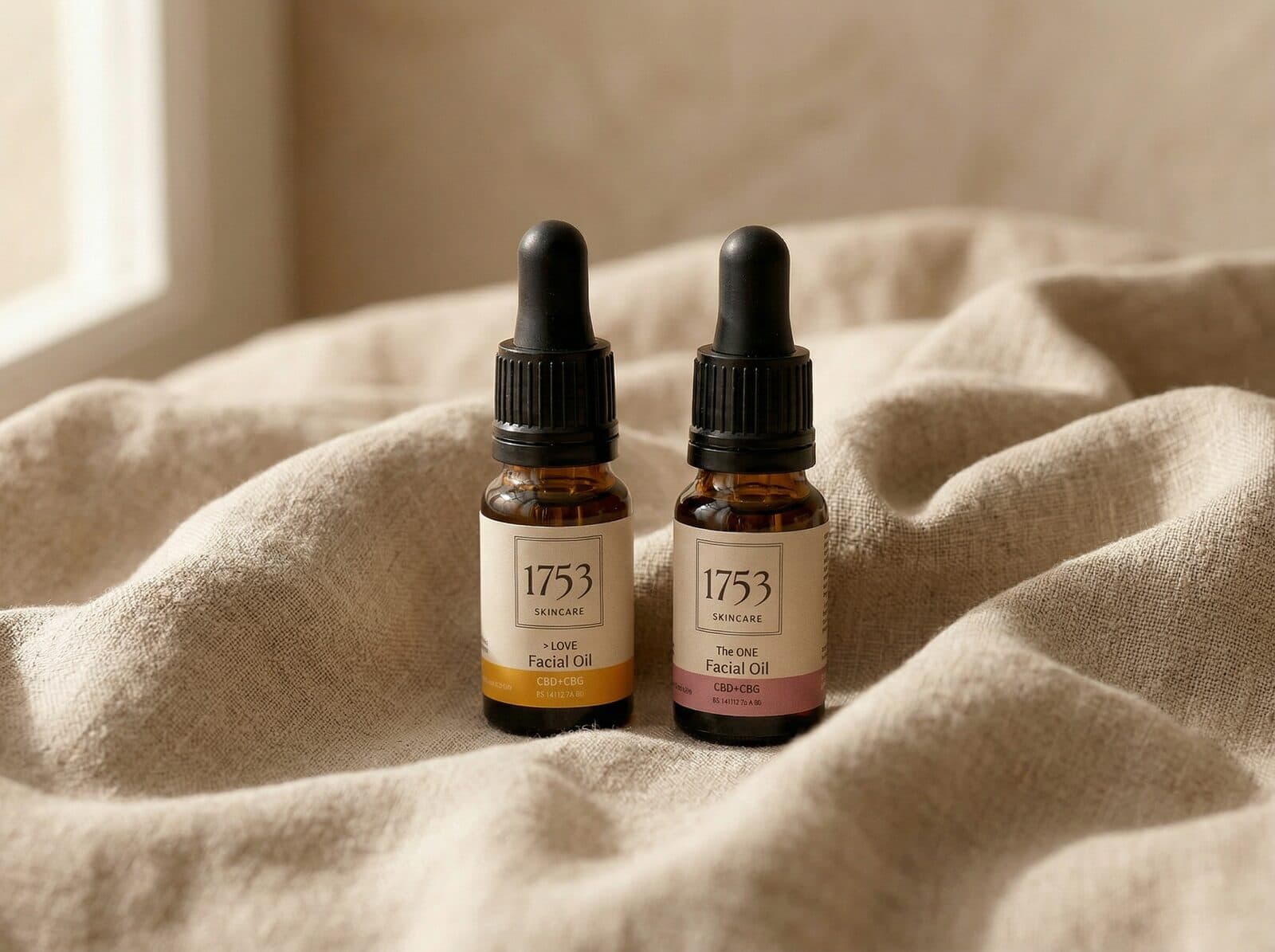
That’s where 1753’s approach fits in: whichever side you land on in physical vs chemical spf, CBD + CBG is a rarely controversial complement for skin that needs calm, not more noise. The ONE brings a skin-regulating oil, I LOVE adds soothing CBG, and the DUO kit gives you a fuller cannabinoid spectrum when you want a routine that stays simple but thoughtful.
For evening removal, Au Naturel Makeup Remover is a gentle way to take off the day without scrubbing your face into submission. It’s not magic, just better logic: mild cleansing, a steadier skin barrier and sunscreen you’ll actually want to use again tomorrow.
Products we recommend
 Save €34
DUO kit
Two face oils, one for morning and one for evening. Simple skincare that works with your skin, not against it.
 Save €60
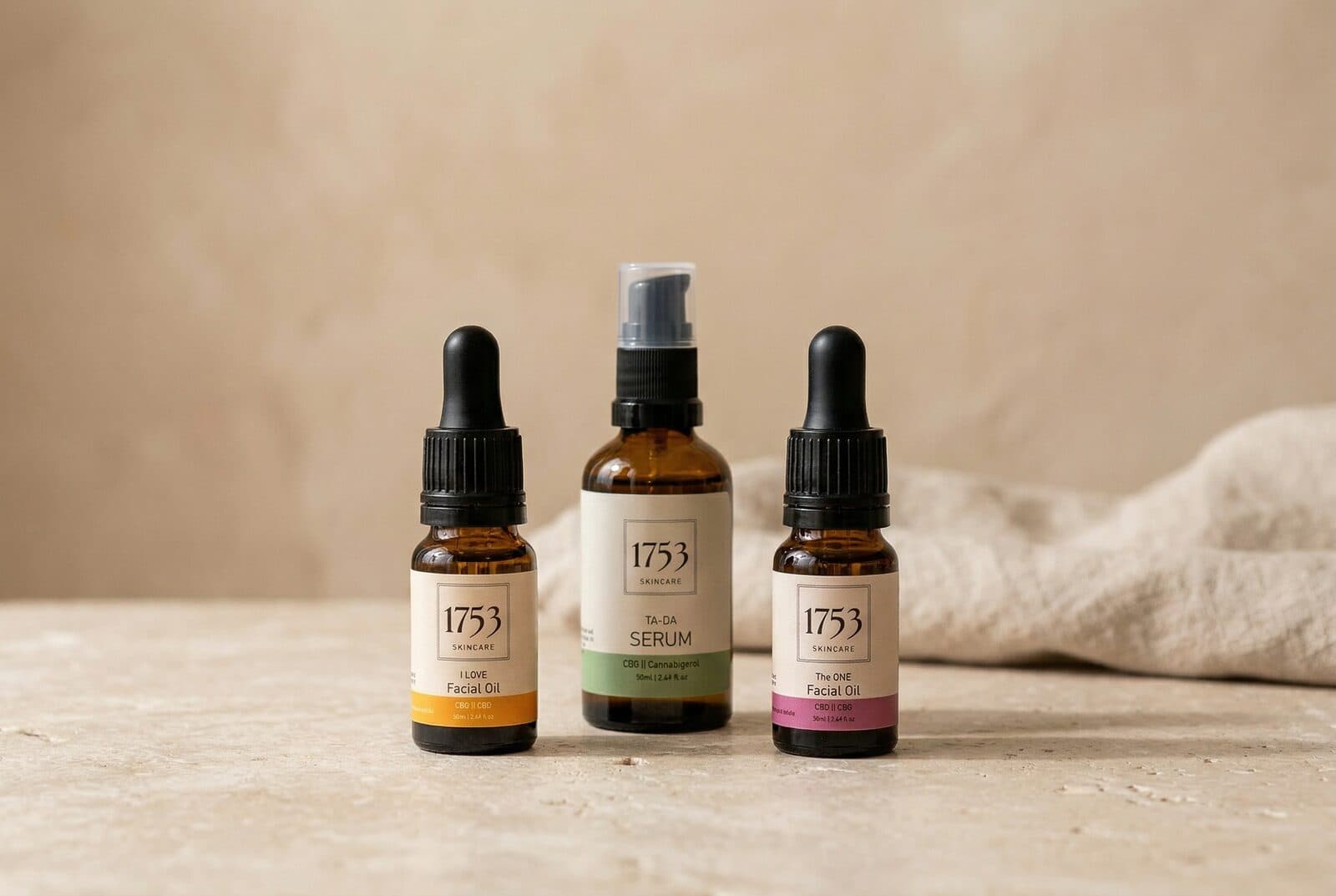
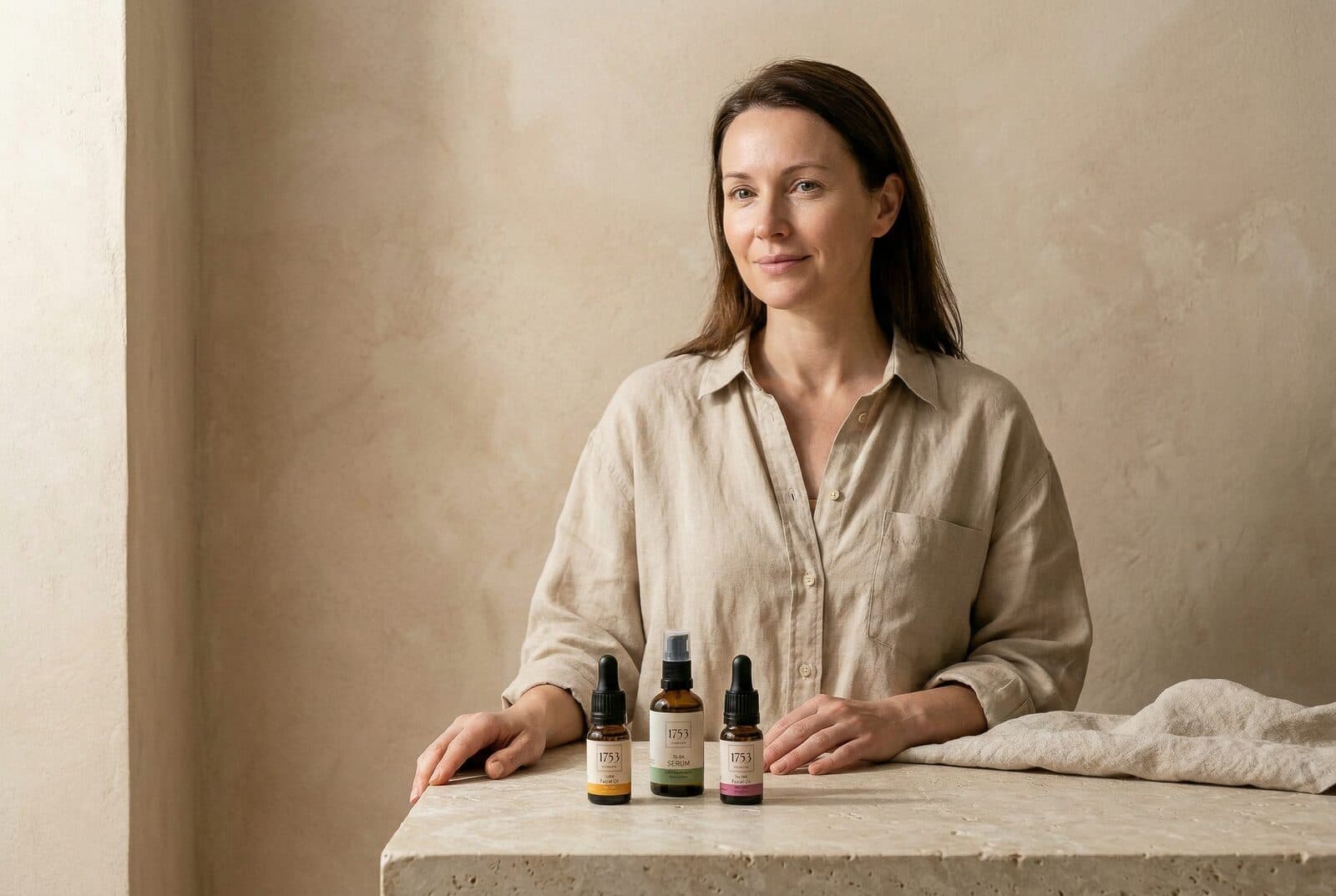
DUO kit + TA-DA Serum
The full routine in one: three products that help skin become calmer, stronger and more resilient.
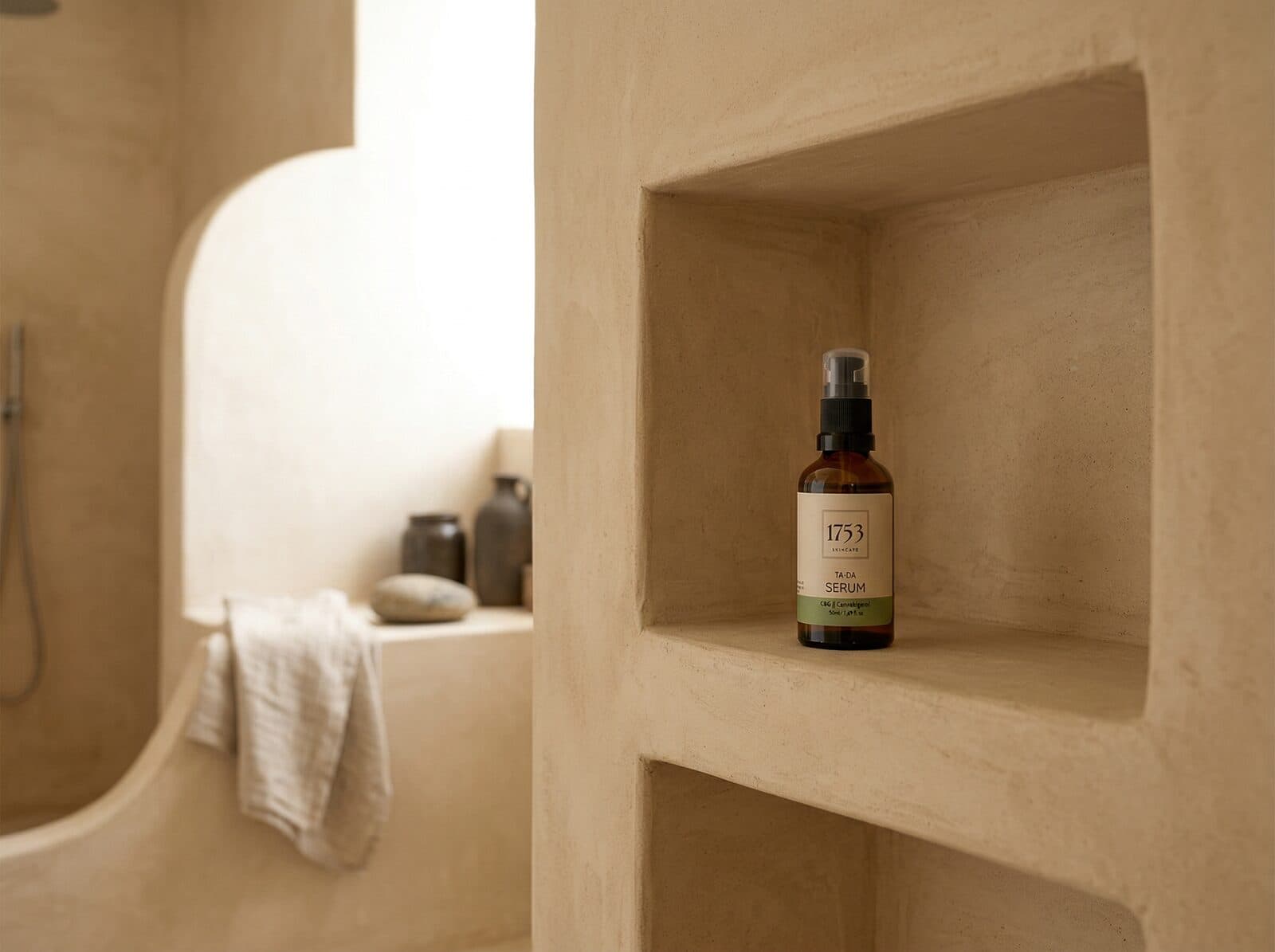
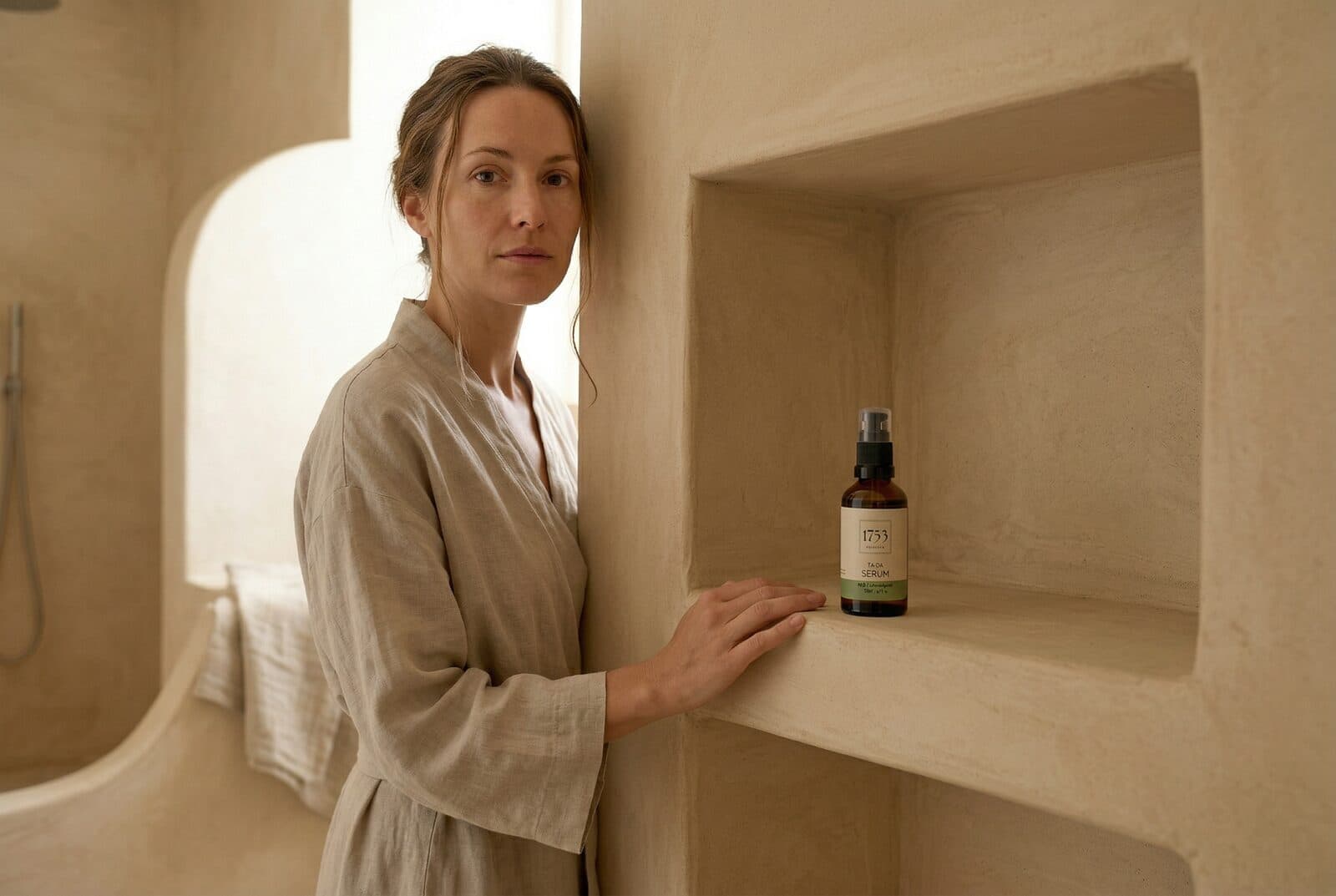
TA-DA Serum
A CBG-powered serum that seals in moisture and adds glow, whatever the season.
Frequently asked questions
Is physical sunscreen always better for sensitive skin?
Not always. Zinc oxide is often perceived as gentler, but the formula matters a lot. A well-made chemical sunscreen can work better for some people because it feels lighter and therefore gets used more consistently.
What does reef safe actually mean?
The term is often used without a strict standard. Some filters are discussed more than others in environmental conversations, but it’s worth looking at the whole formula and how relevant the issue is to your actual lifestyle.
Is titanium better than zinc oxide?
Titanium dioxide protects well against UVB and partly against UVA, while zinc oxide usually offers broader UVA coverage. For many people, zinc oxide is the more complete option, but both can be good depending on the formula and finish.
Why does chemical SPF feel better sometimes?
Chemical filters can give a thinner, more invisible finish and sit well under makeup. For many people, that texture is exactly what makes them apply enough and reapply when needed.
Sources
- Oláh A, Tóth BI, Borbíró I, et al. Cannabidiol exerts sebostatic and antiinflammatory effects on human sebocytes. J Clin Invest 2014;124(9):3713–3724.
- Tóth KF, Ádám D, Bíró T, Oláh A. Cannabinoid signaling in the skin: therapeutic potential of the c(ut)annabinoid system. Molecules 2019;24(5):918.
Article reviewed by Christopher Genberg, founder of 1753 SKINCARE.
Related articles
COMPARISON
cbd vs retinol – same conversation, different jobs
CBD and retinol are often grouped together, but they do not behave the same way. Retinol pushes cell...
Comparison
cbd vs hyaluronic acid – hydration or calm?
This is not a fight between two good ingredients. Hyaluronic acid draws water in. CBD works more aro...
COMPARISON
cbd vs niacinamide – two ways to less shine
If your skin is oily but also easily irritated, it is easy to get stuck between two classics: cbd vs...
Ingredient Portrait
cbd for skin – less noise, more balance
CBD for skin is interesting because it doesn’t try to bully the skin into behaving. It works with th...
Ingredient Portrait
cbg for skin – the mother cannabinoid that calms and renews
CBG usually lives in CBD’s shadow, but skin can tell the difference. This is the cannabinoid that ma...
Ingredient Portrait
Shea butter skin – rich, warm, not for everyone
Shea butter is one of skincare’s most loved butters, and one of the most misunderstood. It comes fro...