
WELLNESS
Sugar skin – when collagen starts paying the price
You can layer on all the cream you want, but if blood sugar keeps spiking, your skin often still shows it. Sugar skin is not a moral issue; it is biology: glycation, AGEs, and skin that slowly loses its spring. Once you see the mechanism, you can work with it.

Is your skin aging faster – or is your glycemic load the real driver?
When you eat a lot of sugar or fast carbs, blood glucose rises quickly, and the risk of glycation increases: sugar binds to proteins like collagen and elastin. That creates AGEs, advanced glycation end products, which make tissue stiffer and less elastic. In practice, that can show up as dullness, less bounce, and lines that look more pronounced.
This is not wellness folklore. Research links higher glycemic load with more inflammation and poorer skin quality, especially when insulin spikes happen all day and the body never gets a real break. Fructose is especially reactive in glycation pathways, which is why some sweet habits put more pressure on the skin than people expect.
So no, the answer is not to fear every dessert. But if your skin looks tired despite decent products, start with the system that feeds it. Ask yourself: am I hungry again two hours after eating? Do I crash every afternoon? That is often where the skin starts telling the truth.
Five things to test today
Eat sugar with food
If you want something sweet, have it after a meal, not on an empty stomach. That usually softens the glucose rise and the insulin spike that drives glycation.
Check your 3 p.m. slump
Ask yourself at 3:30 p.m.: am I truly hungry, or just crashing? If this happens daily, glycemic load is often the culprit, not lack of willpower.
Drop liquid sugar
Juice, soda, and sweet coffee drinks go down too fast. Your body has less time to regulate, and your skin pays for it over time with more AGEs.
Move the sweet hit earlier
A heavy sugary evening can interfere with overnight recovery. Try keeping your biggest carb hit earlier in the day and notice how your skin feels the next morning.
Audit breakfast
A breakfast built on quick sugar often creates more cravings later. Add protein or fat and see whether the late-morning dip — the one your skin can also feel — disappears.

How to work on skin from both sides
The smartest move is to stop treating skin like a separate universe. If you want to support sugar skin from within, Fungtastic gives the body a simple daily backbone, especially when stress, poor sleep, and rushed meals are already pushing the system. Not magic. Just a more sensible long game.
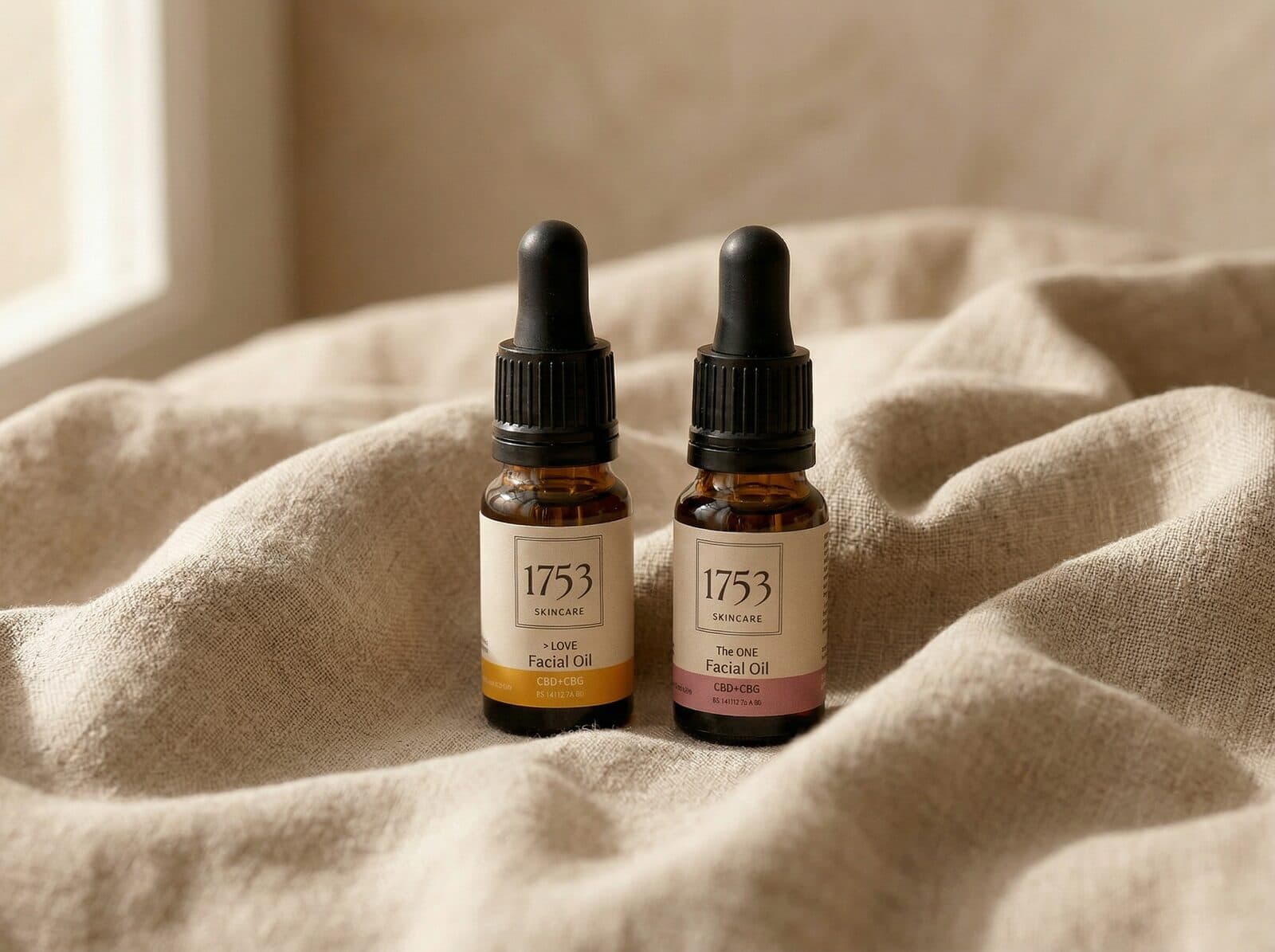
The outside needs calm, not harsher treatment. The DUO kit with The ONE and I LOVE gives the skin a balanced cannabinoid approach that feels especially right when skin is stressed, tight, or uneven. Add Ta-DA serum when you want an antioxidant-rich routine that is practical, not performative.
The point is not perfection. It is reducing the triggers that feed glycation while giving skin a better environment to recover. Fewer blood sugar swings. Less unnecessary wear. More calm, more evenness, more skin that looks like it finally got a full night’s sleep.
Products we recommend
 Save €34
DUO kit
Two face oils, one for morning and one for evening. Simple skincare that works with your skin, not against it.
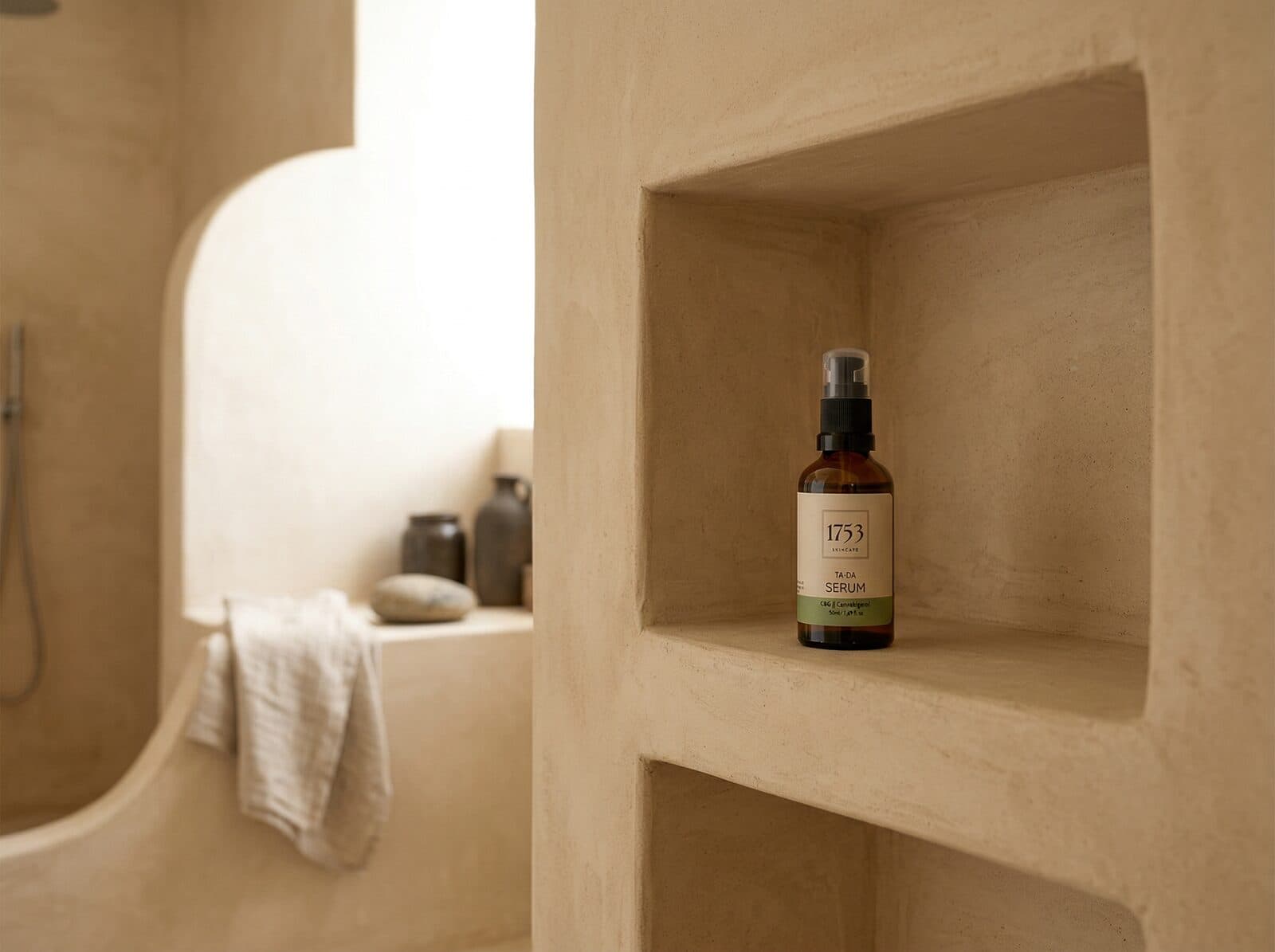
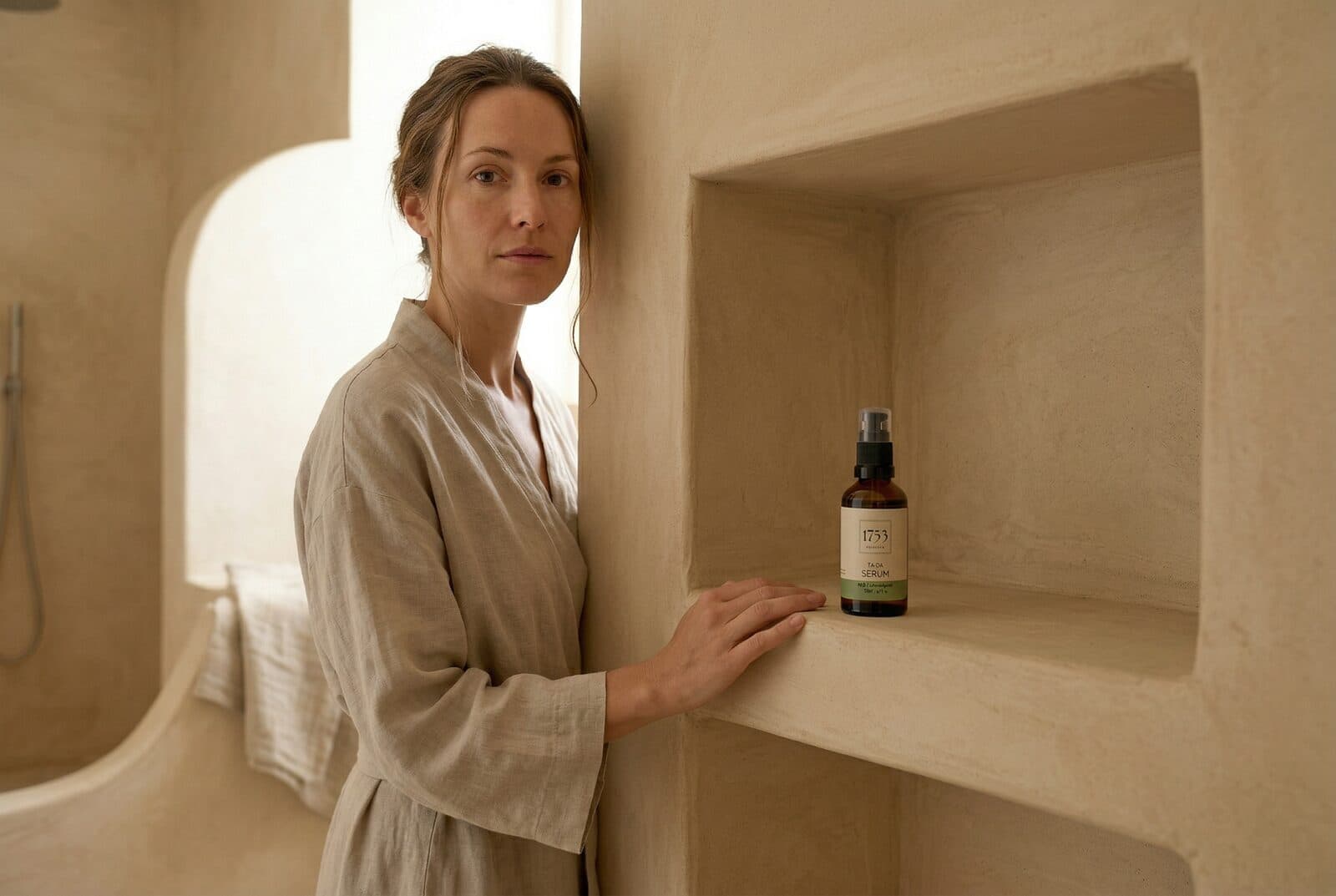
TA-DA Serum
A CBG-powered serum that seals in moisture and adds glow, whatever the season.
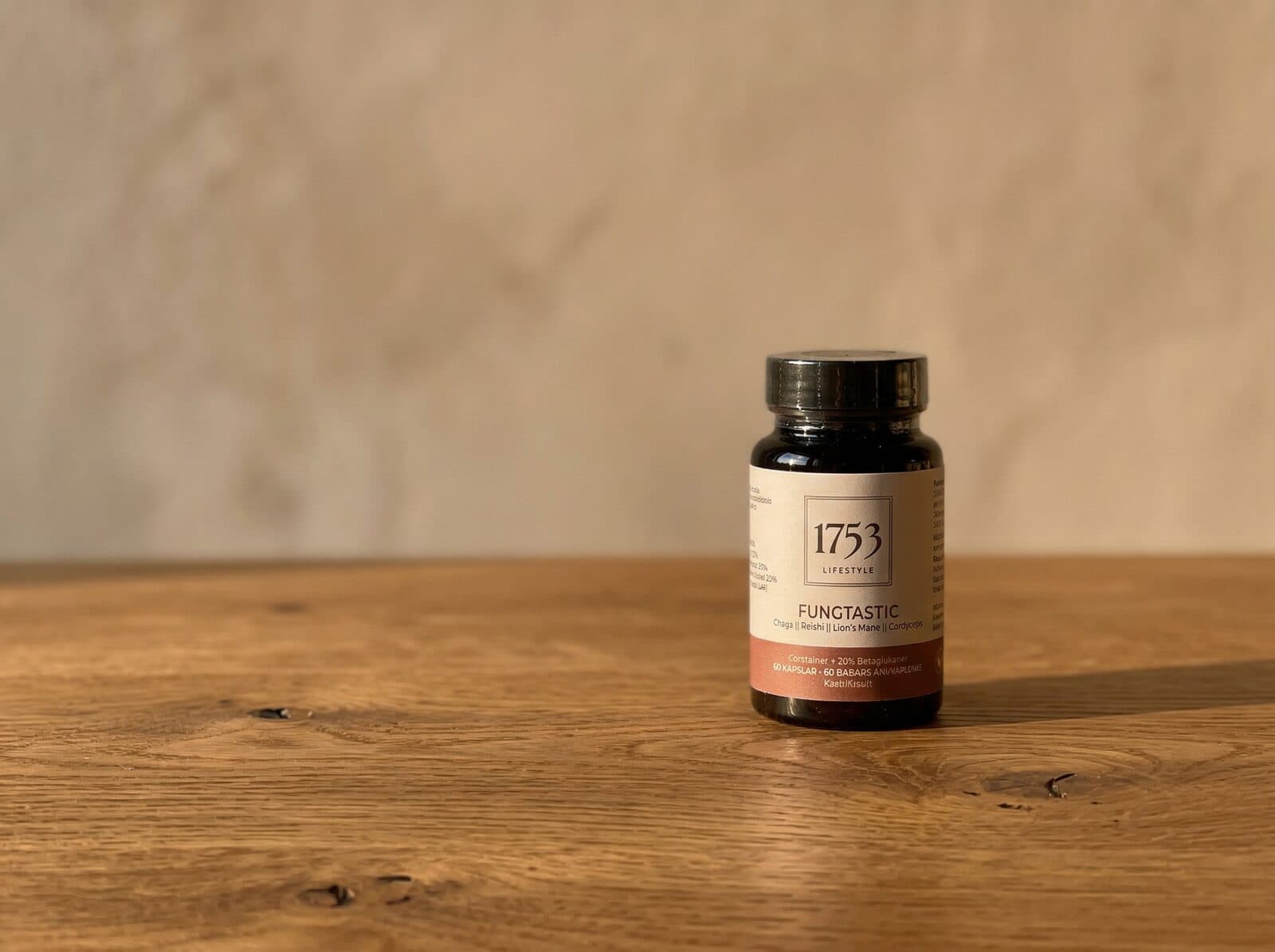

Fungtastic Mushroom Extract
Four mushrooms in one formula to support immunity, focus, energy and sleep from within.
Frequently asked questions
Do I need to cut out sugar completely?
No. Frequency, amount, and context matter more than total banishment. Dessert after a meal usually affects the body less than grazing on sweets all day.
How fast does sugar show up in the skin?
It varies, but many people notice changes in energy, puffiness, and skin feel within weeks when blood sugar becomes more stable. Collagen changes build over longer periods.
Is fruit a problem too?
Whole fruit behaves differently from soda or candy because fiber slows absorption. Concentrated fructose is more relevant to watch than an apple or orange.
Can skincare really help sugar skin?
Not the cause, but it can help the skin look calmer. The ONE, I LOVE, and Ta-DA serum support the outside so it handles stressful periods better.
Sources
- Chen Y, Lyga J. Brain-skin connection: stress, inflammation and skin aging. Inflamm Allergy Drug Targets 2014;13(3):177–190.
- Walker MP, van der Helm E. Overnight therapy? The role of sleep in emotional brain processing. Psychol Bull 2009;135(5):731–748.
- Katta R, Desai SP. Diet and Dermatology: The Role of Dietary Intervention in Skin Disease. J Clin Aesthet Dermatol 2014;7(7):46–51.
Article reviewed by Christopher Genberg, founder of 1753 SKINCARE.
Related articles
Wellness
Sleep skin connection – when the night does the work
Beauty sleep is not a cliché. While you sleep, cortisol drops, growth hormone rises and the body get...
Wellness Axis
Gut skin connection – when the gut shows on your face
Your skin is not a separate island. It listens to your gut, your stress, and the state of your intes...
WELLNESS
Stress skin – when your body hits the alarm button
You usually feel it before you can explain it: redness, tightness, stinging, or a psoriasis flare th...
Lifestyle
Perimenopause and skin – when everything shifts at once
One day your skin feels drier, thinner and suddenly touchy. Adult acne may show up, fine lines look ...
Cyclic Skincare
Menstrual Cycle and Skin – why one routine doesn’t fit all
Your skin doesn’t run on a fixed schedule; it runs with your body. Across the menstrual cycle, hormo...
Postpartum Skin
Postpartum skin – why it changes so much
After pregnancy, skin can feel like it belongs to someone else. Hormones drop, sleep gets broken, an...