
Barrier Science
Skin barrier lipids – tiny molecules, huge impact
Your barrier is not just “dry skin” in disguise. It is built from skin barrier lipids like ceramides, cholesterol and free fatty acids working in a very specific balance. When that balance slips, you feel it fast: tightness, water loss and skin that suddenly dislikes everything.

Why does skin fall apart when the lipid balance shifts?
The skin barrier lives mainly in the stratum corneum, where dead skin cells are held together by a lipid matrix. Think bricks and mortar: the cells are the bricks, the lipids are the mortar. In that mortar blend, ceramides, cholesterol and free fatty acids dominate, often in an approximate 1:1:1 ratio. Studies from 2020–2025 show that when this balance is disrupted, transepidermal water loss rises and the skin becomes more permeable to irritants.
Ceramides are not one ingredient but a whole family of subtypes. Some ceramide subtypes are especially important for creating tight, highly ordered layers in the barrier. If ceramides drop, or cholesterol and free fatty acids fail to keep pace in the right proportions, the barrier loses structure. That is why “just add more oil” is not always the answer.
Fatty acid chain length matters too. Longer and more saturated chains pack differently than shorter ones, which changes how stable the lipid layers are. It also explains why harsh cleansing, over-exfoliation and aggressive acids often do more harm than good on stressed skin. The barrier does not need punishment. It needs rebuilding, calmly.
What can you do today?
Cleanse more gently
Choose a cleanser that removes grime without stripping the skin. If your face feels tight right after washing, you are probably doing too much.
Cut back on exfoliation
Over-exfoliating disrupts the lipid layer and increases water loss. Reduce frequency until your skin looks calmer and feels less raw.
Think in balance
Look for products that support several parts of the barrier, not just one flashy active. The barrier likes teamwork, not lone heroes.
Choose barrier-friendly lipids
Formulas with soothing oils and supportive lipids can help skin feel more stable. The goal is less leakage, not a heavy seal.
Give it time
Barrier repair is rarely overnight. Think in weeks, not minutes, and let your skin respond before adding more.

So how do you actually fix it?
The smart move is to stop battling your skin and start supporting its building blocks. When the lipid environment gets the right backup, the stratum corneum can pack more tightly, hold onto water better and handle everyday stress like wind, cold and too-frequent washing. Not glamorous. Just effective.
That is where 1753 SKINCARE fits naturally, using phytocannabinoids from certified hemp in safer, more considered formulas. The ONE combines CBD and MCT in a skin-regulating facial oil that helps skin feel less reactive. I LOVE with CBG is a calming serum with an antibacterial profile, while Ta-DA serum brings antioxidant support with CBG and adaptogens when skin needs more than hydration.
If you want a methodical routine, the DUO kit with The ONE and I LOVE is an easy way to support the barrier from multiple angles. Add Ta-DA when skin feels tired, stressed or exposed. It is not magic in a bottle. It is a more intelligent way to give skin the conditions it needs to restore its own lipid balance.
Products we recommend
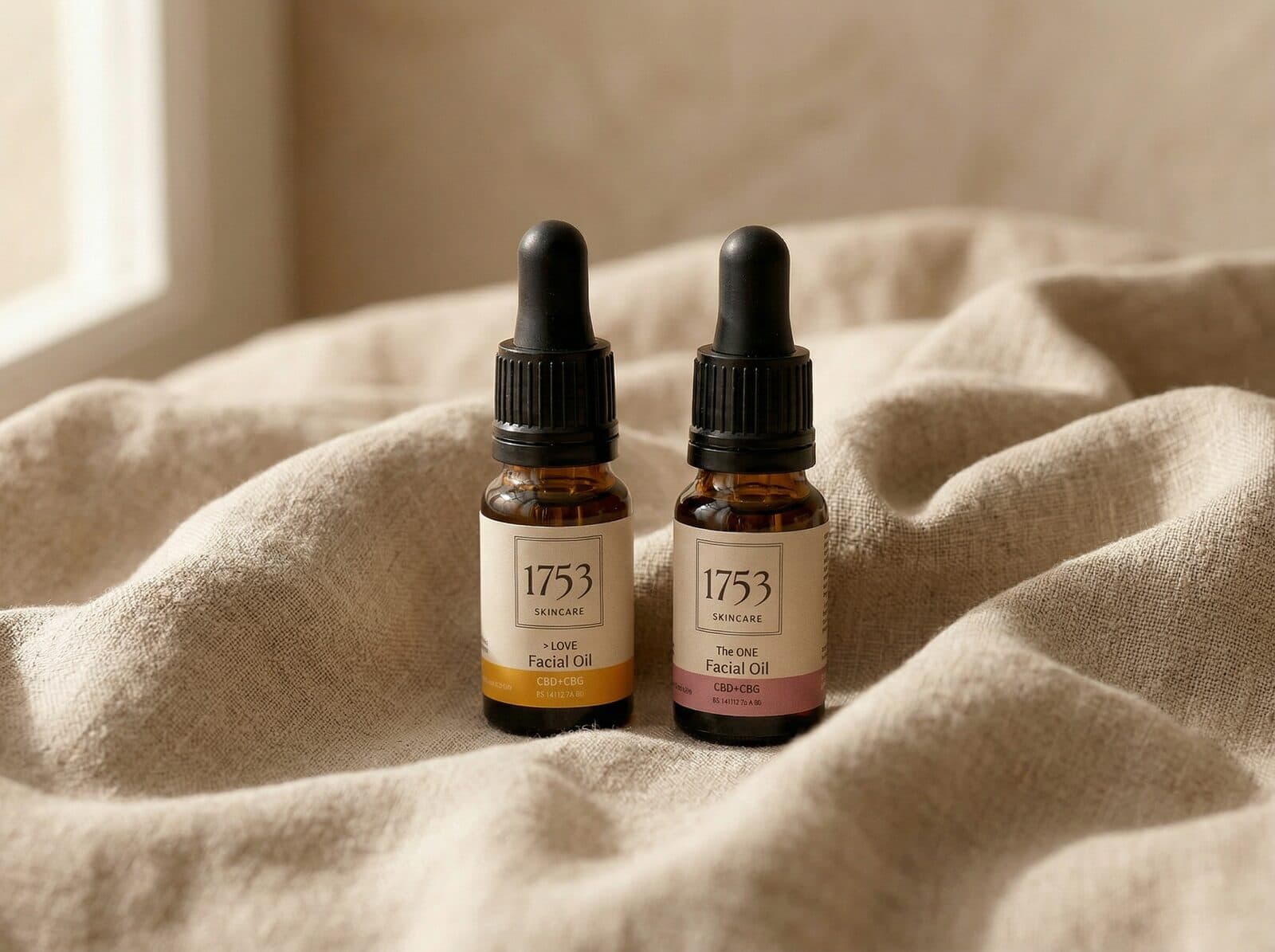
 Save €34
DUO kit
Two face oils, one for morning and one for evening. Simple skincare that works with your skin, not against it.
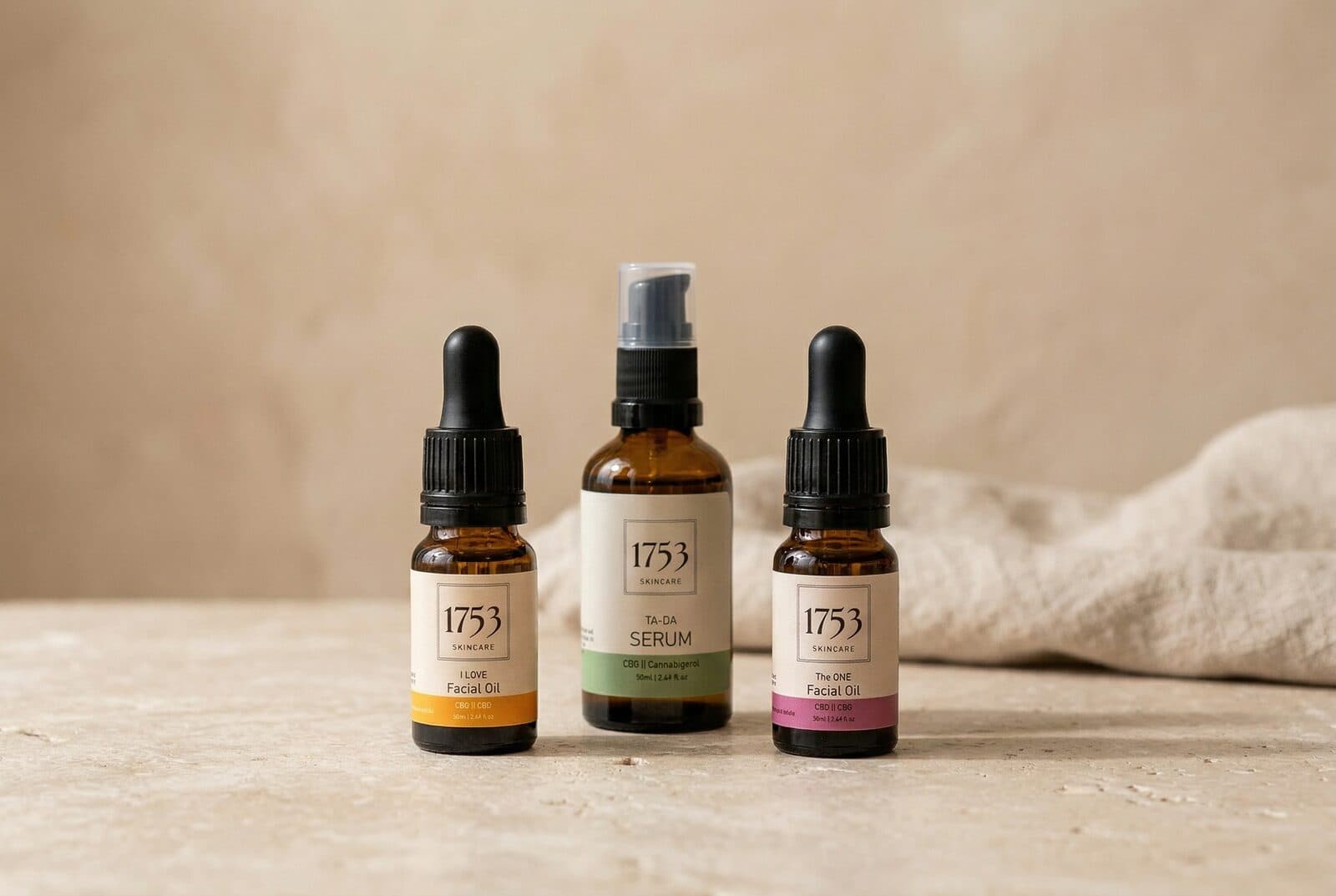
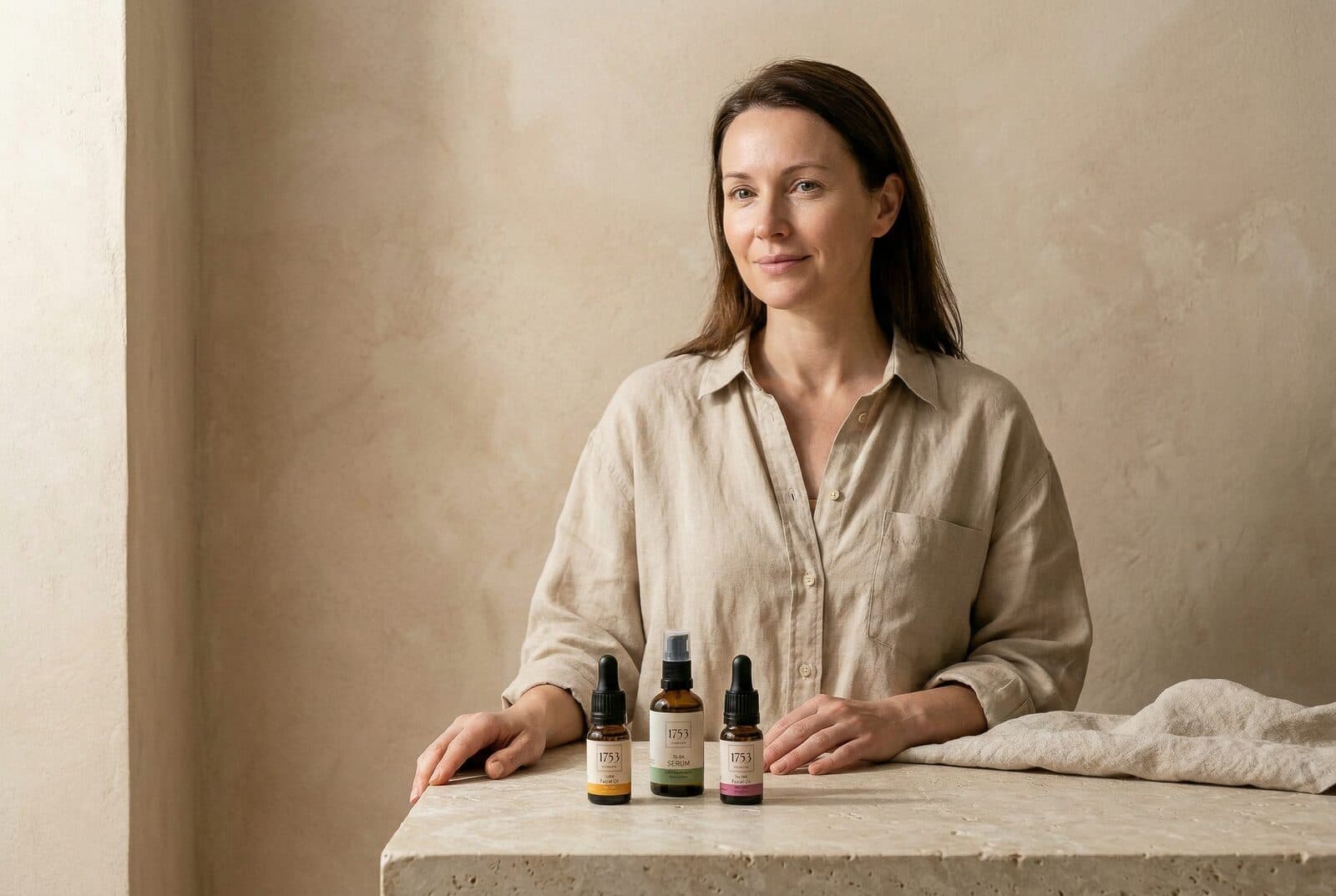 Save €60
DUO kit + TA-DA Serum
The full routine in one: three products that help skin become calmer, stronger and more resilient.
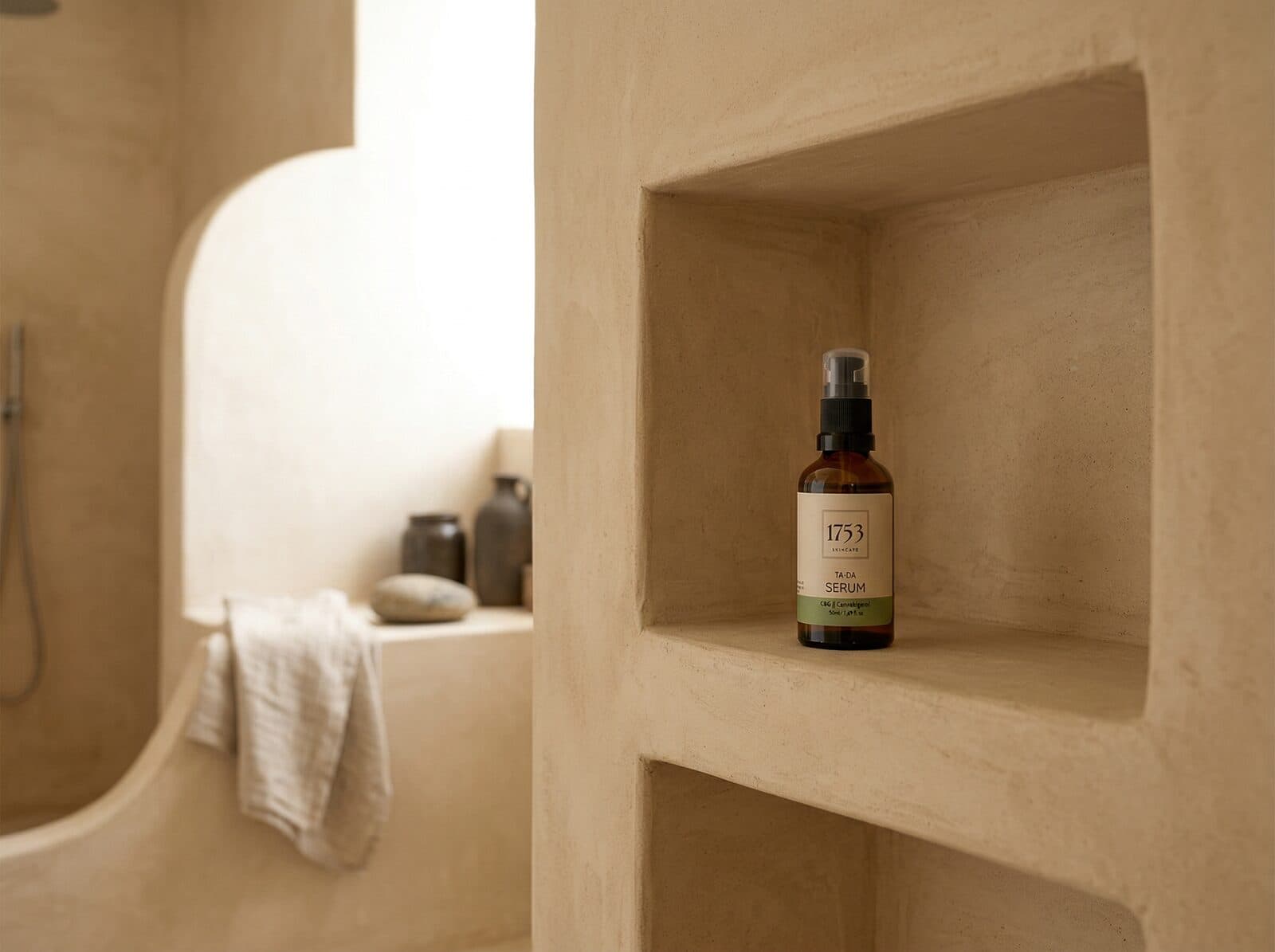
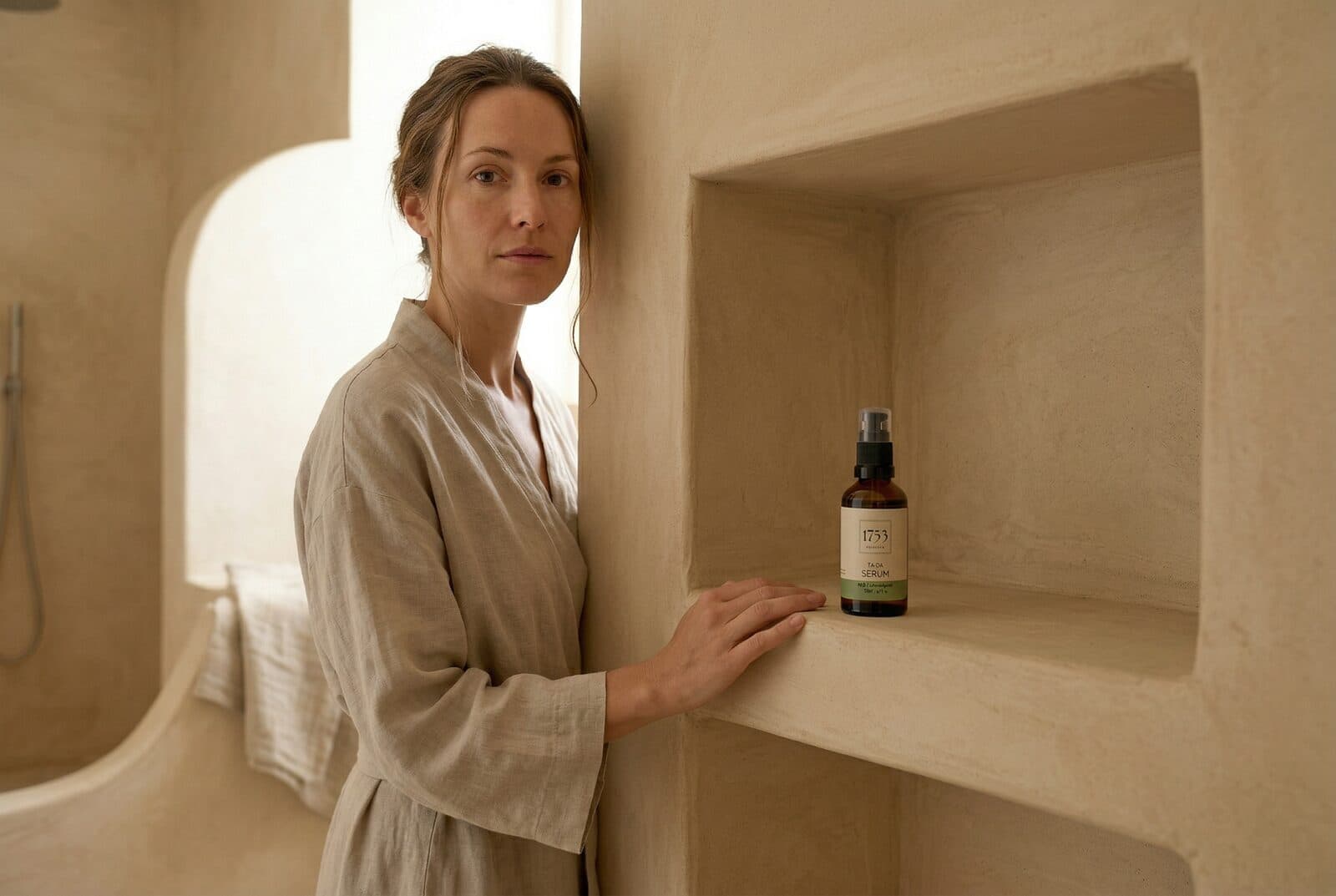
TA-DA Serum
A CBG-powered serum that seals in moisture and adds glow, whatever the season.
Frequently asked questions
What does the 1:1:1 ratio mean?
It refers to the approximate balance of ceramides, cholesterol and free fatty acids in the barrier. When those proportions drift, lipid layers become less organized and the skin loses water more easily.
Are all ceramides the same?
No. Ceramides come in multiple subtypes, and some are especially important for building tight, stable barrier layers. That is why skincare needs more nuance than “more oil is better.”
Why does fatty acid chain length matter?
Because chain length affects how lipids pack together. Longer chains can support more ordered structures, which in practice can make the barrier more resilient.
Can an oil replace the skin’s own lipids?
Not completely. But the right oil can reduce discomfort, support softness and help the skin function better while it recovers. It is support, not replacement.
Sources
- Bíró T, Tóth BI, Haskó G, Paus R, Pacher P. The endocannabinoid system of the skin in health and disease. Trends Pharmacol Sci 2009;30(8):411–420.
- Tóth KF, Ádám D, Bíró T, Oláh A. Cannabinoid signaling in the skin: therapeutic potential of the c(ut)annabinoid system. Molecules 2019;24(5):918.
- Byrd AL, Belkaid Y, Segre JA. The human skin microbiome. Nat Rev Microbiol 2018;16(3):143–155.
Article reviewed by Christopher Genberg, founder of 1753 SKINCARE.
Related articles
Science
Endocannabinoid system skin guide – your skin’s built-in calm
Your skin is not just a surface. It is a living control system trying to stay calm, resilient, and b...
SKIN SCIENCE
CB1 CB2 receptors skin – let the skin lead for once
Skin is not a passive surface. It has its own signalling network, where CB1 and CB2 help shape calm,...
Science
ECS and stress – your body’s built-in brake
Stress is not just a mindset problem. It starts as a biological chain reaction: the HPA axis fires, ...
Ingredient Portrait
cbd for skin – less noise, more balance
CBD for skin is interesting because it doesn’t try to bully the skin into behaving. It works with th...
Ingredient Portrait
cbg for skin – the mother cannabinoid that calms and renews
CBG usually lives in CBD’s shadow, but skin can tell the difference. This is the cannabinoid that ma...
Ingredient Portrait
Shea butter skin – rich, warm, not for everyone
Shea butter is one of skincare’s most loved butters, and one of the most misunderstood. It comes fro...