
Winter Skin
Ski holiday skin – when the mountains test everything
A week on the slopes can feel like a holiday for your head and a stress test for your skin. Snow reflects a lot of UV, the air gets drier at altitude, and the wind strips away more than just your good mood. Here’s how to keep ski holiday skin calm, soft and less reactive.

Why does skin get so annoyed in the mountains?
On a ski holiday, skin gets hit from three sides at once: higher UV exposure, lower humidity and wind-driven irritation. Snow can reflect up to about 80 percent of UV radiation, so you’re not only getting light from above, but also from below. Add altitude dryness and the skin loses water faster than usual.
This is not just “dry skin.” When the barrier loses lipids and water, transepidermal water loss rises and skin becomes more reactive. A lot of people respond by scrubbing harder, cleansing more aggressively or piling on actives. That is usually the wrong move when the climate is already doing enough damage. Skin needs less friction, not more.
Red cheeks, tightness and that strange shiny-yet-parched feeling are classic signs that the barrier is under pressure. The good news: you can meet that pressure with fewer, smarter steps. Think stability, protection and gentle cleansing, not the fake “clean” feeling that really just means stripped skin.
How to prep skin for the mountains
Switch to gentle cleansing
Don’t strip your skin before or during the trip. A mild oil cleanser is enough when sunscreen, helmets and cold air are already doing the work of irritation.
Build barrier support
Use an oil or serum that helps skin feel more stable before you head out. It makes a real difference when dry air and freezing wind are pulling moisture away.
Plan for extra UV
Snow reflects sunlight, so don’t think “winter” and forget “UV.” Apply earlier than you think you need to, and top up through a long day outside.
Cut back on exfoliation
Skip acids and harsh scrubs in the days before and during the trip. A stressed barrier needs recovery, not more shedding.
Shield your cheeks from wind
Use a hat, neck warmer and real physical coverage to break the wind. In the mountains, that’s often the most underrated skin step of all.

How to actually solve ski holiday skin
Start simple: The ONE gives skin a regulating oil base that makes sense when the weather shifts from freezing chairlift mornings to warm lodge evenings. It helps skin hold together better when dry high-altitude air would otherwise steal comfort. For many people, that’s the difference between “tight all day” and “okay, my skin is coping.”
Want extra protection without overloading the routine? Ta-DA serum is the kind of extra layer that fits when UV, wind and temperature swing wildly over a single week. Paired with the DUO kit, you get a stable base with the full cannabinoid-spectrum feel from The ONE and I LOVE, which is exactly what skin needs when it has to survive lift lines and après-ski.
When the climate has already upset your skin, Au Naturel Makeup Remover is the quiet hero. The MCT oil cleanses without picking a fight with the barrier, which is exactly what mountain skin usually wants. Less friction, less drama, more skin that feels like itself again after snow, wind and long days outside.
Products we recommend

 Save €34
DUO kit
Two face oils, one for morning and one for evening. Simple skincare that works with your skin, not against it.
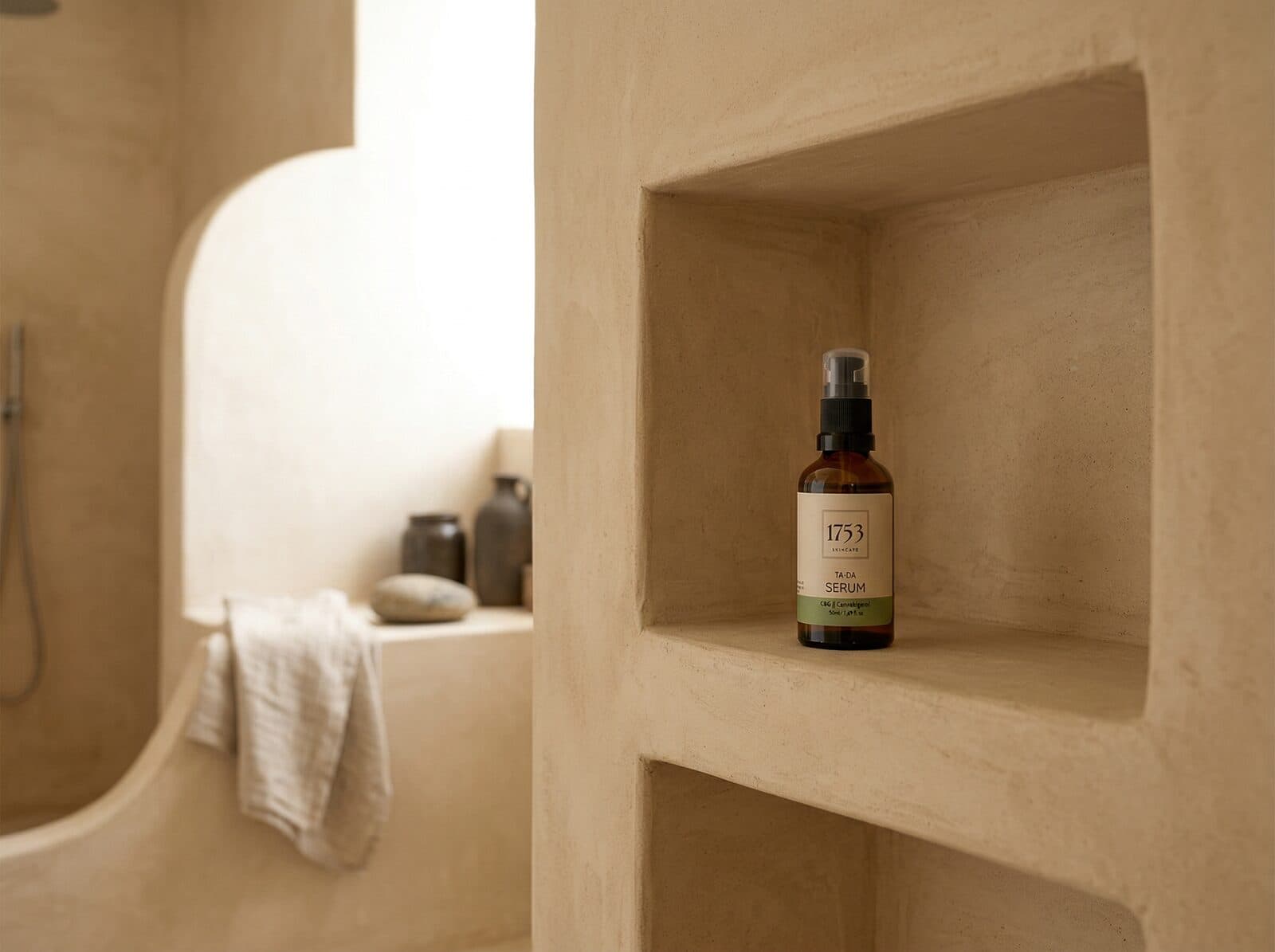
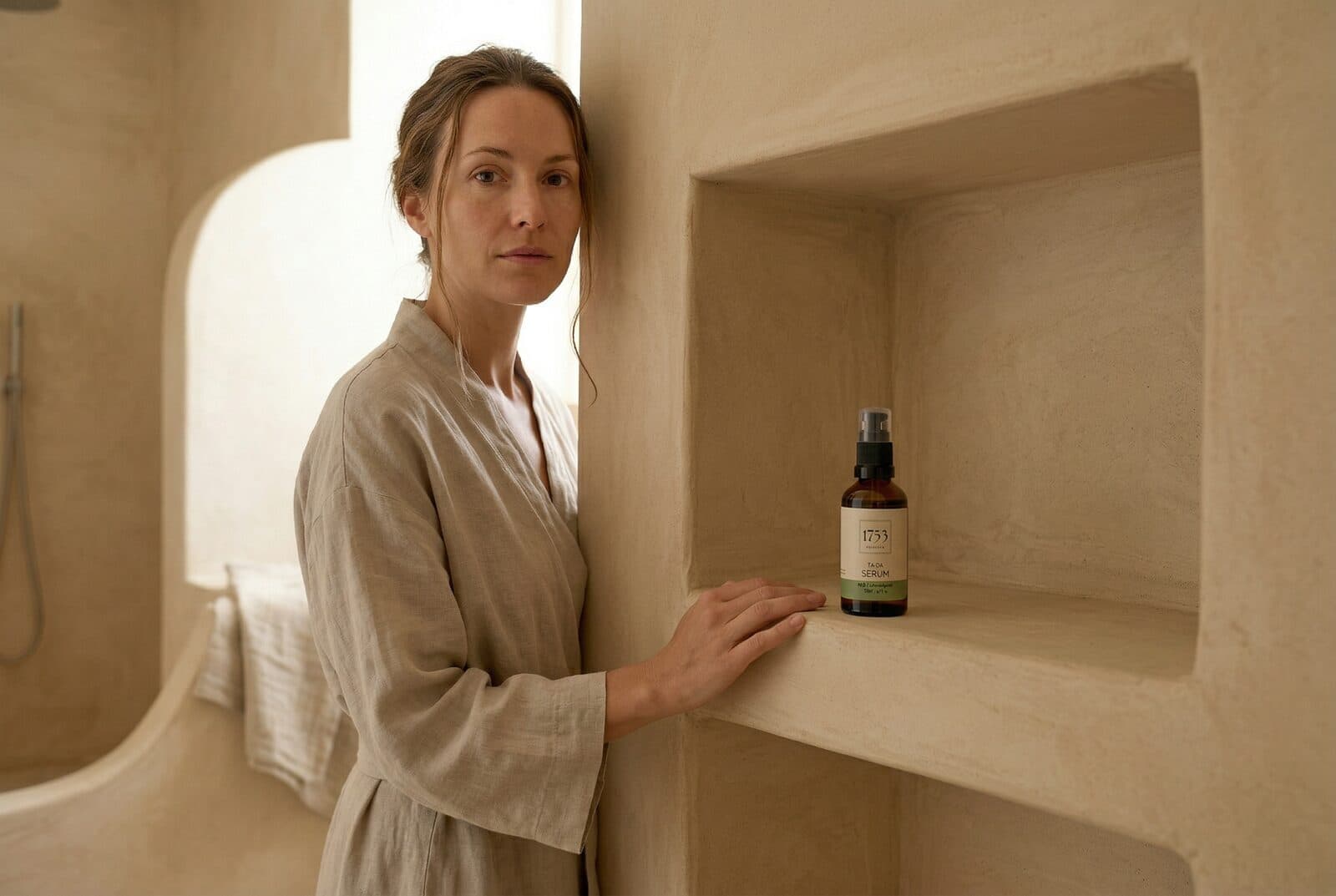
TA-DA Serum
A CBG-powered serum that seals in moisture and adds glow, whatever the season.
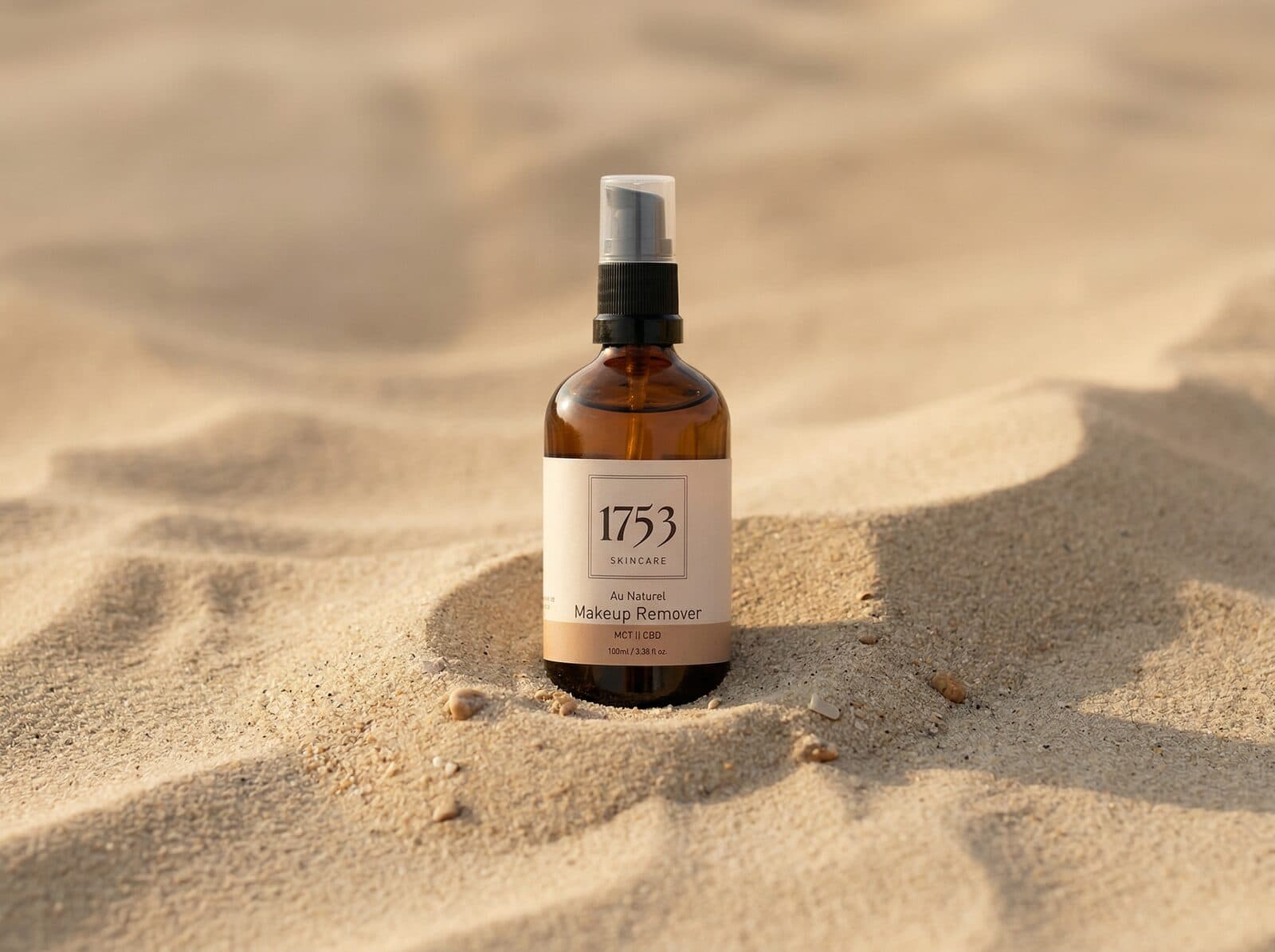
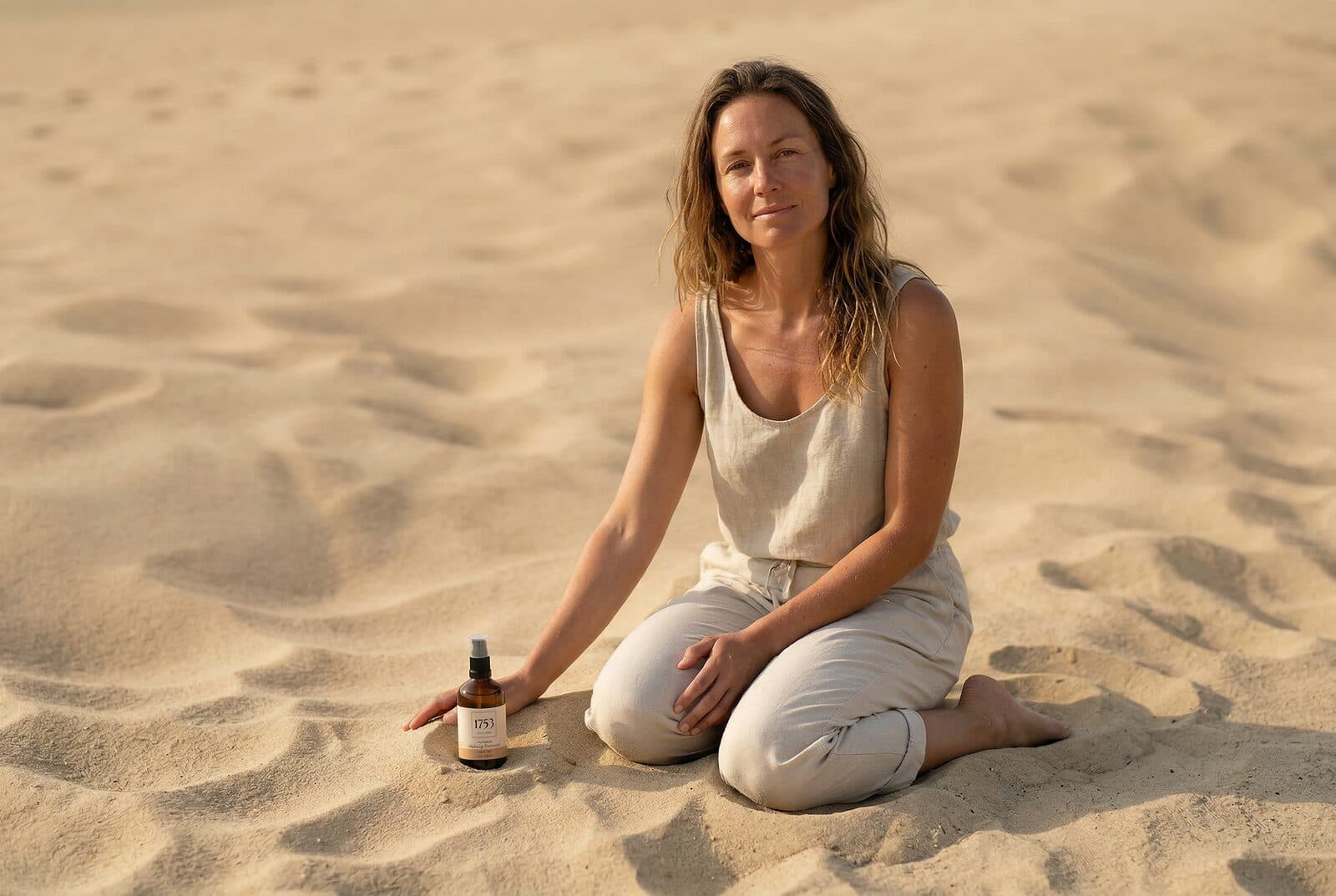
Au Naturel Makeup Remover
A cleansing oil with MCT and CBD that removes makeup and buildup without stripping your skin bare.
Frequently asked questions
Do I really need UV protection on a ski holiday?
Yes, often more than people expect. Snow reflects a lot of UV and altitude can intensify exposure, so winter does not mean low sun. Treat your skin like it is still out in strong daylight.
Why does skin get so dry in the mountains?
Low humidity at altitude increases water loss from the skin, and cold plus wind make it worse. When the barrier is stressed, skin feels tight, flaky and more easily irritated.
Can I use more actives while I travel?
You can, but it is rarely a smart idea when skin is already facing cold, UV and wind. A ski trip is usually the time for fewer steps, gentler cleansing and more barrier support.
What is the most important thing to pack for skin?
A gentle cleanser, a stable oil or serum, and something that protects against sun and wind. It sounds simple, but that simplicity is often what saves mountain skin.
Sources
- Engebretsen KA, Johansen JD, Kezic S, Linneberg A, Thyssen JP. The effect of environmental humidity and temperature on skin barrier function and dermatitis. J Eur Acad Dermatol Venereol 2016;30(2):223–249.
- Lin TK, Zhong L, Santiago JL. Anti-Inflammatory and Skin Barrier Repair Effects of Topical Application of Some Plant Oils. Int J Mol Sci 2017;19(1):70.
Article reviewed by Christopher Genberg, founder of 1753 SKINCARE.
Related articles
Seasonal Skin
Summer Skin Guide – let skin breathe
When UV index sits at 6–11, sweat is constant and the air feels thick, your skin does not need a res...
Seasonal Damage
sunburn skin rescue – cool it, calm it, leave it alone
A sunburn often looks harmless at first, then the heat and sting start talking back. What you’re dea...
Travel Skin
Travel skin jetlag – when your face lands later
The plane may have taken you somewhere warm, but your skin often stays back in the cabin. With cabin...
Cyclic Skincare
Menstrual Cycle and Skin – why one routine doesn’t fit all
Your skin doesn’t run on a fixed schedule; it runs with your body. Across the menstrual cycle, hormo...
Postpartum Skin
Postpartum skin – why it changes so much
After pregnancy, skin can feel like it belongs to someone else. Hormones drop, sleep gets broken, an...
Skin Streaming
Minimalist 5 step routine – why less can do more
Skincare has become too much of everything: too many steps, too much exfoliation, too much cleansing...