
Ingredient Portrait
Shea butter skin – rich, warm, not for everyone
Shea butter is one of skincare’s most loved butters, and one of the most misunderstood. It comes from the kernels of <em>Vitellaria paradoxa</em> and brings a dense, comforting, deeply emollient feel. For some skin types, it’s perfect. For others, it’s simply too heavy.
Is shea butter actually kind to skin?
Shea butter is built mainly from fatty acids like stearic acid and oleic acid, plus a smaller share of triterpenes and other plant compounds. That makes it softening and protective, but also quite rich. On skin, it forms an occlusive layer that reduces transepidermal water loss, meaning less moisture escapes.
That’s exactly why shea butter can feel amazing on dry, tight skin. But its higher oleic acid content and dense texture can also give it a comedogenic potential for some people, especially if skin is already prone to congestion or if too much is applied. Its melting point sits close to skin temperature, so it melts fast and feels almost buttery on contact.
Conventional skincare often acts like richer automatically means better. Skin doesn’t work that way. Sometimes it needs calm, balance, and a lighter formula that doesn’t sit on top like a lid. If your skin gets shiny, bumpy, or weighed down by heavy creams, that’s not a personal failure. It’s a mismatch.
How to use shea butter wisely
Patch test on dry areas
Start with a small amount on dry patches, not your whole face. A pea-sized amount at night for 2–3 days is enough to see how your skin responds.
Pair it with lighter textures
If you want to use shea butter on your face, keep the layer minimal and pair it with a lighter base. Thick application usually adds more heaviness than benefit.
Skip it if you clog easily
If you’re prone to breakouts, milia, or greasy shine, shea butter may be too much. A simpler, lower-fat texture is often the better call.
Use it on the body
Shea butter often works better on elbows, legs, and dry hands than on the face. There it can do its occlusive job without being as risky for pores.
Match it to the climate
In cold, dry weather, shea butter can be more helpful than in warm, humid city air. Skin needs change with the season, not with marketing.

How to ease dryness without clogging up
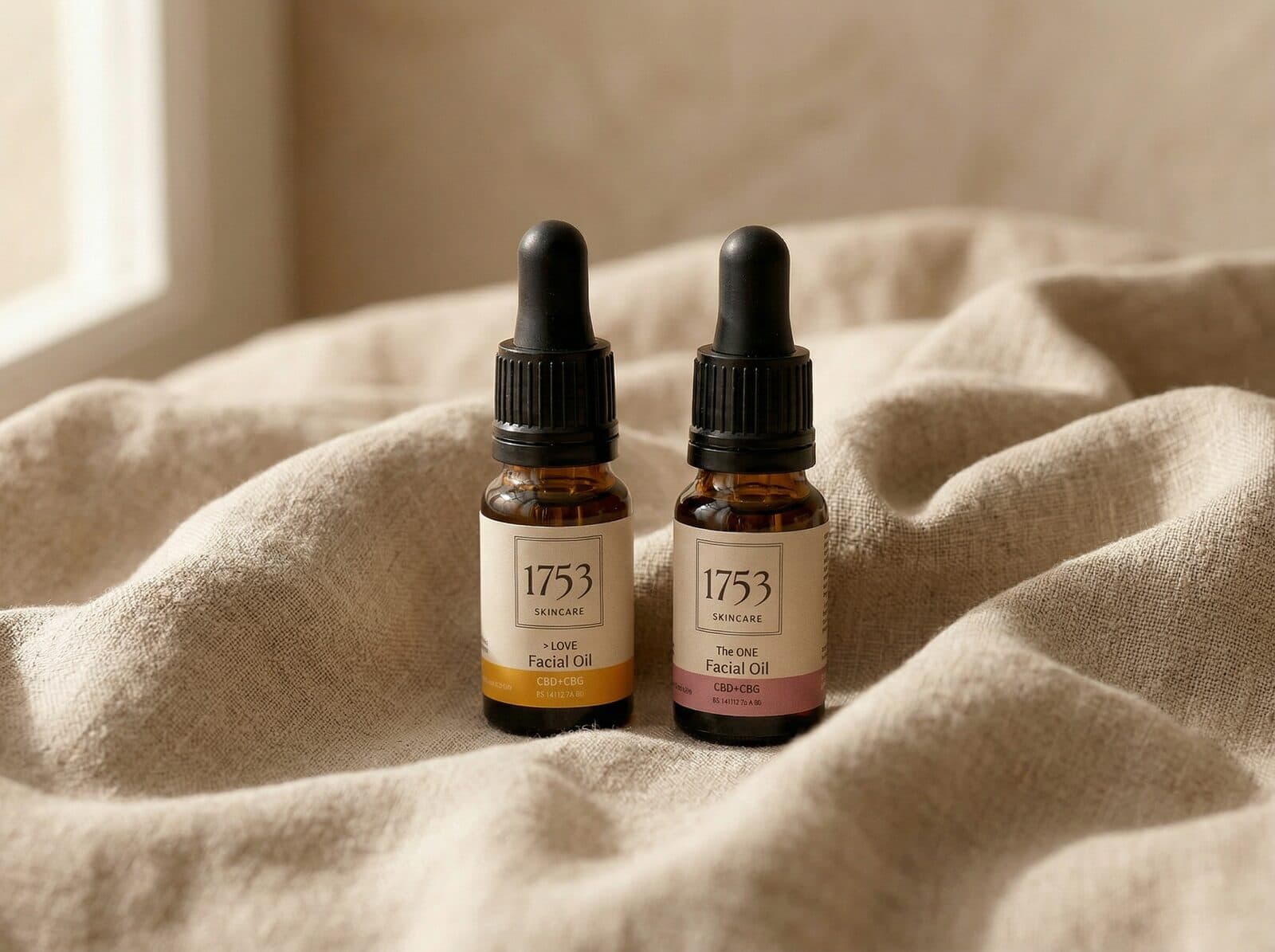
If you want comfort, softness, and a calmer skin feel without the weight of shea butter, cannabinoids are often the smarter move. The ONE with CBD and MCT gives skin-regulating comfort in a lighter format, while I LOVE with CBG is made to soothe skin that gets irritated easily.
For a more complete routine, the DUO kit makes sense: The ONE and I LOVE together deliver a full cannabinoid spectrum in a skin-friendly form. It aims for the same thing people want from shea butter — softness and protection — without sealing the skin under a heavy layer.
And if your skin mainly needs cleansing without being stripped, reach for Au Naturel Makeup Remover with MCT oil instead of harsh cleansers that leave skin tight. Shea butter may be lovely on the body, but on the face, lighter oil, soothing cannabinoids, and less aggressive skincare usually win.
Frequently asked questions
Is shea butter good for the face?
It depends on your skin. Very dry skin may love it, but combination, acne-prone, or easily congested skin can find it too heavy.
What does comedogenic potential mean?
It describes how likely an ingredient is to contribute to clogged pores in some people. It’s not a universal verdict, but it matters if you break out or get milia easily.
Why does shea butter feel so soft?
Because its melting point is close to skin temperature. It melts quickly on contact and forms a soft, protective film.
Is there a lighter option for calm skin?
Yes. CBD- and CBG-based products like The ONE and I LOVE often deliver a calm, balanced feel without the suffocating heaviness.
Sources
- Oláh A, Tóth BI, Borbíró I, et al. Cannabidiol exerts sebostatic and antiinflammatory effects on human sebocytes. J Clin Invest 2014;124(9):3713–3724.
- Lin TK, Zhong L, Santiago JL. Anti-Inflammatory and Skin Barrier Repair Effects of Topical Application of Some Plant Oils. Int J Mol Sci 2017;19(1):70.
- Tóth KF, Ádám D, Bíró T, Oláh A. Cannabinoid signaling in the skin: therapeutic potential of the c(ut)annabinoid system. Molecules 2019;24(5):918.
Article reviewed by Christopher Genberg, founder of 1753 SKINCARE.
Related articles
Ingredient Portrait
cbd for skin – less noise, more balance
CBD for skin is interesting because it doesn’t try to bully the skin into behaving. It works with th...
Ingredient Portrait
cbg for skin – the mother cannabinoid that calms and renews
CBG usually lives in CBD’s shadow, but skin can tell the difference. This is the cannabinoid that ma...
Ingredient Portrait
Rosemary extract skin – quiet protection, real function
Rosemary extract is one of those ingredients that rarely grabs attention, but often does the importa...
How to
Natural retinol alternatives – when your skin wants results, not punishment
Retinol has been crowned the answer to everything, but skin rarely cares about trends. If you’re sen...
Skin Streaming
Minimalist 5 step routine – why less can do more
Skincare has become too much of everything: too many steps, too much exfoliation, too much cleansing...
COMPARISON
cbd vs retinol – same conversation, different jobs
CBD and retinol are often grouped together, but they do not behave the same way. Retinol pushes cell...