
Ingredient Portrait
Selenium skin – the small mineral doing the heavy lifting
Selenium is not a glossy skincare buzzword. It’s a trace mineral your body actually uses, especially to support its own antioxidant defense system. For skin, that means less oxidative stress when life, sun, and overdone skincare start piling on.
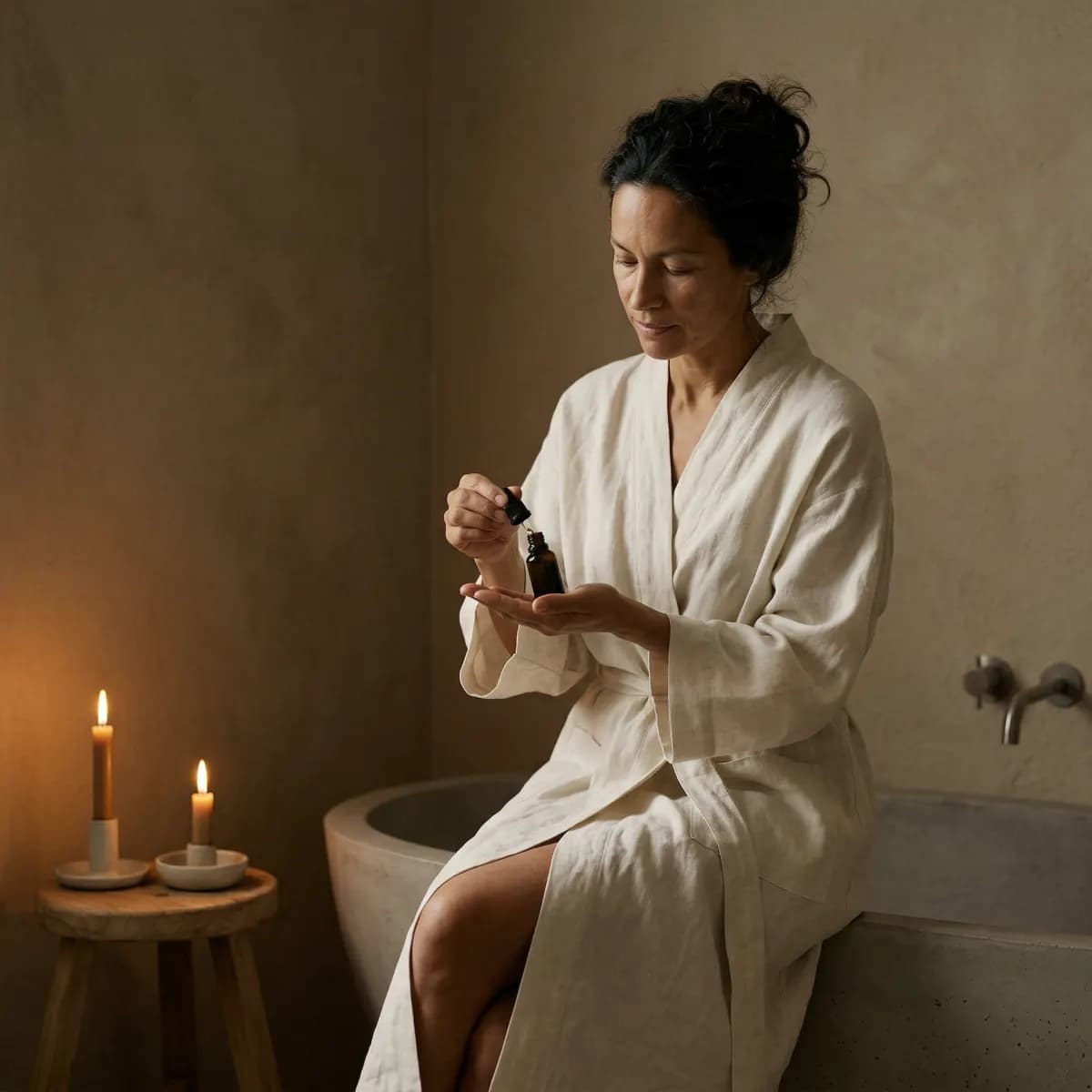
Why do we barely talk about selenium for skin?
Skin that’s constantly hit by UV, pollution, and inflammation needs more than another serum. Selenium is part of glutathione peroxidase, one of the body’s key enzymes for neutralizing free radicals. When that system works well, skin gets better support in dealing with oxidative stress.
This is not the same as layering on yet another active and hoping for the best. A lot of modern routines push the skin with harsh cleansing and over-exfoliation, which can weaken the barrier and make recovery harder. Selenium works more upstream: inside the cell’s own defense network.
The link between thyroid-skin health and selenium is worth knowing too. The thyroid depends on selenium for several enzymes that influence metabolism and hormone balance, and the skin often shows when that system is off. It’s not a quick fix, but it’s a smarter way to think about skin than chasing more acids.
How to bring selenium in smartly
Eat Brazil nuts carefully
Brazil nuts are the best-known selenium source. One nut can contain a lot, so keep portions small: often 1–2 nuts a few times a week is enough. More is not better here.
Think about the soil
The selenium content of food depends heavily on <strong>Brazilian soil</strong> and other growing conditions. That’s why grains, legumes, and nuts vary more than most people realize. It’s a mineral issue, not a branding issue.
Watch the dose
Adults only need small amounts of selenium per day. If you’re considering a supplement, start low and avoid high doses for long periods on your own. Too much selenium can cause side effects.
Build skin defense from the inside
Selenium works best as part of a wider strategy: sleep, protein, colorful vegetables, and less unnecessary skin stripping. Less glamorous than another acid, but far more sensible for skin.
Use mushrooms as support
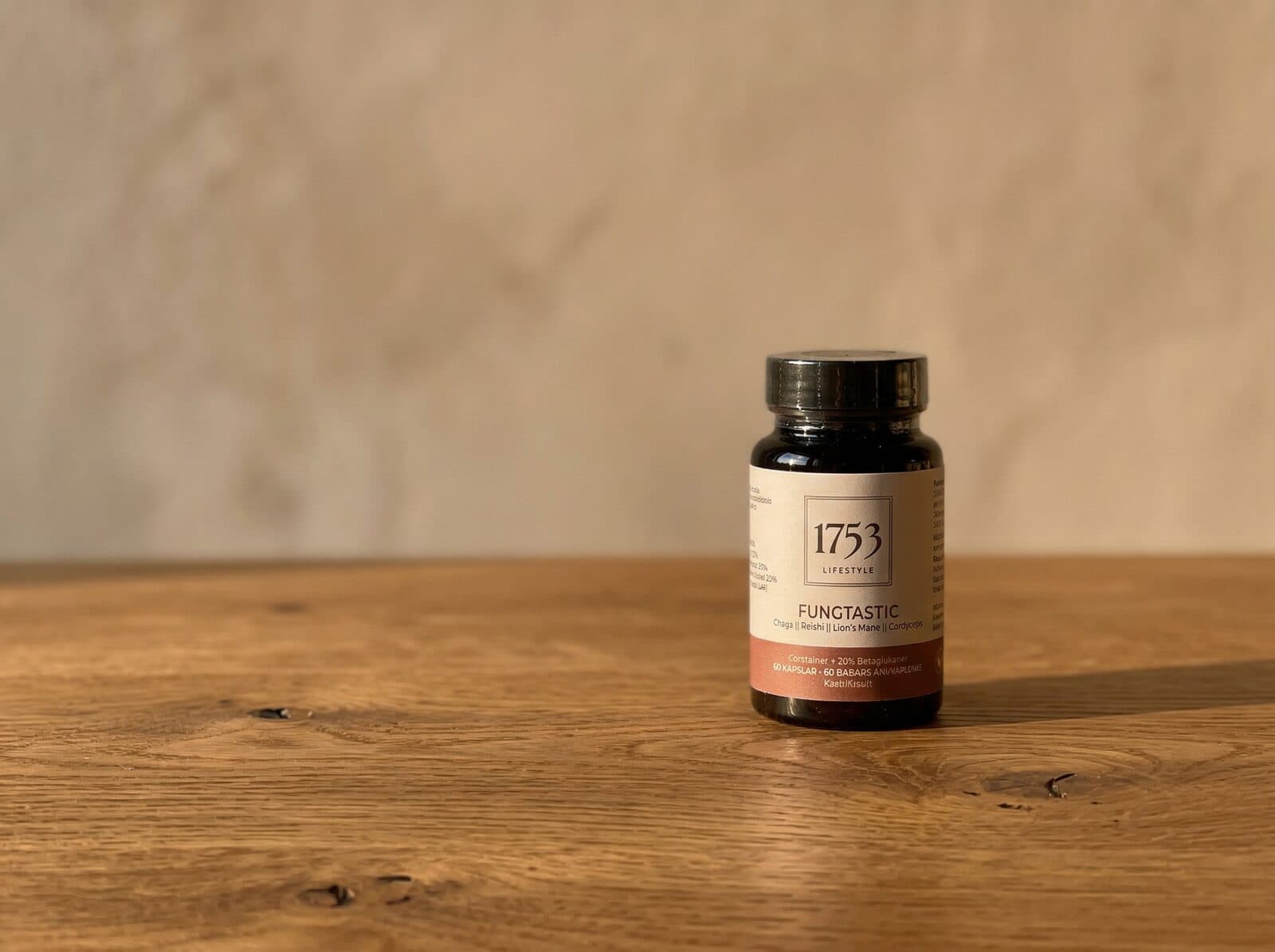
If you want extra mineral support without living on pills, <strong>Fungtastic Mushroom Extract</strong> can complement your routine. It’s an oral supplement with mushroom-based minerals, meant to support the bigger picture rather than replace selenium.

So how do you actually solve it?
Start with food. Selenium is first and foremost a nutrition tip, not a skincare trend. Brazil nuts, fish, eggs, and protein-rich foods can help, but restraint matters: selenium is one of those minerals where “enough” is the whole point.
For skin, the real move is to reduce the load that creates oxidative stress in the first place. A gentle cleanse with Au Naturel Makeup Remover gets the job done without stripping the barrier, and when skin needs calm, The ONE and I LOVE can support it from the outside with cannabinoid-based care. That makes more sense than hammering the skin with harsh actives and then trying to fix the aftermath.
If you want an inside-out complement, Fungtastic Mushroom Extract is a natural next step for people who think in systems, not quick fixes. Together, it’s a simpler strategy: support defense, reduce irritation, and stop making the skin work overtime.
Frequently asked questions
How much selenium does skin need?
Skin doesn’t need selenium in a direct, measurable topical sense here; the body needs enough for its antioxidant enzymes to function. The goal is adequacy, not maximum intake.
Are Brazil nuts the best source?
They’re the most concentrated and well-known source, but the content is inconsistent. A few nuts can go a long way, so treat them like a nutrient, not a snack bowl.
Can selenium help thyroid-related skin issues?
Selenium is relevant for thyroid enzymes, and skin changes can sometimes track thyroid function. But it doesn’t replace medical evaluation if you suspect an imbalance.
Is selenium a skincare serum?
No, in this context selenium is a nutrient, not a topical active. It mainly helps from within as part of the body’s antioxidant defense system.
Sources
- Oláh A, Tóth BI, Borbíró I, et al. Cannabidiol exerts sebostatic and antiinflammatory effects on human sebocytes. J Clin Invest 2014;124(9):3713–3724.
- Lin TK, Zhong L, Santiago JL. Anti-Inflammatory and Skin Barrier Repair Effects of Topical Application of Some Plant Oils. Int J Mol Sci 2017;19(1):70.
- Tóth KF, Ádám D, Bíró T, Oláh A. Cannabinoid signaling in the skin: therapeutic potential of the c(ut)annabinoid system. Molecules 2019;24(5):918.
Article reviewed by Christopher Genberg, founder of 1753 SKINCARE.
Related articles
Ingredient Portrait
Chaga mushroom skin – the taiga’s quiet shield
Chaga is not another glossy wellness gimmick. It’s a survival mushroom from the cold taiga, packed w...
Ingredient Portrait
Reishi for skin – the mushroom that calms the noise
Reishi earned its “mushroom of immortality” nickname for a reason: it matters more for skin than a l...
Ingredient Portrait
lions mane skin – the mushroom that starts with nerves
Lion's Mane, or Hericium erinaceus, is more than a wellness buzzword for focus. It matters for skin ...
Skin Streaming
Minimalist 5 step routine – why less can do more
Skincare has become too much of everything: too many steps, too much exfoliation, too much cleansing...
CBD Skincare
CBD for acne – stop fighting your skin
Acne isn't about being dirty. It's about inflammation, hormones, and skin that needs support – not p...
CBD Skincare
CBD for oily skin – balance instead of dehydration
Drying out oily skin only makes it oilier. Sounds backwards, but that's exactly what happens. CBD of...