
Comparison
retinol vs bakuchiol – when the plant is enough
Everyone talks about retinol like more power is always the answer. Skin rarely cares about hype; it cares about tolerance, consistency, and whether you can keep using the product. Here we compare retinol vs bakuchiol without placebo language and without pretending one active fits everyone.

Is retinol always stronger, or just more irritating?
Retinol is a vitamin A derivative that works through conversion steps in the skin and influences gene expression through retinoic acid receptor-related signaling. That’s why it can improve texture, fine lines, and acne-prone skin. But the same mechanism is also why many people get dryness, peeling, and the kind of sensitivity that makes them quit.
Bakuchiol is not retinol, and it doesn’t pretend to be. It’s a plant-based ingredient that studies have shown can improve several visible skin markers, often with better tolerance. That doesn’t make it weak; it means it works differently and often suits skin that gets stressed by a classic retinoid routine.
The uncomfortable truth is that a lot of mainstream skincare is built around the idea that skin should adapt to being pushed. But if your skin is already reactive, thin, or simply tired of aggressive exfoliation, “stronger” may be the wrong goal. The real question is not what sounds most advanced, but what you can actually use consistently.
How to choose without guessing
Start with tolerance
If you flush, sting, or flake easily, bakuchiol is often the more sensible starting point. It’s easier to stay consistent with something your skin accepts than with a bottle you need to pause every week.
Pick retinol for a stronger push
If you want to work more aggressively on texture, pores, and signs of aging, and your skin already handles actives well, retinol can be the right lane. Just introduce it slowly and stop trying to “fix” it with a crowded routine.
Look at your routine
Retinol asks for discipline: gentle cleansing, fewer strong acids, and proper recovery. Bakuchiol is often easier to live with in a daily routine that doesn’t need to revolve around one ingredient.
Read the skin, not the label
Plant-based does not automatically mean gentle, and synthetic does not automatically mean harsh. Pay attention to how your skin feels after two to four weeks, not to how trendy the ingredient looks on social media.
Choose what you can keep using
The best ingredient is the one that fits your life. If you want results without wrecking your barrier, a calmer option is often smarter than a more aggressive one.

How to solve it in real life
With retinol vs bakuchiol, the decision is rarely about courage; it’s about what your skin actually needs. Retinol is powerful when you want a more direct push and your skin can handle it. Bakuchiol is compelling when you want a plant-based path with a better chance of avoiding the classic retinoid crash.
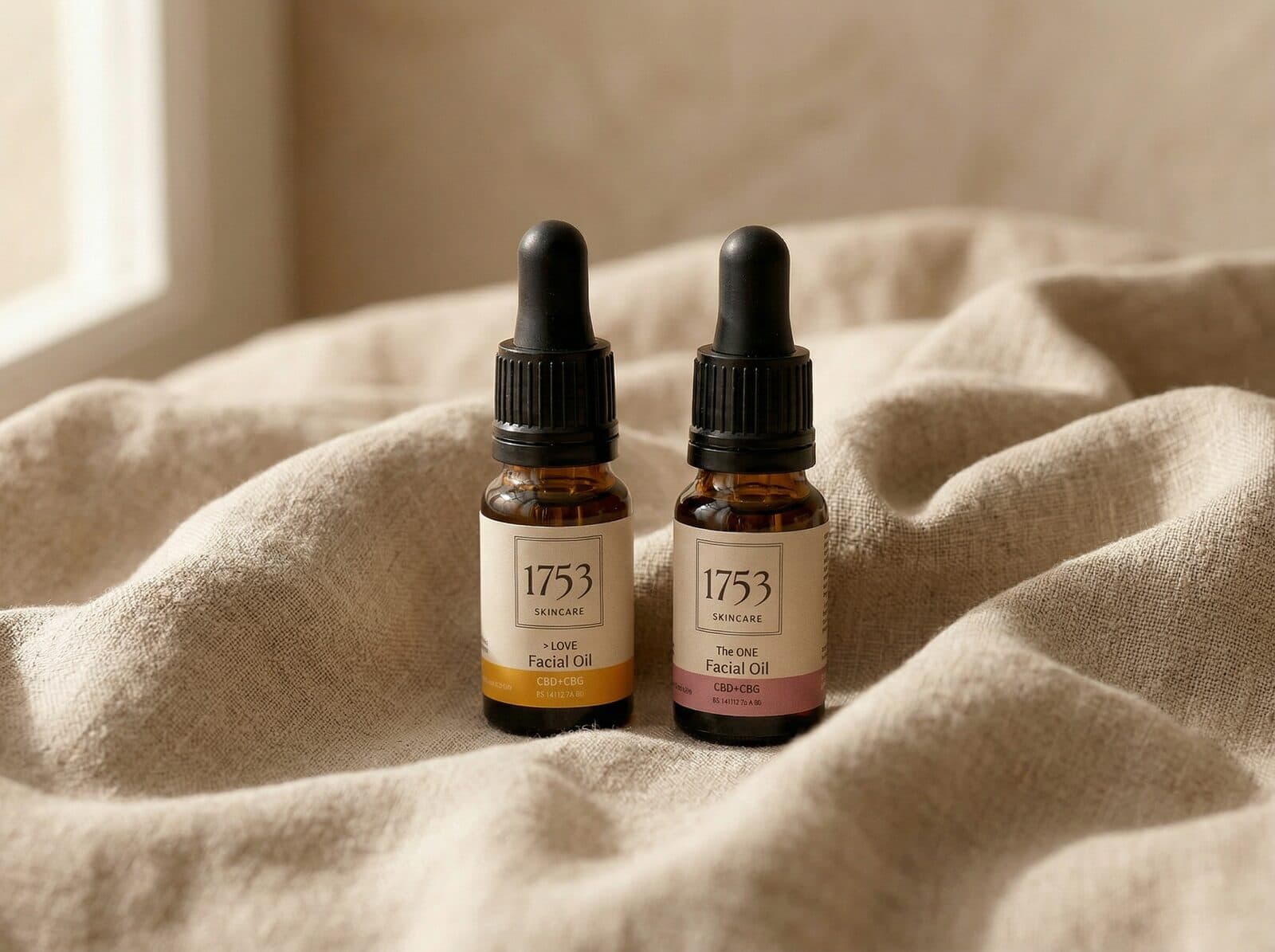
For many people, the best solution is not a harsher active, but a smarter one. I LOVE with CBG can be a calming step when skin feels overstimulated, and The ONE with CBD + MCT supports the barrier without adding more drama. If you want a more complete setup, the DUO kit offers a balanced cannabinoid spectrum that can feel more sustainable than pushing the skin with yet another intense active.
This is the part mainstream skincare often misses: you do not need to win an ingredient contest. If your skin improves with bakuchiol, or by stepping back from retinoid stress and building calm first, that is not a compromise. That is skincare that works in real life.
Products we recommend
 Save €34
DUO kit
Two face oils, one for morning and one for evening. Simple skincare that works with your skin, not against it.
 Save €60
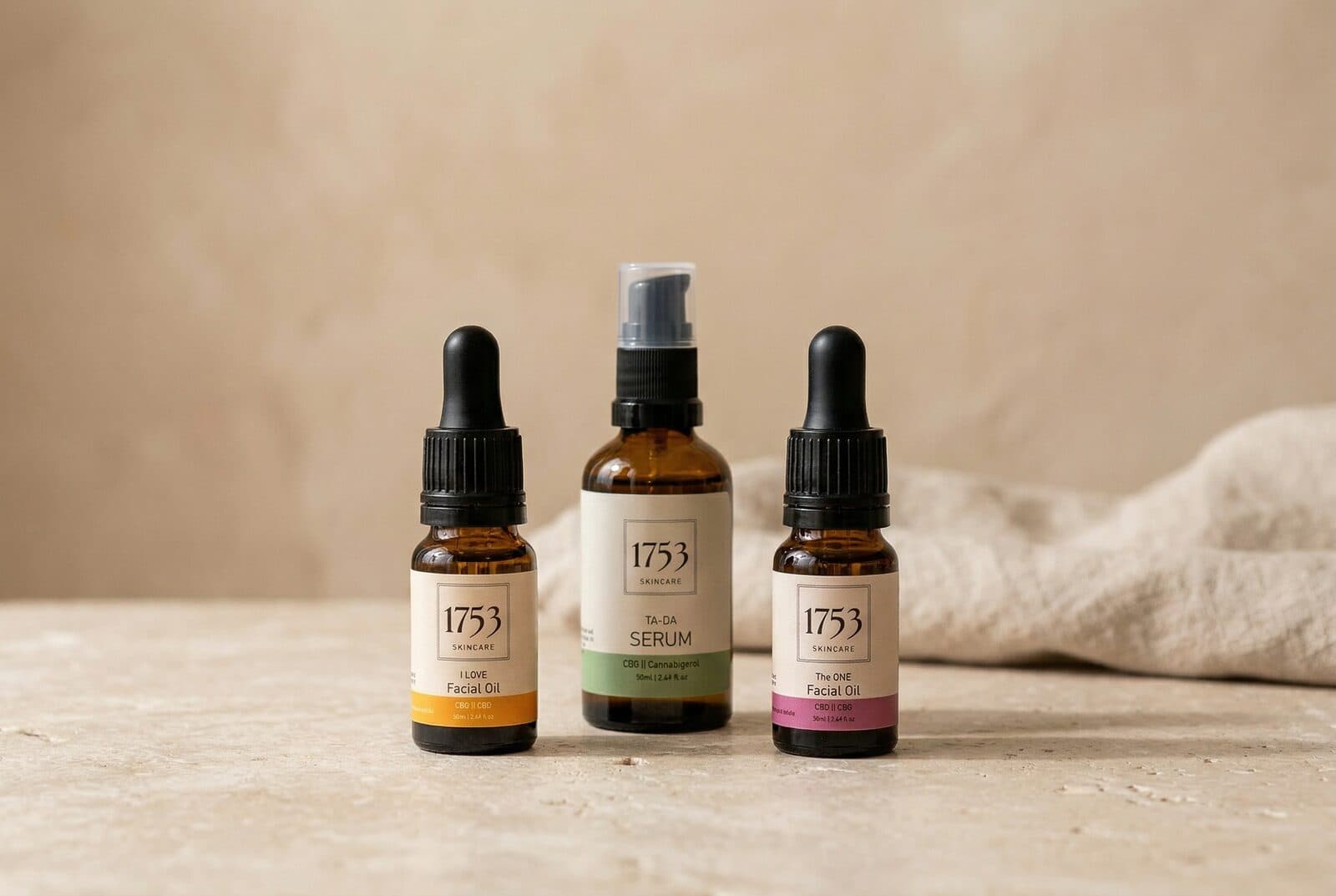
DUO kit + TA-DA Serum
The full routine in one: three products that help skin become calmer, stronger and more resilient.
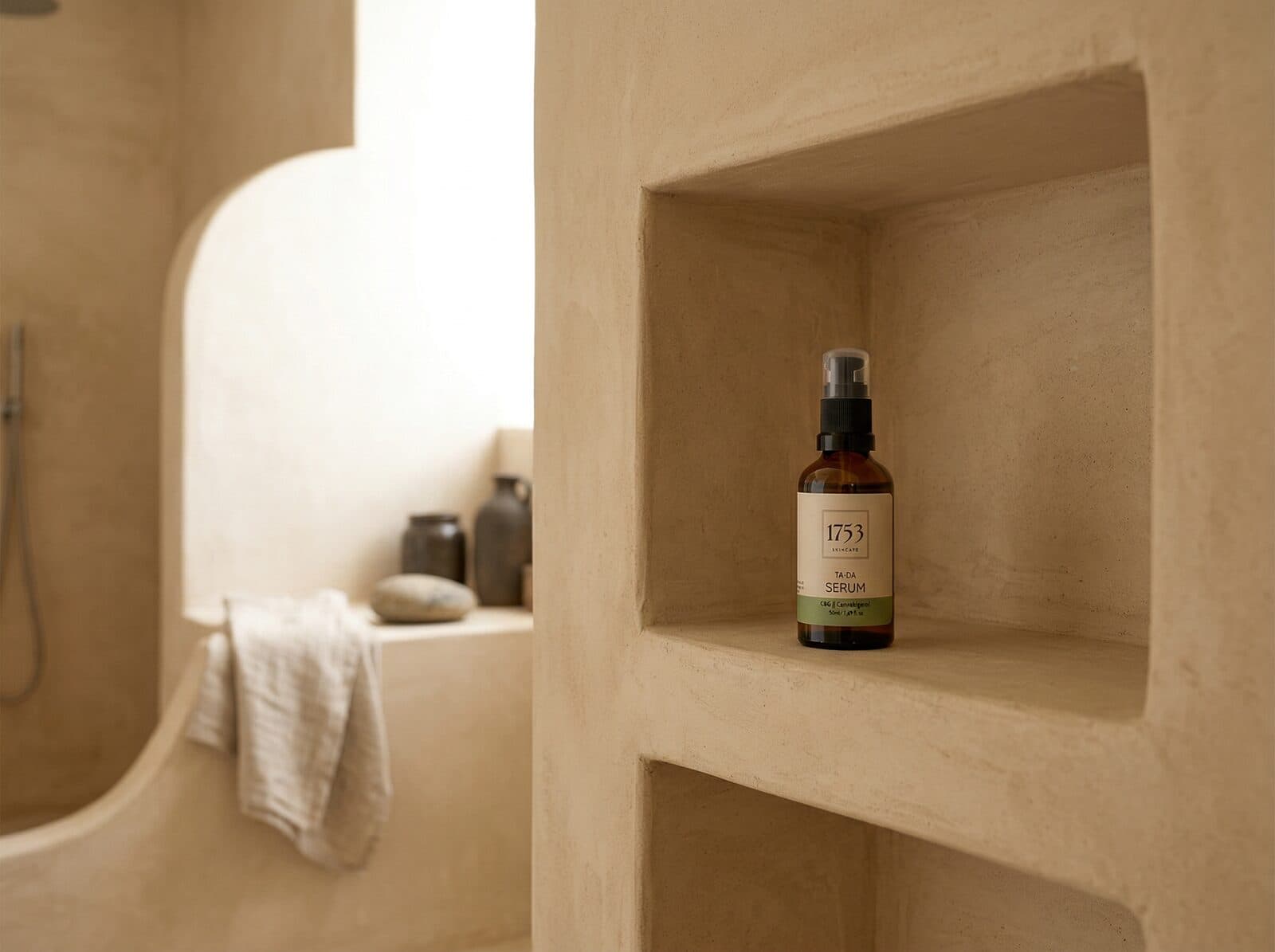
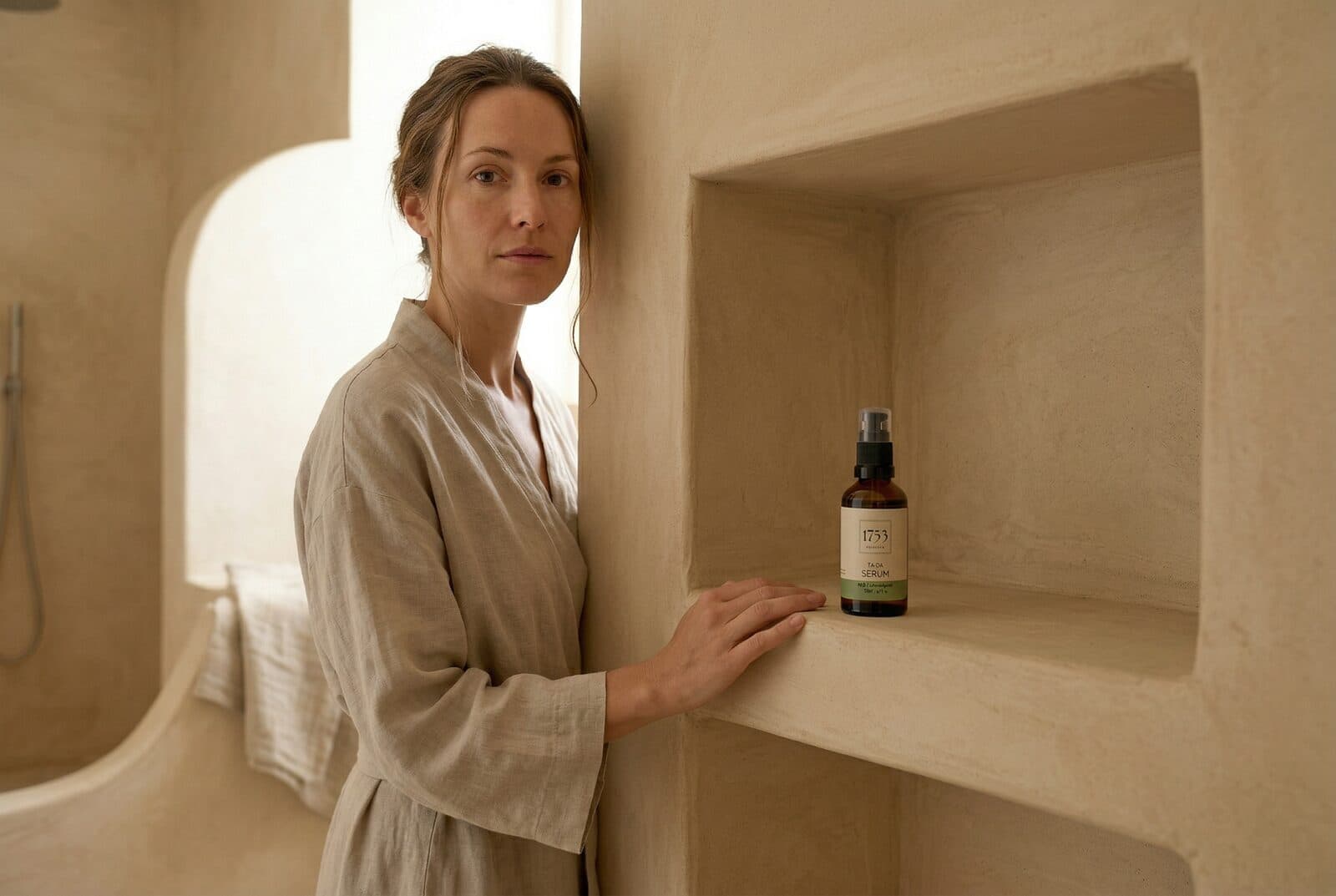
TA-DA Serum
A CBG-powered serum that seals in moisture and adds glow, whatever the season.
Frequently asked questions
Is bakuchiol as good as retinol?
In some studies, bakuchiol has shown similar improvements in certain visible skin outcomes, but it is not the same molecule and not the same mechanism. Retinol remains more established for strong anti-aging results, while bakuchiol often wins on tolerance.
Is retinol suitable for sensitive skin?
It can be, but it usually takes careful introduction, low frequency, and good barrier support. If your skin already reacts to small amounts of actives, bakuchiol or a calmer routine is often the better first choice.
Is plant-based always gentler?
No. Plant-based tells you nothing certain about how skin will react. Bakuchiol is often experienced as gentler than retinol, but sensitivity always comes down to the full picture: dose, formula, and your skin’s current state.
Can I use retinol and bakuchiol together?
Yes, but it is not always necessary. Many people get better results by choosing one main active and keeping the rest of the routine simple, so the skin can recover between applications.
Sources
- Oláh A, Tóth BI, Borbíró I, et al. Cannabidiol exerts sebostatic and antiinflammatory effects on human sebocytes. J Clin Invest 2014;124(9):3713–3724.
- Tóth KF, Ádám D, Bíró T, Oláh A. Cannabinoid signaling in the skin: therapeutic potential of the c(ut)annabinoid system. Molecules 2019;24(5):918.
Article reviewed by Christopher Genberg, founder of 1753 SKINCARE.
Related articles
COMPARISON
cbd vs retinol – same conversation, different jobs
CBD and retinol are often grouped together, but they do not behave the same way. Retinol pushes cell...
Comparison
cbd vs hyaluronic acid – hydration or calm?
This is not a fight between two good ingredients. Hyaluronic acid draws water in. CBD works more aro...
COMPARISON
cbd vs niacinamide – two ways to less shine
If your skin is oily but also easily irritated, it is easy to get stuck between two classics: cbd vs...
Ingredient Portrait
cbd for skin – less noise, more balance
CBD for skin is interesting because it doesn’t try to bully the skin into behaving. It works with th...
Ingredient Portrait
cbg for skin – the mother cannabinoid that calms and renews
CBG usually lives in CBD’s shadow, but skin can tell the difference. This is the cannabinoid that ma...
Ingredient Portrait
Shea butter skin – rich, warm, not for everyone
Shea butter is one of skincare’s most loved butters, and one of the most misunderstood. It comes fro...